
Bluegrass Full Face Helmets
Bluegrass full face helmets come out of the same gravity-focused engineering group as MET, and that shared DNA shows in every shell they produce. These are helmets built for riders who take the steep stuff seriously - DH racers, bike park regulars, and enduro privateers who need certified protection without cooking their head on the way up.
Every model in the range carries ASTM F1952 certification, meaning the impact absorption has been tested against proper downhill standards rather than the softer benchmarks some lighter lids lean on. Stack that with MIPS rotational management technology - which reduces the twisting forces transferred to your brain during an angled hit - and you've got a solid safety foundation across the range.
The shells are lightweight composite and fiberglass constructions, which keeps the weight down without trimming coverage. Ventilation is generous too, which matters more than you'd think when you're grinding up a humid summer climb in the Tweed Valley or sweating through a long transfer at a Welsh trail centre before the fun starts. Wide goggle ports help airflow stay consistent, and the removable, washable cheek pads mean a muddy winter session doesn't have to ruin the interior. Whether you're chasing podiums or just want to ride with confidence, there's a Bluegrass lid to match.
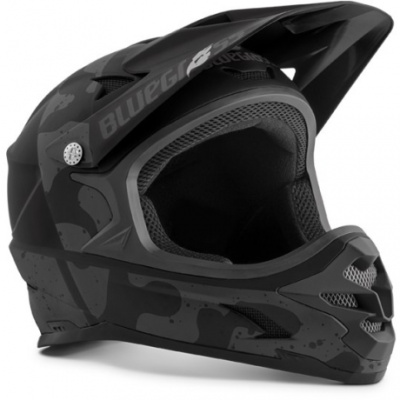
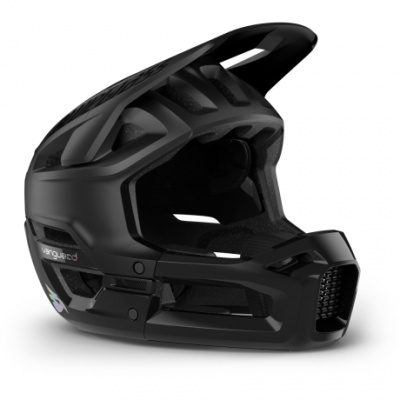
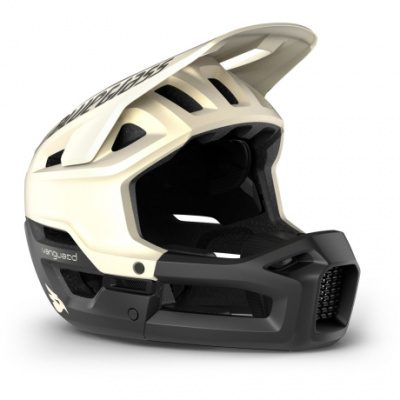
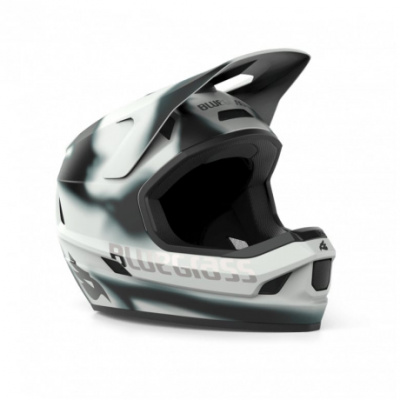
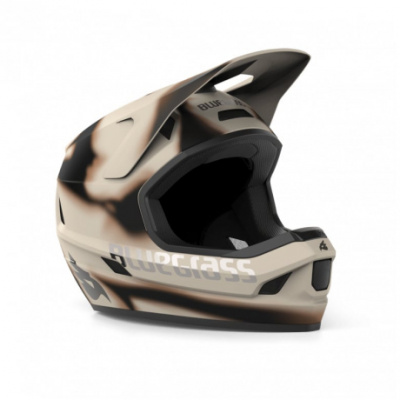
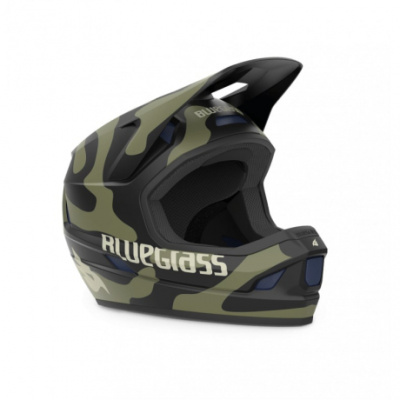
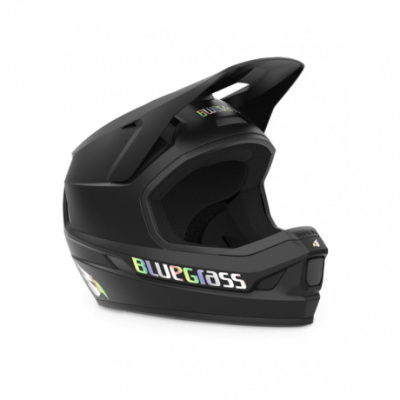
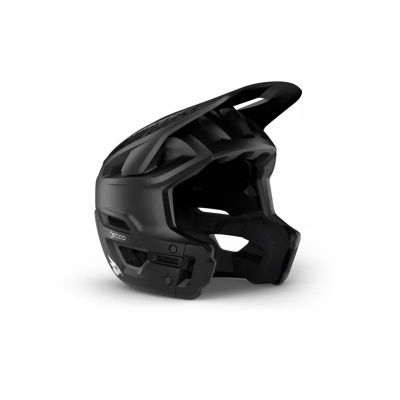
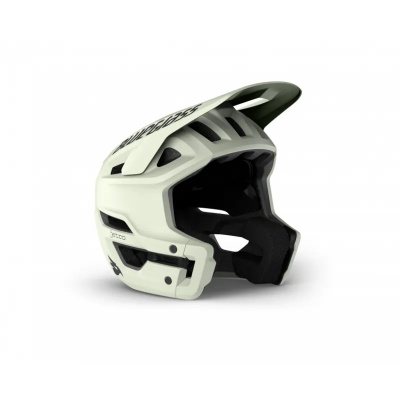
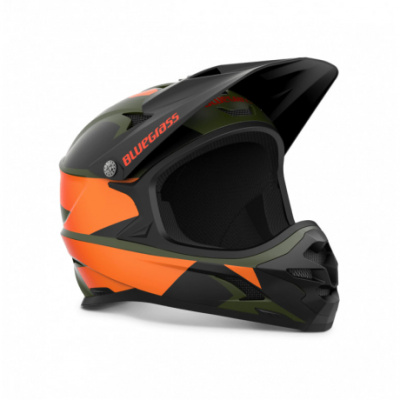
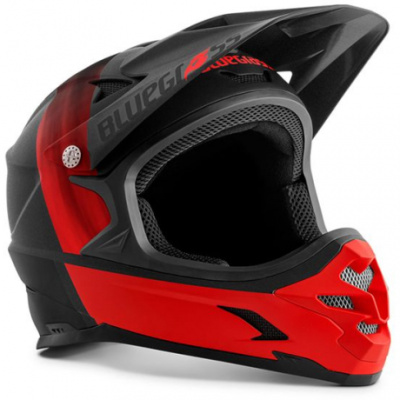
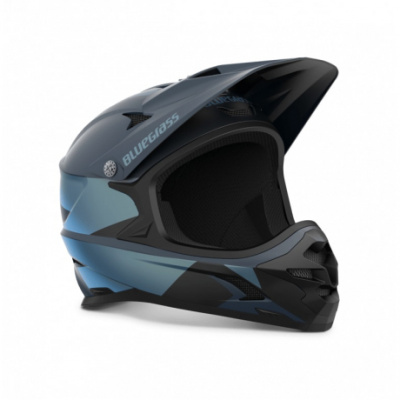
Prices and availability can change quickly. Delivery charges are not always included in listed prices.
Final price, stock status and delivery terms are set by retailer. We may receive a commission on purchases made.
Impact Tech & Trail Performance
The protection story starts with dual-density EPS and EPP foam liners. The two materials work differently under impact - the stiffer EPS layer absorbs the initial force of a direct hit, while the more flexible EPP component manages the secondary crush. Together they give you consistent performance across a range of impact energies, which is exactly what you want when a trail catches you off-guard rather than delivering a clean, textbook crash.
MIPS sits inside that liner system. It's a low-friction layer that allows the helmet to rotate independently from your head by a few degrees during an angled impact - the kind you're far more likely to experience on a rooty chute than a perfectly vertical drop. The physics are straightforward: reducing that rotational load reduces the stress transferred to the brain. It's now a feature across the core Bluegrass range, and at this point, buying without it is a harder sell to justify.
The ASTM F1952 certification is worth understanding properly. It's the standard written specifically for downhill mountain biking - higher energy impacts, more coverage requirements - so a helmet carrying it has been tested harder than most. Select models also carry NTA 8776 e-bike certification, which covers the higher-speed impact scenarios relevant to e-MTB riding. If you're on a motor-assisted bike, check that certification is present rather than assuming it carries across.
Ventilation ports are wide and well-positioned, which sounds like a given until you've spent an August afternoon slogging up a humid Welsh hillside in a poorly designed full face. The channel geometry moves air across the EPS liner rather than just over the shell, so you're actually feeling cooler air inside. It's a detail that matters on the kinds of winch-and-plummet UK enduro stages where you're working hard for 20 minutes before the descent justifies the suffering. The ASTM-certified shell doesn't get thinner to achieve this - Bluegrass have engineered the airflow around the structure rather than compromising it.
Understanding the Bluegrass Fit & Range
Bluegrass runs two distinct full face lines and they serve genuinely different riders. Get this choice wrong and you'll either be sweltering on the climbs or wearing something that doesn't quite cover what a proper DH lid should.
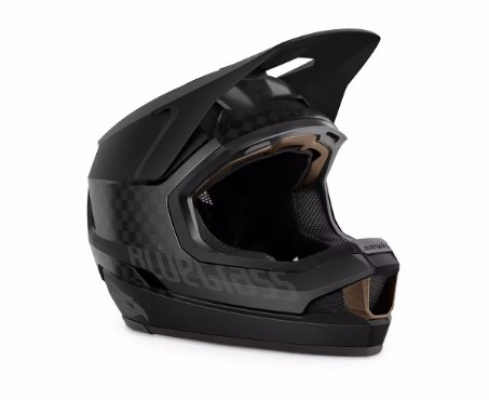
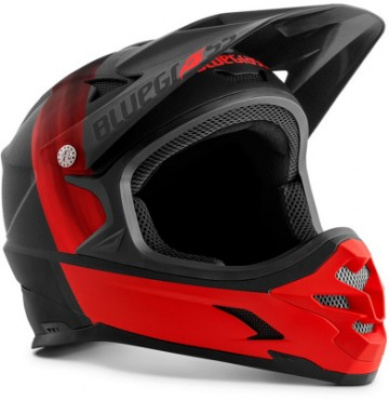
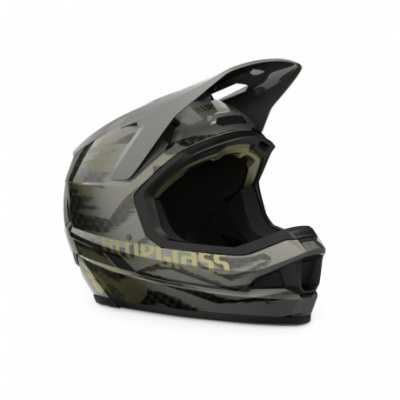
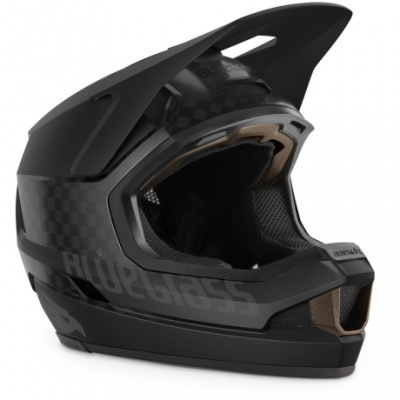
The Bluegrass Legit is the traditional full-coverage option - maximum protection, solid shell geometry, built for bike park laps and DH racing where you're not expected to pedal much between runs. Coverage is extensive, the shell is robust, and it prioritises protection over airflow. If your sessions look like shuttles, chairlifts, or race runs at events like the Scottish Enduro Series' gnarlier venues, this is the one.
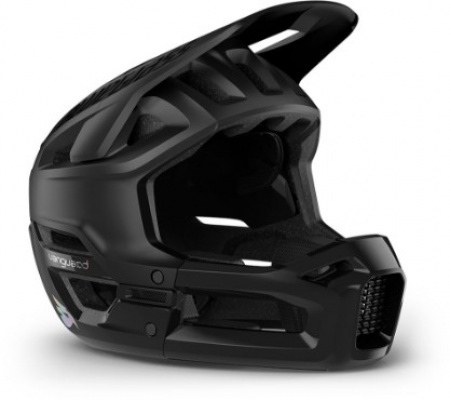
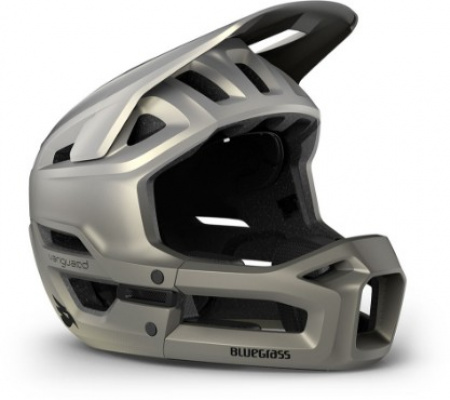
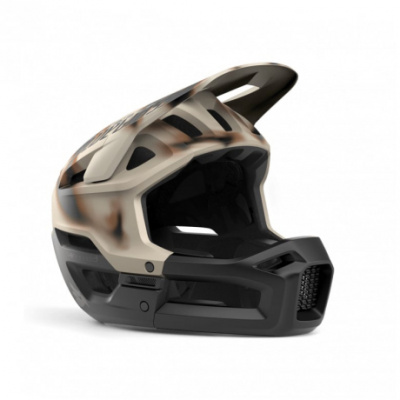
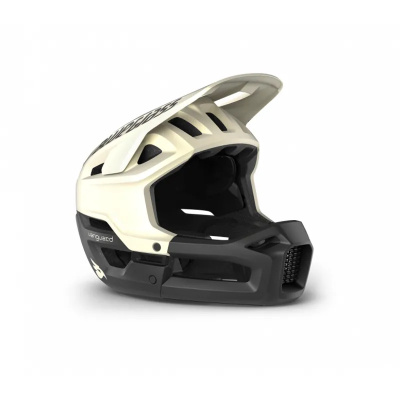
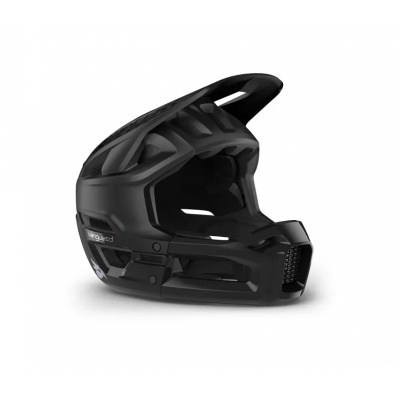
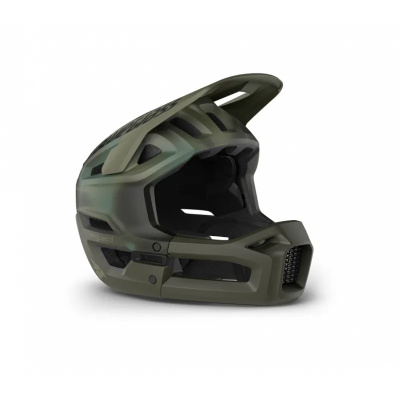
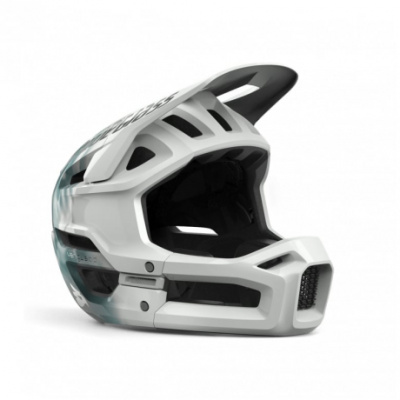
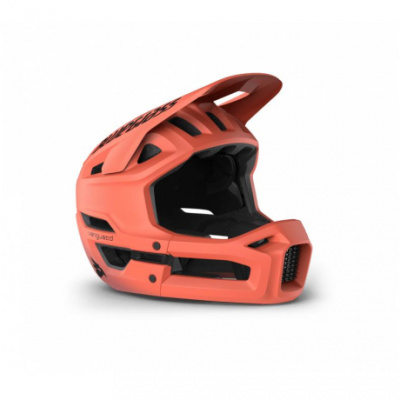
The Bluegrass Vanguard takes a different approach. It's a lightweight enduro full face that maximises ventilation without stepping back from ASTM F1952 standards. The vent openings are significantly larger, the overall weight is lower, and it's designed for riders who need to pedal to earn their descents. Think long fire road climbs in the Peaks, or the kind of all-day enduro format where you're wearing the same helmet for six hours. It doesn't compromise on certified protection - it just rethinks where the material sits to let more air through.
Fit is handled by the Safe-T Heta fit system, a micro-adjustable retention cradle that dials in around the back of your head. It's a meaningful upgrade over fixed-size pads alone - small head movements between sizes can be corrected at the dial rather than requiring a pad swap. That said, Bluegrass helmets do run to specific shell sizes rather than one-size-fits-all, so measure your head circumference accurately before ordering. The cheek pads also come in different thicknesses, which lets you fine-tune the fit without changing the shell size.
For sizing, snug is right - the cheek pads should press firmly against your face, and there shouldn't be meaningful vertical or lateral movement when you try to rock it. A correctly fitted full face shouldn't shift during an impact; that's the whole point of the cheek pad contact. If you're between sizes, try both and go with the one that eliminates movement rather than the one that feels more comfortable at rest.
Compared to alternatives like Fox full face helmets or Troy Lee Designs full face helmets, Bluegrass sits in a considered middle ground - less plastics-heavy than some motocross-crossover lids, more protection-focused than some lightweight convertibles. MET full face helmets share the same engineering group, so you'll notice familiar construction philosophy if you've ridden in one before.
Goggle Integration & Care for UK Riding
The goggle port geometry on Bluegrass lids is wide enough to accept most standard MTB goggles without the frame gap that lets cold air (and in winter, cold rain) funnel straight into your eyes. The airflow channel design also helps prevent lens fogging - a genuine issue on damp UK mornings where temperature differentials between your face and the outside air are working against you constantly. That's not just a nice-to-have in November in the Scottish Borders; it's a visibility issue mid-descent.
The flexible, safety-release visors are worth a mention too. They're designed to fold or detach cleanly under impact rather than acting as a lever arm on your head. On a messy crash into undergrowth, a rigid visor catching on the ground can redirect force badly. The release mechanism here is a genuine safety feature, not just a comfort adjustment.
Post-ride care is straightforward but worth doing properly. The snap-in cheek pads and liner pull out cleanly - hand-wash them in cool water with mild soap, then leave them to air dry naturally rather than forcing heat on them. Machine washing breaks down the foam faster than you'd expect, and compressed foam doesn't absorb impact the way it should. The shell can be wiped down with a damp cloth; avoid solvent-based cleaners, which can degrade the EPS liner integrity over time. A quick clean after every muddy session keeps the interior hygienic and the fit consistent - compressed or waterlogged pads change the feel noticeably.
Store the helmet away from direct sunlight when it's not in use. UV degrades EPS and shell materials gradually, and a helmet left on a sunny windowsill for a season is quietly ageing faster than one kept in a bag. Replace after any significant impact, even if the shell looks intact - EPS is a single-use material and the crush damage isn't always visible.
Round out your gravity kit with Bluegrass knee pads and Bluegrass elbow pads for matched protection across the range, or add Bluegrass liner shorts to the setup if you're doing long days in the saddle between descents.
Bluegrass Full Face Helmets FAQs
How should a Bluegrass full face helmet fit?
It should sit snugly with no pressure points, cheek pads pressing firmly against your face to prevent rotation during an impact. There shouldn't be meaningful movement when you try to rock the helmet side to side or front to back. The chin strap wants to be tight enough that you can fit one finger underneath it - two at a push, no more.
Are Bluegrass full face helmets good for enduro pedaling?
The Bluegrass Vanguard is specifically designed for enduro riding - it carries full ASTM F1952 downhill certification while using large ventilation ports to keep airflow moving during long climbs. It's a proper full face, not a lightweight compromise, so you're getting genuine DH-level protection without overheating on the transfer.
What is the difference between the Bluegrass Legit and Vanguard?
The Legit is a traditional full-coverage downhill helmet - maximum protection, solid shell, built for bike parks and DH racing where pedalling is minimal. The Vanguard is a lightweight enduro-focused full face with significantly larger vents and lower weight for riders who need to pedal hard before the descent. Both carry ASTM F1952 certification; the difference is in airflow and weight rather than protection standard.