
Blackburn Bar Bags
Blackburn bar bags have built a serious reputation among bikepacking luggage obsessives, and it's not hard to see why. The range splits neatly between expedition-grade handlebar harness systems and lighter, commuter-ready options, so whether you're loading up for a multi-day gravel tour or just need somewhere to stash a rain jacket on the way into work, there's something here that fits the bill.
The flagship Outpost and Outpost Elite models centre around welded-seam waterproof drybags that actually keep your kit dry - not just DWR-coated nylon that gives up after the first proper soaking. That matters on UK roads, where "light drizzle" is rarely that. The Grid series takes a different line: smaller capacity, simpler mounting, and Grid reflective technology stitched in for low-light visibility on dark winter commutes or early morning gravel loops.
Drop bar or flat bar, hardtail or rigid, the range covers a wide spread of setups - though there are a few fitment details worth checking before you buy. We've laid out the key differences, compatibility considerations, and UK-specific durability advice below, so you can pick the right bag the first time and compare prices across UK retailers in one place.
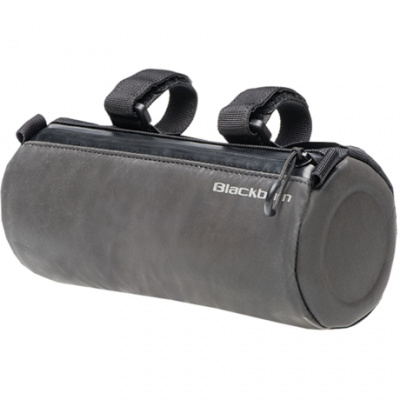
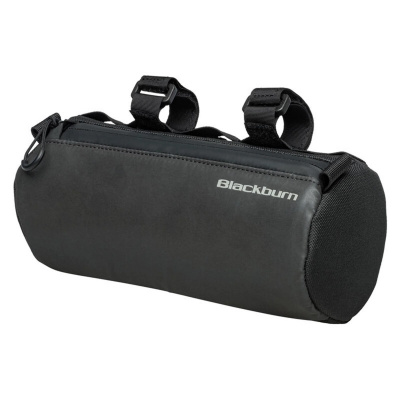
Prices and availability can change quickly. Delivery charges are not always included in listed prices.
Final price, stock status and delivery terms are set by retailer. We may receive a commission on purchases made.
Fitting Your Blackburn Bar Bag: What to Check Before You Mount Up
Getting a Blackburn handlebar bag to sit right is mostly straightforward, but there are a couple of measurements worth taking before anything goes on the bike. First, bar width. The Outpost roll-style bags work best on flat bars or drop bars in the 560 - 760mm range - go much narrower and the harness straps start to crowd the brake lever mounts; go wider and you may struggle to route cables cleanly around the mounting blocks. Check your bar width against Blackburn's listed compatibility before ordering.
Cable routing is the one that catches people out. Whether you're on a Outpost Elite with its rigid alloy mounting bracket or a strap-based Outpost harness, your gear and brake cables need to pass cleanly behind or around the mount without being pinched. A pinched cable means ghost shifting on a singletrack descent or a brake that doesn't release fully - neither is something you want to discover mid-ride. Take ten minutes to trace your cable run before you tighten anything down.
The other check is head tube clearance - specifically, the gap between the underside of your handlebars and the top of your front tyre at full fork compression. For hardtails and rigid bikes, aim for at least 150 - 200mm of clearance. If you're running a suspension fork, you must account for bottom-out, not just sag. A bag that clears the tyre on a smooth road can still catch it on a heavy hit through a pothole on the Peak District grit roads. Measure with the fork compressed as far as it'll go, and leave yourself a comfortable margin. A bag buzzing your tyre at speed is a handling problem, not just an irritating noise.
Outpost Elite, Outpost, or Grid - Which One's Actually for You?
Blackburn runs three distinct tiers here, and the differences are meaningful rather than cosmetic. The Outpost Elite sits at the top. Its defining feature is a fixed aluminium mounting bracket that clamps directly to the handlebar, completely eliminating the bag sway you get with strap systems on rougher surfaces. That rigidity also protects your cables - the alloy bracket keeps the harness geometry consistent, so nothing shifts under load. If you're heading into proper off-road bikepacking territory, Scottish gravel tracks, or multi-day loaded touring where stability at the front end genuinely affects handling, this is the version to look at. The welded-seam drybag that comes with it is removable, so you can pull your kit out at camp without unbolting anything from the bike.
The standard Outpost uses a heavy-duty strap harness system rather than a fixed bracket. It's more versatile across different bar and head tube shapes, and the setup is quicker to transfer between bikes. You do get a small amount of movement under load compared to the Elite - not dramatic, but noticeable on loose descents. Still, for most loaded gravel riding and light bikepacking, it's more than adequate, and the same welded-seam drybag approach means your waterproofing credentials are identical. If Apidura bar bags are on your shortlist, the Outpost sits in a similar bracket for capacity and weather resistance, though Blackburn's harness construction has a distinctly more mechanical, bombproof feel to it.
The Grid series is the everyday option. Smaller capacity, lighter construction, and built around Blackburn's Grid reflective technology - a reflective pattern worked into the bag material itself rather than added as strips. That makes a real difference at dusk on a commute or an autumn gravel loop when you're relying on drivers actually seeing you. The Grid bags don't use the same drybag insert system as the Outpost line, so they're water-resistant rather than fully waterproof - worth knowing if you're planning to use one through a proper Welsh winter. For a lighter day-trip setup, pairing a Grid bag with Blackburn lights on the bars makes for a tidy, visibility-first cockpit. If you want a stripped-back alternative from another brand, Altura bar bags cover similar ground at the commuter end of the market.
UK Grit, Wet Straps, and Keeping Your Head Tube Intact
British riding conditions do specific things to bar bags that don't show up in dry-climate test reports. The first is strap abrasion. Any strap-mounted bag - Blackburn's included - will trap grit between the strap and whatever it's touching. On a steel or alloy head tube that's annoying; on a carbon head tube it's a slow-motion disaster. Before you fit any strap-based harness, wrap the contact points on your frame and bars with helicopter tape (frame protection film). It's cheap, invisible once applied, and saves you from sanding through your clearcoat over a few months of muddy rides.
The buckles on the Outpost harness are robust, but they will jam if mud dries inside them. A stiff brush and a quick rinse after a mucky ride is all it takes - don't let it build up. If a buckle starts to feel stiff, work it open and closed under running water rather than forcing it, which can crack the housing in cold weather.
On the waterproofing side, the welded-seam drybags that come with the Outpost and Outpost Elite are the real deal - seams are heat-bonded rather than stitched, so there's no needle-hole water ingress. The roll-top closure is only as watertight as you make it, though. Roll it at least three full times and clip the buckle down before you set off. Air trapped inside actually helps create a seal, so don't try to compress the bag completely flat - roll it with some air still inside and the closure performs better in heavy rain. For UK winters, that's not optional advice.
Compared to Ortlieb bar bags, which use a similar welded construction philosophy, the Blackburn drybags are competitive on waterproofing but the Ortlieb attachment systems tend to be more proprietary. Blackburn's harness works across a broader range of bar shapes, which is a genuine advantage if you're switching the bag between bikes.
Frequently Asked Questions
How do you attach a Blackburn Outpost handlebar bag?
The standard Outpost uses a strap harness that wraps around the handlebars and clips to the head tube with a secondary strap. The Outpost Elite swaps the strap for a rigid alloy clamp that bolts directly to the bar. Whichever version you're fitting, route your brake and gear cables before you tighten anything - you want them sitting cleanly behind or around the mounting blocks, not pinched underneath.
Are Blackburn bar bags fully waterproof?
The Outpost and Outpost Elite models include removable welded-seam drybags that are fully waterproof - the seams are heat-bonded, not stitched, so there's no hidden ingress point. Roll the closure properly (at least three full rolls) and you're genuinely protected in heavy rain. The Grid series bags are water-resistant rather than waterproof, so they're better suited to dry-weather or short commutes than all-day soakings.
How much clearance do I need for a handlebar bag?
A minimum of 150 - 200mm between the bottom of your bar bag and the top of your front tyre is the working figure for rigid forks. If you're on a suspension fork, measure with the fork fully compressed - bottom-out, not just sag - because a bag that clears on smooth tarmac can still contact the tyre on a hard hit. Better to have more room than you think you need.
Looking to complete your touring setup? Pair your bar bag with Blackburn frame bags and Blackburn saddle bags for balanced weight distribution across the bike - front-heavy or rear-heavy loading both affect handling more than most riders expect until they try a properly balanced rig.
Blackburn Bar Bags FAQs
How do you attach a Blackburn Outpost handlebar bag?
The standard Outpost uses a strap harness around the bars with a secondary head tube strap. The Outpost Elite uses a rigid alloy clamp instead. Either way, sort your cable routing before tightening anything down - brake and gear cables need to sit cleanly around the mounting blocks, not pinched underneath them, or you'll get interference with shifting and braking.
Are Blackburn bar bags fully waterproof?
The Outpost and Outpost Elite models come with removable welded-seam drybags - heat-bonded seams, no stitch holes, genuinely waterproof. Roll the closure at least three times and clip it down properly. The Grid series is water-resistant rather than fully waterproof, so it's fine for light weather but not a UK winter soaking.
How much clearance do I need for a handlebar bag?
Allow at least 150 - 200mm between the base of the bag and your front tyre. On a suspension fork, measure at full compression - bottom-out, not just riding sag. A bag that looks fine at standstill can still contact the tyre on a hard hit. Leave yourself more margin than you think you need, especially on rougher surfaces.