
Black Inc Road Wheels
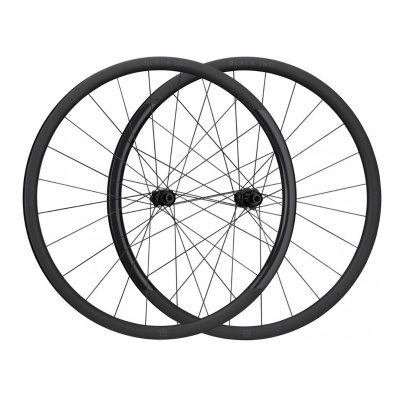
Black Inc road wheels sit at the sharper end of the carbon wheelset market - properly sharp, not just priced that way. The engineering centres on three things: low rolling resistance, structural rigidity, and aerodynamic profiles that don't turn into a liability the moment a gust rolls in off the moors. What makes them stand out isn't a single clever trick but a package: continuous carbon fibre rim construction that keeps weight down without sacrificing stiffness, CeramicSpeed bearings fitted as standard across the hub range, and NACA airfoil-optimised rim profiles borrowed from aerospace thinking to manage crosswind stability rather than just chase depth numbers. That last point matters more than it sounds on British roads, where a 60mm deep rim and a lorry overtaking on the A-road is a combination you'd rather not find out about the hard way. The range covers dedicated climbing wheels through to full aero wheelsets, so there's a depth for every kind of riding - whether you're building a lightweight climber or chasing time. If you're also looking at a full cockpit overhaul, pairing these with Black Inc handlebars keeps the aero story consistent from rim to bar.
Prices and availability can change quickly. Delivery charges are not always included in listed prices.
Final price, stock status and delivery terms are set by retailer. We may receive a commission on purchases made.
Compatibility: Axles, Freehubs, and Tyre Standards
Modern Black Inc disc brake road wheels use 12mm thru-axle spacing throughout - 100mm front, 142mm rear - with Centerlock disc rotor mounts on all disc-specific models. If you're running flat-mount with a 6-bolt rotor, you'll need a Centerlock adaptor; worth checking before you order. Freehub options cover most drivetrains: Shimano HG 11- and 12-speed, SRAM XDR for AXS groupsets, and Campagnolo N3W for Ekar or Super Record EPS builds. Get that spec right at the point of purchase - swapping freehub bodies later is possible but fiddly and not always cheap.
On tyre compatibility, all current Black Inc road wheels are tubeless ready with optimised rim beds for straightforward seating. Some models use a hooked bead profile, others are hookless - and the distinction matters. Hookless rims require tyres that are explicitly approved for hookless fitment, typically capping maximum pressure around 72.5psi. Running a non-approved tyre on a hookless rim isn't a risk worth taking. Check the specific model's documentation and cross-reference your chosen tyre before fitting. The internal rim width across the range is designed to suit 28c tyres and wider, which on UK B-roads is sensible - more on that below.
Which Depth Suits Your Riding?
Black Inc organises its wheelset range by rim depth, and the names are refreshingly literal. The TWENTY and THIRTY are the climbing-focused options - low rotational weight, minimal aerodynamic profile, and a stiffness-to-weight ratio that makes them feel lively on long ascents. If your rides involve a lot of vertical gain, repeated punchy climbs, or you're just trying to keep overall bike weight in check, these are the logical starting point. They're not slow on the flat, but aerodynamic drag reduction isn't what they're optimised for.
The FORTY FIVE sits in the middle of the range and is arguably the most versatile option for varied UK riding. Enough depth to generate meaningful aero benefit on open roads and flatter sportive routes, but the NACA airfoil-optimised rim profile means crosswind stability doesn't fall apart when the wind picks up across exposed ground. It's the depth that makes most sense for riders who aren't dedicating their bike to either climbing or time-trialling. Think mixed sportives, club runs with lumpy finishes, that sort of thing.
The SIXTY is the aero-focused option. At this depth, rolling resistance drops and straight-line speed increases, but rotational weight climbs and crosswind handling demands more attention. On sheltered criterium circuits or flat TT courses it's in its element. On the Peak District lanes with a sidewind, it's a different proposition. ENVE road wheels and Cadex road wheels occupy a similar tier at this depth, so it's worth comparing rim profiles and bearing specs across the range before committing. The trade-off between rotational weight and aerodynamic drag is real - deeper isn't universally faster, and Black Inc's own range makes that logic visible across the four depth options.
For riders considering the very lightest options and wondering about weight limits: most Black Inc carbon road wheels carry a maximum system weight of 120kg (rider, bike, and kit combined). That covers the majority of riders, but the TWENTY's ultra-light construction means it's worth double-checking the spec sheet for that specific model before purchase.
Running Premium Carbon Wheels on UK Roads
British roads are hard on wheels. Not because of sustained punishment, but because of the random, sudden kind - a pothole on a wet February lane that you didn't spot until the rear wheel was already in it. The wider internal rim width on Black Inc's range is designed to support 28c tyres and above, and running tubeless at lower pressures is genuinely sensible here rather than just fashionable. A 28c or 30c tyre at 60-65psi absorbs more road shock than a 25c at 90psi, and that compliance protects the carbon fibre rims from the kind of sharp impacts that cause damage.
The CeramicSpeed bearings fitted as standard to Black Inc hubs are a genuine performance advantage - lower friction, longer service life than standard steel bearings under normal conditions. But ceramic bearings aren't maintenance-free, especially after wet-weather riding. Grit and road spray work into bearing seals over time, and ceramic internals require specific grease when they're serviced; standard bearing grease won't do the job properly. A good rule of thumb is to have the hubs checked and repacked after sustained winter riding or any particularly grim wet event. A competent wheel builder or the brand's service documentation will specify the correct lubricant. Skipping this step is the main way riders shorten the lifespan of an expensive hub.
DT Swiss road wheels and Lightweight road wheels are the comparison points that tend to come up at this price level - both offer strong engineering, different bearing philosophies, and their own compatibility quirks. Black Inc's integration of CeramicSpeed as a standard fitment rather than an upgrade option is a meaningful differentiator if rolling resistance is a priority. The continuous carbon fibre rim construction also avoids the join-point weakness found in some layered designs, which contributes to long-term structural consistency.
One practical point on tubeless setup: get a proper tubeless floor pump with a boost chamber if you're fitting tyres at home. Some wider tubeless tyres seat cleanly with a standard track pump; others don't. Having the right tool on hand saves a frustrating evening in the garage.
Black Inc Road Wheels FAQs
Are Black Inc wheels tubeless ready?
Yes. All current Black Inc road wheels are tubeless ready as standard, with rim beds optimised for straightforward tyre seating. You can still run traditional clinchers with inner tubes if you prefer, but the rims are set up to support tubeless from the off. Check whether your specific model is hooked or hookless, as that affects which tyres are approved for use.
What hubs do Black Inc wheels use?
Black Inc uses their own CNC-machined aluminium hubs, co-developed with CeramicSpeed. That means CeramicSpeed bearings come fitted as standard - not as a paid upgrade. The result is lower rolling resistance and a longer service life compared to standard steel bearings, though they do need the correct grease and periodic servicing to stay in good condition.
What is the weight limit for Black Inc wheels?
The maximum recommended system weight for most Black Inc carbon road wheels is 120kg - that's rider, bike, and all kit combined. That covers the majority of riders comfortably. If you're looking at the lighter climbing-specific models like the TWENTY, double-check the manual for that specific wheelset, as limits can occasionally differ on the lightest builds.