
Bioaktive Saddles
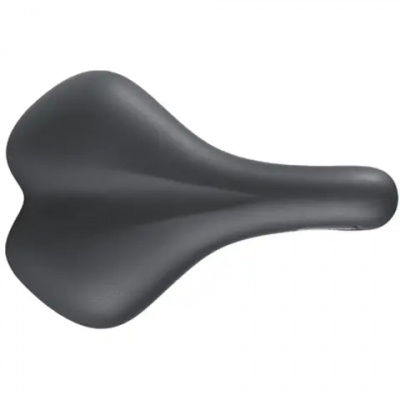
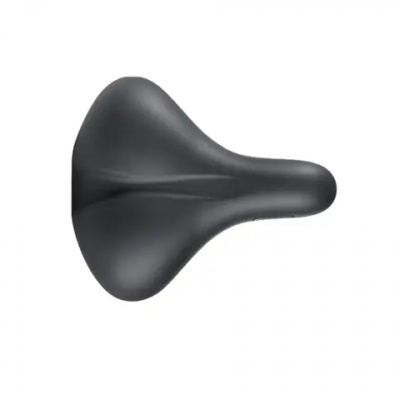
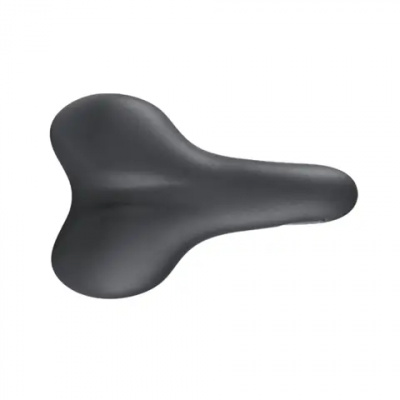
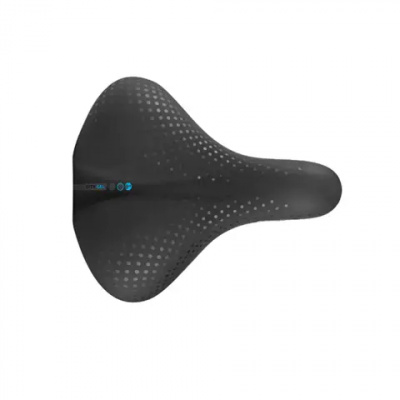
BioAktive saddles are Selle San Marco's dedicated comfort line, built for riders who'd rather arrive without wincing than chase a podium position. Where the rest of the San Marco range leans into race geometry, BioAktive goes the other way - wider profiles, generous padding, and engineering that actually thinks about how your pelvis moves rather than just where it sits.
The core of the range is Biodynamic Foam, a material that responds to pelvic rotation rather than just compressing under load, paired with strategically positioned gel inserts that can cut localised pressure by up to 40%. That's meaningful if you're doing five days a week on a potholed commute or grinding out a loaded touring route across the Cairngorms.
Models split across three riding positions - Sport, Trekking, and City - so there's a fit whether you're leant forward on a hybrid or sitting bolt-upright on a Dutch bike. City variants add elastomer shock absorbers at the rear for an extra layer of bump absorption on rough urban surfaces. Covers are synthetic and weather-resistant, which matters when you're riding through November in Leeds and the road is more grit than tarmac. These are saddles that take daily use seriously.
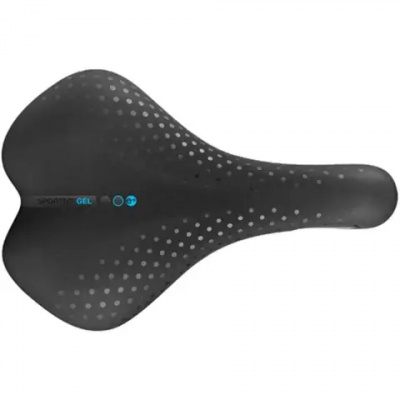
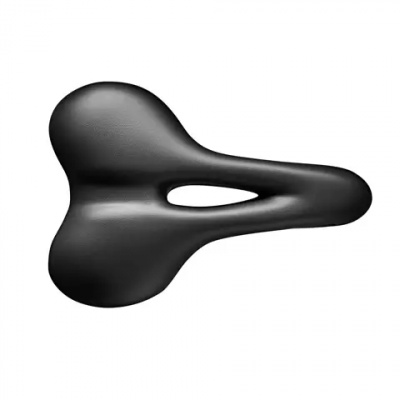
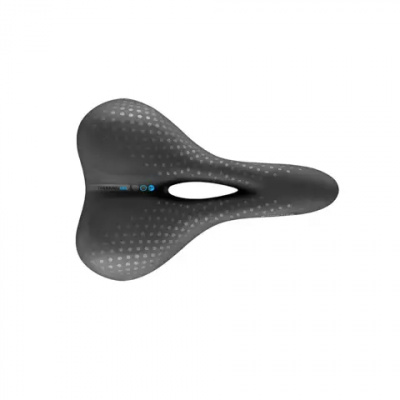
Prices and availability can change quickly. Delivery charges are not always included in listed prices.
Final price, stock status and delivery terms are set by retailer. We may receive a commission on purchases made.
Rail Standards and Seatpost Fit
BioAktive saddles run 7x7mm round steel rails as standard - the same spec you'll find across the vast majority of modern seatposts. Whether you're running a twin-bolt micro-adjust post or a single-bolt design, these rails will drop straight in. No adapters, no faff.
One thing worth knowing: if you're fitting a BioAktive saddle to an older commuter or vintage bike that still has a plain tubular seat pillar - the kind with a single pinch bolt and no cradle - you'll need a separate saddle clamp (sometimes called a 'guts' clamp) to hold the rails correctly. It's a cheap fix, but easy to overlook when you're ordering online. When you do tighten the rail clamp, keep to the torque figure stamped on your seatpost - typically 5 - 8Nm for alloy posts. Overtightening a clamping bolt onto steel rails won't feel like much at first, but it can deform the rail over time and cause creaking.
Steel rails do have one vulnerability on UK roads: winter salt. A light wipe of anti-corrosion spray or copper grease on the rail where it sits in the clamp costs nothing and keeps surface rust from taking hold between October and March. It's the sort of thing you do once and forget about.
Sport, Trekking, and City - Choosing the Right Profile
The BioAktive range is organised around pelvic rotation rather than just rider weight or padding thickness, which is a more honest way to approach saddle fit. Get the rotation angle wrong and no amount of gel will save you on a long ride.
Sport models target roughly a 45-degree forward lean - think fitness bikes, flat-bar hybrids, or anything where you're leaning into the bars with some purpose. The profile is narrower to give your legs room to pedal without rubbing, and the padding is firm enough that it doesn't deform under effort. If you're doing fast club rides on a hybrid or keeping pace on a canal towpath, this is the tier to look at first.
The Trekking range sits at around a 60-degree angle - a more relaxed forward position that suits loaded tourers, leisure bikes, and longer day rides where comfort over distance matters as much as efficiency. The rear section widens out to properly support your sit bones across the miles, and there's enough pedalling clearance that your inner thighs stay clear. This is probably the most versatile tier in the range for UK riding, covering everything from a loaded trip along the Way of the Roses to a Sunday leisure ride in the Cotswolds.
For fully upright riding - Dutch bikes, cruisers, city sit-up-and-beg designs - the City range is a different beast. A 90-degree upright position transfers nearly all your weight onto the saddle, which demands a wide rear platform and serious padding. City BioAktive models bring both, and add elastomer springs integrated into the rear shell to absorb the sharp jolts you get from drain covers and broken tarmac. It's a noticeably different ride feel compared to a standard foam-only saddle.
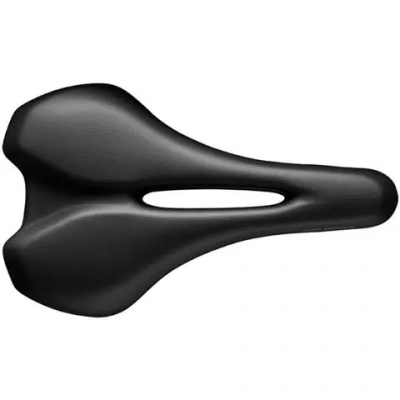
Across all three tiers, BioAktive offers both Open-Fit and Closed-Fit options. Open-Fit designs feature a central cut-out channel that removes pressure from the perineal area entirely - worth considering if you're spending more than 45 minutes in the saddle at a stretch or have previously had issues with soft-tissue numbness. Closed-Fit models distribute pressure more evenly across a broader surface and suit riders who find a cut-out uncomfortable. Neither is objectively better; it comes down to your anatomy and how you sit.
If you're also looking at alternatives, Ergon saddles take a similarly data-driven approach to sit bone width and pelvic rotation, and are worth comparing directly. Brooks saddles go the opposite direction with leather and spring suspension - slower to break in, but a strong option for long-distance touring. For a lighter, more modern foam-and-shell approach, Fabric saddles are well-regarded in the fitness and hybrid space.
Keeping a BioAktive Saddle in Shape Through a UK Winter
UK roads are genuinely harsh on saddles. The combination of road grit, standing water, and winter salt creates conditions that age components faster than dry-weather riding ever would. A few minutes after each wet ride makes a real difference over a season.
Road grit is the main mechanical threat to the saddle's side panels. When it works its way into the join between the cover and shell, it acts like a grinding paste as the cover flexes with your movement. Wiping the saddle down with a damp cloth after a wet ride - paying attention to the edges and underside - stops that grit from accumulating. It takes thirty seconds.
The synthetic covers on BioAktive saddles handle light rain and spray well. They're not fully waterproof, though. In sustained heavy rain, water can work through the stitching and reach the foam beneath. Wet foam takes time to dry and can start to deteriorate if it stays damp repeatedly. If your bike lives outside or you ride through serious downpours regularly, a waterproof saddle cover for storage is a sensible addition - and inexpensive. This is less of an issue for bikes kept indoors overnight.
On the rail corrosion point: the steel rails on BioAktive saddles won't rust quickly under normal use, but winter road salt is persistent. A wipe along the rails and a thin film of protection applied where the rails meet the clamp is worth doing once at the start of the winter season. If you do spot surface rust beginning to form, a light rub with fine wire wool followed by corrosion inhibitor will sort it before it progresses. Madison saddles are another range designed with UK commuting conditions in mind, if you want a direct comparison point on weather resistance.
Bioaktive Saddles FAQs
Are BioAktive saddles compatible with standard seatposts?
Yes - BioAktive saddles use standard 7x7mm steel rails that fit the vast majority of modern single-bolt and twin-bolt micro-adjust seatposts without any adapters. If your bike has an older plain tubular seat pillar rather than a cradle-style post, you'll need to pick up a separate saddle clamp to hold the rails correctly.
Which BioAktive saddle is best for upright commuting?
The BioAktive City range is the right call for a fully upright riding position - it's built around a 90-degree sit angle, with a wide rear platform, substantial gel padding, and integrated elastomer springs at the rear that take the edge off rough city roads. It's noticeably more comfortable than a standard commuter saddle on broken urban surfaces.
Are BioAktive saddles waterproof?
The synthetic covers repel light rain and road spray without issue, but they're not fully sealed against prolonged heavy rain - water can eventually work through the stitching and into the foam. For bikes stored outside or regular riding in serious downpours, a waterproof saddle cover is worth adding to the kit.