
Basil Frame Bags
Basil frame bags put your kit exactly where it needs to be - low in the frame triangle, close to the bike's centre of gravity, and well out of the way of your pedalling. That matters more than it sounds. A saddle bag that swings or a bar bag that pitches the front end are small annoyances on a good day; on a wet A-road or a loaded touring stretch, they become real problems. Basil sidesteps all of that by keeping weight centralised and handling predictable.
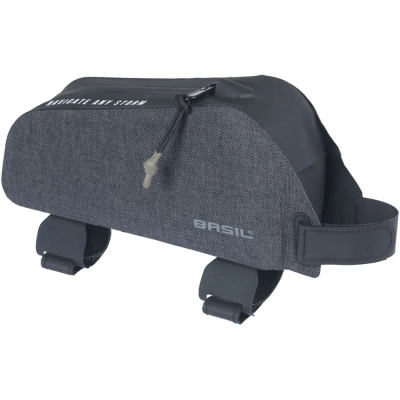
The range covers top tube bags for quick-grab essentials - phone, card, a couple of gels - and larger triangle bags for the denser stuff: spare tubes, a multi-tool, a mini-pump. Both use water-repellent polyester construction rated to IPX3, which handles the relentless British drizzle and road spray that would kill a lesser zip within a season. Reflective details are stitched into the fabric rather than bolted on as afterthoughts, which counts for plenty when you're grinding home through a dark January commute.
Built in the Netherlands with a clear eye on everyday utility, Basil's frame storage is practical, honest kit. Compare UK prices across the full range below.
Prices and availability can change quickly. Delivery charges are not always included in listed prices.
Final price, stock status and delivery terms are set by retailer. We may receive a commission on purchases made.
Getting the Fit Right: Measuring Up and Avoiding Rookie Mistakes
Before you buy, grab a tape measure. You want the internal length of your top tube, down tube, and seat tube in millimetres - not the external frame dimensions, but the actual usable space inside the frame triangle. Then factor in your water bottle cages. A full-size triangle bag on a compact frame with two cages fitted is a common combination that simply doesn't work; one of them has to give way.
Cable routing is the other thing worth checking before you commit. Older bikes with external cables running under the top tube can foul a top tube bag badly, both limiting access and causing wear where the housing rubs the bag's base. If your bike has full internal routing you're unlikely to have an issue, but on a hybrid or steel commuter from the last decade, run your finger along the underside of the top tube first. Check cable clearance on both the top tube and down tube if you're sizing a triangle bag - the last thing you want is a full load compressing a gear cable mid-ride.
If you're looking beyond the frame, Basil bar bags handle the quick-access stuff up front, while Basil pannier bags take on the heavier touring loads at the rear. Getting the combination right across all three mounting points is where a loaded commuter or tourer really comes together.
Sport Design, Miles, and Where Each One Makes Sense
Basil runs a clear product hierarchy, and understanding it saves you from buying more - or less - bag than you actually need. The Sport Design range is the workhorse tier. It uses abrasion-resistant, water-repellent polyester with Basil's anti-slip velcro mounting system and straightforward zip access. No frills, genuinely durable, and very well suited to a daily hybrid or urban commuter where scuff resistance matters more than weight savings. If you're locking your bike outside a station five days a week, this is your bag.
Step up to the Miles range and you're getting higher-grade fabric with a tighter weave, better zip quality - the difference is noticeable when you're running them through a wet winter - and a slimmer profile that suits road-geometry bikes and e-bikes more naturally. The Tone range leans into the high-visibility aesthetic more deliberately, with reflective panelling that's genuinely prominent rather than a token strip on the hem. For e-bike riders who tend to carry slightly more kit and ride in more varied conditions, the Miles and Tone options justify the step up in cost through longevity and weather performance alone.
The honest trade-off across all tiers: these aren't ultralight bikepacking bags. If you're counting grams for a multi-day gravel race, Apidura frame bags or Ortlieb frame bags will serve you better. Basil's strength is durability and everyday practicality - a different brief entirely. For commuter and touring use where robustness and value matter, they hold their own confidently against Altura frame bags in the same bracket.
Protecting Your Frame and Keeping the Zips Running
This is the bit most people skip until they've already scored their top tube. Wet silica grit from UK roads gets trapped between the bag's velcro straps and your frame, and once you're moving it acts like very fine sandpaper on the clearcoat. It's slow damage, but it's cumulative and it's entirely preventable. Apply a strip of helicopter tape - proper frame protection film, not electrical tape - to your top tube and down tube before the bag goes on. It takes ten minutes and it means your frame looks the same in three years as it does now.
The zips need attention too. After a wet commute, road muck works into the zip teeth and sits there. Every open-and-close cycle grinds it a little further in. Once a fortnight through winter, run an old toothbrush along the zip teeth to clear the grit, then apply a dry wax lubricant. Avoid oil-based lubes - they attract more grit and defeat the purpose. The IPX3 rating protects the bag's interior from spray and drizzle, but the zip is still the weakest point in any weather-resistant bag and it rewards basic maintenance.
One more practical note: if your bike has a dropper post cable or a dynamo wire routed along the frame, check strap positioning carefully. You want the velcro straps to bear on the frame tubes, not on cable housings. A small foam pad between strap and housing sorts it if clearance is tight.
For saddle-area storage to complement your frame setup, Basil saddle bags follow the same design language and mounting logic, which makes mixing across the range straightforward.
Basil Frame Bags FAQs
Do frame bags scratch your bike?
They can, yes - not the bag itself, but the wet grit that collects under the velcro straps acts like sandpaper on your frame's clearcoat over time. The fix is simple: apply helicopter tape (frame protection film) to the top tube and down tube before fitting any frame bag. It's cheap, invisible, and saves your paintwork.
What do you put in a bike frame bag?
Heavy, dense kit goes in the triangle bag - spare inner tubes, a multi-tool, mini-pump, tyre levers - because keeping that weight low and central keeps handling neutral. Top tube bags are better for quick-access items: your phone, keys, a card, or a couple of energy gels you want without stopping.
How do you measure a bike for a frame bag?
Measure the internal top tube, down tube, and seat tube lengths in millimetres, then check how much of that space your water bottle cages already occupy. Compare those figures against the bag's footprint dimensions. Also check that the bag's depth won't foul your knees on the upstroke - this catches people out on compact frames more than anything else.