
Barbie Kids Bikes
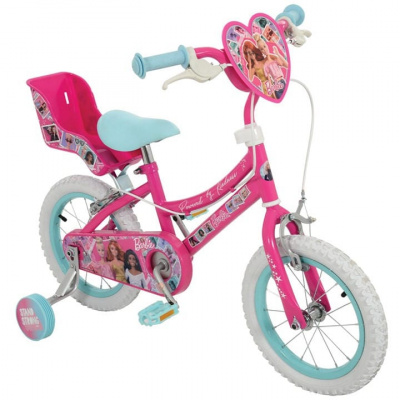
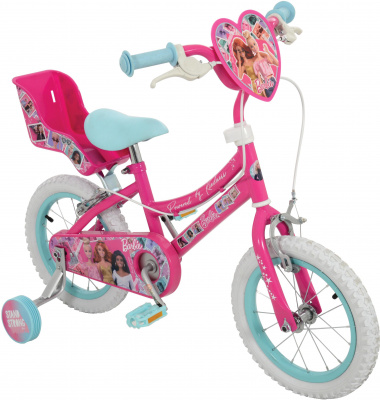
Barbie kids bikes turn that nerve-wracking first pedal moment into something a child actually wants to do. The licensing is bold and immediately recognisable, but what matters more is what's underneath it: geometry shaped around small riders, low standover heights that let little feet touch the ground with confidence, and safety features that genuinely make a difference. We're talking fully enclosed chain guards, wide-stance stabilisers, and short-reach brake levers sized for hands that haven't grown into gloves yet.
The range covers toddlers through to early primary school age. A 12-inch first pedal bike suits a child taking their first turns on the pavement, while 14-inch and 16-inch models grow with them as their confidence and leg length catch up. Whether you're after a Barbie bike with stabilisers for a cautious beginner or something they can progress onto once the stabilisers come off, there's a fit in the lineup. Wheel size dictates the right choice more than age alone - we'll explain that below.
Compare the best UK prices across the full Barbie girls bike UK range using the grid above, and read on to work out exactly which size suits your child right now.
Prices and availability can change quickly. Delivery charges are not always included in listed prices.
Final price, stock status and delivery terms are set by retailer. We may receive a commission on purchases made.
Decoding the Barbie Kids Bike Lineup
Wheel size is the number that actually matters here. Age guides on packaging are a starting point, nothing more - a tall four-year-old and a small six-year-old can easily end up on the same size bike. The Barbie lineup runs from 12-inch through to 16-inch wheels, and each step up represents a meaningful change in fit, not just a cosmetic upgrade.
The 12-inch models are built for ages three to five, roughly. These tend to come with puncture-proof EVA tyres - foam-filled, maintenance-free, and completely flat-proof, which is a sensible call for a bike that'll spend most of its life being abandoned on a wet front path. Some 12-inch options sit closer to a balance bike in geometry, keeping the bottom bracket low and the saddle easy to reach from standing. Good for building confidence before pedalling clicks.
Step up to a 14-inch wheel and you're into pneumatic tyres - proper air-filled rubber that rolls noticeably better on tarmac and absorbs the odd kerb edge more forgivingly than EVA. The Barbie 14 inch vs 16 inch bike question comes down to inside leg length. A 14-inch suits roughly ages four to six; 16-inch typically fits five to seven. Measure your child's inside leg in centimetres and compare it to the saddle height range listed in the spec. If they're between sizes, go smaller - a child who can flat-foot it on both sides will learn faster than one who's stretching. The 16-inch models also tend to have a slightly longer reach and heavier frame, which suits a child who's already got some pedalling confidence rather than one starting from scratch.
If your child has come through a balance bike, they may be ready to skip the 12-inch entirely and move straight onto a 14-inch with the stabilisers left off. Worth keeping in mind when you're comparing options - and worth looking at how Bluey kids bikes or Disney kids bikes size up if your child has strong character preferences beyond Barbie.
The Barbie Bike Tech Philosophy: Safety First
Kids' bike safety features get talked about in marketing terms a lot. Here's what they actually do in practice.
The short-reach caliper brake levers are the detail that gets overlooked most often. Standard brake levers are sized for adult hands - a child squeezing them with small fingers either can't generate enough force or has to let go of the bar to do it. Barbie bikes use levers with a reduced reach to the bar, meaning a five-year-old can actually brake properly rather than dragging their feet to stop. That matters on a wet UK pavement more than almost anything else on the spec sheet.
The fully enclosed chain guard does two jobs. It keeps the chain off trouser legs and school shoes - less trivial than it sounds when you're doing the school run on a bike - and it stops small fingers finding their way into the drivetrain. A printed guard also keeps the chain cleaner for longer, which means less maintenance for parents who aren't particularly mechanically minded. Practical on both counts.
Wide-stance stabilisers sit further out from the rear wheel than budget aftermarket options, which keeps the bike from tipping on slightly cambered pavements or grass edges. The tool-less or easy-remove design on most Barbie models means you can drop the stabilisers down a notch as confidence grows, then pull them off entirely when the time comes - no hunting for a spanner in the dark of a shed. It's a small thing, but it makes the transition feel gradual rather than sudden.
For a broader look at character-licensed kids' bikes with similar safety specs, Hello Kitty kids bikes and CoComelon kids bikes follow a comparable approach to stabiliser design and chain protection.
Living with a Barbie Bike in the UK
Steel frames are standard at this price point and size, and they're fine - but damp UK sheds are not kind to them over a winter. After wet rides, give the chrome parts and any exposed steel a quick wipe down before storing. A light spray of something like GT85 on the chain and any exposed bolts every few weeks will keep surface rust at bay. It takes two minutes and adds a year to the bike's life. The printed graphics on the frame and chain guard can peel if the bike spends months sitting in standing water, so keep it off the ground if you can.
Saddle height adjustment is straightforward on all models - a quick-release or hex bolt at the seatpost. Check it every couple of months because children grow faster than you'd expect, and a saddle that's too low means inefficient pedalling and a sore lower back before you've even noticed. Handlebar height is usually fixed or adjusted at the stem, so factor that in if you're buying ahead of a growth spurt.
On the 14-inch and 16-inch models, keep an eye on tyre pressure. Underinflated pneumatic tyres make pedalling noticeably harder - a child struggling to get moving on flat ground might just need 20 - 30 PSI in the tyres rather than a new bike. Check the sidewall for the recommended pressure range and pump them up before every few rides. It makes a real difference on British tarmac.
A Barbie balance bike or first pedal bike is only part of the safety picture. A properly fitted helmet is non-negotiable - have a look at Barbie kids helmets to keep the setup consistent and make sure your child is actually wearing something that fits correctly.
If you're weighing up alternative character options at the same size, Character kids bikes cover a wider licensing range and are worth a look before you commit.
Barbie Kids Bikes FAQs
What age is a 14-inch Barbie bike for?
A 14-inch Barbie bike broadly fits ages four to six, but inside leg length is the more reliable guide. Your child should be able to sit on the saddle and get both feet reasonably flat on the ground. If they're between sizes, go smaller - confidence comes from control, not reach.
Do Barbie bikes come with stabilisers?
Yes - 12-inch and 14-inch Barbie pedal bikes include wide-stance stabilisers in the box. They can be adjusted to different heights as your child gains confidence, then removed completely when they're ready to ride without them. Most models make that process straightforward without specialist tools.
How do you assemble a Barbie kids bike?
Most arrive around 85% built. You'll typically need to fit the handlebars, front wheel, pedals, and stabilisers. An adjustable spanner and a set of Allen keys cover most of it. Pay close attention to the left pedal - it's reverse-threaded, so it tightens anticlockwise. Get that wrong and it works loose on the first ride.