
B98 E-Bikes
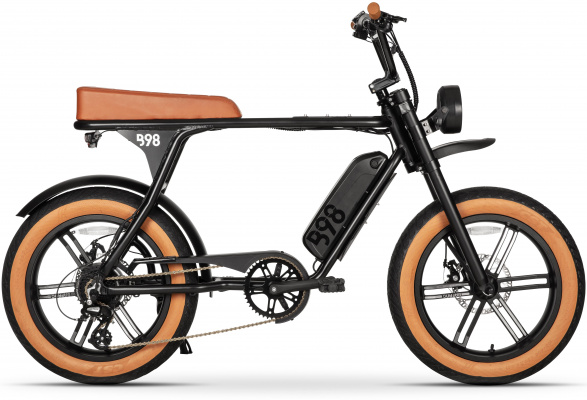
B98 E-Bikes sit in an interesting part of the market: performance-focused electrics that don't treat the motor as an afterthought bolted to an ordinary frame. Whether you're chasing a sweat-free commute into the office or looking to squeeze in more climbing on a two-hour trail window after work, the range covers both ends of that spectrum properly.
The core appeal is balance - literally. B98's Core-Integrate Battery Housing drops the battery low and central in the frame, so the bike doesn't feel like it's fighting you through corners or on steep kick-ups. Pair that with mid-drive motors producing up to 85Nm of torque and you've got a package that moves with you rather than dragging you along.
What makes B98 worth a serious look for UK riders specifically is the attention to the details that our weather punishes. Oversized, sealed bearings, proper mud clearance, and thermally managed battery housings all point to a brand that's thought about January rides, not just summer launches. The lineup runs from urban commuters to full-suspension trail machines, so there's a logical entry point wherever you're coming from.
Prices and availability can change quickly. Delivery charges are not always included in listed prices.
Final price, stock status and delivery terms are set by retailer. We may receive a commission on purchases made.
Mapping the B98 Range: City, Trail, and Everything Between
B98 organises its e-bikes into two broad families, and knowing which side of that line you're on saves a lot of head-scratching. The City-oriented models are built around comfort geometry, integrated lighting, and smooth, low-maintenance drivetrains - think flat bars, swept-back positioning, and enough assist range to handle a 12-mile daily commute without watching the battery indicator anxiously. The Trail models are a different animal: longer reach numbers, slacker head angles, and suspension travel that starts at 120mm and climbs from there on the more aggressive builds.
Within each family, trim levels follow a fairly consistent pattern. Comp builds use hydroformed alloy frames with mid-tier suspension components and mechanical shifting - solid, dependable, and the right starting point if you're new to assisted riding. Pro builds move to carbon frame layup with top-tier wireless groupsets and upgraded suspension hardware. The weight saving matters more on an e-bike than you might expect; less rotating and unsprung mass means the motor's assistance feels crisper rather than just masking a sloppy chassis.
If you're weighing up alternatives at a similar level, Cube E-Bikes offer a comparable tiered structure and are worth benchmarking against the Comp-level B98 builds on spec-per-pound. At the performance end, Amflow E-Bikes are another brand pushing carbon integration hard if the Pro Trail models catch your eye.
What the Tech Actually Does on a Ride
B98 leans heavily on three proprietary technologies, and it's worth understanding what each one contributes rather than treating them as badge-engineering. The Core-Integrate Battery Housing isn't just about aesthetics - positioning the battery mass low and central genuinely changes how a heavy e-bike handles. On a switchback descent or a tight singletrack line, you're not wrestling a high centre of gravity; the bike sits planted and follows your inputs predictably. That's a real difference you'll notice on the first technical section, not just in a car park figure-of-eight.
The Kinetic-Drive Suspension Linkage addresses a problem specific to e-MTBs: the extra mass (often 5 - 7kg over a comparable acoustic bike) means suspension kinematics need to work harder to manage squat under power and maintain sensitivity over rough ground. B98's anti-squat optimisation keeps the rear wheel in contact with the ground when you're putting in hard pedal strokes on a rooty climb - rather than bobbing uselessly through each pedal cycle. Think of it as the suspension doing its actual job instead of just soaking up the bike's own weight.
Motor choice across the range pulls from Bosch CX and Shimano EP8 systems depending on the model. Both deliver in the 85Nm torque bracket, which is the figure that matters on a 20% incline with a loaded bag or soggy kit adding to your own weight. The Bosch CX has a reputation for a more natural, road-like cadence; the EP8 is lighter and tends to feel more immediate in its power delivery. Neither is a wrong answer - it's a matter of riding style. The Aero-Alloy Hydroforming process used around the motor mount area reinforces what's typically the highest-stress point on any e-bike frame, keeping weld integrity solid over years of torque loading and rough-road vibration.
Pedal assist range across the Trail line runs from approximately 500Wh to 750Wh depending on build level. In practical terms, 625Wh in Tour mode on mixed trail riding will see most riders through 50 - 60 miles before needing to plan a charge. Drop into Turbo for every climb and that shrinks; stay in Eco on flat sections and it stretches.
Running a B98 Through a British Winter
Geometry first: the Trail models run true to size across the range, so if you're usually a medium on other brands you'll land on a medium here. The City models have a slightly more relaxed fit that suits a wider range of riders per size band - if you're between sizes on a commuter, size down for a more responsive feel, size up if you prioritise comfort over long days.
Cold weather does blunt battery performance. It's not a B98-specific issue - it's chemistry - but the thermal-lined downtube design helps maintain Wh efficiency during sub-5°C commutes in a way that uninsulated frames don't. You'll still lose some capacity at 2°C on a January morning, but the drop is noticeably less severe than on bikes without that thermal management. Keep the bike in a hallway rather than an unheated garage overnight if range matters on your morning commute.
The IPX-rated motor sealing and oversized pivot bearings are genuinely relevant here rather than marketing footnotes. Scottish riding - Glentress in October, say, or a Tweed Valley loop in persistent drizzle - will pressure-test every seal on a bike. Gritty water ingress into motor housings and pivot bearings is one of the leading causes of premature wear on e-MTBs. B98's upgraded bearing seals are built for repeated hose-downs and prolonged wet exposure, which means your maintenance intervals stay sensible rather than becoming a weekend job in themselves.
Mud clearance out back is generous enough to handle proper winter clay without packing up around the tyre - the frame yoke design gives the wheel room to breathe even with a chunky 2.4-inch rear tyre fitted. That's not a small thing if you're riding anything like a South Downs bridleway in February or a typical trail centre after three days of rain.
For comparison on durability and weather handling, Cannondale E-Bikes and Boardman E-Bikes are the other brands we'd put alongside B98 when UK-specific build quality is the deciding factor. All three take sealing and mud clearance seriously; the differences come down to geometry preference and motor system choice rather than one being obviously tougher than another.
One practical note on servicing: the internal cable routing is clean and tidy from the factory, but bleeding brakes or replacing a rear derailleur cable on a fully integrated frame takes longer than on a traditionally routed bike. It's not a dealbreaker, but factor in a slightly longer service time - and cost - if you're budgeting for annual professional maintenance.
Related searches:
B98 E-Bikes FAQs
Are B98 e-bikes any good for off-road riding?
The B98 Trail models are genuinely capable off-road. Progressive geometry, Kinetic-Drive suspension kinematics optimised for heavier e-bike mass, and a low centre of gravity from the Core-Integrate Battery Housing all add up to a bike that handles technical descents and rooty climbs without feeling unwieldy. They're not just assisted hardtails - the full-suspension builds are built for real trail riding.
What motor and battery system do B98 electric bikes use?
B98 e-bikes use mid-drive motors from Bosch (CX system) or Shimano (EP8), depending on the model. Both deliver up to 85Nm of torque. Batteries are frame-integrated and range from 500Wh on entry builds to 750Wh on higher-spec Trail and City models, with thermal management built into the downtube to protect performance in cold conditions.
How far can a B98 e-bike go on a single charge?
Real-world range sits between 40 and 80 miles depending on the battery size, assist level, rider weight, and how much climbing is involved. A 625Wh build on mixed trail riding in Tour mode will typically return 50 - 60 miles. Cold UK winters will reduce that, but B98's thermal-lined downtube helps limit the drop compared to uninsulated designs.