
Argon 18 Road Bikes
Argon 18 road bikes are built around a single idea that Montreal engineers have quietly obsessed over for decades: balance. Not just weight versus stiffness, or aero versus comfort, but the kind of precise, considered balance that makes a bike feel natural at 18 mph on a wet B-road and equally capable at 40 mph on a fast descent. That philosophy has earned the brand a genuine WorldTour presence and a loyal following among riders who've grown tired of frames that chase one number at the expense of everything else.
The current road lineup covers three distinct briefs. The Sum is Argon 18's refined aero and lightweight all-rounder, built for riders who want speed without the handling compromises that plagued older deep-section designs. The Gallium remains the brand's celebrated climbing and race geometry platform, sharp and light. The Krypton takes a more considered approach to endurance riding - wider tyre clearance, compliance-focused carbon, and geometry that won't have you wincing after four hours in the saddle.
Each model runs across Pro, Elite, and CS build tiers, so whether you're speccing a full WorldTour-grade machine or buying your first quality carbon road bike, there's an entry point that makes sense. Browse the full range below and compare UK prices across the lineup.
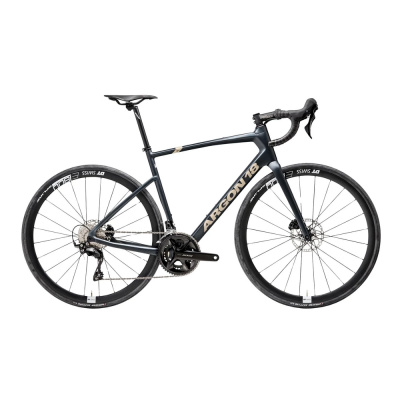
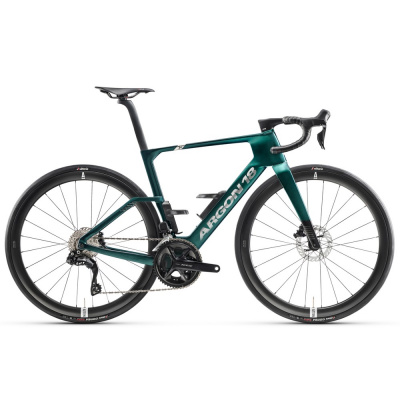
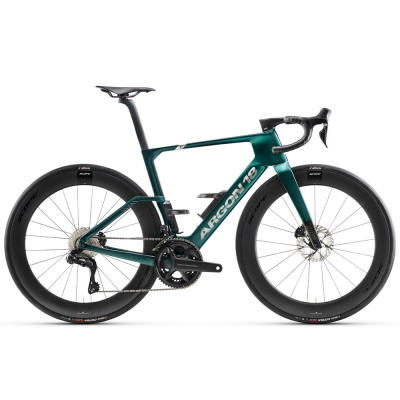
Prices and availability can change quickly. Delivery charges are not always included in listed prices.
Final price, stock status and delivery terms are set by retailer. We may receive a commission on purchases made.
Decoding the Argon 18 Road Lineup
Three families, three distinct jobs. The Sum is the headline act right now - Argon 18's answer to the modern aero road bike that's actually pleasant to live with. It replaces the older Nitrogen and takes a more intelligent approach to aerodynamics, pairing tube shapes optimised for real-world yaw angles with a weight penalty that won't have you cursing on the first climb out of the valley. It's the bike for riders who want one frame that handles a fast sportive, a punchy club run, and the odd Wednesday evening race without making too many compromises.
The Gallium is the brand's longer-standing race platform. Lightweight, stiff through the bottom bracket, and with a geometry that puts you over the front wheel where a climber wants to be. If your rides involve significant ascent - think the Cairngorms or the cols of a Alpine trip - and you're prepared to accept a slightly more committed position, the Gallium rewards that choice clearly. The Krypton sits at the other end of the aggression dial. Endurance geometry, clearance for up to 32c tyres (more on that shortly), and carbon layup specifically engineered to filter road chatter. It's the one to look at if your local roads resemble a poorly maintained car park rather than a smooth circuit.
Across all three models, Argon 18 runs three build tiers. Pro is the top-end layup - the same carbon specification used by WorldTour teams, genuinely light, genuinely stiff. Elite uses the same geometry and handling characteristics but with a slightly heavier layup that brings the price down meaningfully without changing how the bike feels to ride. CS is the entry carbon tier, a sensible starting point for riders moving up from aluminium. Critically, the Argon Fit System (AFS) geometry philosophy runs through all three tiers - handling characteristics are maintained across sizes, so a medium doesn't ride like a completely different bike to an extra-large.
Racing against the clock or heading off the tarmac? Check out our dedicated Argon 18 Time Trial & Triathlon Bikes or Argon 18 Gravel Bikes collections.
The Tech Behind the Ride Feel
Argon 18's most distinctive piece of engineering is the 3D System headtube. Standard headsets use carbon spacers to raise handlebar height - functional, but those spacers are inherently flexy, and every millimetre of stack you add costs you a little front-end precision. The 3D System replaces those spacers with a structural extension of the headtube itself. The result is up to 11% more stiffness at 25mm of height adjustment compared to a conventional spacer setup. For the rider, that means you can set the bars where your back and shoulders actually want them - without the steering becoming vague. It's a genuinely useful piece of kit, not a marketing concept.
What does the Argon 18 3D System do in practice? It lets you run a more upright position without compromising the directness of the steering. That matters on fast descents, in crosswinds, and any time you're asking the front end to hold a line accurately. Riders who've set up bikes with tall spacer stacks will notice the difference immediately.
On the Krypton, the relevant technology is the Topological Compliance System (TCS). This is a carbon layup strategy rather than a bolt-on component - Argon 18 engineers the flex characteristics of specific frame tubes so they absorb vibration vertically without sacrificing lateral stiffness during sprinting or hard cornering. Think of it as the difference between a frame that just happens to be a bit compliant because it's light, and one where compliance has been deliberately dialled in at the design stage. Power still goes where you intend it; the road buzz just doesn't travel up your arms for the full four hours.
The Pro, Elite, and CS carbon layup tiers aren't just about weight - they reflect different fibre orientations and resin systems that affect how each frame transmits load. The Pro layup uses higher-modulus carbon with tighter tolerances. Perceptible difference on back-to-back rides? Probably yes at the Pro end. Worth the extra cost over Elite for most riders? That depends entirely on what you're asking the bike to do and how often.
Running an Argon 18 on UK Roads
The Krypton's tyre clearance is the first thing worth talking about if you ride anywhere outside of smooth tarmac. Depending on the generation, you're looking at clearance for 32c or wider - enough to fit a proper 28c winter tyre with room to spare, or to run 32c gravel-adjacent rubber on the kind of B-roads you find across the Pennines or the Welsh borders. On UK lanes, that's not a niche feature. Potholed tarmac and heavily chipped surfaces are the norm for most of us, and the combination of the Krypton's TCS carbon and a slightly wider tyre transforms what would otherwise be a tiring, hand-numbing experience into something genuinely enjoyable. Worth factoring in when comparing it against more race-focused options like the Cervélo road range or BMC's road lineup.
The integrated cockpits on the Sum and the newer Gallium builds deserve a honest word. They look clean - properly clean, the kind of front end that makes even experienced riders stop and stare in the bike shop. Cable routing is entirely internal, the bar-stem interface is a single unit, and the whole assembly is aerodynamically coherent. The trade-off is maintenance. Replacing headset bearings after a winter of gritty British riding is not a ten-minute job. If you're comfortable with a torque wrench and have a decent set of workshop tools, it's manageable. If your bike normally goes straight to the local shop for anything more complex than a puncture, factor that into your running costs. It's not a reason to avoid these bikes - just something to plan for.
Exposed coastal riding and moorland crosswinds are where the Sum's aero profile earns its keep. Unlike older deep-section aero bikes that could feel skittish in a crosswind, the Sum's tube shapes are designed with stability at real yaw angles in mind. You still feel the gust, but the bike doesn't lunge towards the verge. That's a meaningful difference on a long exposed stretch of road in the kind of weather the north of England and Scotland routinely produce.
If you're considering buying just the frame to build up yourself, the Argon 18 framesets page is worth a look - it's a popular route for riders who already have a groupset and just want the carbon upgrade. For comparison against other premium frameset options, Factor's road bikes occupy a similar premium space and are worth considering alongside.
Argon 18 Road Bikes FAQs
Are Argon 18 bikes good?
Consistently, yes. Argon 18 is a Canadian brand with genuine WorldTour racing pedigree and a strong track record in Olympic track cycling. Their carbon engineering is meticulous, and the proprietary fit systems - particularly the AFS geometry and 3D System headtube - reflect a brand that thinks carefully about how bikes actually handle across different rider sizes and positions, not just how they look in a press photo.
What is the difference between Argon 18 Gallium and Krypton?
The Gallium is a lightweight race and climbing bike - aggressive geometry, stiff layup, designed to respond sharply when you put power down. The Krypton is built for longer days on rougher roads: more relaxed geometry, Topological Compliance System carbon to filter vibration, and clearance for wider tyres. If your rides are punchy and fast, Gallium. If they're long and lumpy on questionable tarmac, Krypton.
What does the Argon 18 3D System do?
It structurally extends the headtube instead of using traditional carbon spacers to raise handlebar height. Standard spacers introduce flex at the front end - the 3D System eliminates that, delivering up to 11% more stiffness at 25mm of height adjustment. The practical result is that you can set the bars where your body actually needs them without losing steering precision or front-end stiffness.