
Altura Trousers
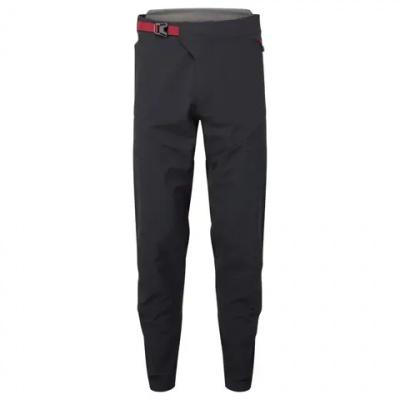
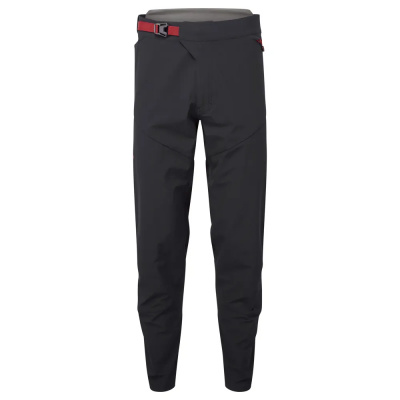
Altura cycling trousers are built around a straightforward premise: UK riding is unpredictable, and your legwear needs to keep pace with it. Whether that means navigating greasy city streets on a dark November morning or grinding up a churned-up winter trail, the range covers both without forcing you to choose between function and fit.
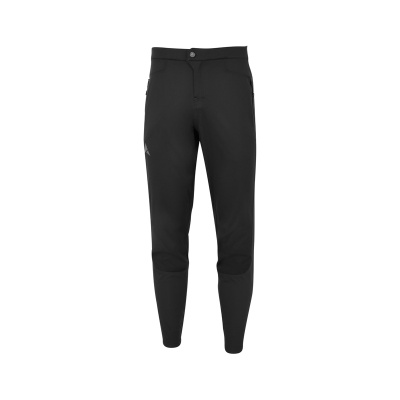
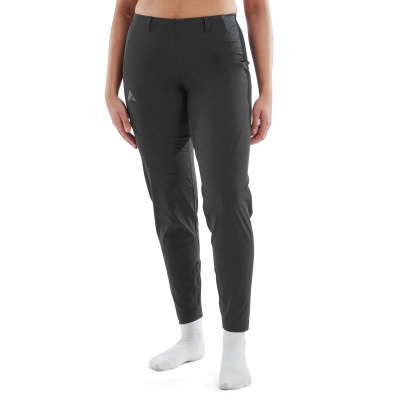
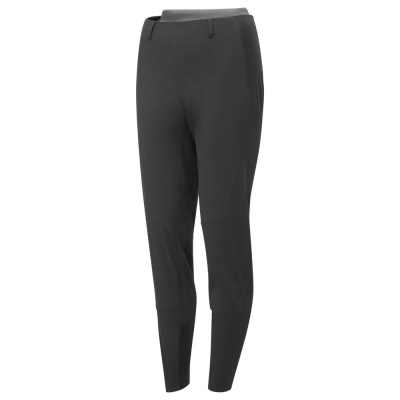
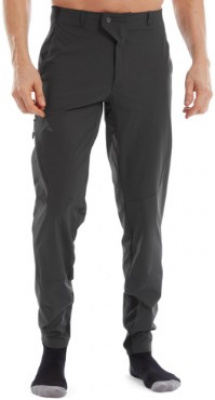
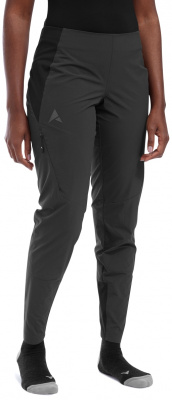
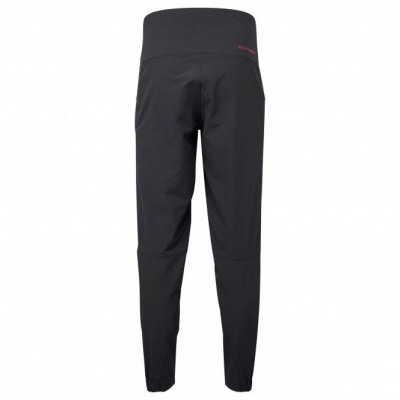
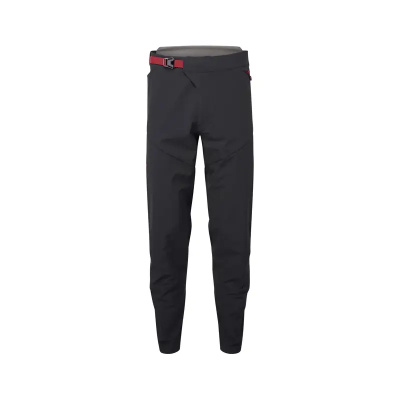
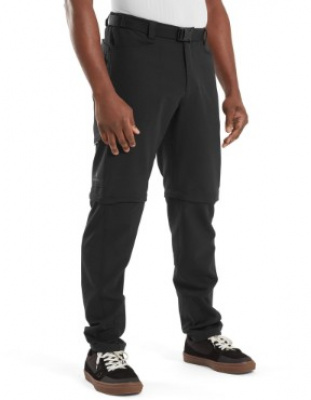
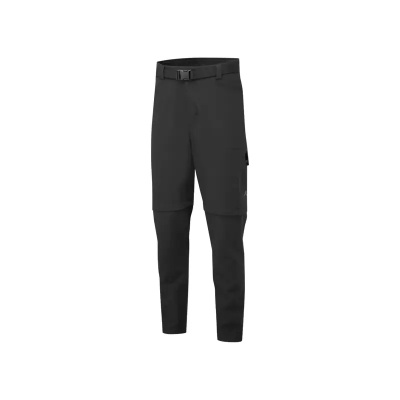
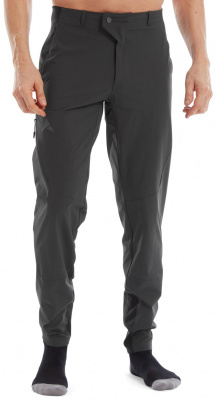
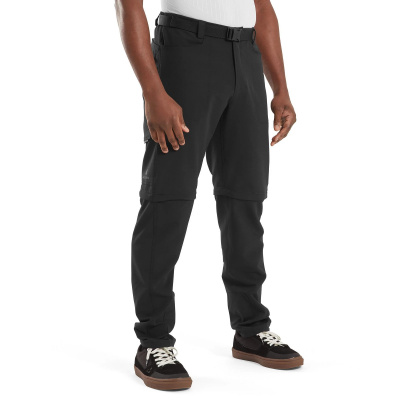
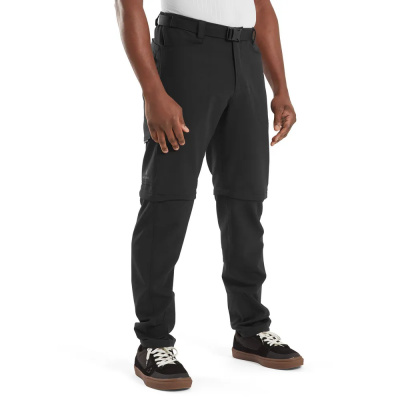
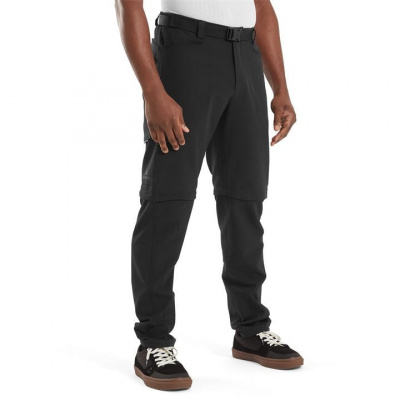
Across the Nightvision and Esker lines, you get 4-way stretch fabrics that move with you rather than against you, articulated knees that let you push into a steep climb without the fabric pulling tight, and tapered ankles cut close enough to stay well clear of your chain. A DWR coating handles the persistent drizzle that defines most British rides - the kind of weather that isn't quite bad enough to justify full waterproofs but will soak through regular cotton inside a mile.
The fit is genuinely considered, too. These aren't repurposed workwear or hiking trousers with a cycling label stitched in. Pedal clearance, freedom through the hip, and enough structure to look reasonable off the bike - Altura has thought about all of it. If you want a trouser that works from the bike rack at the office to a late-autumn lap of the local trails, this is a solid place to start.
Prices and availability can change quickly. Delivery charges are not always included in listed prices.
Final price, stock status and delivery terms are set by retailer. We may receive a commission on purchases made.
Fabric Tech and Weather Performance
Most Altura cycling trousers use a 4-way stretch ripstop fabric as their foundation. Ripstop means the weave is reinforced at regular intervals so a snag on a bramble or a bash against a rock doesn't turn into a tear - useful when you're pushing through overgrown singletrack or clipping a dry-stone wall on a narrow lane. The stretch in all four directions means you're not fighting the fabric when you drop into a low pedalling position or step over the bike.
The DWR (Durable Water Repellent) finish sits on top of that base fabric and causes water to bead and run off rather than soak straight through. It handles road spray and persistent light rain well. What it won't do is cope with a sustained downpour - if you're heading out into the kind of rain that has proper intent behind it, you'll want to add a set of Altura overtrousers over the top. Those use fully bonded, waterproof membranes with taped seams - a different product entirely, designed as an emergency shell rather than a standalone riding layer.
Breathability is the other side of that equation. A weather-resistant fabric that doesn't breathe just moves the problem - you stay dry from the rain but soak through from the inside on any climb worth the name. Altura's ripstop constructions are meaningfully more breathable than coated nylon shells, so you get ventilation when you're working hard without sacrificing the protection when you ease off at the top.
Making Sense of the Range
Altura splits its trouser range broadly into two camps, and knowing which one you're shopping in saves a lot of second-guessing.
The Nightvision line is built around the commuter. The fit is relaxed enough to wear over work clothes or padded liner shorts, and the cut prioritises comfort across a range of body shapes rather than a race-snug profile. The standout feature is the Nightvision reflectivity - retroreflective panels and binding stitched into the design so that headlights at a junction pick you up from a useful distance, not just at close range. For riders doing regular dark-morning or post-work rides in autumn and winter, that 360-degree visibility integration matters more than most people expect until they've ridden without it.
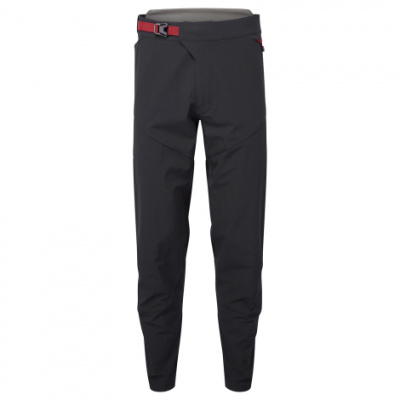
The Esker line takes a different angle. These are Altura MTB trousers designed for trail and off-road use, with abrasion-resistant panels where you're most likely to make contact with the ground and a fit shaped around wearing low-profile knee pads underneath. The articulated knees are more pronounced here - the pre-shaped cut means the fabric sits correctly when you're in an aggressive riding position rather than pulling flat across the joint. The ankle taper is sharp enough that chain catch simply isn't an issue. It's a small thing until it isn't.
Whichever line you're in, the tapered fit through the lower leg is a consistent feature. That's not just aesthetics - it's the difference between a trouser that needs a velcro strap to stay safe near a drivetrain and one that handles it by design. Pair either range with Altura jackets in the same line and you get a consistent weather-resistance spec across the outfit, which matters when you're trying to match DWR performance layer to layer.
If you're looking at comparable options from other brands, Altura's own tights range is worth considering for rides where you want a closer, more compressive fit - particularly useful if you're after something that doubles as a road and commuter layer without the baggier MTB silhouette.
Layering, Washing, and Getting the Most Out of Them
Deep winter riding in the UK - think a damp January morning on the South Downs or a pre-dawn Peak District loop - asks more of your legwear than a DWR finish alone can deliver. The practical answer is layering. Wearing a set of Altura base layers underneath adds meaningful warmth without bulk, and because they're designed to work together, you don't end up with bunching behind the knee or restricted movement at the hip. It's worth starting with a lighter base layer than you think you need - you warm up faster on the bike than on foot, and overheating on the first climb is its own problem.
On the feet, Altura overshoes close the gap at the ankle and stop the cold tracking up from your shoes - particularly relevant when you're running the Nightvision trousers in a relaxed fit that doesn't seal tightly around the cuff.
Washing is where a lot of riders inadvertently wreck their DWR performance without realising it. Biological detergents break down the DWR coating over time - the enzymes that deal with protein stains also strip the water-repellent chemistry from the fabric surface. Use a dedicated tech-wash instead (non-bio at minimum), and tumble dry on a low heat or iron on a low setting after washing. Heat reactivates the DWR molecules and restores much of the beading performance. It sounds fiddly, but it genuinely extends the life of the coating and means you're not wondering why your trousers feel damp six months into ownership.
If the DWR has degraded past the point of reactivation, a wash-in or spray-on DWR re-proofer will bring it back. It's a five-minute job and significantly cheaper than replacing the trousers.
Altura Trousers FAQs
Are Altura cycling trousers waterproof?
Not fully waterproof - but that's by design. Most Altura cycling trousers carry a DWR coating that deals confidently with light rain and road spray while keeping the fabric breathable on climbs. For sustained downpours you'll want to add dedicated <a href="https://bikesy.co.uk/b/altura/overtrousers/">Altura overtrousers</a>, which use waterproof membranes and taped seams built for proper wet weather.
How do Altura MTB trousers fit?
Altura MTB trousers - particularly the Esker range - use a relaxed but tailored cut with articulated knees shaped around low-profile knee pad use. The fit is roomy through the thigh and hip for freedom of movement, then tapers sharply at the ankle to keep fabric away from the drivetrain. They're not baggy, but they're not race-tight either.
What is the difference between cycling trousers and overtrousers?
Cycling trousers are a standalone riding layer - worn next to the skin or over padded liner shorts, with stretch fabrics and a shaped fit for active pedalling. Overtrousers are a pull-on waterproof shell layer designed to go over whatever you're already wearing when the weather turns. They're emergency kit, not everyday riding kit.