
Alpinestars Gloves
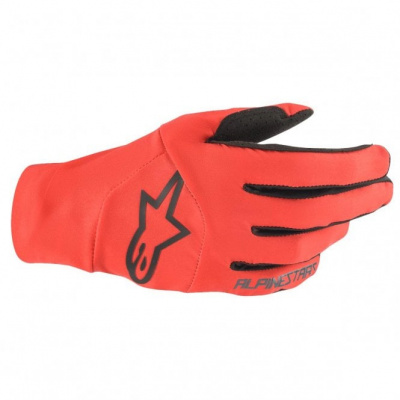
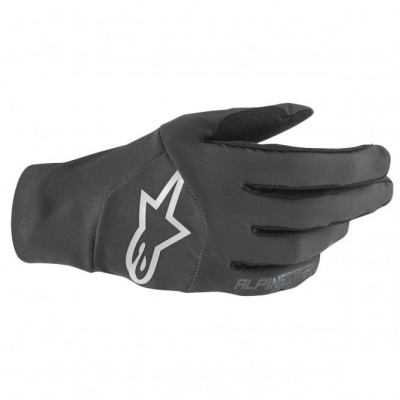
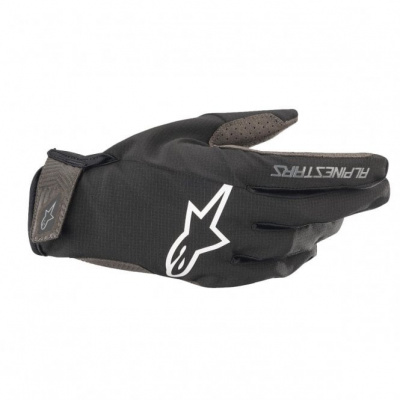
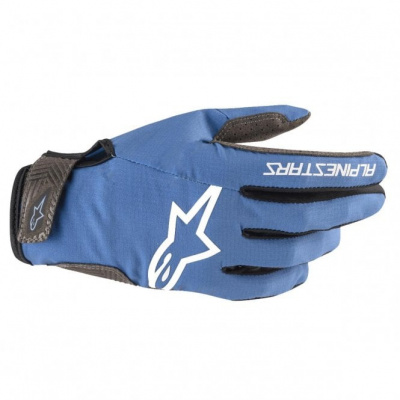
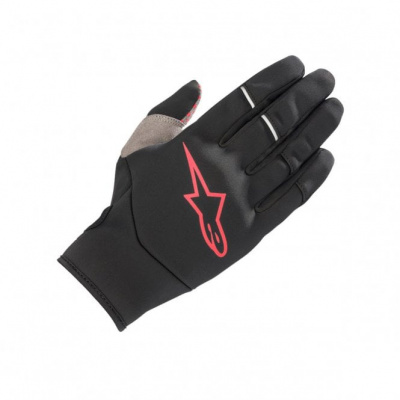
Alpinestars MTB gloves have earned a serious following on UK trails, and it's not hard to see why once you look at what's actually going on in the construction. The Clarino synthetic suede palm is the headline act - it gives you that tactile, direct connection to the bars without the bulk that causes pressure points on longer rides. Stretch mesh backhands keep things breathing when you're grinding up a long fire road, and silicone print zones on the braking fingers mean your hands stay locked to the levers even when it's chucking it down on a greasy Welsh descent.
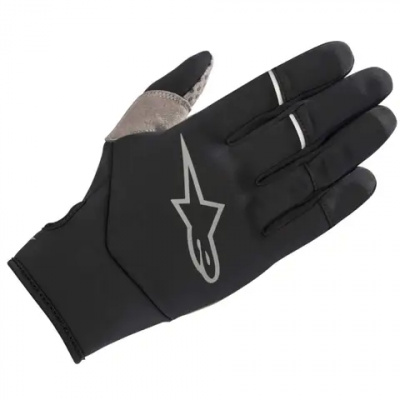
Touchscreen-compatible fingertips are woven into most models, so checking your Komoot route mid-ride doesn't mean wrestling your gloves off in the cold. TPR knuckle inserts add a layer of protection for those moments when the trail bites back - a bramble hedge or a poorly judged rock garden, take your pick. Whether you're after a featherlight slip-on for summer XC laps or a chunkier Enduro glove that can handle a proper beating, there's a model in the range that fits the brief. The key is knowing which one suits your riding before you buy.
Prices and availability can change quickly. Delivery charges are not always included in listed prices.
Final price, stock status and delivery terms are set by retailer. We may receive a commission on purchases made.
Fabric Tech and What It Means on the Trail
The Clarino synthetic suede palm is the foundation of the Alpinestars glove range. Unlike natural leather, it doesn't stiffen up after repeated washing - a genuine consideration when you're hosing off Peak District grit every other weekend. It beds in quickly, giving you a consistent, tactile bar feel from the first ride without a lengthy break-in period. There's no excess material to bunch up under the heel of your hand, which matters on longer rides where even small pressure points become big annoyances.
Flip the glove over and the stretch mesh backhand does proper work. It moves moisture away during hard efforts and lets heat escape so your hands don't end up swamped. On a humid summer climb through the Surrey Hills, that breathability is the difference between comfortable hands and a clammy mess by the top. The silicone grip print on the index and middle fingers is a quietly important detail. Wet brake levers are a fact of life on UK trails, and those silicone zones keep your fingers from sliding at the worst possible moment. Paired with TPR knuckle inserts - thermoplastic rubber moulded sections that sit over the knuckle line - you've got meaningful protection against trail-edge impacts without the glove feeling armoured or restrictive. It's a sensible balance of protection and dexterity, not one at the expense of the other.
If you're comparing with alternatives like Fox gloves or Leatt gloves, the Alpinestars approach leans slightly more toward bar feel and fit precision, whereas some competitors prioritise armour coverage at the cost of dexterity. Neither is wrong - it depends on the riding you're doing.
How the Range Breaks Down and Finding Your Fit
Alpinestars splits its glove line broadly by discipline and closure style, and understanding that split saves you buying the wrong tool for the job. At the lighter end, slip-on designs like the Aspen and Drop lines are aimed squarely at XC and trail riders who want minimal interference. No Velcro tab, no fussing - you pull them on, they stay put, and you forget you're wearing them. The slip-on Neoprene cuff sits cleanly against your wrist without bulk.
Step up to the Tahoe and Tech lines and the gloves get more structured. A Velcro wrist closure locks things down for Enduro and DH use, and the TPR coverage increases accordingly. These are the gloves for riders who are regularly in contact with the ground or the undergrowth, where a bit of extra armour earns its weight. The trade-off is predictable: slightly warmer, slightly less dexterous. For most UK trail centre riding, the mid-range models hit a reasonable point between the two.
On sizing, Alpinestars MTB gloves run true to size with a snug, performance-oriented cut designed to prevent palm material bunching. If you're between sizes or you have wider hands across the knuckle line, size up. The fit is intentionally close, so a glove that feels slightly tight in the shop will be uncomfortable after an hour on the bike. Check the Alpinestars glove sizing guide before ordering - the brand publishes hand circumference and length measurements, and it's worth five minutes with a tape measure rather than a return trip. Riders coming from 100% gloves or Endura gloves may find the Alpinestars cut marginally slimmer through the fingers, so bear that in mind if you're switching brands.
Washing, Layering, and Getting the Most Out of Them
UK riding is hard on gloves. Abrasive grit works into the palm material, silicone grip zones take a hammering, and if you're riding through winter, the gloves are going through the wash constantly. The good news is Alpinestars full finger gloves handle machine washing well, provided you do it sensibly. A cool, gentle cycle at 30°C shifts the mud without stressing the synthetic fabrics or degrading the silicone print. Always air dry - hanging them away from a radiator rather than draping them on one. Direct heat is what cracks the silicone grip zones and warps the TPR inserts over time. It's an easy thing to get wrong.
For Alpinestars winter cycling gloves or any model with a Neoprene cuff, the fit under a jacket sleeve is genuinely considered. The cuff profile is designed to tuck cleanly under a close-cut Alpinestars jacket without creating a gap at the wrist where cold air and water get in. If you're layering on a cold morning start in the Cairngorms or heading out for a winter spin where the temperature drops mid-ride, that seal matters. Pairing gloves with Alpinestars jerseys and Alpinestars MTB baggy shorts also gives you a consistent fit system across the range, which isn't just brand loyalty - the cut is calibrated to work together.
Alpinestars summer MTB gloves in the slip-on range don't need any special treatment beyond the wash routine above. The moisture-wicking mesh backhands dry quickly, so even a mid-week ride followed by a quick rinse has them ready for the weekend. One thing worth knowing: don't tumble dry any model. The combination of heat and mechanical agitation is the fastest route to a degraded palm and loose silicone print.
Alpinestars Gloves FAQs
Are Alpinestars cycling gloves true to size?
Generally, yes. Alpinestars MTB gloves are cut snug to stop palm material bunching on the bars. If you're between sizes or have broader hands across the knuckles, go up a size - a glove that pinches in the car park will be genuinely uncomfortable after an hour's riding.
Can you wash Alpinestars MTB gloves?
Yes - machine wash on a cool, gentle cycle at 30°C to shift mud and grit without damaging the fabrics. Always air dry away from direct heat. Radiators and tumble dryers are the main culprits for cracking silicone grip zones and warping the TPR knuckle inserts over time.
Are Alpinestars gloves touchscreen compatible?
Most current Alpinestars cycling gloves use conductive thread woven into the thumb and index fingertip. That means you can operate a smartphone or GPS computer without pulling your gloves off. Worth checking the individual model spec if it's a priority, as older or entry-level models may not include it.