
Alpina Sunglasses
Alpina cycling sunglasses have built a serious reputation among road riders and trail dogs alike, and the optics are genuinely the reason why. Where a lot of eyewear brands sell you a tinted lens and call it a day, Alpina leans hard into adaptive technology - most notably their Varioflex photochromic system, which shifts the lens tint automatically as light levels change. That matters a lot when you're leaving home in grey February drizzle and finishing a climb in patchy sunshine two hours later.
The range covers everything from aero-friendly rimless road frames to chunkier, full-wrap MTB options built for the kind of roost and spray you get on a muddy descent. Glare on wet tarmac? The Quattroflex polarising filter handles that. Steaming up mid-climb? Fogstop coating on the inside of the lens keeps things clear when your effort level goes through the roof. And if you've ever struggled to get glasses to sit right without pressing into your temples, the Cold Flex adjustable system lets you mould the fit to your face - properly, not just nominally. For UK riders dealing with rapidly shifting conditions, short winter days, and persistent damp, that combination of tech is genuinely useful rather than just spec-sheet padding.
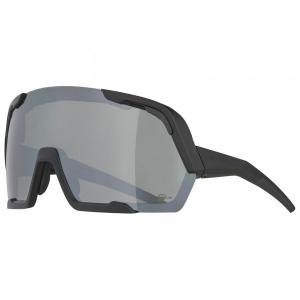
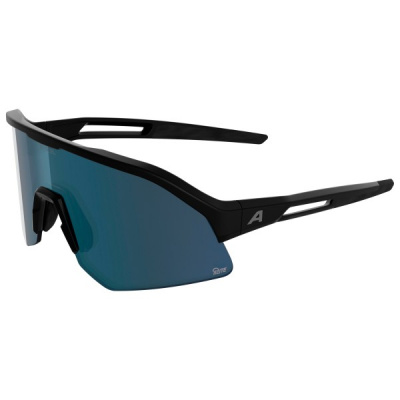
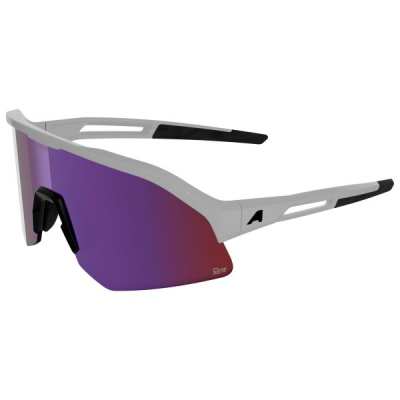
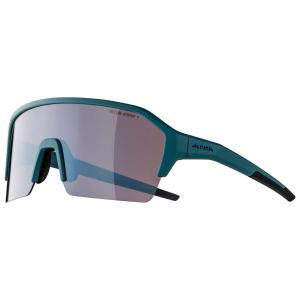
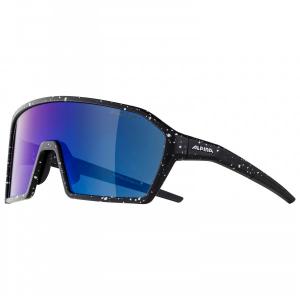
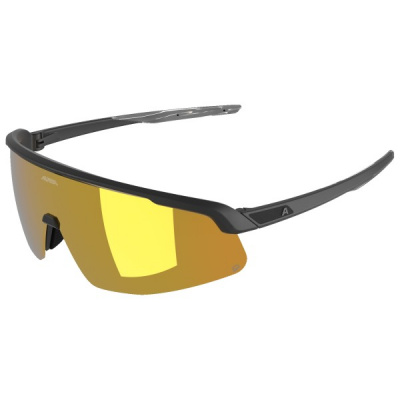
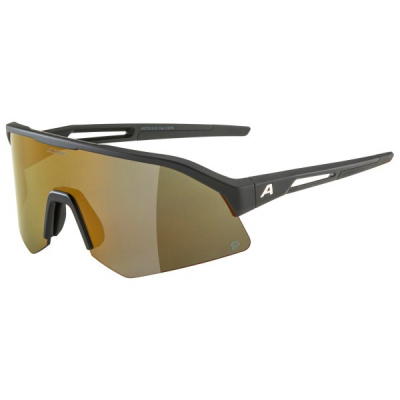
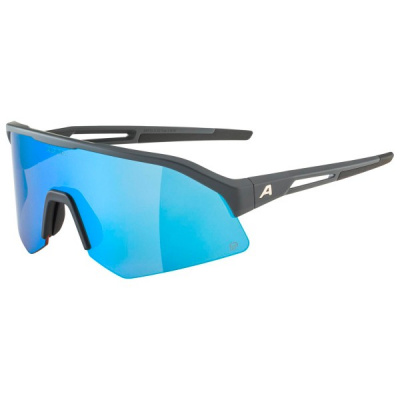
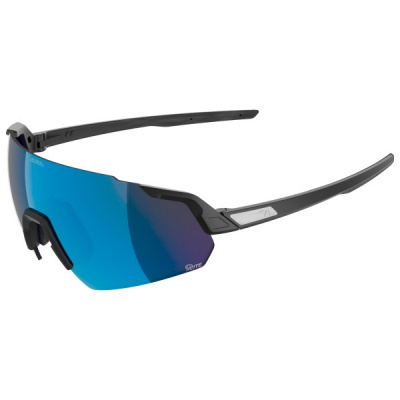
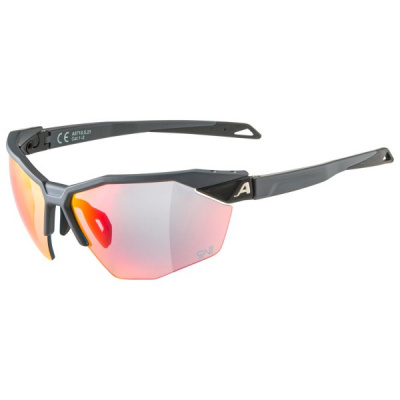
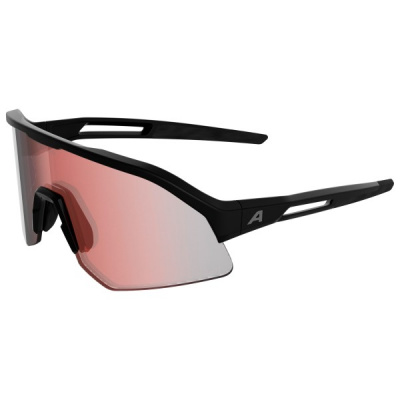
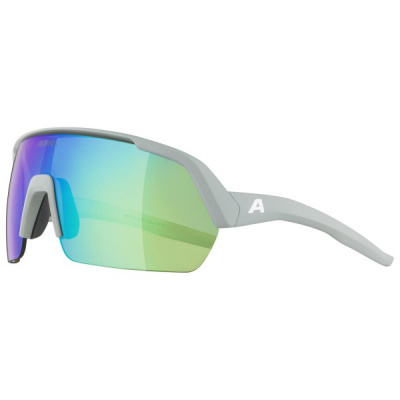
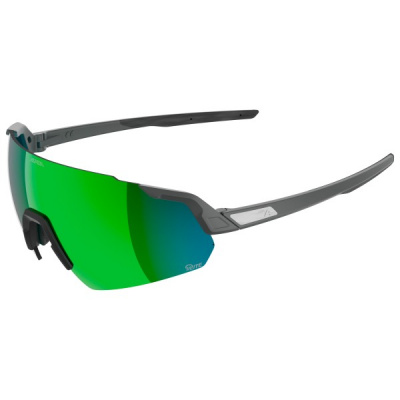
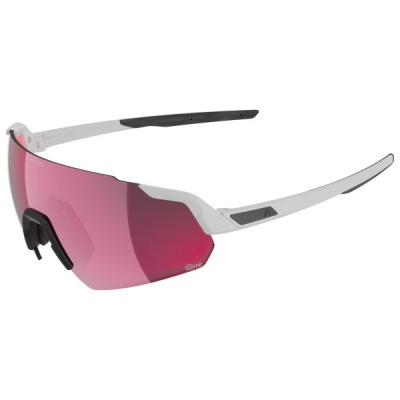
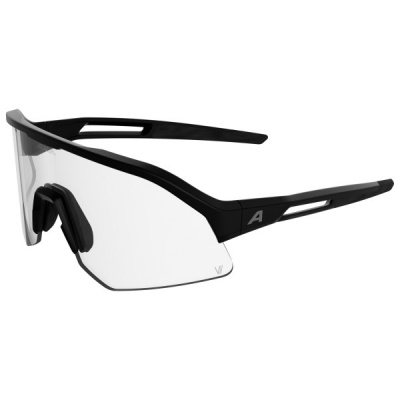
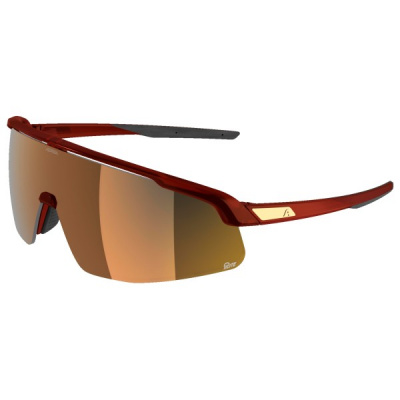
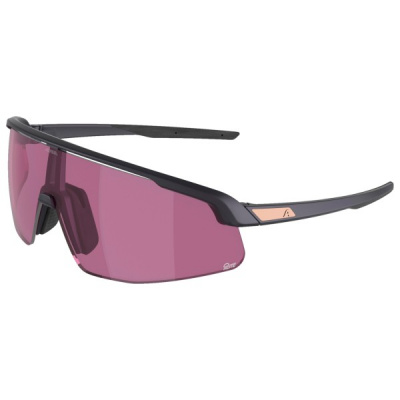
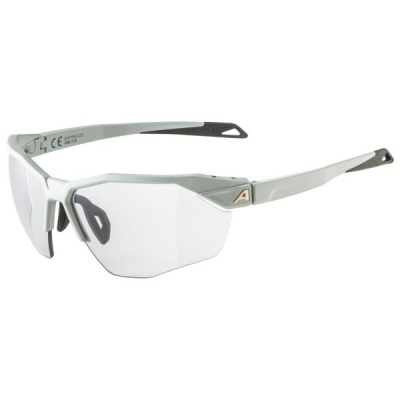
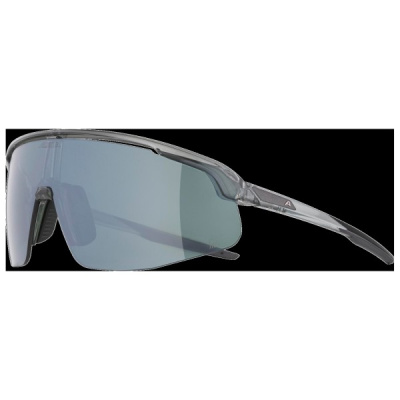
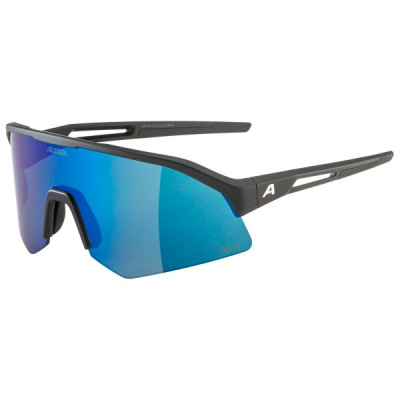
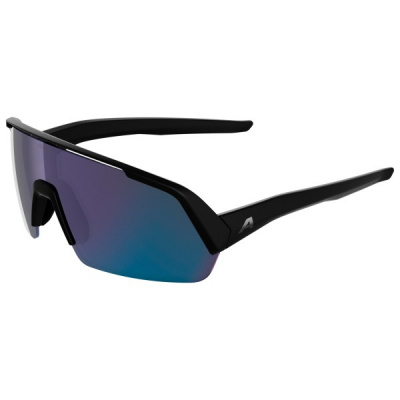
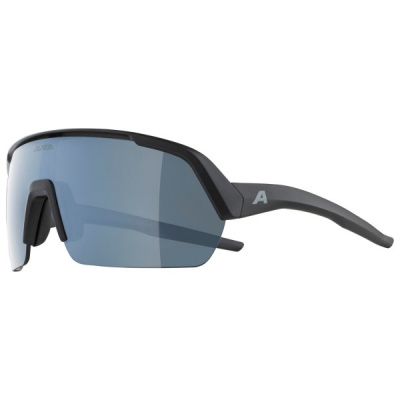
Prices and availability can change quickly. Delivery charges are not always included in listed prices.
Final price, stock status and delivery terms are set by retailer. We may receive a commission on purchases made.
Lens Tech and Weather Performance: Varioflex and Beyond
The headline act in Alpina's lens lineup is Varioflex - their photochromic transition technology. A Varioflex lens can shift from Category 0 (essentially clear) right through to Category 3 (full sun protection), meaning one pair of glasses can cover a dark winter commute and a bright midsummer sportive without you swapping anything out. That kind of range is genuinely practical on a UK ride where the light can change dramatically between valley and exposed ridge. No fumbling in a jersey pocket for a spare lens at the top of a climb.
For days when the sun is low and reflecting off wet roads - think early morning criteriums or a long road ride after overnight rain - Quattroflex lenses add a polarising filter that cuts the scattered glare from standing water and damp tarmac. It's a different solution to a different problem: where Varioflex adapts to overall brightness, Quattroflex targets the specific visual noise of reflective surfaces. If you spend a lot of time on exposed coastal roads or across the Fens in winter, it's worth understanding which technology suits your riding more.
Both lens types benefit from a hydrophobic outer coating, which sheds water droplets quickly rather than letting them smear across your view mid-descent. Pair that with Fogstop - an internal anti-fog treatment - and Alpina have covered the two most common ways UK weather makes eyewear annoying. Fogstop works by reducing the surface tension that allows condensation to form on the inside of the lens, so when you push hard up a long climb and your breathing rate climbs with you, the lens stays clear. Worth knowing: the Fogstop layer is more delicate than the outer surface, so treat it carefully (more on that below).
UV protection across the range meets the standards you'd expect at this level - UV protection to 400nm as standard - so the optical quality isn't being sacrificed for the adaptive features. These aren't fashion sunglasses with a cycling badge on them.
Understanding the Alpina Fit and Frame Range
Alpina's frame range splits reasonably cleanly into two camps. Road and gravel riders tend to gravitate towards the rimless or half-frame options - lighter, less material in your peripheral vision, and a cleaner aero profile. MTB riders generally want more coverage and a more robust construction, so the full-frame options with wraparound geometry make more sense when you're pushing through branches or catching roost from the rider ahead.
The common thread across both is Cold Flex - Alpina's system for adjusting the temple tips and nose pads to fit your actual face rather than an average one. The temple ends are designed to be gently moulded, so you can get a secure grip without the pressure that causes headaches on long rides. The nose pad adjustment means the glasses sit at the right height for your eye socket, which matters for both comfort and optical clarity - if the lens is sitting too low, you lose the benefit of the wider field of view the frame is designed to provide.
Fit and helmet compatibility go hand in hand. Alpina design their eyewear with their own helmet ecosystem in mind, and the temple geometry is specifically shaped to sit cleanly inside most retention systems without creating pressure points. If you're already riding in Alpina helmets, the pairing tends to be seamless - the temple tips route naturally through the side vents without lifting the glasses off your face or fighting the helmet's fit dial. That said, most models work well with helmets from other brands too; the slim temple profile helps.
Face shape makes a difference here. Alpina's broader MTB frames suit wider faces and higher cheekbones better than some narrower European-cut competitors. If you've found that glasses from brands like Oakley or KOO sit awkwardly on your face, the adjustable Cold Flex system gives you more room to dial things in without needing a different model entirely. Conversely, if you want a more minimal, lightweight road option and Alpina's range feels like overkill, it's worth looking at what Bliz or 100% offer at similar price points - though neither matches Alpina's photochromic breadth.
Caring for Your Lenses and Getting the Most from Helmet Integration
The Fogstop coating is one of the most useful things about Alpina's lenses - and also the thing most likely to get damaged by improper cleaning. When the inside of the lens gets wet (from sweat or rain), don't wipe it. Seriously, put the cloth away. The Fogstop layer is a treated surface, and dragging a cloth across it while it's wet will degrade it faster than almost anything else. Instead, let it air dry or - if you need to speed things up - dab very gently with a clean microfibre cloth. The difference between dabbing and wiping sounds fussy, but it'll extend the life of the coating significantly.
The outer lens surface is more durable, but still benefits from a proper lens cloth rather than a jersey hem. Road grit embedded in fabric is exactly what causes the fine scratches that eventually make lenses harder to see through clearly. Keep a cloth in your jersey pocket, not just in the case at home.
On helmet integration: the adjustable Cold Flex temples are your friend here. Before your first ride, spend two minutes moulding the tips to follow the contour of your head just above the ear. Done properly, the glasses won't shift when you look down at your computer or tilt your head on a steep descent. They also won't be fighting your helmet's side straps for the same real estate. If you're kitting out the family, it's worth noting that Alpina's design philosophy carries through to their kids' helmets too, so the same fit logic applies when you're sorting out younger riders.
Lens swaps are straightforward on most Alpina models - the rimless and half-frame designs in particular are built to allow quick changes between lens categories if you prefer to carry a spare rather than rely solely on the Varioflex transition. For most UK riding, a Varioflex lens covers enough range that you won't need to, but for racing contexts where very specific light conditions are expected, having a fixed Category 1 or Category 2 lens as a backup makes sense.
Alpina Sunglasses FAQs
Are Alpina Varioflex lenses suitable for night riding?
Yes - Varioflex lenses can transition all the way down to Category 0, which is essentially clear. That makes them a solid choice for UK winter commutes or rides that start in daylight and finish after dark. You get genuine light transmission at the clear end, not just a lightly tinted lens masquerading as clear.
How do I stop my Alpina cycling glasses from fogging up?
Alpina's Fogstop coating on the inside of the lens handles most of the work - it reduces condensation forming during hard efforts. To keep it effective, never wipe the inside surface when it's wet. Dab gently with a microfibre cloth or let it air dry. Aggressive wiping wears the coating down faster than anything else.
Do Alpina sunglasses fit well with cycling helmets?
Generally, yes. The Cold Flex temple tips are designed to sit cleanly inside helmet retention systems without creating pressure points, and the slim profile routes well through most helmet vents. They pair particularly well with Alpina's own helmets, where the fit geometry is designed to work together - but most models integrate fine with other brands too.