
Alpina Helmets
Alpina cycling helmets come out of Germany with a clear focus: safety engineering that doesn't ask you to compromise on comfort or weight. Whether you're grinding up a Welsh valley in August humidity, threading singletrack on a damp Peak District morning, or clipping in for the daily commute before sunrise, there's an Alpina lid designed to stay firmly in place and take whatever comes its way.
The core of the range is built around Inmold construction - a process that fuses a polycarbonate outer shell directly onto the Hi-EPS inner foam. The result is a helmet that's meaningfully lighter and more rigid than alternatives using separate bonded shells, without the premium price that often comes with that kind of engineering. Stack on top of that the Run System Ergo dial fit and the Custom Fit System's height-adjustable cradle, and you've got a helmet that works for a wide range of head shapes straight out of the box.
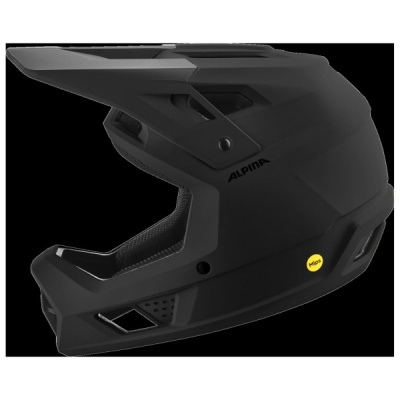
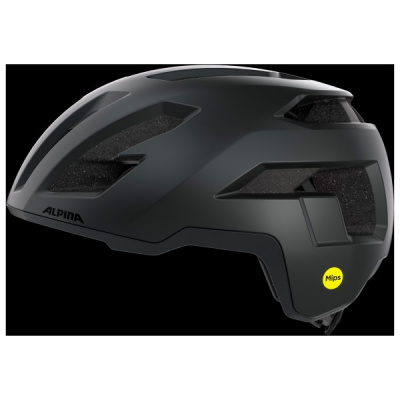
Across road, MTB, and urban commuter models, Alpina also brings in MIPS on key lines and Edge Protect reinforcement around the lower rim - practical details that matter when a lid catches a kerb or takes a clumsy knock against a gate post. Browse the full range below.
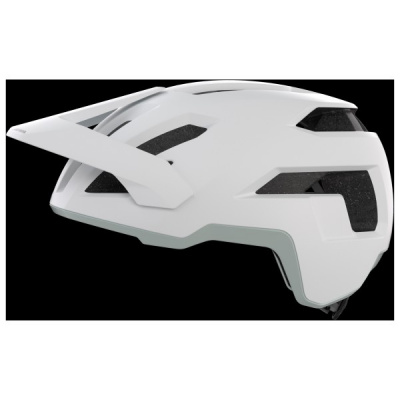
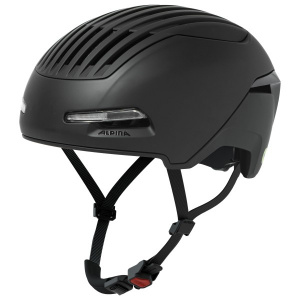
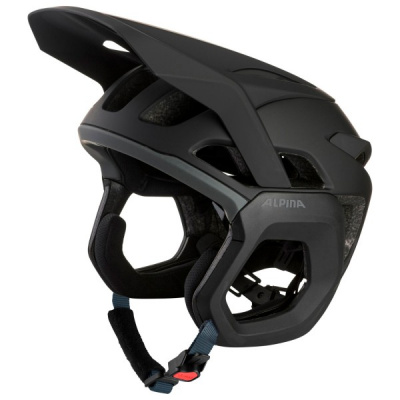
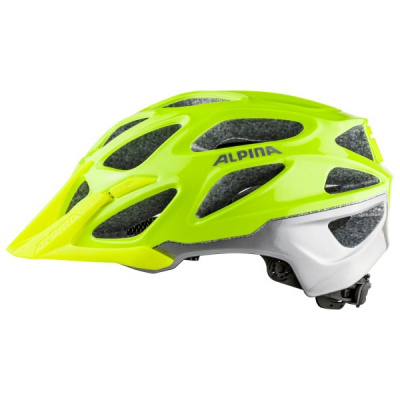
Prices and availability can change quickly. Delivery charges are not always included in listed prices.
Final price, stock status and delivery terms are set by retailer. We may receive a commission on purchases made.
Safety Tech and Ventilation: What's Actually Going On Inside
The headline technology across most Alpina helmets is Inmold construction, and it's worth understanding why it matters. Traditional helmets bond a polycarbonate outer shell to an EPS liner after the fact. Inmold fuses them together during manufacturing, so the shell becomes structurally integral to the foam beneath it. That means the whole thing is thinner, lighter, and stiffer - impact forces spread more evenly across the structure rather than concentrating at the point of contact.
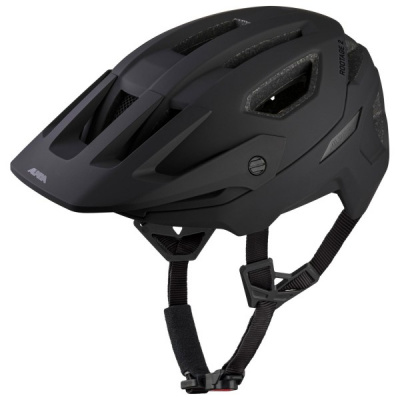
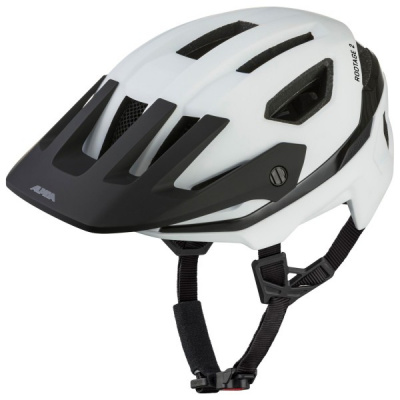
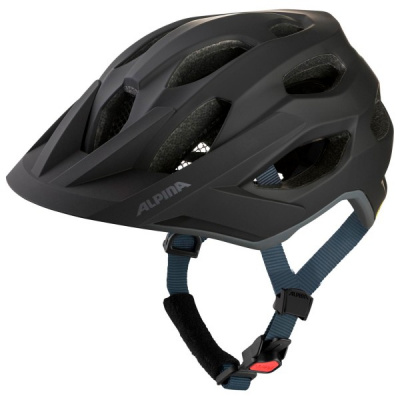
The Hi-EPS foam itself is a higher-density expanded polystyrene formulation, engineered to manage both sharp impacts and the kind of lower-energy repeated knocks that trail riding dishes out regularly. For riders who spend time on technical descents where a branch or rock is always a possibility, that distinction matters. Alpina MTB helmets also carry Edge Protect along the lower rim - a reinforcement strip that stops the edge from crumbling or deforming when the helmet catches something solid at an awkward angle, like a rock face or the corner of a dry-stone wall.
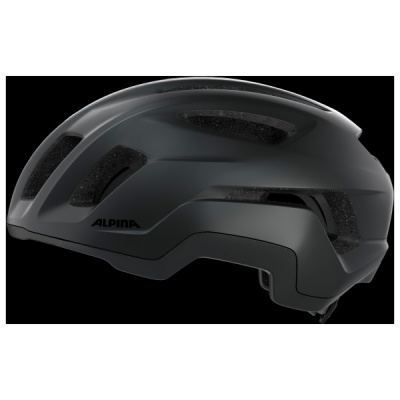
Ventilation varies across the range, but Alpina's approach on road models is to run fewer, larger channels rather than a dozen tiny slots. Fewer interruptions to the shell means better structural integrity, and the deeper channels actually move air more efficiently across your scalp on a long climb. On summer rides down overgrown country lanes - the kind where you're picking up speed through a green tunnel of hedgerow - integrated bug nets across the front vents do exactly what they should. It's a small detail that saves a lot of irritation.
If you're looking at MTB or gravel lids specifically, Giro helmets and Bell helmets are the obvious comparisons - both strong on ventilation design - but Alpina holds its own on the safety tech side, particularly with the Inmold and Edge Protect combination.
Getting the Fit Right Across the Range
Fit is where a lot of helmet decisions get made, and Alpina's system is more adjustable than most at this price point. The Run System Ergo is the dial retention mechanism at the rear - turn it to tighten or loosen the ring that wraps around the back of your head. It's tool-free, works with gloves on, and gives you enough range to dial in fine adjustments mid-ride. Nothing unusual there; most decent helmets have something similar.
What separates Alpina is the Custom Fit System. On models that carry it, the rear cradle doesn't just tighten - it also moves vertically, letting you shift the contact point up or down to match the shape of your skull. If you've ever had a helmet that sits well on the sides but gaps at the back, or one that digs into the nape of your neck, this is the fix. It's particularly useful for riders with a flatter rear skull profile, which is common and often poorly served by standard retention systems.
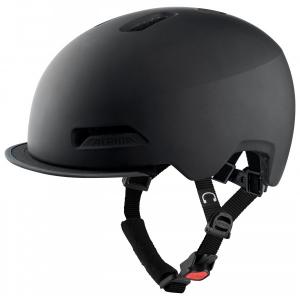
On the road side, Alpina's aerodynamic helmets sit alongside options from Kask helmets in terms of positioning - performance-focused, relatively compact, and shaped to reduce drag on faster efforts. The MTB lids extend further down the back of the head for better coverage on trail riding, and the more substantial visors are genuinely adjustable rather than decorative. Commuter and urban models sit between the two: a bit more coverage than a pure road lid, lighter than a full MTB helmet, and often finished in high-vis colourways or with reflective detailing built into the shell.
Looking for protection for the little ones? Alpina offers a dedicated range of youth and toddler lids designed specifically for smaller head shapes. Check out our full collection of Alpina Kids Helmets to find the perfect fit for your child.
Living With an Alpina Helmet Through a UK Riding Year
A British riding year covers a lot of ground - and a lot of weather. In summer, the ventilation channels do the work and the bug nets earn their keep. Come October, you're reaching for a cycling cap under the lid to take the chill off your ears on early-morning starts. Most Alpina helmets sit high enough at the front that a thin cap fits without pushing the lid out of position, but it's worth checking the fit with your cap on before you commit, especially on more aerodynamically profiled road helmets where the fit is snugger by design.
For winter commuting, reflective elements on the shell and straps make a real difference in the grey half-light of a British December morning. Alpina builds this into several of their commuter and urban models as standard rather than as an afterthought. If your chosen lid lacks it, a couple of adhesive reflective strips on the rear cover the gap without looking bodged.
On care: the antibacterial interior pads on Alpina helmets unclip and can be hand-washed in cool water with mild soap. Do it every few weeks if you're riding hard and the pads will last significantly longer - and your helmet won't develop that distinctive end-of-season smell. Keep the helmet away from radiators and car boot heat. EPS foam degrades faster than most riders realise when exposed to sustained heat, and a warped or softened liner is one that won't protect you properly. Store it somewhere cool and out of direct sunlight.
If you're pairing your lid with eye protection, Alpina sunglasses are designed with compatible frame profiles that work well with their own helmets - worth considering if you want a consistent fit around the temples. And if you're heading into full trail or enduro riding, rounding out your protection with Alpina knee pads and Alpina elbow pads makes sense given the consistent sizing and padding philosophy across the range.
Alpina Helmets FAQs
How do I adjust the fit on an Alpina bike helmet?
Reach for the Run System Ergo dial at the rear and turn it until the retention ring sits snug around your head - no tools needed, and it works fine with gloves on. If your model includes the Custom Fit System, you can also shift the cradle up or down vertically to match the shape of your skull, which sorts out that common gap-at-the-back problem.
Are Alpina helmets good for mountain biking?
Alpina's dedicated MTB helmets are well-suited to trail and enduro riding - they carry extended rear coverage, adjustable visors, and Edge Protect reinforcement along the lower rim to handle the kind of knocks that come with technical riding. MIPS is also available across several models in the MTB line if rotational impact protection is a priority for you.
How long do Alpina cycling helmets last?
Replace your helmet every three to five years, or immediately after any impact - even one that leaves no visible damage. The Hi-EPS foam inside gradually loses its ability to absorb force over time, and no amount of looking fine on the outside tells you what's happening to the structure within.