
Ale Overshoes
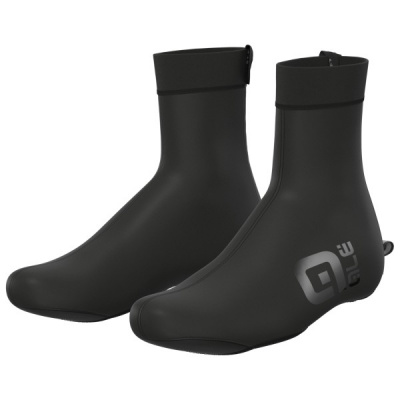
Frozen toes have ended more winter rides than punctures ever will - and that's exactly where Alé overshoes earn their place in your kit bag. The Italian brand brings proper weather engineering to shoe covers: think thick neoprene insulation, polyurethane (PU) outer coatings that deflect road spray, and taped seams that close off the gaps before the cold finds them. From the first sharp frosts of October through to the grinding grey of January base miles, there's a cover in the Alé range that fits the conditions.
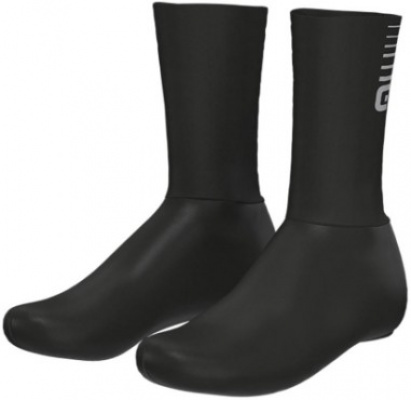
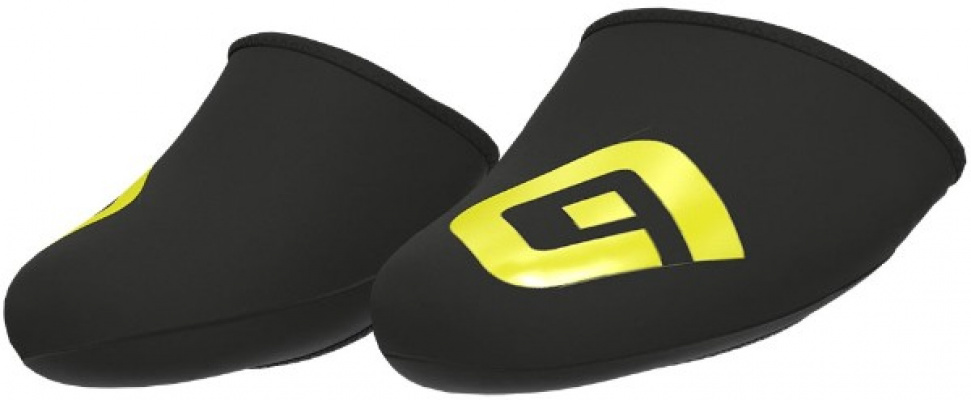
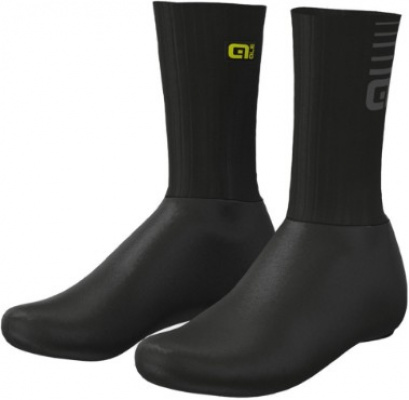
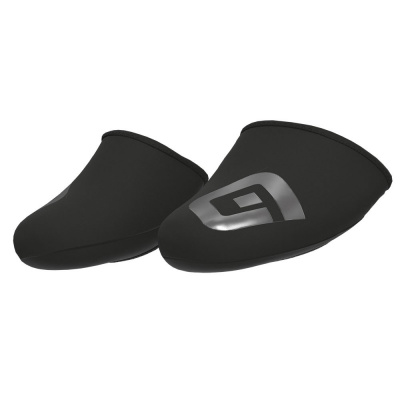
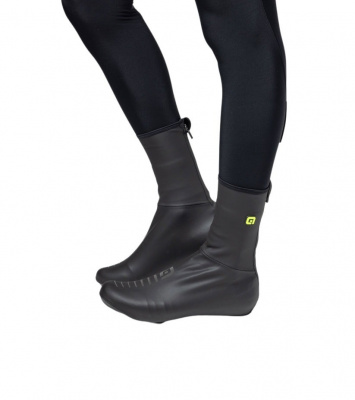
The lineup spans lightweight aero toe covers - the sort you'd reach for on a crisp but dry autumn morning - through to deep-winter neoprene boots that laugh in the face of a Scottish easterly. Alé's signature reflective detailing adds genuine low-light visibility, which matters more than most riders admit when you're rolling home at dusk in November. The construction is race-focused but practical: reinforced cleat cutouts, secure rear zippers, and fits that work with both road and winter-specific shoes. Cold, wet feet aren't inevitable. They're just a kit choice you haven't made yet.
Prices and availability can change quickly. Delivery charges are not always included in listed prices.
Final price, stock status and delivery terms are set by retailer. We may receive a commission on purchases made.
Fabric Tech and Weather Performance
The core of any good overshoe is what it's made from, and Alé put serious thought into their materials across the range. Neoprene - the same stuff used in wetsuits - is the workhorse of their winter models. It traps a thin layer of warm air against your foot and, crucially, retains that warmth even when it gets damp inside. That matters on a long ride where complete dryness becomes unrealistic but staying warm doesn't.
Over the neoprene, a polyurethane (PU) outer coating handles the first line of defence against road spray and light rain. It's a dense, flexible barrier that sheds water rather than absorbing it. Combined with taped seams, which seal the stitch lines that would otherwise act as wicking channels, the result is a cover that significantly delays the point at which you feel cold water seeping in. Worth being honest, though: no overshoe is permanently and totally waterproof. In a sustained downpour, water will eventually find its way through the cleat hole at the bottom or run down your leg into the cuff at the top. Alé's tech doesn't defy physics - it just buys you considerably more time before that happens, which on most UK rides is enough.
Their DWR treatment on lighter models adds a durable water-repellent finish to the outer fabric, causing droplets to bead and roll off rather than soak in. It's worth refreshing this with a specialist spray after several washes. Reinforced toe and heel panels - often using abrasion-resistant materials - protect the areas that take the most punishment from walking to the café or clipping in on a frosty morning. Alé also weave reflective detailing into the construction rather than bolting it on as an afterthought, which keeps the visibility gains consistent wash after wash.
Understanding the Alé Fit and Range
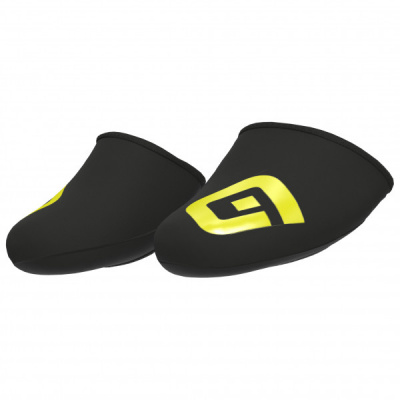
Alé's overshoe range essentially splits into three tiers, and picking the wrong one is an easy mistake to make. At the lighter end, their toe covers are designed for dry but cold days - the kind where you're more worried about wind chill than rain. These are minimal, aerodynamic, and best suited to rides where temperatures are hovering around 8 - 12°C and the forecast looks honest. They're not going to save you in a Pennine downpour, but for a dry autumn sportive or a crisp mid-week training ride, they do the job without the bulk.
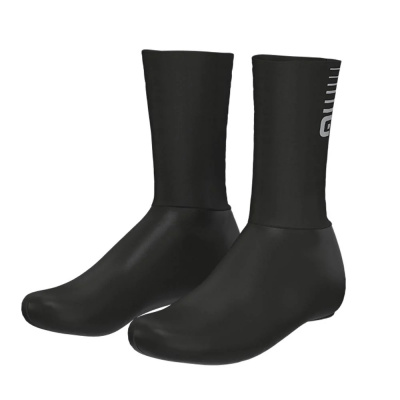
The mid-tier aero Lycra covers are built around race-day use: time trials, dry road races, or any situation where aerodynamic drag is a genuine consideration. They're snug, low-profile, and less about insulation than they are about keeping wind off the foot. Castelli overshoes operate in a similar space with their aero-focused models, so if you're cross-shopping at this end of the market, that's a sensible comparison to make.
The deep-winter neoprene models are where Alé's range gets serious. These are built for January rides, sustained wet weather, and the kind of cold that makes your feet ache through standard road shoes. Thicker construction, better insulation, and more robust waterproofing are the trade-offs for added weight and a slightly less aerodynamic profile - a fair exchange when the alternative is cutting your ride short.
On sizing: Alé's Italian race-cut tends to run snug. If you're at the top end of a size bracket, or you're wearing chunky winter road shoes rather than your summer race shoes, go a size up. Tight is fine for aero covers, but a neoprene boot that you're fighting to get over the heel at 6am isn't anyone's idea of a good start. The cleat cutouts are reinforced and sized to work with standard three-bolt and two-bolt cleats, so compatibility isn't usually an issue - just make sure you route the zip correctly before you commit to pulling them over the shoe. Alternatives like GripGrab overshoes and Endura overshoes tend to cut a little more generously, which is worth knowing if the Alé sizing proves frustrating.
Layering and Care for UK Riding
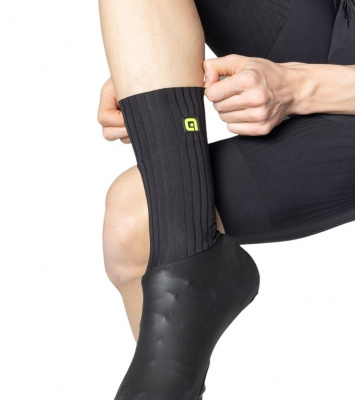
Getting the most from your Alé overshoes is partly about what you wear with them. One thing that catches riders out: always pull your Alé bib tights over the cuff of the overshoe, not tucked inside it. It sounds obvious, but riding with tights tucked in turns the cuff into a funnel - rain runs straight down your leg and pools in the shoe. Pulling the tight over the top means water sheds outward instead. On a four-hour winter ride in Wales or the Scottish Borders, that single habit makes a meaningful difference.
Pairing overshoes with a set of Alé mitts gives you a coherent thermal system across the extremities - the materials and construction logic are consistent across the range, which helps. For anyone considering alternatives at the more weatherproof end, Spatzwear overshoes are well regarded for serious winter use and worth a look alongside the Alé neoprene options.
Care is straightforward but important. Hand washing is the safest approach - a cool, gentle machine cycle works too, but avoid fabric softeners. They degrade the DWR treatment and reduce the water-repellency you paid for. Never dry neoprene overshoes on a hot radiator. The heat cracks the PU coating and breaks down the neoprene structure, and once that happens, the waterproofing is compromised in ways that can't be reversed. Leave them to dry naturally, turned inside out, away from direct heat. A periodic re-spray with a DWR restorer will keep the outer fabric performing as it should.
Ale Overshoes FAQs
How do I choose the right size Alé overshoes?
Alé overshoes run to European shoe sizing but cut race-snug. If you're at the top of a size bracket or riding in bulkier winter shoes, size up - getting a tight neoprene boot over your heel in the cold is a battle worth avoiding. When in doubt, the larger size is almost always the right call.
Are Alé overshoes fully waterproof?
Models with PU coatings and taped seams are highly water-resistant and will handle road spray and steady rain effectively. In a prolonged downpour, water can eventually enter through the cleat hole or run down the leg into the cuff. No overshoe defeats that completely, but Alé's construction delays it significantly.
How do you put on tight cycling overshoes?
For snug or zipperless models, fit the overshoe around your ankle before putting the shoe on. Once your shoe is on and fastened, stretch the overshoe down over the heel and work it forward over the toe. Trying to force a tight neoprene cover over a fully laced shoe is a recipe for a torn seam.