
Aeroe Rucksacks
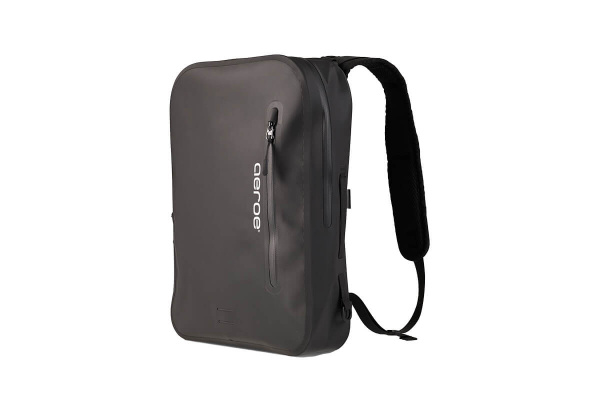
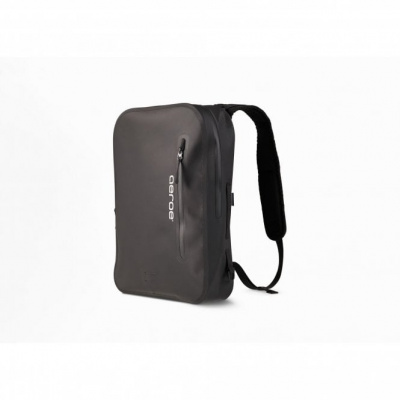
Aeroe rucksacks solve a problem most cycling bags don't even attempt to address: being genuinely useful off the bike without becoming dead weight on it. Built from heavy-duty TPU with fully welded seams, these bags are constructed to laugh off the kind of horizontal Welsh rain and wheel spray that ruins ordinary backpacks before you've hit the first climb. The waterproofing here isn't a coating that wears away after a season - it's baked into the material itself.
What makes Aeroe genuinely different is the quick-release Spider mounting system. Twist-lock cleats built into the rear panel let you snap the rucksack straight onto an Aeroe Spider Rack in seconds, converting a loaded backpack into a secure rack bag without repacking. That's a real-world shift for commuters and bikepackers who move between riding and walking without wanting to faff about. If you're already running an Aeroe rack, the bag clicks in and stays put - proper mechanical attachment, not a bungee-and-prayer setup. Compare the best Aeroe rucksack prices below and find the right load capacity for your ride.
Prices and availability can change quickly. Delivery charges are not always included in listed prices.
Final price, stock status and delivery terms are set by retailer. We may receive a commission on purchases made.
How the Spider Mounting System Actually Works
The headline feature on every Aeroe rucksack is the built-in twist-lock cleats recessed into the rear panel. Line the bag up with your Aeroe Spider Rack, push the cleats into the mounting points, and give a quarter-turn. That's it - the bag is locked to the rack. No straps, no secondary fixings, no worrying about it shifting mid-descent on a Peak District bridleway.
Getting the fit right matters. Before your first ride, check the cleat seating by pressing the bag firmly into the rack and testing for any lateral play. There shouldn't be any. If you're running the Spider Rack on a bike with a narrower rear triangle, Aeroe's mounting tension is adjustable - take a minute to dial it in before you're committed to a long day out. The quick-release lever should move cleanly with moderate thumb pressure; if it's stiff, that's usually dried mud in the mechanism rather than a mechanical fault (more on that below). For riders who don't yet have the base hardware, you'll need the Spider Rack installed first - the cleats are designed exclusively for that system's mounting interface.
It's worth being straight about the trade-off here: the cleat system adds a small amount of bulk and weight to the rear panel versus a plain backpack. If you never plan to rack-mount the bag, that's dead weight. But for anyone doing regular commutes or mixed-surface touring where the bag moves between shoulders and bike, the convenience genuinely justifies it.
Where the Rucksack Fits in the Aeroe Range
Aeroe's luggage line runs from small bolt-on pods up to full-size rucksacks, and they serve meaningfully different purposes. The rucksack is the only option in the range that's designed to be worn - it has ergonomic shoulder straps, a sternum strap, and internal organisation pockets that make sense for commuters carrying a laptop, a change of clothes, or tools. It's the piece you'd reach for on a mixed day: ride in, rack the bag, walk into the office.
The pods and Aeroe pannier bags are purely on-bike load haulers. No straps, no internal organisation to speak of - they're optimised for drag profile and rack attachment, not shoulder comfort. If you're planning a loaded touring route or bikepacking trip where the gear stays on the bike almost entirely, a dedicated pannier setup will serve you better and keep weight lower and more central. The rucksack earns its place when you need genuine versatility: a bag that functions well whether it's on your back on the commute or locked to the rack on a weekend gravel loop through the Chilterns.
Riders looking at alternatives in the waterproof backpack space might consider Apidura rucksacks for a bikepacking-first approach, or EVOC rucksacks if back-protection is a priority for trail riding. Neither integrates with a rack mounting system the way Aeroe does - that rack-to-back transition is genuinely Aeroe's lane.
Keeping the Bag Working Through a UK Winter
The waterproof TPU construction with welded seams is low-maintenance by design - there's no DWR coating to re-treat, no zipper lubricant to worry about with a roll-top closure. After a muddy ride, a hose-down or wipe with a damp cloth and mild soap is all the exterior needs. Don't reach for a degreaser or any solvent-based cleaner; they'll degrade the welded seams over time and compromise the waterproofing exactly where you can't see it happening.
The part that does need regular attention is the mounting cleat mechanism. UK winter riding - especially anything on chalk, grit, or muddy bridleways - packs fine silica grit into mechanical interfaces fast. If the quick-release starts feeling gritty or stiff, that's the warning sign. Brush the cleats clear with a stiff-bristled brush after every few rides, and apply a light coat of silicone spray to the moving parts. Avoid WD-40 or chain lube here - they attract more dirt than they displace, and you'll end up with a worse problem than you started with. A clean, lightly lubed cleat mechanism clicks in and releases cleanly every time; a neglected one can jam at the worst possible moment, like when you're trying to rack the bag in the rain outside a café.
Store the bag loosely rather than compressed when it's not in use. TPU holds its shape well, but prolonged tight folding at the seams can stress the welds over years of use. A hook on the wall of the garage works fine. If you're also looking at Aeroe's wider outdoor kit, the same TPU care principles apply across the range. For anyone considering Deuter rucksacks as a comparison point, note that traditional fabric bags with taped seams require more active waterproofing maintenance than Aeroe's fully welded TPU approach - a genuine advantage for UK riders who'd rather ride than reproof.
Aeroe Rucksacks FAQs
Can you mount an Aeroe rucksack directly to a bike rack?
Yes - Aeroe rucksacks have twist-lock cleats built into the rear panel that mate directly with the Aeroe Spider Rack system. Push the bag in, give the lever a quarter-turn, and it's locked on. Going back to wearing it takes about three seconds. You do need the Spider Rack installed on your bike first; the cleats are specific to that mounting interface.
Are Aeroe backpacks completely waterproof?
They're built from heavy-duty TPU with fully welded seams and a roll-top closure - there are no stitched holes or zip entries for water to find. That means genuine waterproofing rather than weather resistance. Wheel spray, heavy rain, and stream crossings won't get in. It's not a rated IPX standard in the traditional sense, but the construction method is more reliable than most rated alternatives.
How do you clean an Aeroe rucksack after a muddy ride?
Hose off the exterior or wipe it down with a damp cloth and mild soap. The TPU needs no special treatment. Don't use degreasers or solvent cleaners near the welded seams. The part worth focusing on is the mounting cleats - brush out any dried grit with a stiff brush and apply a light silicone spray to keep the quick-release mechanism moving freely.