
7 Idp Full Face Helmets
7 iDP full face helmets sit at the sharper end of the MTB protection market - built around the idea that downhill-certified safety and genuine all-day wearability aren't mutually exclusive. The brand, whose name stands for Intelligent Design Protection, has focused squarely on solving the classic full face problem: too hot on the climb, too compromised on the descent. The flagship Project 23 line addresses that head-on, with a ventilation architecture and impact-absorption system that make it a serious contender for enduro and DH riders alike.
Protection credentials come via S.E.R.T (Seven Energy Reduction Technology) and MIPS, working in tandem to manage both linear and rotational impact forces - the kind of oblique hit that a flat-impact rating alone won't account for. Shell options span carbon fibre, fibreglass, and ABS, so there's a meaningful weight and budget range within the line. All versions carry ASTM F1952 downhill certification, which matters if you're riding anything with consequence.
For UK riders specifically, the combination of high airflow, removable antimicrobial liners, and solid goggle integration makes these helmets well-suited to everything from muddy Welsh trail centres to long Scottish enduro stages where you're sweating on the push and need confidence on the way down.
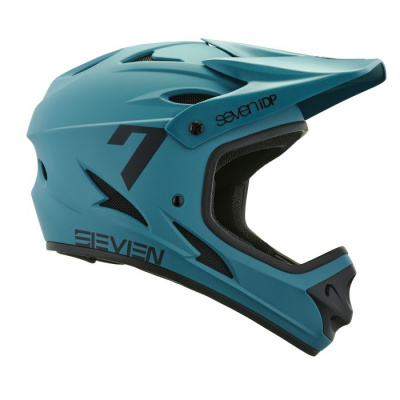
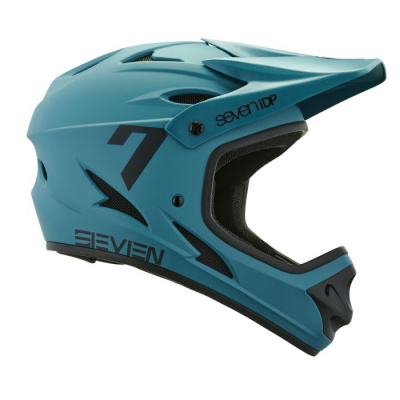
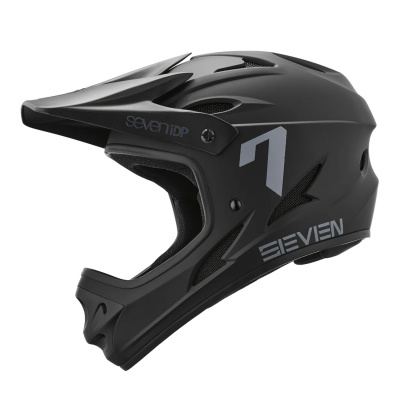
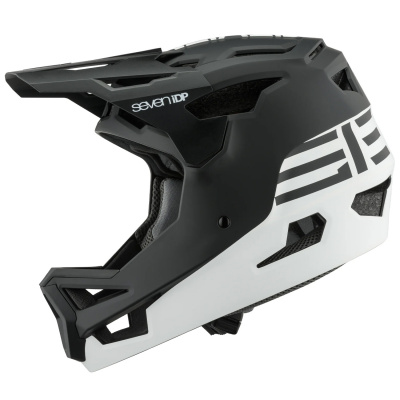
Prices and availability can change quickly. Delivery charges are not always included in listed prices.
Final price, stock status and delivery terms are set by retailer. We may receive a commission on purchases made.
Shell Tech and Ventilation in Practice
The 7 iDP Project 23 helmet takes its name from its ventilation count - 23 vents channelled through the shell to move air across your head continuously. That's not a marketing number; it's a meaningful design commitment. On a slow, humid UK enduro climb where you're grinding up loose Lakeland slate or pushing through Hamsterley Forest in July, heat build-up inside a full face can become a genuine problem. The Project 23's vent layout draws air in at the forehead and exhausts it at the rear, keeping that convective loop moving even at low speeds.
Impact protection runs deeper than the shell. S.E.R.T - Seven Energy Reduction Technology - uses a multi-density EPP and EPS foam structure that's tuned to absorb energy progressively rather than transmitting a sharp spike to your head. Alongside this, the MIPS liner adds rotational impact management, redirecting angular forces away from the brain during the kind of glancing, off-axis impacts that are far more common in real crashes than straight-down hits. Together, they give the Project 23 its ASTM F1952 downhill certification - the benchmark standard for serious DH and enduro use. If you're comparing against Bell full face helmets or Leatt full face helmets, ASTM F1952 certification is the common baseline worth checking across the board.
The Crash Release Visor (CRV) is worth understanding too. It's designed to break away cleanly on impact rather than lever against your neck - a genuine safety feature, not a trim detail. Check it periodically; if the visor tabs feel loose or the release mechanism is stiff after a muddy ride, clean the mounting points before your next session.
Understanding the 7 iDP Range and Getting the Fit Right
There are three shell materials in the Project 23 line, and the differences are practical, not cosmetic. The Project 23 Carbon is the lightest option - the carbon shell shaves meaningful grams compared to the alternatives, which you'll notice on long enduro days where every extra hundred grams adds up over hours of riding. The fibreglass version sits in the middle: still notably lighter than ABS, with a tighter layup than carbon but a more accessible price point. The ABS shell is the entry point - heavier, but it carries the same internal protection system and certification as its siblings. For most riders getting into full face riding, it's a sensible starting place.
Fit is where people sometimes go wrong with 7 iDP. The helmets run to a precise, snug profile - measure your head circumference just above the eyebrows, use the brand's size chart rather than guessing from your last helmet, and don't be surprised if the cheek pads feel firm initially. They bed in over the first few rides. A helmet that feels slightly firm in the shop is usually correct; one that moves around on your head is not. The Fidlock magnetic buckle system makes clipping in and out fast, which you'll appreciate when you're fumbling with gloves on at a wet trail head.
If you're after half-shell trail protection rather than a full face, our 7 iDP Helmets page covers the open-face range. Need replacement pads, visors, or spare parts? The 7 iDP Helmet Spares page has you covered.
As a lightweight full face MTB helmet option, the carbon Project 23 competes directly with premium offerings from Troy Lee Designs full face helmets and Fox full face helmets. The key differentiator is the ventilation volume - if airflow is your priority, the Project 23's 23-vent system is genuinely hard to match at any shell tier.
Keeping Your Helmet Clean After UK Riding
A full face that's done a proper muddy Welsh Valleys loop or a wet Gisburn Forest day needs attention before it gets put away. Grit works into liner seams, sweat saturates the padding, and if you leave it, the smell becomes a genuine issue by mid-season.
Start with the liner. The AGION antimicrobial pads and cheek pads pull out cleanly - hand wash them in warm water with a mild, non-bio detergent, then leave them to air dry away from radiators or direct sun. Heat distorts the foam and kills the antimicrobial treatment faster. Don't machine wash them; the agitation breaks down the pad structure over time.
For the shell and EPS foam, wipe down with a damp cloth and mild soap. Avoid solvent-based cleaners - they degrade EPS over time, quietly reducing the foam's ability to absorb impact without any visible sign of damage. A soft brush works well for clearing mud from vent channels without scratching the shell finish.
While you're in there, check the CRV visor mounting tabs. Give them a gentle test - the visor should release under deliberate pressure but sit firmly during normal riding. Stiff or sticky tabs are usually just dried mud; clean them out and they'll reset. If the tabs are cracked or the release feels inconsistent, look at replacement parts on the 7 iDP Helmet Spares page rather than riding on a compromised mechanism.
If you're sorting your protection setup properly, pair the helmet with 7 iDP knee pads or 7 iDP body armour - the brand's sizing and fit philosophy carries through the whole range, so layers tend to work well together without bunching or gaps at the collar.
7 Idp Full Face Helmets FAQs
How do 7 iDP full face helmets fit?
7 iDP helmets run to a snug, true-to-size fit that's designed to sit firmly without shifting on rough trails. Measure your head circumference just above the eyebrows and cross-reference the Project 23 size chart - don't rely on your usual helmet size. Cheek pads will soften slightly after the first few rides, so a firm initial fit is normal and correct.
Are 7 iDP full face helmets good for enduro riding?
Yes - the Project 23 is a strong choice for enduro. Its 23-vent system keeps airflow moving during physical climbs, while ASTM F1952 downhill certification and the combined S.E.R.T and MIPS protection system give you genuine DH-grade safety on the descents. It's a helmet you can wear all day without overheating, which matters on long UK enduro stages.
How do you wash the liner of a 7 iDP helmet?
The AGION antimicrobial liners and cheek pads are removable and should be hand-washed in warm water with a mild, non-bio detergent. Skip the machine - agitation breaks down the foam. Air dry them away from direct heat; radiators and strong sunlight degrade both the pad shape and the antimicrobial treatment over time.