
100 Percent Trousers
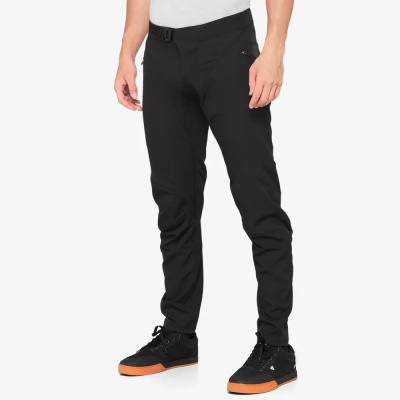
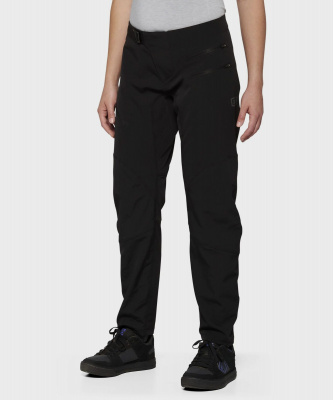
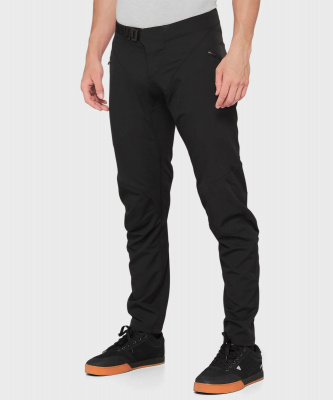
100 Percent MTB trousers sit at the sharper end of gravity riding kit - products shaped by motocross roots and pushed hard through the demands of modern enduro and downhill. If you're spending your weekends doing laps at BikePark Wales or grinding out a damp enduro stage in the Tweed Valley, these are trousers that take the job seriously without making you feel like you're wearing armour.
The range runs from bomber downhill-grade builds to featherlight options designed for riders who pedal as hard as they descend. Across the board, you get 4-way stretch woven fabrics that move with you rather than fighting your pedal stroke, plus DWR coatings to deal with the spray and muck that's just part of riding in the UK. Articulated knees mean there's genuine room for modern knee pads - not an afterthought, but a deliberate design choice. Whether you're sizing up the R-Core, the Celium, or the Airmatic, each model has a clear job to do. Understanding which one fits your riding is the straightforward bit - and that's exactly what we'll break down here.
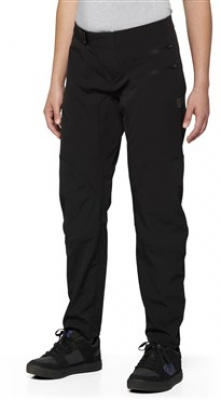
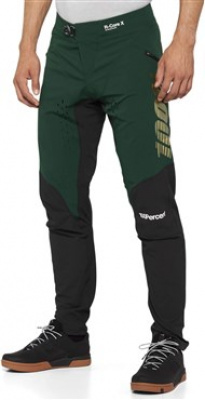
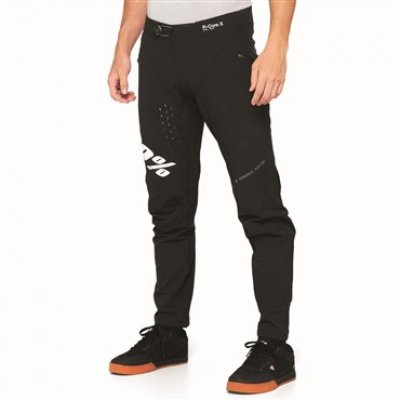
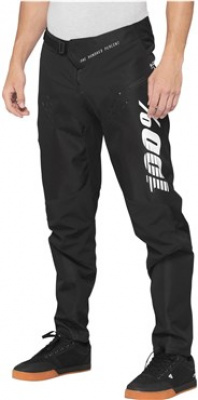
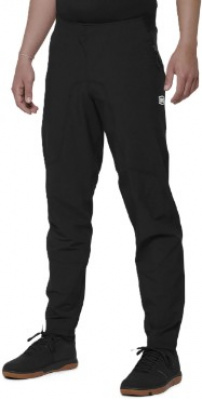
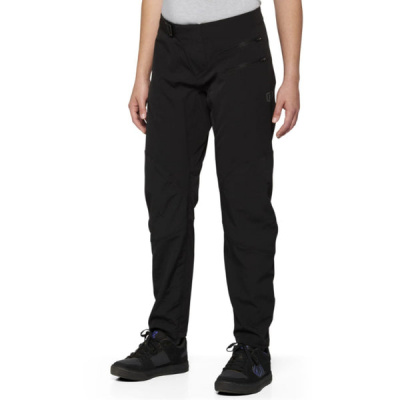
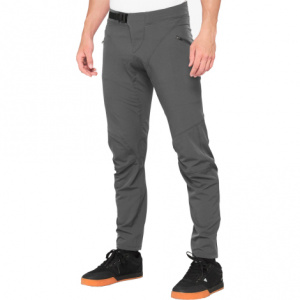
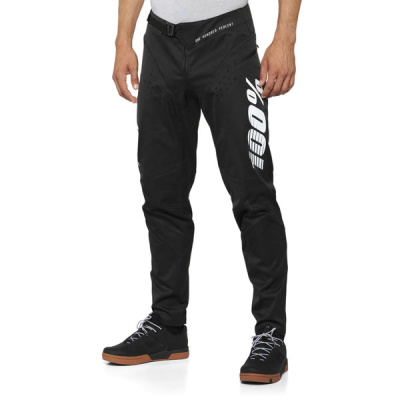
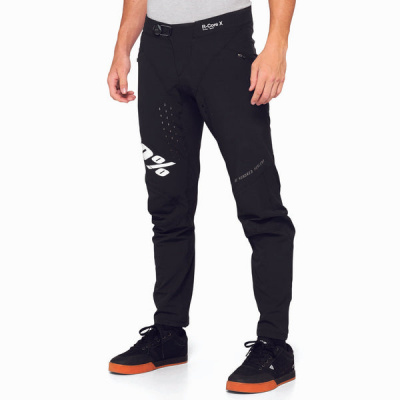
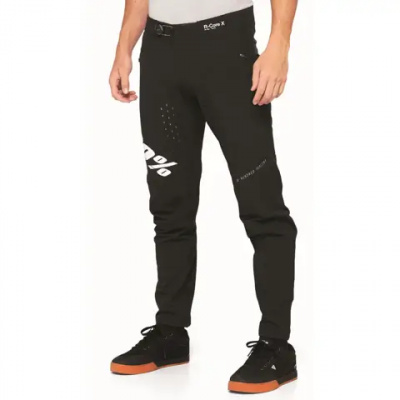
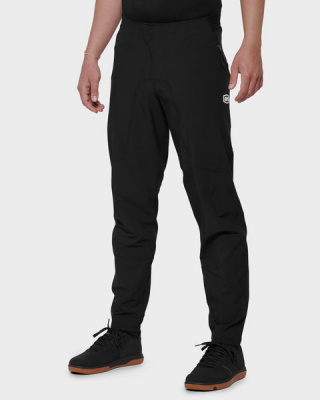
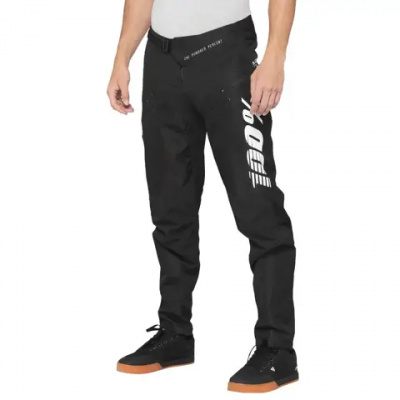
Prices and availability can change quickly. Delivery charges are not always included in listed prices.
Final price, stock status and delivery terms are set by retailer. We may receive a commission on purchases made.
Fabric Tech and Weather Performance
The foundation of any decent riding trouser is how the fabric handles movement and moisture simultaneously - and 100 Percent gets this right. The 4-way stretch woven construction means the trousers follow your hips and knees through every pedal stroke and deep squat over the bars, without the bagging-at-the-knee problem you get with cheaper wovens after a season of use. They stay shaped. That's not a small thing when you're two hours into a soggy enduro.
The DWR (Durable Water Repellent) finish is the other piece of the puzzle for UK riding. It won't keep you dry in a full downpour - nothing short of waterproof-membrane overkill does that - but it sheds puddle spray, light rain, and the persistent damp that coats every trail from October through April. Mud rolls off the surface rather than soaking in. You finish a ride noticeably less waterlogged than you would in a plain woven pant.
Where conditions turn muggy - think steep Welsh climbs in August where the air barely moves - laser-cut ventilation holes on premium models allow heat to escape without compromising the structure of the fabric. It's a detail you notice when you stop at the top and realise you're not drenched from the inside out. Cordura and reinforced panels on the seat and inner leg handle the abrasion side of things: slide-outs on gravel, saddle wear, the general punishment that gravity riding dishes out.
Understanding the 100% Range: R-Core, Celium, and Airmatic
Three models, three distinct briefs. Getting the right one matters more than most riders think before they buy.
The R-Core is the downhill and freeride workhorse. Heavier fabric, abrasion-resistant panels in the high-impact zones, and a build quality that's designed to survive crashes rather than avoid them. If your riding involves big bike laps, bike park sessions, or anything where you're more likely to be sent airborne than grinding out a climb, this is your pick. It's not a lightweight option - nor is it trying to be. Think of it as the trouser equivalent of a full-face helmet: reassuringly solid when things go wrong.
The Celium moves in a different direction entirely. This is 100 Percent's premium all-mountain and enduro option, built around weight reduction and pedalling efficiency. The fabric is noticeably lighter, the stretch more pronounced, and the headline feature is the BOA dial fit system at the waist - a micro-adjustment dial that lets you dial in the fit precisely, so there's no slipping mid-descent and no pressure points on long climbs. Riders who cover serious mileage between the technical bits will feel the difference. If you're comparing the 100 percent r-core vs celium and you're primarily an enduro or trail rider who pedals hard, the Celium makes a strong case.
The Airmatic sits between them - a versatile all-mountain option that leans into comfort and breathability without sacrificing durability. A solid everyday choice if you're not at the extremes of either discipline.
Crucially, all three models feature an articulated knee cut with enough room to run modern MTB knee pads without restriction. That's not standard across the category - some trousers from rival brands squeeze pads into a fit that was never really designed for them. It's worth checking if you're running chunky guards. For comparison, Fox trousers and Endura trousers offer strong alternatives in this space, though the BOA waist system on the Celium is a genuine point of difference. Leatt trousers are also worth a look if integrated protection is a priority for you.
Sizing runs true to athletic cuts across the range - if you're between sizes and planning to run thick knee pads underneath, sizing up on the leg isn't a bad call. The BOA waist on the Celium takes care of the waist fit regardless.
Running These Year-Round: Layering and Care
UK riding rarely sits still weather-wise, so how you layer under these trousers shifts with the season. In summer, a lightweight liner is enough. Come November, you'll want something more substantial underneath - particularly on long days in the Scottish Borders or anywhere the wind has teeth. For base layers that work with these trousers, 100% liner shorts are a natural pairing, designed to sit cleanly under the outer shell without bunching or slipping - worth a look before you commit to a different brand's base layer.
Washing matters more than most riders bother with. Gritty UK mud is abrasive, and leaving it to dry on DWR-coated fabric degrades the finish faster than the riding does. Rinse promptly after rides, wash on a cool cycle, and skip the fabric softener entirely - it coats the fibres and kills DWR performance fast. A dedicated technical wash (Nikwax or similar) does the job properly. After several washes, a low-heat tumble or a warm iron through a cloth can reactivate the DWR coating and extend its life considerably. Small habit, big difference over a season.
Round out the kit with 100% jerseys up top and 100% gloves for a cohesive setup - or pair with 100% knee pads if you're building from scratch and want a matched fit with the articulated knee panels. If you want a shorter option for drier days, 100% MTB baggy shorts use the same fabric DNA in a summer-weight cut.
100 Percent Trousers FAQs
Are 100 Percent MTB trousers true to size?
Generally yes - the cut is athletic and runs true across the range. Premium models like the Celium include a BOA dial at the waist for micro-fit adjustments, which takes the guesswork out of getting the waist right. If you're planning to wear chunky knee pads underneath, consider sizing up on the leg length.
What is the difference between 100% R-Core and Celium trousers?
The R-Core is built for durability - heavier, abrasion-resistant fabric suited to downhill and freeride riding where crashes are part of the deal. The Celium is the lightweight, premium option: thinner fabric, more stretch, better breathability, and a BOA dial waist system. If you pedal hard between descents, the Celium is the better fit.
Can you wear knee pads under 100 Percent riding pants?
Yes, and it's a deliberate design feature rather than an afterthought. All 100 Percent MTB trousers use an articulated knee cut with enough room to accommodate modern low-to-mid profile MTB knee pads comfortably. Movement isn't compromised, and the fit stays clean over the top of the pad.