
Wild Bikes Balance Bikes
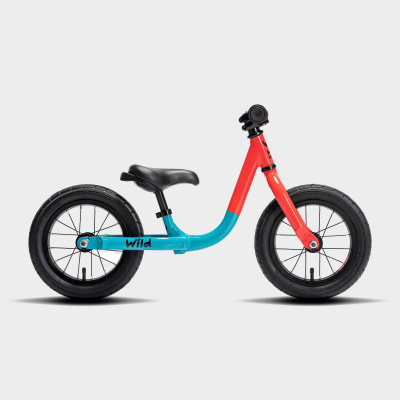
Wild Bikes Balance Bikes deliver a genuinely lightweight introduction to two wheels, with the flagship Wild 12 tipping the scales at just 3.5 kg - light enough for a two-year-old to pick up and manoeuvre without help. Built around a 6061 alloy frame and rolling on pneumatic tyres rather than foam, this is a lightweight toddler balance bike that doesn't skimp on real-world traction when your toddler hits grass, gravel, or the inevitable puddle in the park. The low standover height keeps both feet flat on the ground, so confidence builds faster than you'd expect. Adjustable seat post height stretches usability across a couple of years, and the ergonomic saddle won't leave them squirming after ten minutes. It's a proper kids alloy balance bike that sits between budget supermarket offerings and the boutique end, offering componentry you'd associate with pricier names. If you're weighing up a Wild Bikes starter bike against the usual suspects, the spec sheet reads like a bike for older kids, just scaled down. Pick your colour, check the sizing guide below, and you're sorted.
Prices and availability can change quickly. Delivery charges are not always included in listed prices.
Final price, stock status and delivery terms are set by retailer. We may receive a commission on purchases made.
Frame Geometry & 6061 Alloy Construction
The Wild 12 uses 6061 aluminium for its frame - the same alloy you'll find on adult race bikes, just shaped for tiny legs. This isn't marketing spin; 6061 offers a stiff, light platform that won't flex under a toddler's weight, and it shaves grams where they matter most. The wheelbase is short enough to keep the bike nimble around tight corners in the garden, but long enough to prevent the front wheel tucking when they lean into a turn. Standover height sits low, typically around 28 cm at its minimum, so even shorter two-year-olds can straddle the frame with clearance to spare. That flat-footed confidence is what separates a child who'll happily scoot for an hour from one who refuses to get on. The child-specific geometry also narrows the Q-factor - the distance between where their feet land when running - so the natural stride isn't interrupted by splayed legs. It's a small detail that makes a noticeable difference when you watch them push off. The headset and fork are sized to keep steering light but stable, avoiding the twitchy feel of cheaper models with oversized head tubes.
Wild Bikes positions this frame as a direct competitor to Frog Bikes balance bikes and Hoy balance bikes, both of which command a premium for similar alloy construction. The trade-off? Wild Bikes keeps costs down by using simpler paint finishes and fewer colour options, but the bones of the bike are just as solid. If you're planning to pass it down to a sibling or sell it on, the frame will outlast the tyres twice over.
Pneumatic Tyres vs. Foam: Why Air Wins
Most budget balance bikes roll on EVA foam tyres - solid, puncture-proof, and utterly useless on anything but smooth tarmac. Wild Bikes fits pneumatic tyres as standard, which means actual air-filled rubber with tread. The difference is immediate. On wet grass or gravel paths, foam tyres skip and slide; air tyres grip and roll. Your toddler learns to lean into corners because the bike actually responds, rather than washing out from under them. Damping improves, too - bumps get absorbed by the tyre carcass instead of jarring straight through to their hands and backside. Rolling resistance drops, so they glide further with each push, which keeps momentum going and builds that crucial sense of balance.
Yes, pneumatic tyres can puncture. But at the speeds a two-year-old manages, and with the low pressures these tyres run, flats are rare. You'll need a pump and the occasional top-up, but that's a small price for the traction advantage. If you're riding anywhere beyond the driveway - think local parks, bridleways, or even just the pavement after rain - pneumatic tyres are non-negotiable. Wild Bikes understands this, which is why the Wild 12 doesn't cut corners here. Compare that to cheaper models from supermarkets, and you'll see why parents often upgrade within months.
Sizing Guide: Measuring Inseam for the Wild 12
Forget age ranges; inseam measurement is the only metric that matters. Stand your child against a wall in socks, place a hardback book between their legs (spine up, snug against the crotch), and measure from the top of the book spine to the floor. That's your inseam. The Wild 12 balance bike offers a saddle height range of approximately 28 cm to 42 cm, which typically covers children from around two to four years old - but only if their inseam falls within that window. A child with a 30 cm inseam will get two years of use; one with a 26 cm inseam will need to wait a few months or risk tiptoeing, which kills confidence fast.
Adjustable seat post height is straightforward: a quick-release collar or Allen key lets you raise the saddle as they grow. Check it every few weeks, because toddlers sprout unpredictably. The ergonomic saddle is shaped to support their sit bones without chafing, and the short reach handlebars mean they don't have to stretch forward, keeping their centre of gravity over the wheels. If you're comparing the Wild Bikes 12 inch balance bike to Squish balance bikes or Ridgeback balance bikes, the geometry is broadly similar - Wild Bikes just undercuts them slightly on cost while maintaining the same alloy frame and pneumatic tyre spec.
Wild Bikes in the UK Market: Spec Without the Premium
Wild Bikes carved out a niche by offering high-grade componentry at a price point below the boutique brands. The Wild 12 uses child-sized grips that fit small hands, V-brakes with short-reach levers (unusual on a balance bike, but useful for transitioning to pedal bikes later), and sealed bearings in the headset to keep steering smooth even after a winter's worth of puddle-bashing. These are details you'd expect from Specialized balance bikes or Trek balance bikes, but Wild Bikes delivers them without the brand tax.
The narrow Q-factor design aids the natural running motion, so your toddler's gait isn't forced wide by the bike's width. This is especially noticeable when they start to glide - feet up, coasting - because their legs aren't splayed awkwardly. It's a small engineering choice that pays off in smoother progression. Wild Bikes doesn't shout about heritage or motocross roots; the brand simply builds bikes that work, using proven materials and sensible geometry. If you're planning to step up to a Wild Bikes kids bike with pedals later, the transition is seamless - same fit philosophy, same attention to weight and sizing.
Assembly is minimal: front wheel, handlebars, and saddle. You'll need a set of Allen keys and ten minutes. No hidden costs, no proprietary tools. That's the Wild Bikes approach - straightforward, functional, and designed for parents who'd rather spend time riding than fiddling with incomprehensible instructions.
Pros and Considerations
Pros: Genuinely lightweight at 3.5 kg, making it manageable for toddlers to lift and control. Pneumatic tyres deliver real-world grip on grass, gravel, and wet surfaces. Low standover height and adjustable seat post ensure a confident fit across a wide age range.
Considerations: Colour options are limited compared to boutique brands, so if your child has their heart set on a specific shade, you might need to compromise. Pneumatic tyres require occasional inflation - keep a track pump handy. V-brakes add a touch of weight and complexity; if you're after the absolute lightest setup, some rivals omit brakes entirely, though you'll miss them when transitioning to pedals.
Who Should Ride a Wild Bikes Balance Bike?
If you want a lightweight toddler balance bike that doesn't treat your child like a crash-test dummy, the Wild 12 is a sensible choice. It's built for parents who recognise that a 3.5 kg bike is easier to learn on than a 5 kg lump of steel, and who value pneumatic tyres for the grip they deliver on real UK surfaces - muddy parks, gravel car parks, damp pavements. The 6061 alloy frame and child-specific geometry mean this bike will last through multiple children without complaint, and the adjustable seat post stretches usability across two or three years. It's not the cheapest option, but it's a long way from the most expensive, and the spec sheet justifies every penny. Measure that inseam, pick a colour, and let them get on with it.