
Ridgeback Balance Bikes
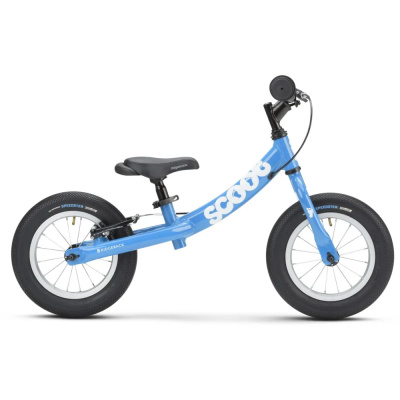
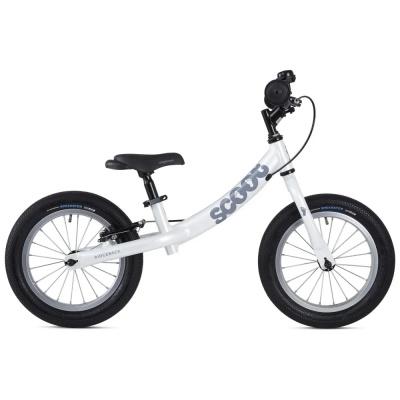
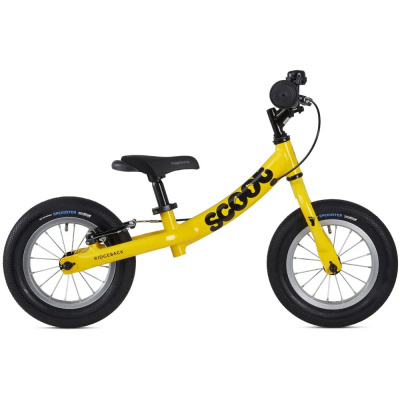
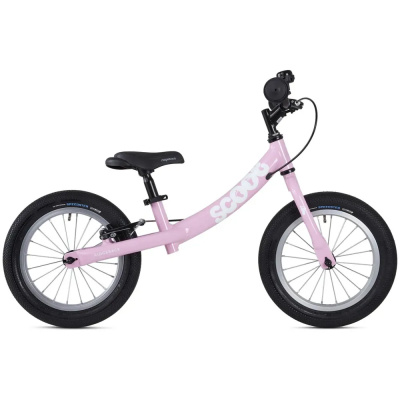
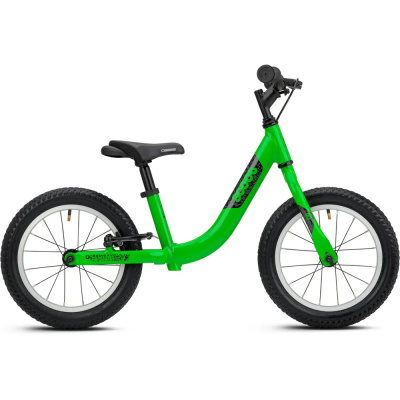
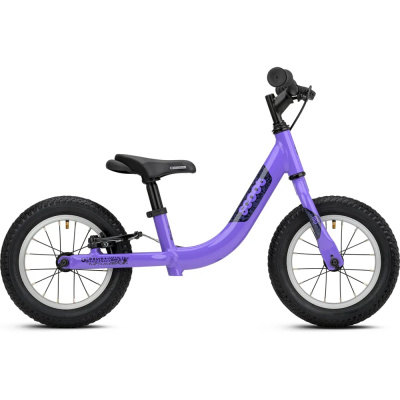
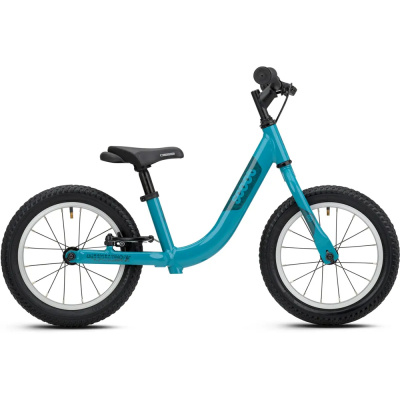
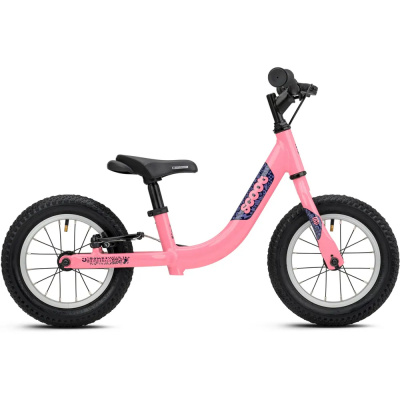
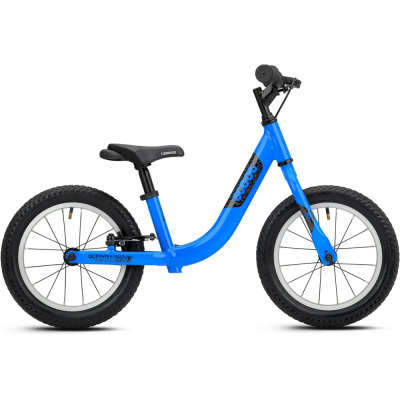
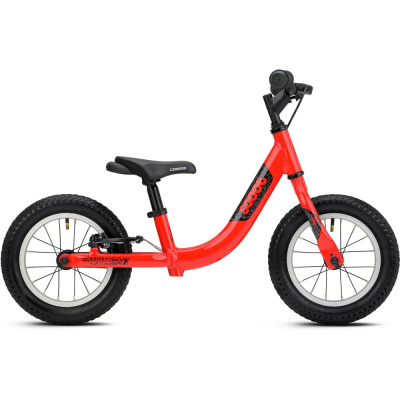
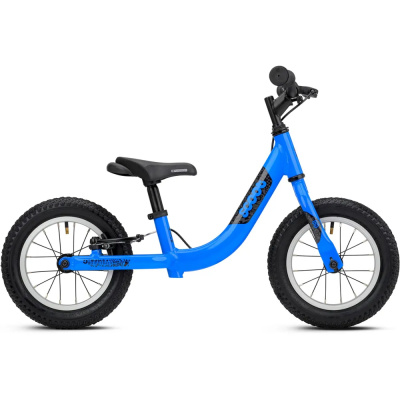
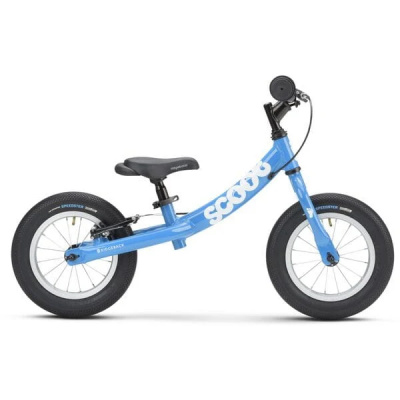
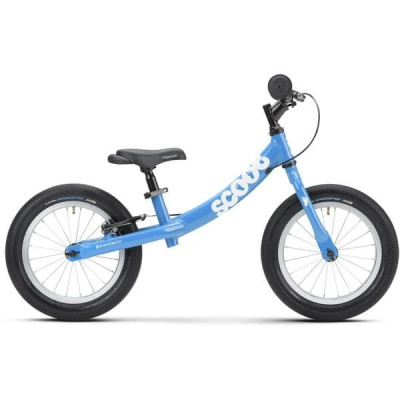
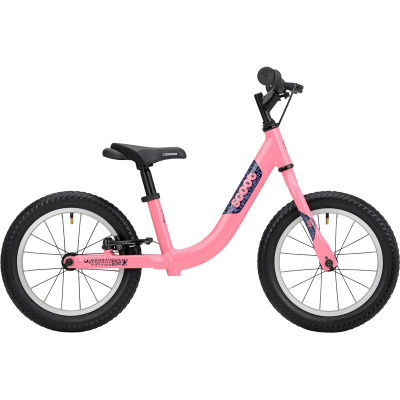
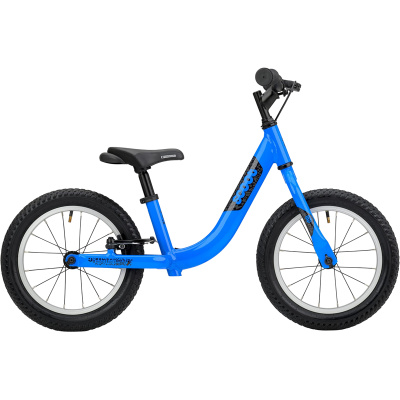
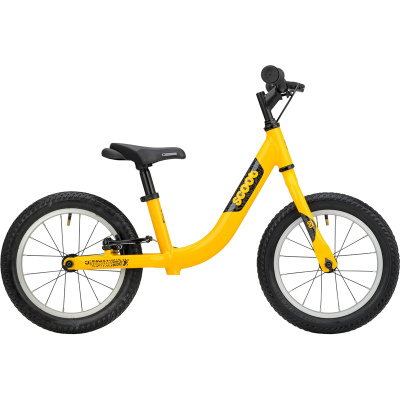
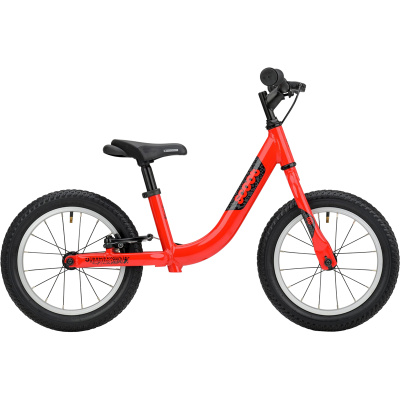
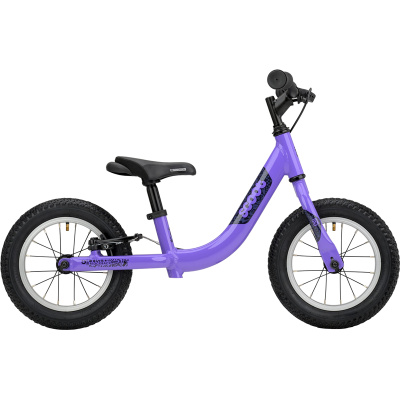
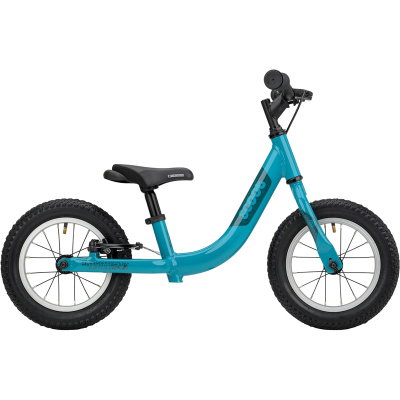
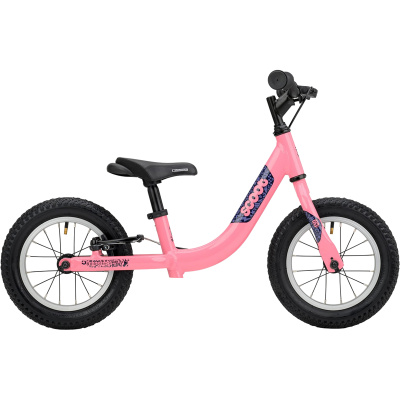
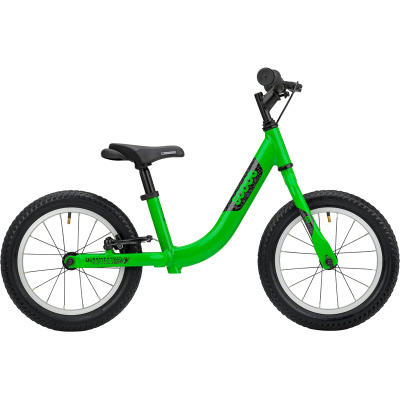
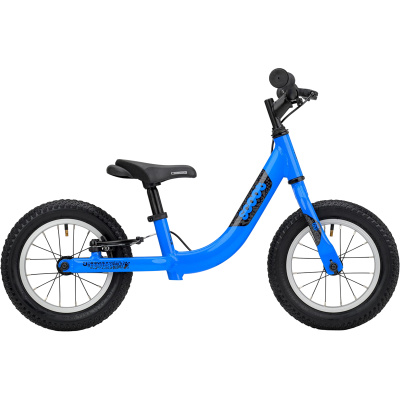
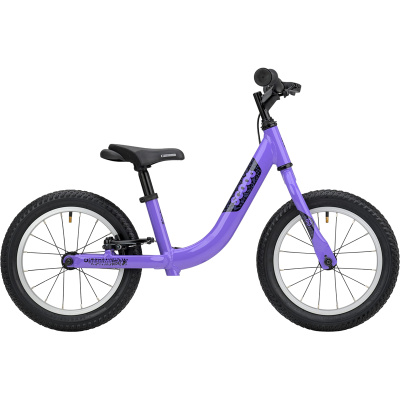
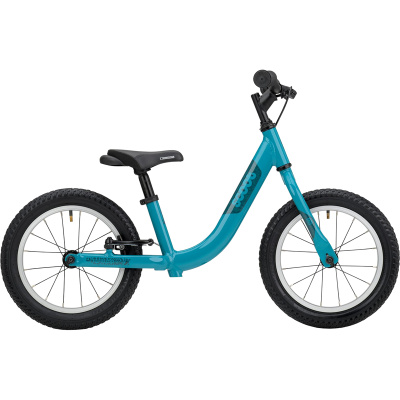
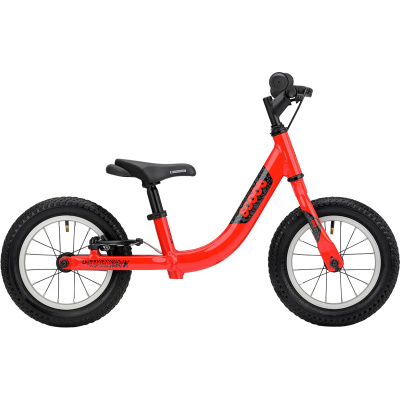
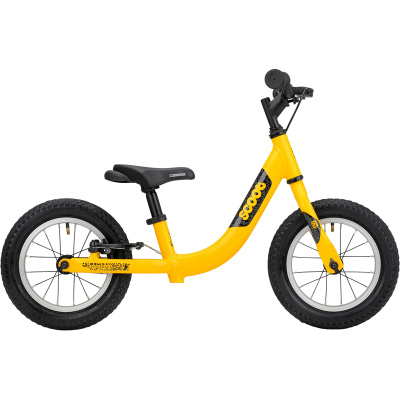
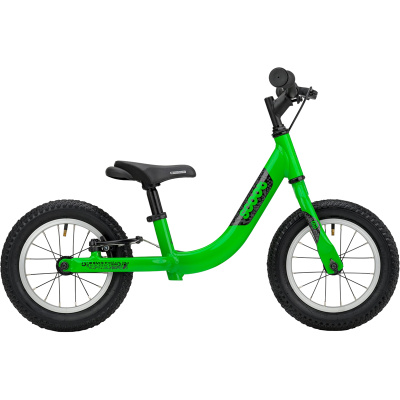
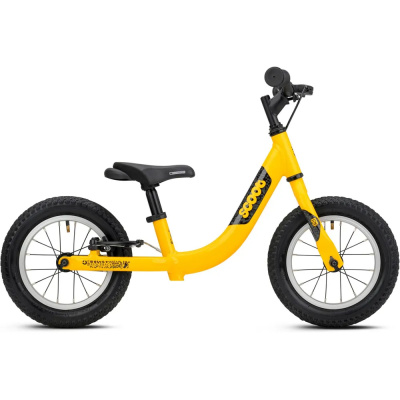
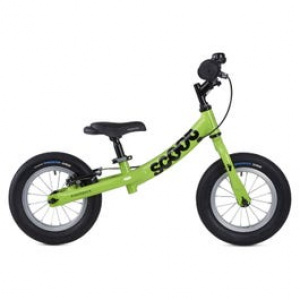
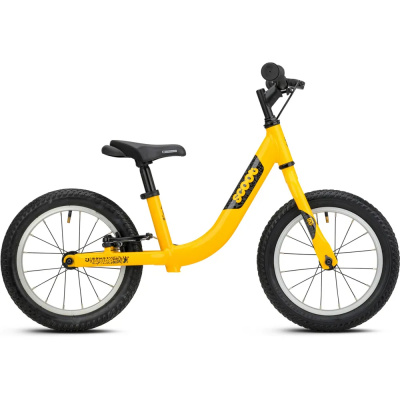
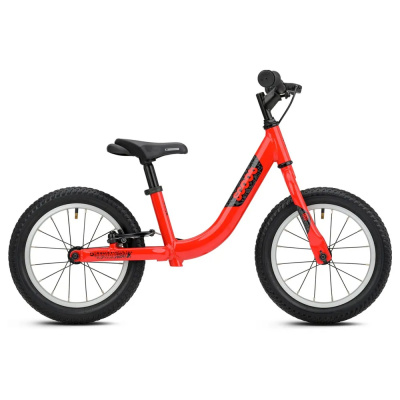
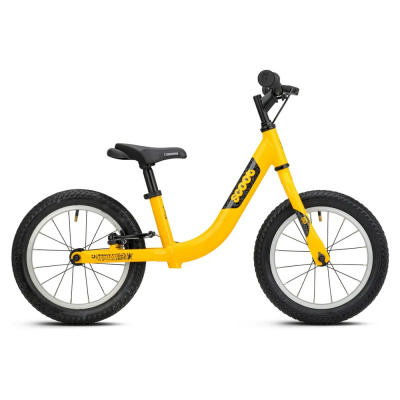
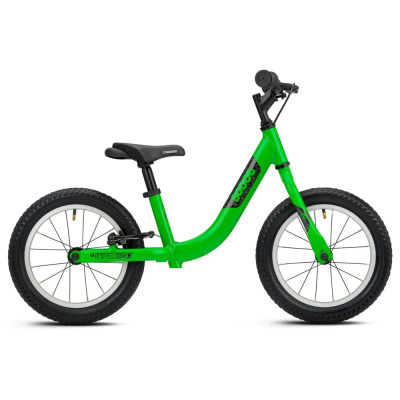
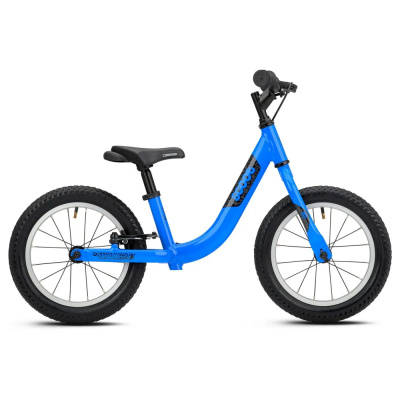
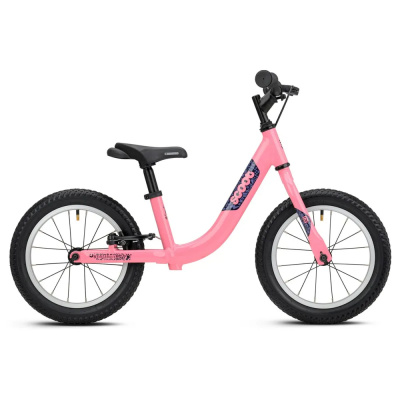
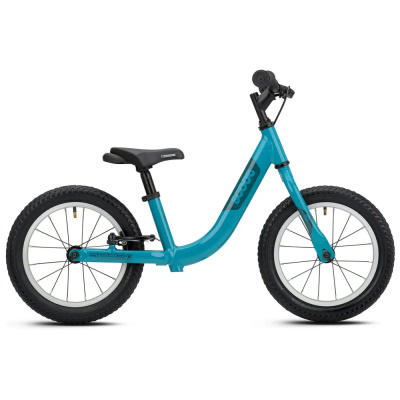
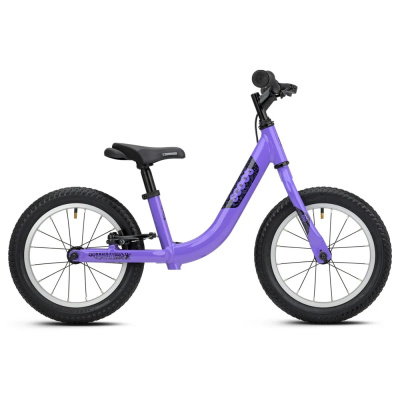
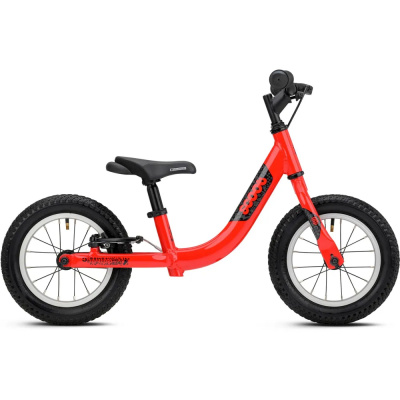
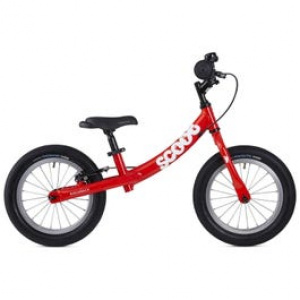
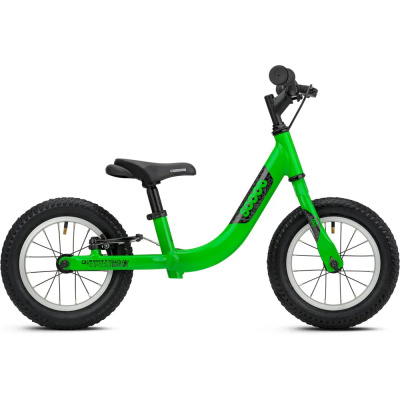
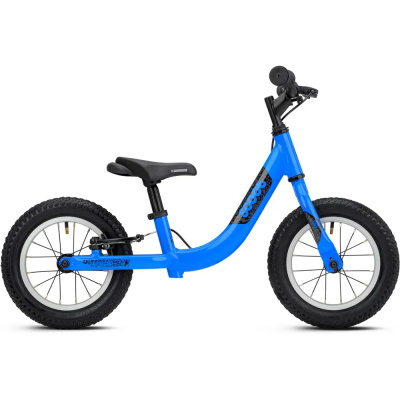
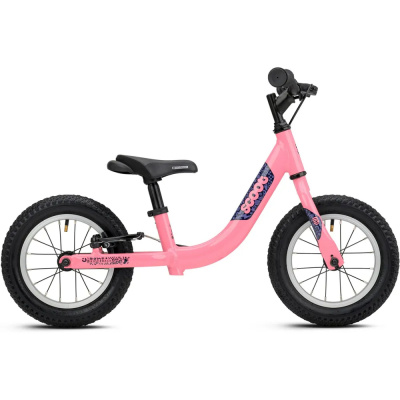
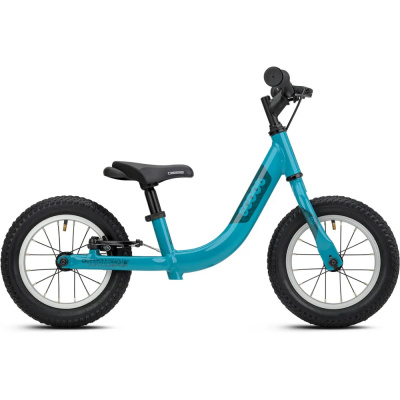
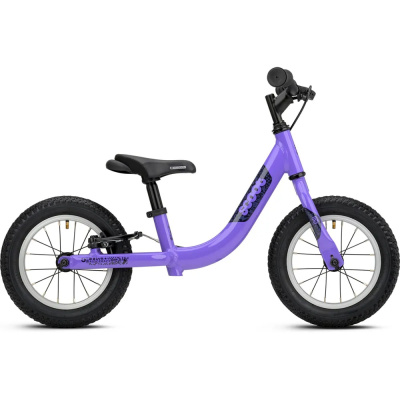
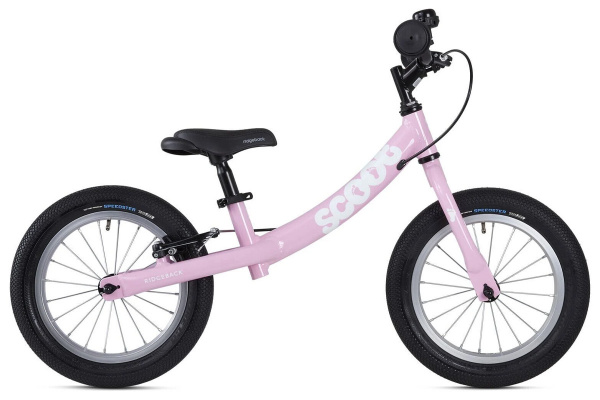
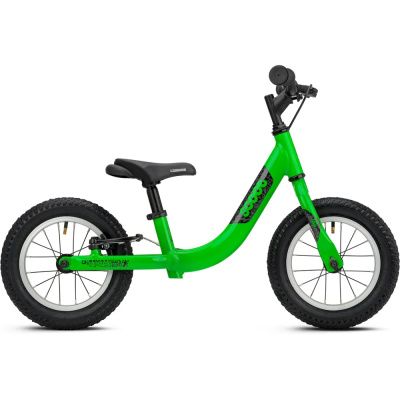
Ridgeback balance bikes skip the stabiliser crutch entirely and give toddlers a proper two-wheeled foundation from day one. Built around the Scoot platform, Ridgeback approaches small bikes with the same seriousness it brings to adult models - and it shows. There's no heavy steel tubing here, no slippery plastic wheels that turn wet park grass into an ice rink. Instead, you get a 6061 heat-treated aluminium frame that keeps the whole package light enough for a two-year-old to actually steer, paired with proper pneumatic tyres that grip damp surfaces rather than skate across them. The scaled-down rear V-brake with a short-reach lever is there from the start, so stopping becomes a learned skill rather than an afterthought. Two sizes cover most toddlers: the standard Scoot on 12-inch wheels for ages two to four, and the Scoot XL on 14-inch wheels for taller or older children pushing into age five. Both are built to live in a damp British shed, handle the school-run park detour, and come out the other side without a spot of rust. If you want a balance bike that takes the job seriously, the Ridgeback range is a very sensible place to start looking.
Prices and availability can change quickly. Delivery charges are not always included in listed prices.
Final price, stock status and delivery terms are set by retailer. We may receive a commission on purchases made.
Decoding the Ridgeback Balance Bike Lineup
Two models, clear differences. The Ridgeback Scoot runs 12-inch wheels and suits toddlers from around age two up to four - the adjustable saddle height gives you decent room to grow before the bike becomes a hand-me-down. The Ridgeback Scoot XL steps up to 14-inch wheels and a higher saddle extension, making it the better fit for children aged four to five who'd otherwise be cramped on the smaller frame. Standover clearance is the number to check: a child needs to plant both feet flat on the floor with a little bend in the knee - too high and they can't stride confidently, too low and they'll be hunched. Ridgeback publishes minimum and maximum saddle heights for both models, so measure your child's inseam before you buy rather than guessing by age alone. Age brackets are a guide, not a guarantee.
Once your child has cracked the coasting-and-steering combination and is clearly ready for pedals, that's the natural exit point from a balance bike. At that stage, head over to our Ridgeback Kids Bikes category - the progression from Scoot to a first pedal bike is about as straightforward as it gets when you stay within the same brand geometry.
The Ridgeback Tech Philosophy: Real Bike Components
Walk into a supermarket or toy shop and the balance bikes you'll find are typically heavy steel or brittle plastic, fitted with solid EVA foam wheels that have roughly the grip of a leather sole on a wet patio. Ridgeback takes a different line. The 6061 heat-treated aluminium frame keeps the Scoot to around 4.9kg - light enough that a toddler can pick it up and wrestle it around a corner without needing parental rescue every thirty seconds. It also means the bike won't rust through after a season of garden and park use, which steel frames absolutely will in the UK's persistent damp.
The Vee Rubber pneumatic tyres are genuinely one of the better decisions Ridgeback made with this range. Solid wheels transmit every bump directly and offer almost no traction on wet grass - the kind your child will be riding on every Saturday morning from October to April. Pneumatic tyres compress slightly, grip properly, and make striding and coasting feel controlled rather than chaotic. They do need occasional pressure checks, but that's a two-minute job and well worth it.
The rear V-brake with a short-reach micro lever is arguably the most important feature here, and it's one that cheaper balance bikes skip entirely. Teaching a child to squeeze a lever to stop, rather than just dragging their feet, sets up good instincts before they ever clip into a pedal bike. The lever is sized specifically for small hands - no stretching, no awkward grip. If you're comparing with Frog balance bikes or Squish balance bikes, all three sit in the same quality bracket with genuine braking systems - the Ridgeback competes comfortably on component spec at this level. Hoy balance bikes are another option worth comparing if you want to see how the aluminium frame weights stack up across the category.
Living with a Ridgeback Scoot in the UK
British weather is what it is. The aluminium frame handles damp storage without complaint - leave it in the shed through a wet winter and it won't surface with rust blooms the way a steel frame would. That said, the V-brake cable does benefit from a quick squirt of light lubricant after muddy park sessions. It's a thirty-second job; ignore it for a whole season and you'll find the cable housing starts to drag. Worth knowing before you're standing in a playground wondering why the brake feels spongy.
The quick-release seat post is something parents genuinely appreciate once the child hits a growth spurt mid-season. You can drop the bike, flip the lever, adjust the saddle, and be back rolling in under a minute. No Allen keys, no fiddling. It sounds minor until you've had to send a child ahead on a bike that's two centimetres too low for the next six months because adjusting it felt like too much effort.
Make sure they're wearing a properly fitted lid from day one - have a look at Ridgeback Kids Helmets for options that are sized and weighted for toddlers rather than scaled-down adult lids. Balance bike falls are usually slow and sideways, but they do happen, and a habit of wearing a helmet now makes it entirely unremarkable by the time a pedal bike appears.
One practical note: check tyre pressure every few weeks. Pneumatic tyres are far superior to foam alternatives, but they do lose pressure slowly. A soft tyre makes striding harder work and reduces the handling advantage you're paying for. A track pump takes ten seconds.
Related searches:
Ridgeback Balance Bikes FAQs
What age is a Ridgeback Scoot balance bike for?
The standard Ridgeback Scoot suits toddlers from around age two to four, with the 12-inch wheels and adjustable saddle covering most children in that range. If your child is taller or pushing age five, the Scoot XL's 14-inch wheels and higher saddle extension will give a much better fit. Always check inseam length against the published saddle height range rather than relying on age alone.
Does the Ridgeback Scoot have brakes?
Yes - and this is one of the things that sets it apart from cheaper alternatives. The Scoot comes with a rear V-brake operated by a short-reach micro lever designed for small hands. It builds proper stopping habits early, so your child isn't just dragging their feet to slow down. That instinct carries over directly when they move onto a pedal bike.
How much does a Ridgeback balance bike weigh?
The standard Ridgeback Scoot comes in at approximately 4.9kg, which is genuinely manageable for a toddler to steer and for a parent to carry when little legs give up halfway home. That weight is largely down to the 6061 heat-treated aluminium frame - it's meaningfully lighter than the steel frames you'll find on budget balance bikes, and it doesn't rust either.