
Hoy Balance Bikes
Hoy balance bikes were developed with input from Olympic sprint champion Sir Chris Hoy, and the brief was refreshingly simple: make it light, make it low, and get out of a toddler's way while they figure things out. The result is a range that cuts through the noise of brightly coloured supermarket options and focuses on the details that genuinely matter.
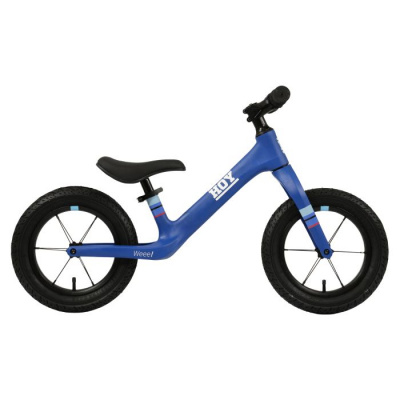
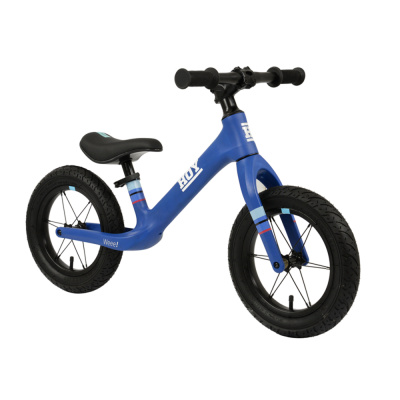
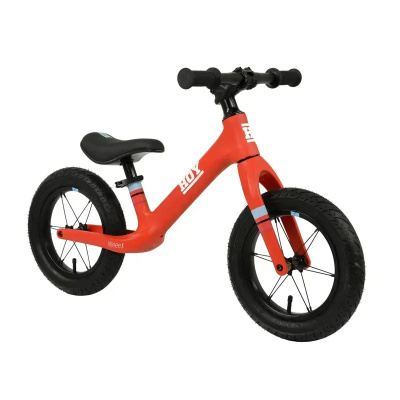
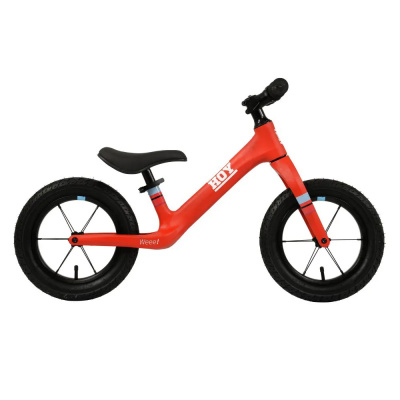
The flagship Hoy Napier is the brand's dedicated 12-inch balance bike, built around a lightweight aluminium frame that keeps the whole thing under 3.5kg. That number matters more than you'd think - a heavy balance bike is one a small child will refuse to pick up, steer, or care about. The Napier also runs proper pneumatic tyres rather than the solid EVA foam you'll find bolted to budget alternatives, which means actual grip on wet grass rather than a slow-motion slide towards the flower beds.
For parents, there's a thoughtful detail baked into the saddle: an integrated grab rail that lets you carry the bike one-handed when your two-year-old decides they're done and wants carrying instead. On a rainy Tuesday in the park, that's not a minor convenience - it's the difference between a manageable walk back to the car and a genuinely miserable one.
Prices and availability can change quickly. Delivery charges are not always included in listed prices.
Final price, stock status and delivery terms are set by retailer. We may receive a commission on purchases made.
Decoding the Hoy Balance Bike Lineup
The Hoy Napier is the brand's sole balance bike, and that focus is a statement in itself. Rather than offering a cluttered range of sizes and add-ons, Hoy has put everything into getting one 12-inch wheel balance bike right for toddlers aged roughly two to four. The frame is proportionately scaled lightweight aluminium tubing - not just a shrunken adult design, but geometry that suits a small body's centre of gravity and reach. There are no bells, no streamers, and deliberately no brakes. The whole point is minimal distraction and minimal weight.
It's worth comparing to what else sits in this space. Frog balance bikes take a similar lightweight-aluminium philosophy and are a credible alternative, while Ridgeback balance bikes and Squish balance bikes offer their own takes on toddler-first geometry. The Napier holds its own against all of them on weight, and the saddle grab rail is a feature none of the others match in quite the same way. Once your child has mastered the Napier and is ready to add pedals to the equation, the natural next step is our Hoy Kids Bikes category, where the brand's range continues with the same considered approach to weight and fit.
The Engineering Choices That Actually Matter
A balance bike lives or dies by two numbers: saddle height and weight. The Napier's curved top tube is the key to the first one - by arching the frame, Hoy creates an ultra-low standover height that lets smaller toddlers plant both feet flat on the ground simultaneously. That confidence of feeling the floor is everything at this stage. A child who has to tiptoe is a child who won't commit to lifting their feet.
The pneumatic tyres are where the Napier genuinely separates itself from a significant chunk of the competition. Solid EVA foam tyres are cheap to produce and maintenance-free, but they transmit every bump directly into small hands and offer surprisingly little grip on anything other than dry tarmac. The Napier's pneumatic rubber deforms around surface irregularities and generates real traction. The angled valves are a considered detail here too - on a 12-inch wheel, getting a standard pump head onto a straight valve is fiddly; the angled design makes a two-minute job out of something that would otherwise test your patience at 7am before school.
The proportionately scaled aluminium tubing is not just a weight saving - it affects how the bike handles lateral forces when a toddler leans into a turn. Oversized tubing on a small bike creates a stiff, unresponsive feel; the Napier's tubing dimensions are chosen to give the frame a small amount of compliance that suits an inexperienced rider's instinctive corrections.
Using a Hoy Balance Bike in British Conditions
British parks in October are not the smooth, dry surfaces balance bike marketing photography tends to feature. You're looking at wet tarmac paths, patches of compacted mud near the gate, and the kind of damp grass that turns cheap plastic tyres into ice skates. The Napier's pneumatic rubber handles all of that noticeably better than solid-tyre alternatives - there's enough deformation and grip to give a toddler genuine feedback rather than a wobble and a fall.
The 3.2kg weight becomes relevant the moment your child stops wanting to ride. That happens. Frequently. When it does, the saddle's integrated grab rail means you can pick the bike up with one hand, hold a small person with the other, and still get back to the car without dislocating anything. It sounds trivial until you've tried carrying a 5kg bike, a toddler, and a changing bag across a muddy field in November. The Napier is light enough that you barely notice it's there.
If you're weighing up the Napier against something like the Frog Tadpole, the differences are subtle but real - both are well-made, lightweight aluminium bikes with pneumatic tyres, and either will serve a toddler well. The grab rail and the angled valve stems are the Hoy's practical edges in day-to-day use.
Hoy Balance Bikes FAQs
What age is a Hoy balance bike for?
The Hoy Napier is designed for toddlers aged 2 to 4 years. The practical marker is inside leg length - your child needs at least around 30cm to comfortably reach the ground with both feet flat, which is what gives them the confidence to start gliding rather than just shuffling.
How much does a Hoy Napier weigh?
The Hoy Napier weighs 3.2kg. That's meaningfully lighter than most comparably priced balance bikes, and it makes a real difference - both for the toddler manoeuvring it and for the parent who inevitably ends up carrying it home.
Does the Hoy balance bike have brakes?
No, and that's a deliberate choice. Brakes add weight and complexity at a stage where neither is useful - toddlers instinctively foot-brake anyway, and keeping the Napier brakeless lets them concentrate on balance and steering without another control to think about.