
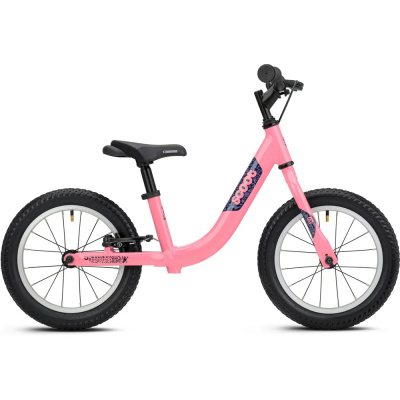
Ridgeback Scoot
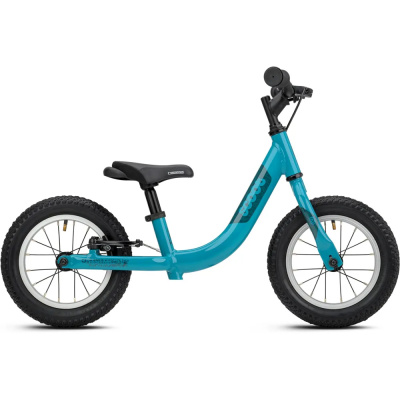
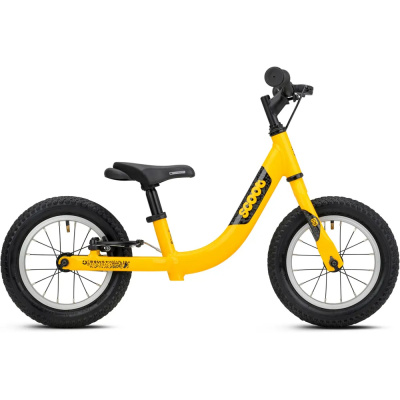
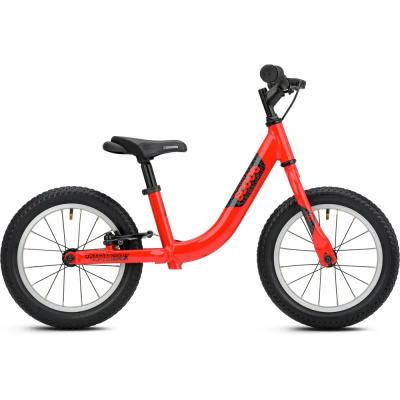
Teach balance and braking skills early with a lightweight aluminium frame that grows across multiple seasons.
- Lightweight 6061 aluminium frame: easy for tiny hands
- Rear hand brake teaches stopping skills early
- Two seatposts included: grows with your child
- Vee Speedster tyres: grippy on tarmac and grass
- Sealed headset and internal cable routing
- Weighs around 4.8 kg (10.5 lb) complete
Ridgeback Scoot Deals
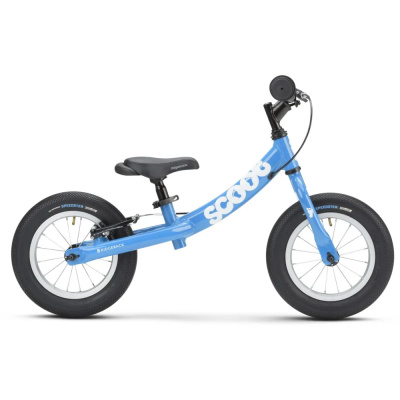
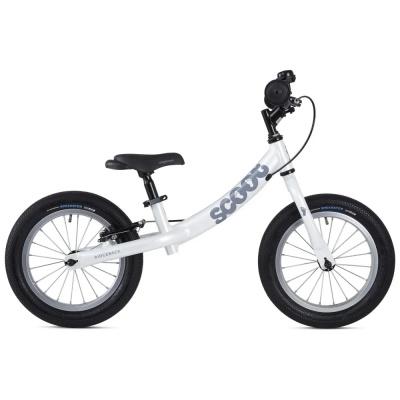
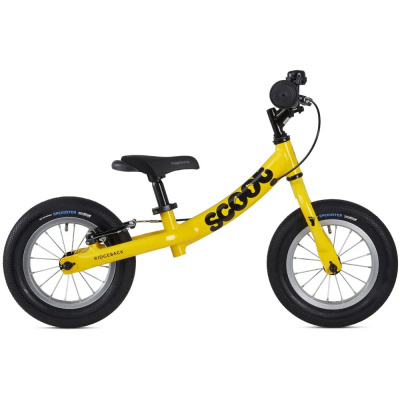
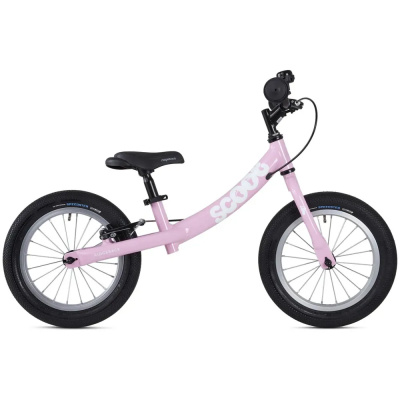
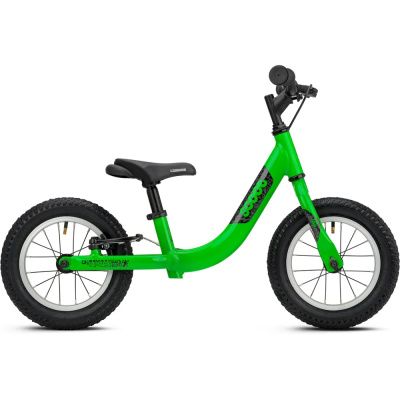
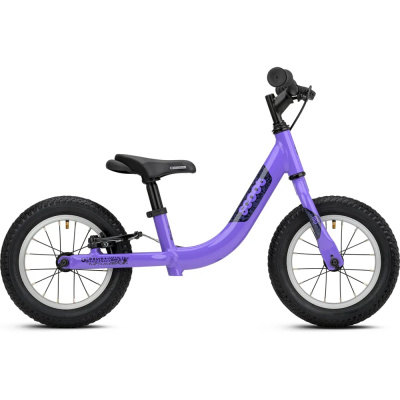
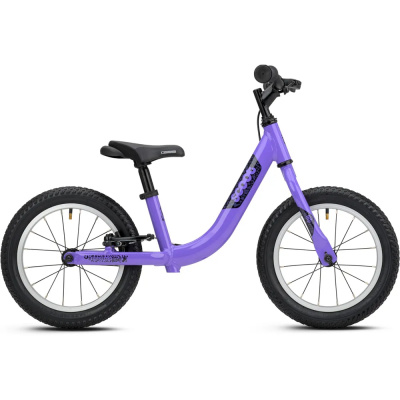

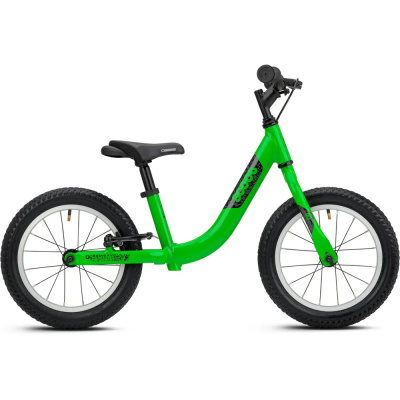
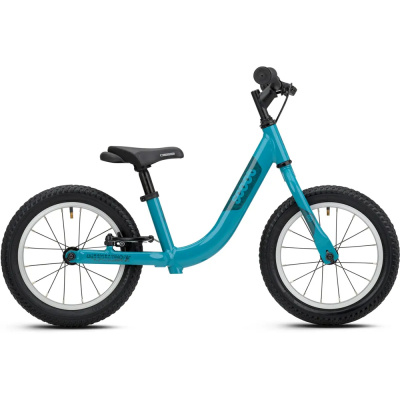
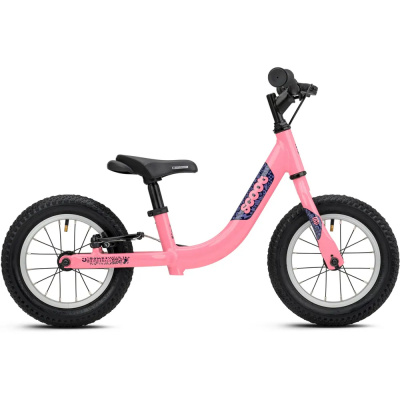
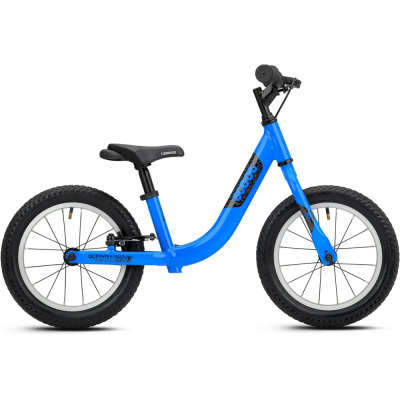
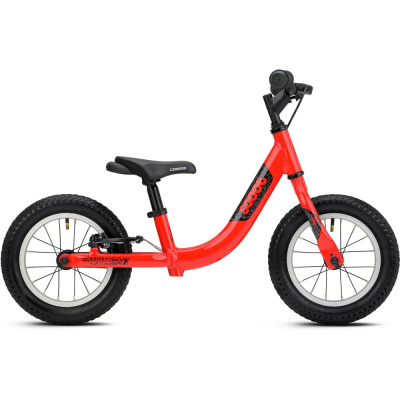
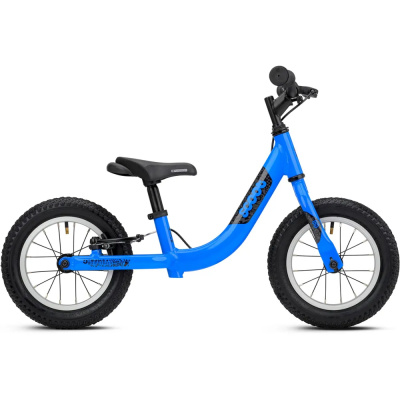
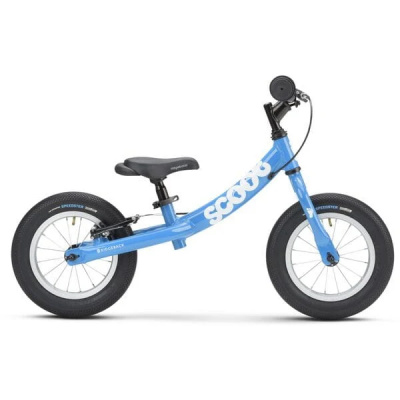
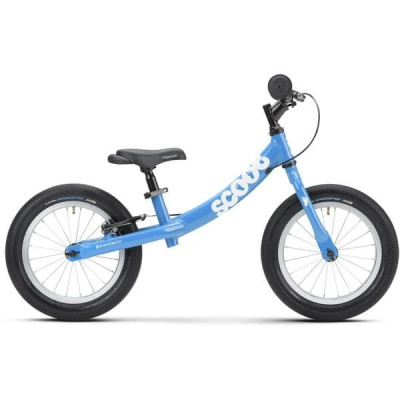
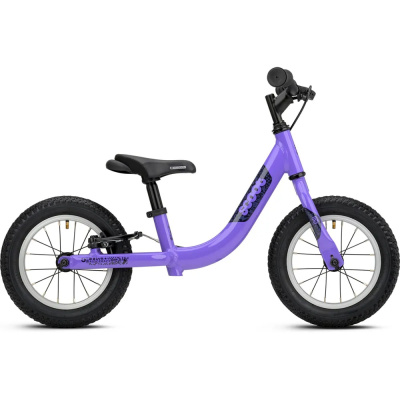
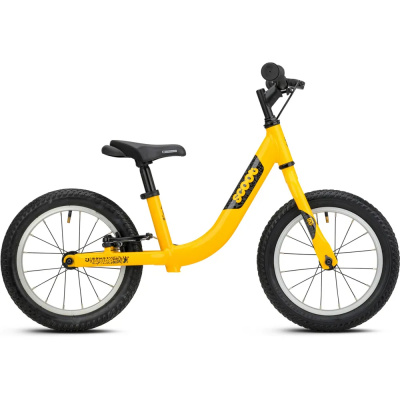
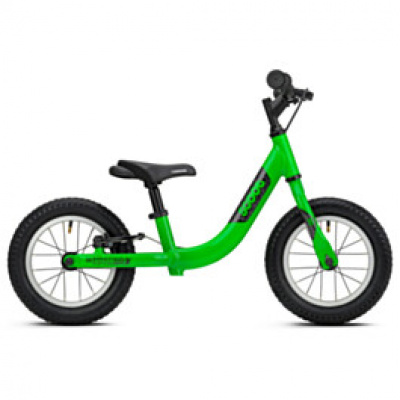
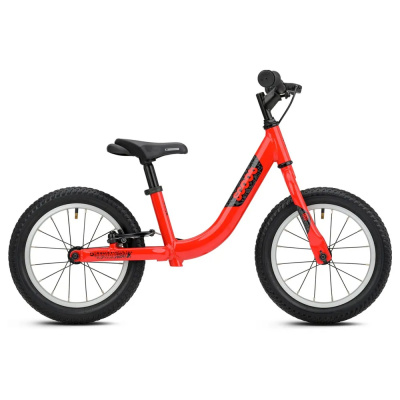
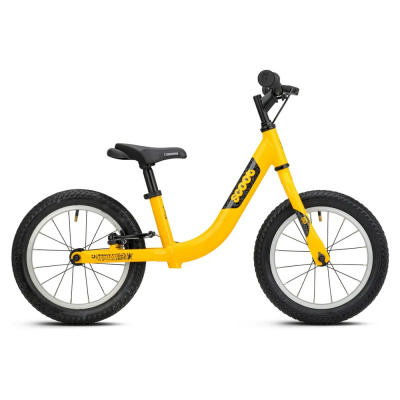
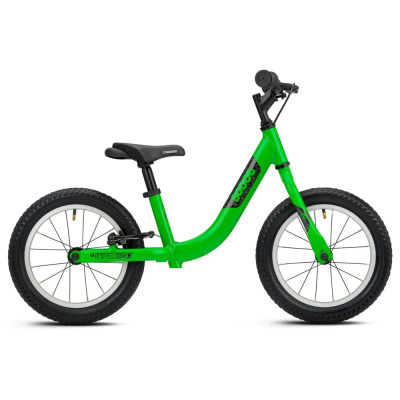
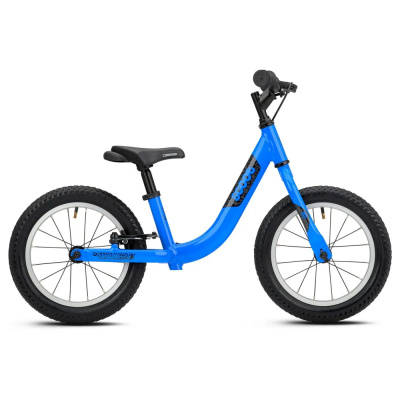
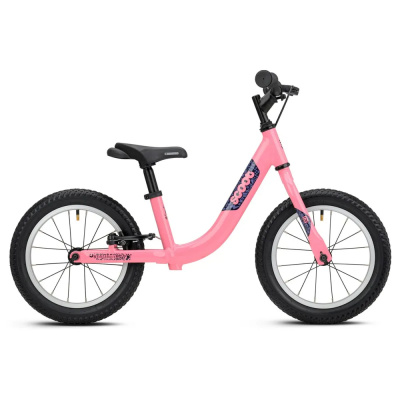
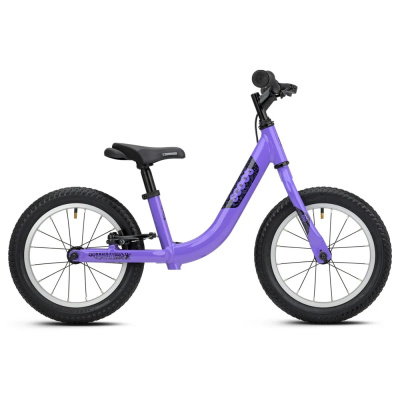
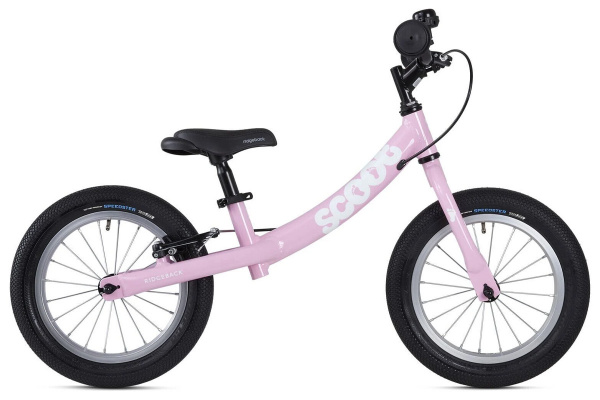
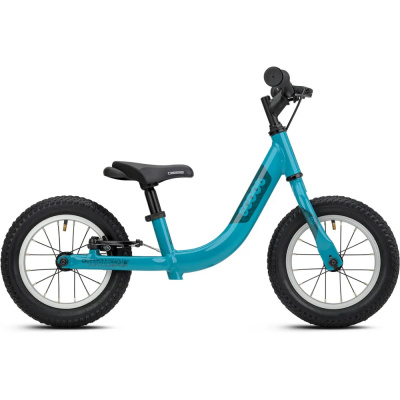
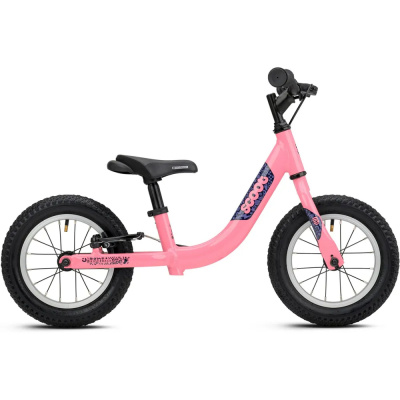
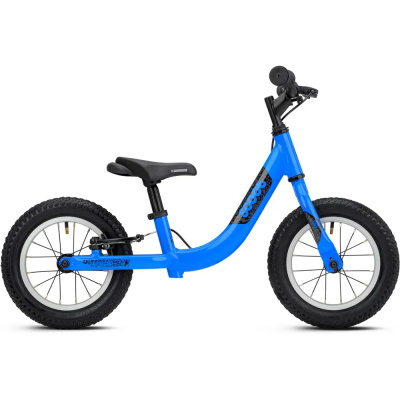
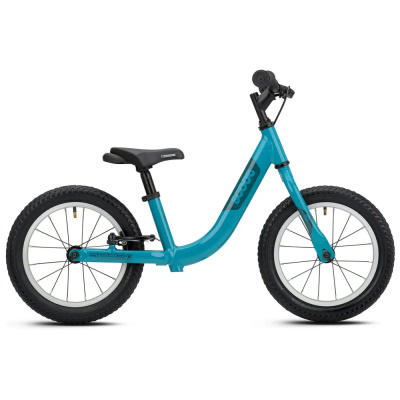
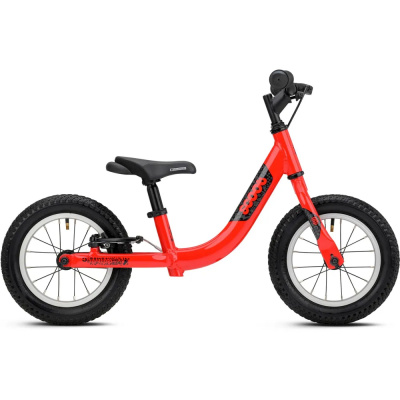
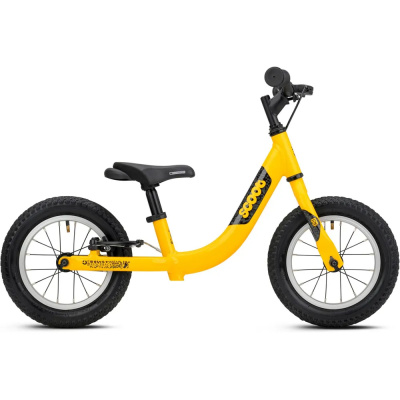
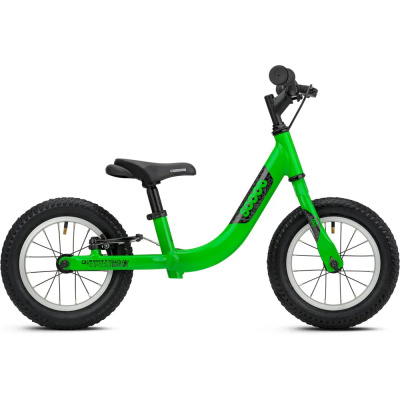
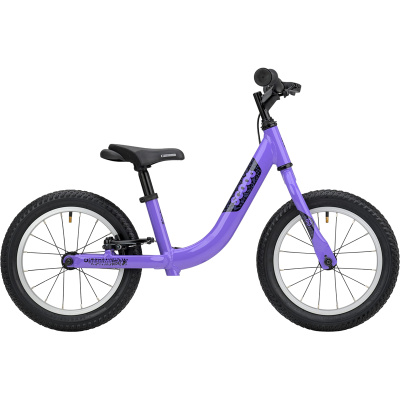
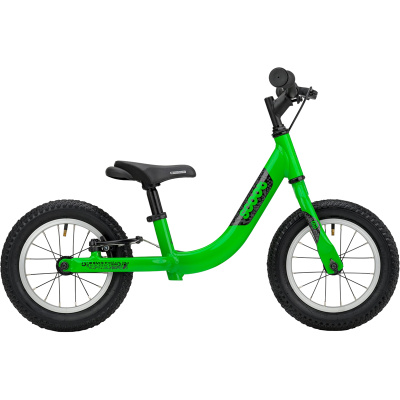
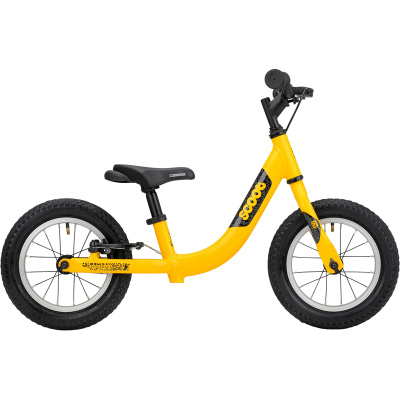
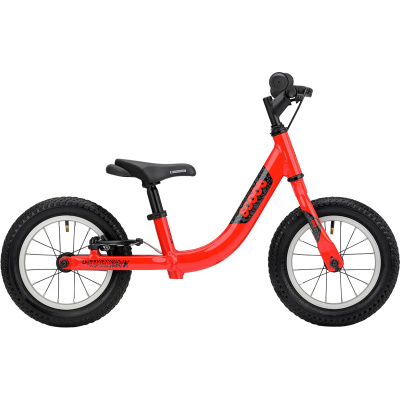
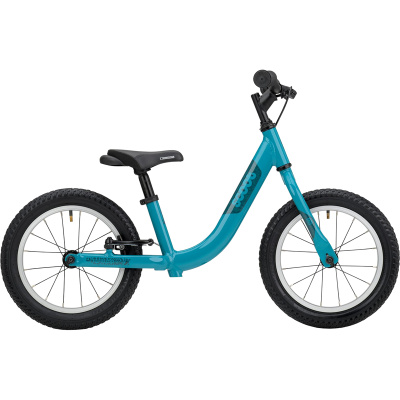
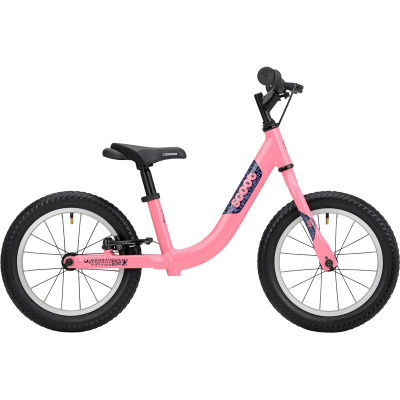
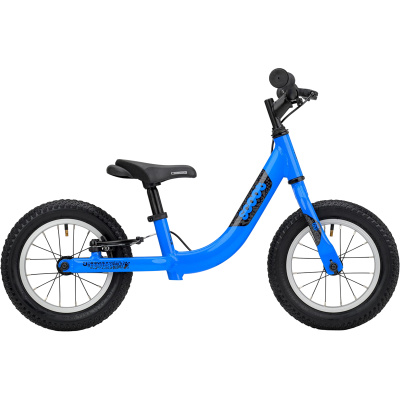
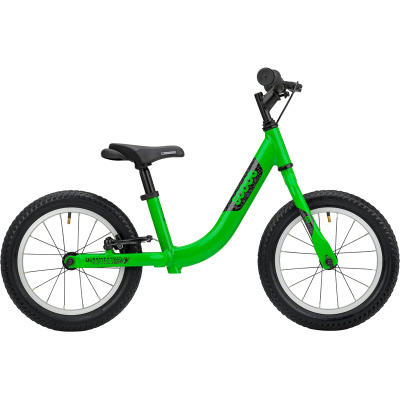
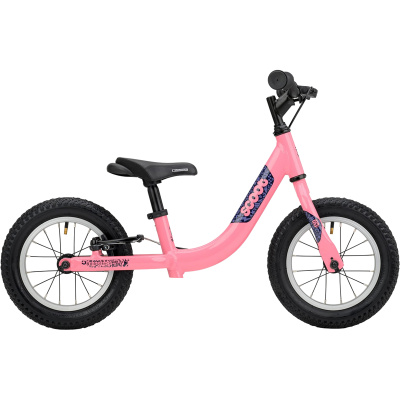
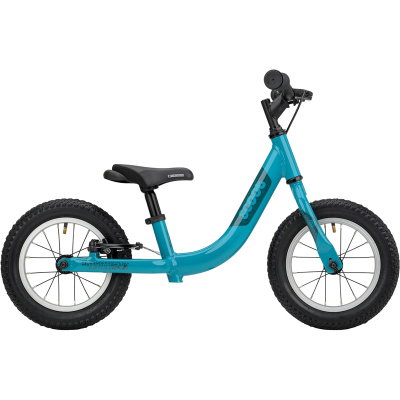
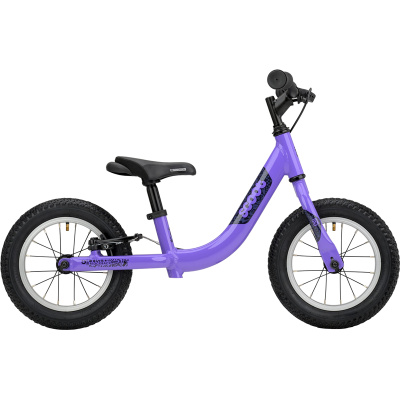
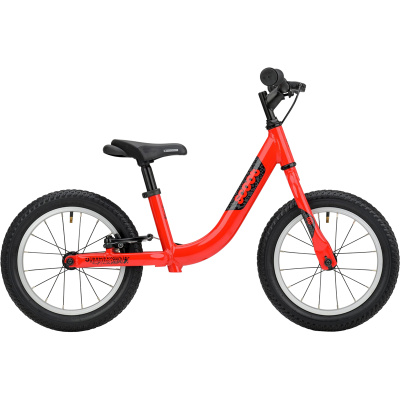
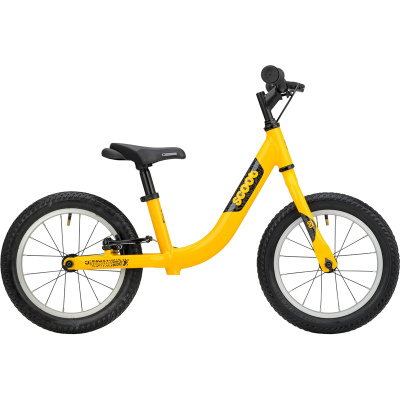
Prices and availability can change quickly. Delivery charges are not always included in listed prices.
Final price, stock status and delivery terms are set by retailer. We may receive a commission on purchases made.
Bikesy's Verdict
The Ridgeback Scoot does one job brilliantly: it teaches balance without compromise. That 6061 aluminium frame is light enough for toddlers to wrestle into submission yet tough enough to survive years of crashes, jumps, and sibling hand-me-downs. The rear hand brake - a rarity at this price - builds stopping skills early, so the transition to pedal bikes feels natural rather than terrifying. Two seatposts in the box mean the bike grows with your child across multiple seasons, and the sealed bearings shrug off mud and puddles with minimal fuss.
It's heavier than premium options from Islabikes or Woom, and the rigid fork won't coddle riders on rough ground, but those are fair trade-offs for a bike that prioritises durability and real-world usability over gram-shaving. If you want a balance bike that feels like a proper machine rather than a plastic toy - and one that genuinely prepares your child for the demands of pedal-bike riding - the Scoot delivers without drama or faff.
Pros
- Lightweight 6061 aluminium frame makes handling effortless for toddlers
- Rear hand brake teaches stopping skills early and safely
- Two seatposts included extend usable height range across multiple years
- Sealed bearings and internal cable routing keep maintenance minimal
- Durable build quality survives years of crashes and hand-me-downs
Cons
- Heavier than premium balance bikes if you're chasing the lightest option
- Rigid steel fork transmits bumps on rough ground - fine for parks, less so for trails
- Rear brake power is deliberately limited for safety, so aggressive riders may want more bite
About the Ridgeback Scoot
Ridgeback built the Scoot on a simple premise: toddlers deserve a proper bike, not a plastic toy. That means 6061 aluminium tubing, sealed bearings, and a rear hand brake - features you'd expect on an adult machine, scaled down for riders who've barely mastered walking. The result is a balance bike that feels planted and predictable from the first push, letting two-and-a-half-year-olds scoot, glide, and carve their way toward pedal-bike confidence without the faff of stabilisers or the wobble of cheaper kit.
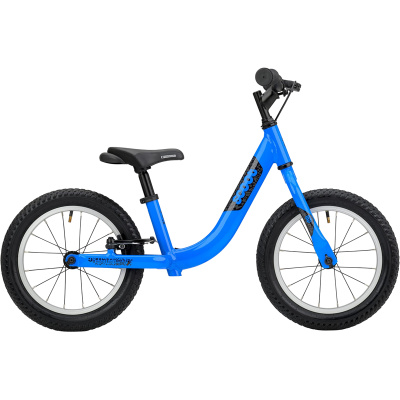
The frame's open step-through design drops the standover low enough that even cautious toddlers can plant both feet flat when nerves kick in. A long wheelbase and low centre of gravity keep things stable at speed (toddler speed, admittedly), while the steel fork soaks up pavement cracks without adding unnecessary weight. You'll notice the internal brake cable routing - a tidy touch that prevents snagging on playground gates - and the quick-release seatpost clamp, which means height tweaks take seconds, not tantrums. Ridgeback includes two seatposts in the box, extending the usable range from around 33 cm to 51 cm, so the bike grows through at least two summers of spurts and scraped knees.
What sets the Scoot apart in a crowded field is that rear V-brake. Most balance bikes skip brakes entirely, arguing that foot-dragging suffices. Ridgeback disagrees. The Tektro lever is reach-adjustable for small hands, and the aluminium calliper delivers enough bite to teach modulation without locking the rear wheel. It's a head start on the coordination pedal bikes demand, and it means your child learns that levers mean stopping long before they're hurtling down a hill with gears and momentum in play.
Ridgeback Scoot geometry
Balance-bike geometry doesn't get the same obsessive scrutiny as enduro sleds, but the Scoot's proportions matter more than you'd think. The longer wheelbase - stretched to keep the bike stable rather than twitchy - means toddlers can lean into turns without the front wheel tucking. The low bottom bracket drops the saddle close to the ground, so even shorter riders can sit comfortably and still touch down with bent knees, which builds confidence faster than tiptoeing.
Handlebar width sits at 460 mm on the 12-inch model (480 mm on the XL), wide enough to give leverage without forcing an awkward shoulder spread. The 30 mm rise keeps wrists neutral, and the steel quill stem adjusts for height as your rider grows. Stack and reach aren't published - this isn't a race bike - but the upright posture keeps weight centred, so steering stays light and predictable. When your child stands to push, the frame tucks out of the way; when they sit to glide, the saddle supports without cramping their legs. It's intuitive geometry that gets out of the way of learning.
Component choices & upgrades
The Scoot arrives well-sorted from the factory, and there's little reason to swap parts unless something breaks. The Vee Speedster tyres are pneumatic 12 × 2.0-inch rubber with enough tread to grip damp grass and enough volume to smooth out cracked pavements. They're not tubeless-ready (this is a toddler bike), but they hold air well and roll faster than foam alternatives. If your child graduates to gravel tracks or bridleways, the Speedsters cope without drama.
The Tektro brake lever and aluminium V-calliper are child-specific kit, designed for small hands and limited grip strength. Reach adjustment is tool-free, so you can dial it in as fingers grow. Brake pads are standard cartridge types; replacements cost pennies and take minutes to fit. The sealed headset and full-bearing hubs are maintenance-light - an occasional wipe-down and a drop of oil on the brake pivot keep things smooth.
Grips are soft Ridgeback-branded rubber, comfortable enough that blisters are rare even on long park sessions. The saddle is lightly padded and features an integrated carry handle on some batches, handy when you're lugging the bike up stairs or into the car. If your child finds the saddle too firm after extended rides, aftermarket options exist, but most riders adapt quickly. The steel seatpost is bombproof; if you lose one of the two supplied posts, replacements are standard 27.2 mm diameter.
Upgrades? Save your money. The Scoot's spec is already pitched at the right level for its job. Lighter wheels or carbon bars would be absurd overkill, and the frame's simplicity means there's no suspension to fettle or gears to index. Spend your budget on a decent helmet and knee pads instead - those pay dividends when confidence outpaces caution.
Where the Ridgeback Scoot excels
The Scoot is outstanding at one thing: teaching balance. Smooth tarmac, flat park paths, gentle garden slopes - anywhere a toddler can push off and glide without obstacles, this bike shines. The lightweight aluminium frame means even tentative riders can manoeuvre it without help, and the hand brake introduces stopping skills early, building muscle memory that transfers directly to pedal bikes. If your goal is a confident, brake-savvy rider by age four, the Scoot delivers.
It also handles light off-road duty better than you'd expect. Compacted gravel tracks, mown grass, and shallow dirt paths are all fair game, thanks to the Speedster tyres' tread and the frame's stable geometry. The sealed bearings shrug off puddles and mud, so post-ride cleanup is minimal. For families who mix park loops with countryside walks, the Scoot keeps up without complaint.
Where it's not ideal: technical terrain. Roots, rocks, and steep descents are beyond both the bike's capability and the rider's skill level at this age. The rigid steel fork transmits every bump, which is fine on smooth surfaces but harsh on rough ground. And while the rear brake is excellent for learning, it's not powerful enough to lock the wheel on steep slopes - a safety feature, really, but it means aggressive riders might outgrow the bike's braking before they outgrow its size range. The Scoot is also heavier than premium balance bikes from brands like Islabikes, so if you're chasing the absolute lightest option for a petite rider, you'll find trimmer alternatives. But for most families, the Scoot's blend of durability, features, and real-world usability hits the sweet spot.
Ridgeback Scoot FAQs
What age is the Ridgeback Scoot suitable for?
The 12-inch Scoot fits riders aged roughly two-and-a-half to five years, depending on inseam length. Ridgeback recommends measuring from crotch to floor; you'll want at least 33 cm of inseam to start, extending to around 51 cm at the upper limit. The 14-inch Scoot XL suits taller or older children, typically four to seven years, with inseams from 40 cm to 58 cm.
Does the Ridgeback Scoot have brakes?
Yes, and that's a key selling point. The Scoot features a rear V-brake with a Tektro reach-adjustable lever, letting young riders learn hand-braking skills early. Most balance bikes skip brakes entirely, relying on foot-dragging, but Ridgeback's approach gives children a head start on the coordination pedal bikes demand.
What is the weight of the Ridgeback Scoot?
The 12-inch model weighs approximately 4.8 kg (10.5 lb), while the 14-inch XL tips the scales around 5.3 kg (11.6 lb). That's light enough for toddlers to handle but robust enough to survive years of crashes, jumps, and sibling hand-me-downs.
How do you adjust the seat height on a Ridgeback Scoot?
Loosen the quick-release clamp on the seat tube, slide the seatpost up or down, then tighten the clamp until snug. Ridgeback supplies two seatposts - one shorter, one longer - so you can swap them as your child grows, extending the usable height range without buying a new bike.
Is the Ridgeback Scoot a good first bike for a toddler?
Absolutely. The lightweight aluminium frame, stable geometry, and functional hand brake make it one of the most effective tools for teaching balance and bike-handling skills. It's built like a real bike rather than a toy, so it inspires confidence and transitions smoothly to pedal bikes when the time comes.
What's the difference between the Ridgeback Scoot and Scoot XL?
Wheel size and fit range. The standard Scoot runs 12-inch wheels and suits inseams from 33 cm to 51 cm; the XL uses 14-inch wheels and accommodates 40 cm to 58 cm inseams. The XL also has slightly wider handlebars (480 mm versus 460 mm) and weighs a touch more, but the frame design and component spec remain consistent.
Key Features & Benefits
- 6061 aluminium frame: Light enough for toddlers to steer and manoeuvre confidently, yet tough enough to survive years of use and multiple siblings.
- Tektro rear hand brake with reach adjustment: Teaches proper braking technique early, building muscle memory and coordination that transfers directly to pedal bikes.
- Two seatposts supplied in the box: Extends the usable height range from 33 cm to 51 cm, so the bike grows with your child across multiple seasons without needing replacement.
- Vee Speedster pneumatic tyres: Grippy tread and air cushioning smooth out pavement cracks and handle damp grass, making rides comfortable on mixed surfaces.
- Internal brake cable routing and sealed headset: Keeps cables tidy and protected from snags, while sealed bearings shrug off mud and puddles with minimal maintenance.
Ridgeback Scoot 2024 and earlier differences
The Scoot has remained remarkably consistent since its introduction in 2007, with Ridgeback focusing on incremental refinements rather than wholesale redesigns. The 2025 model continues the core formula - 6061 aluminium frame, Tektro rear brake, dual seatposts, and Vee Speedster tyres - that's proven effective across nearly two decades. Updates have centred on paint finishes and colour options rather than geometry or component changes, so a 2024 or 2023 Scoot will ride identically to the current model.
Older iterations (pre-2020) occasionally featured slightly different tyre specs or grip compounds, and some early batches drew criticism for lacquer durability on the frame finish, though that appears resolved in recent production runs. The sealed headset and internal cable routing have been standard for several years, as has the aluminium rim and full-bearing hub spec. If you're considering a used Scoot, check the frame for cracks (unlikely but worth inspecting) and verify that both seatposts are included, as replacements are standard 27.2 mm diameter but the dual-post system is part of the bike's value proposition. Brake pads and tyres are consumables; budget for replacements if the bike's seen heavy use.
Alternatives to Consider
Within Ridgeback's own range, the Scoot XL is the natural step-up, swapping 12-inch wheels for 14-inch hoops and stretching the fit range to suit taller or older children (inseams from 40 cm to 58 cm). It shares the same aluminium frame, hand brake, and dual-seatpost setup, so if your child is already pushing the upper limit of the standard Scoot, the XL buys another year or two before the pedal-bike transition. There's no step-down model - Ridgeback keeps the balance-bike lineup simple.
Cross-brand, the Islabikes Rothan is a premium alternative that undercuts the Scoot on weight by a few hundred grams, thanks to lighter rims and a more minimalist build. It lacks a hand brake, relying instead on foot-dragging, but the geometry is similarly stable and the quality is impeccable. The Frog Tadpole sits in the same weight and price bracket as the Scoot, offering a rear drum brake (smoother modulation than a V-brake) and a slightly more upright riding position. The Early Rider Alley Runner leans sportier, with a lower, racier stance and birch-ply frame that's lighter still but less forgiving on rough ground. For budget-conscious families, the Strider 12 Sport is a solid plastic-and-steel option that's heavier and less refined but costs significantly less; it skips the hand brake entirely. Finally, the Woom 1 matches the Scoot's aluminium build and adds a rear footbrake (a drum brake activated by backpedalling), though it's typically pricier and harder to find in the UK. The Scoot's combination of hand brake, dual seatposts, and robust construction makes it a strong middle-ground choice for families who want real-bike features without premium-brand pricing.
Reviews
Aluminium tubing and sealed bearings signal intent before the first push. The frame's open step-through drops low enough that even hesitant riders plant both feet flat, and the long wheelbase keeps things composed when toddler confidence outpaces skill. We appreciate the internal brake cable routing - it's a tidy detail that prevents snags on playground gates and keeps the cockpit clean.
That rear V-brake earns its place. The Tektro lever adjusts for tiny hands, and the calliper delivers enough bite to teach modulation without locking the wheel. Most balance bikes skip brakes entirely, but the Scoot's approach builds muscle memory early, so the leap to pedal bikes feels less daunting. When your child squeezes the lever mid-glide and scrubs speed smoothly, you'll see the value.
Vee Speedster tyres grip damp grass and cracked tarmac without drama, and the pneumatic cushioning smooths out bumps that would rattle a foam-wheeled toy. The sealed headset and full-bearing hubs shrug off puddles and mud, so post-ride cleanup is minimal. Because the frame weighs around 4.8 kg complete, even tentative riders steer and manoeuvre without help - a crucial confidence-builder in those first wobbly weeks.
Two seatposts in the box extend the usable range from 33 cm to 51 cm, which means the bike grows through multiple summers without needing replacement. The quick-release clamp makes height tweaks instant, so you're not wrestling with Allen keys mid-tantrum. While the rigid steel fork transmits every bump - fine on smooth paths, less forgiving on rough trails - the stable geometry keeps things predictable. If your child graduates to gravel tracks or bridleways, the Scoot copes without complaint, though technical terrain remains beyond both bike and rider at this age.
Full Specification
| Spec | Value |
|---|---|
| Frame Material | 6061 Aluminum Alloy |
| Frame Design | Open frame |
| Frame Features | Internally routed brake cable, quick-release seatpost clamp, supplied with two seatposts |
| Fork | Hi-Ten Steel, rigid |
| Brakes | Rear hand brake, V-brake |
| Brake Levers | Tektro adjustable reach child-specific, composite two-finger |
| Brake Calipers | Superior Aluminum V-brake |
| Rims | Aluminum LA-07, 20 hole |
| Rims (Internal Width) | 12 inch or 14 inch diameter |
| Spokes | Steel 14g |
| Hubs (Front) | Aluminum HB-29F, 100 mm spacing, full bearing |
| Hubs (Rear) | Aluminum HB-29F, 100 mm spacing, full bearing |
| Tyres (Front) | Vee Tire Co. SPEEDSTER, 12 x 2.0 (12 inch model) or 14 x 2.0 (XL model), pneumatic |
| Tyres (Rear) | Vee Tire Co. SPEEDSTER, 12 x 2.0 (12 inch model) or 14 x 2.0 (XL model), pneumatic |
| Handlebar Width | 460 mm (12 inch model), 480 mm (XL model) |
| Handlebar Rise | 30 mm |
| Handlebar Clamp Diameter | 25.4 mm |
| Stem | Steel Quill |
| Grips | Ridgeback grips |
| Headset | Sealed |
| Seatpost | Steel, 27.2 x 200 mm, quick-release clamp |
| Saddle | Ridgeback saddle, padded |
| Weight (Approx) | 10.5 lbs (12 inch model), 11.6 lbs (14 inch XL model) |
| Available Sizes | 12 inch wheel, 14 inch wheel (XL) |