
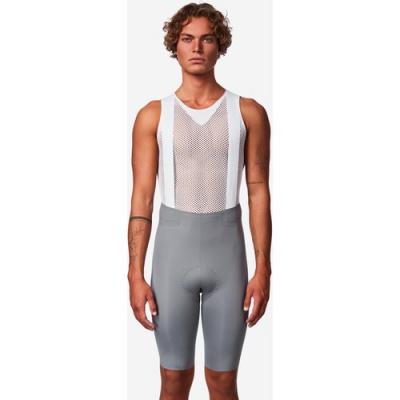
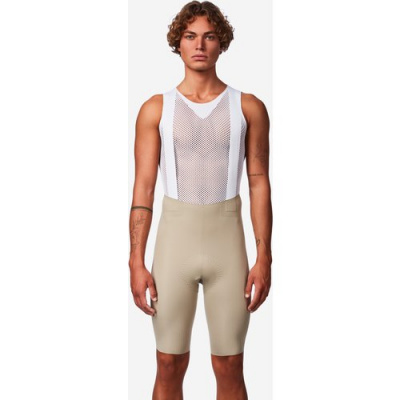
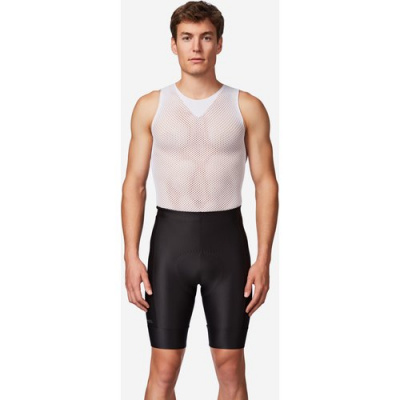
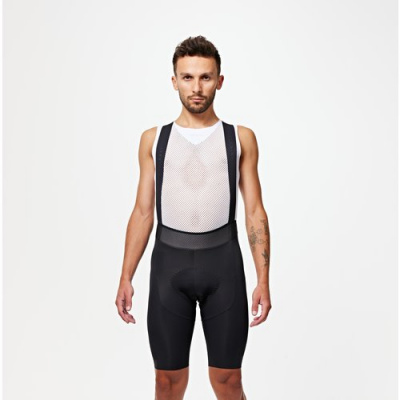
Van Rysel Regular Shorts
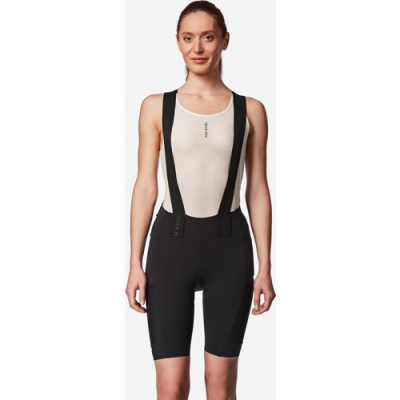
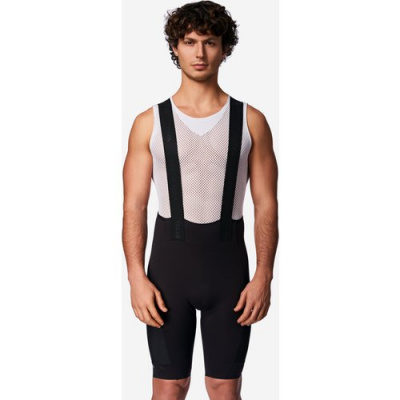
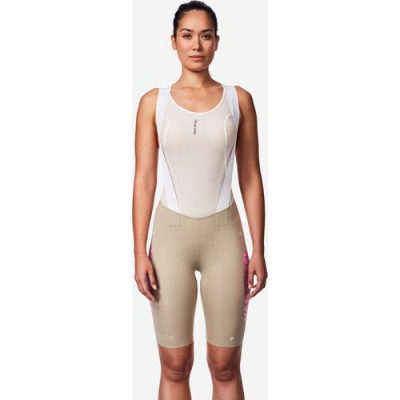
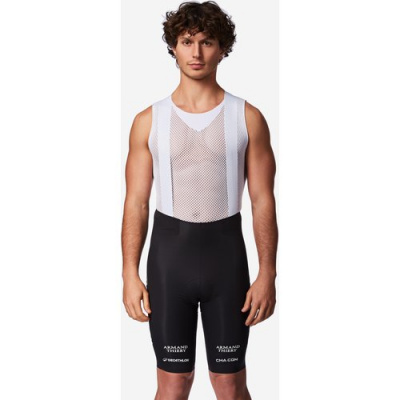
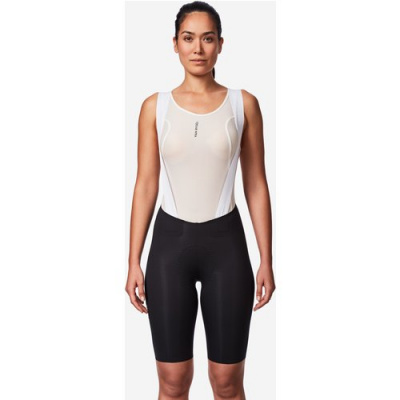
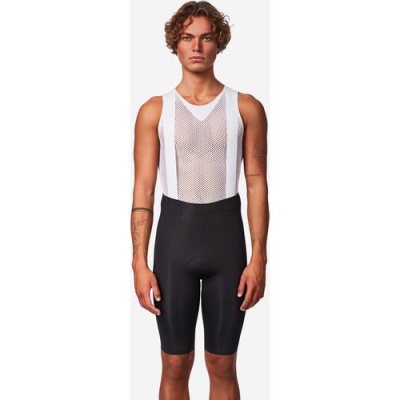
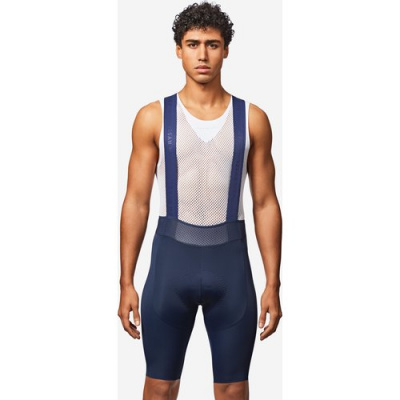
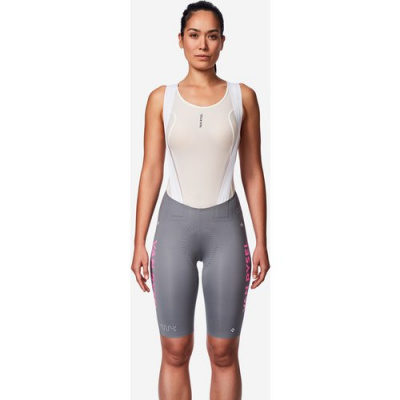
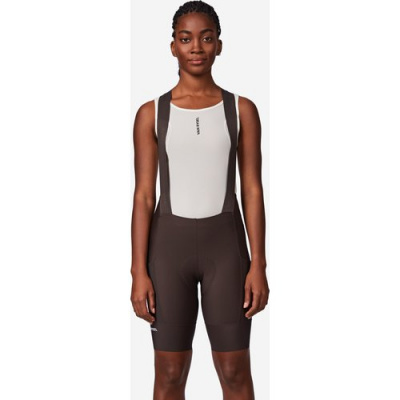
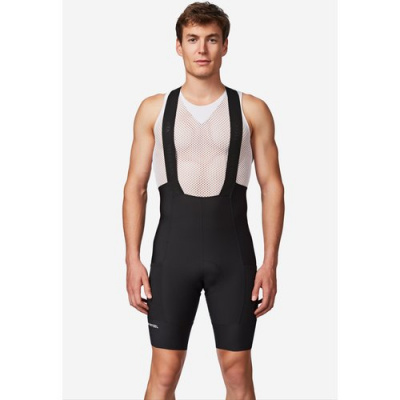
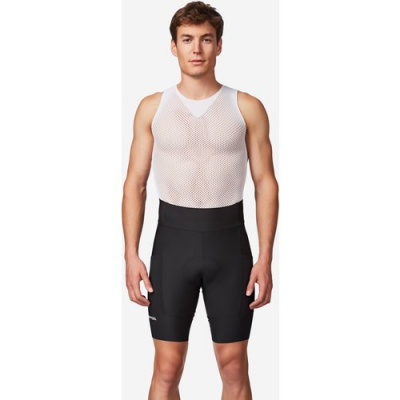
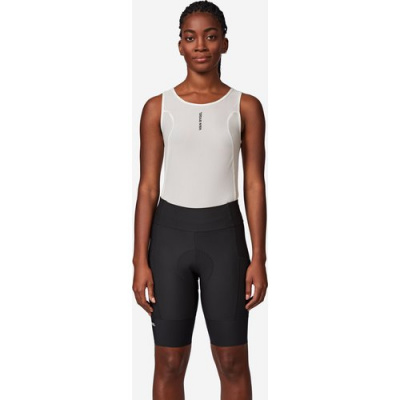
Van Rysel regular cycling shorts give you proper padded performance without the bib straps - and for a lot of riders, that freedom matters more than people admit. Strip away the braces and you get significantly better ventilation across your core, which makes a real difference on humid British summer days or when you're grinding through a turbo session in a warm garage in January. No bib straps bunching under a base layer, no faff when you need a comfort stop mid-ride. Just pull them on and get moving.
What makes Van Rysel worth your attention here isn't just the price point - it's the spec they pack in. High-density foam chamois pads, wide elasticated waistbands engineered to disperse pressure rather than dig in, silicone leg grippers that hold the shorts exactly where they should be, and moisture-wicking fabrics that do actual work when you're sweating. These aren't basics dressed up in a logo. The chamois pad quality, particularly on the higher-end models, punches well above what the price suggests. If you commute part of the way by bike and need to change quickly at the other end, non-bib shorts are simply the more practical choice - and Van Rysel makes that practical choice a good one.
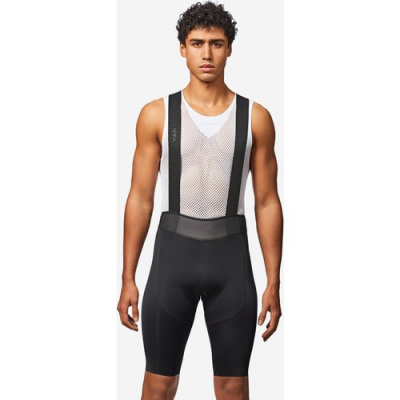
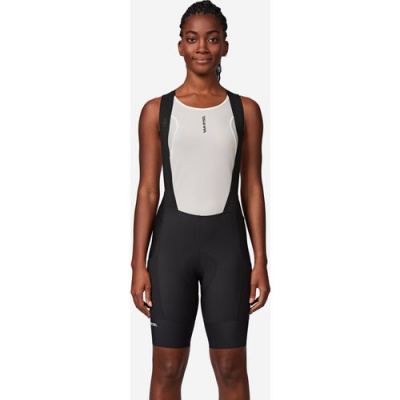
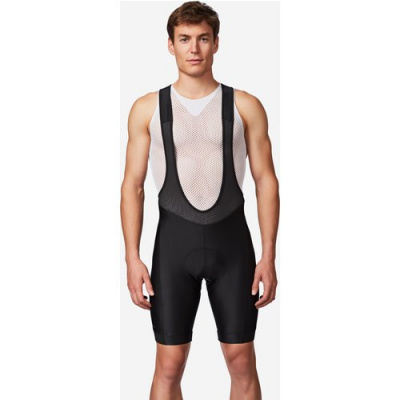
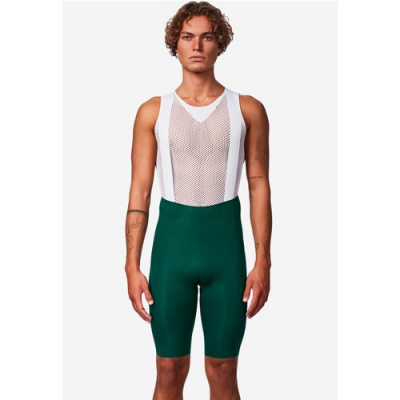
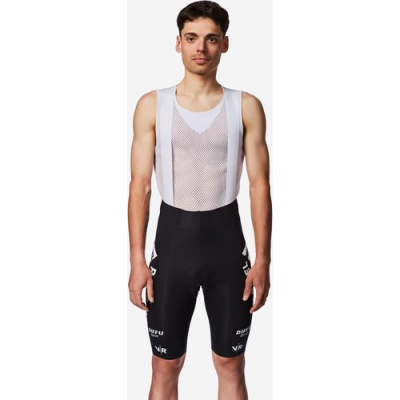
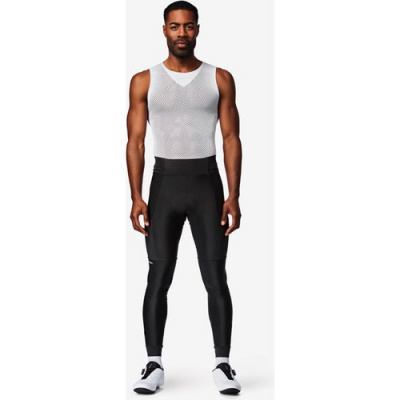
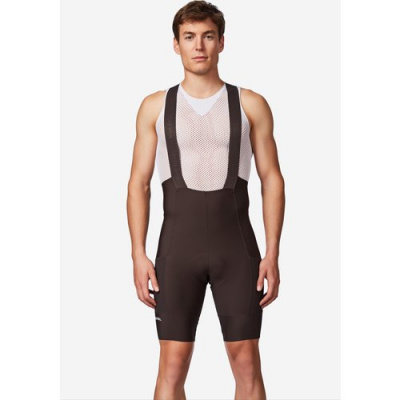
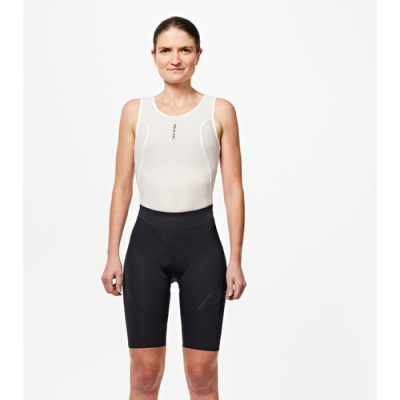
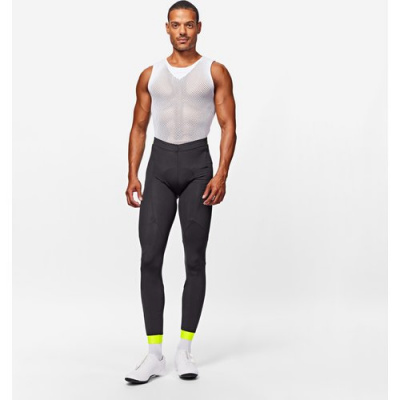
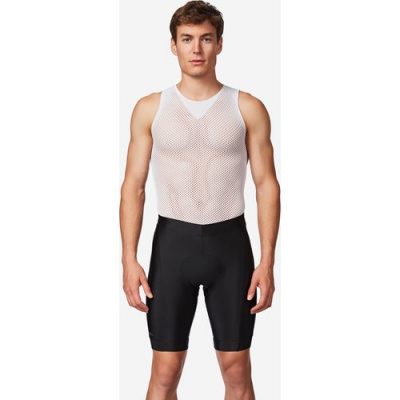
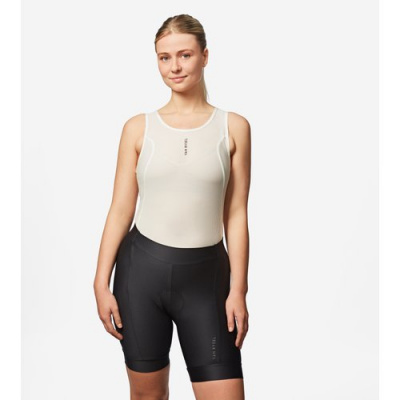
Prices and availability can change quickly. Delivery charges are not always included in listed prices.
Final price, stock status and delivery terms are set by retailer. We may receive a commission on purchases made.
Fabric Tech and Chamois Performance
Van Rysel builds their regular shorts around polyamide/elastane blends - fabrics that stretch with you through the pedal stroke, recover their shape quickly, and shift sweat away from your skin rather than holding it there. The breathable fabric construction is engineered for airflow, keeping things noticeably cooler than heavier compression materials when the British summer actually delivers. On warmer rides out through the Cotswolds or along the South Downs, that breathability is the difference between comfortable and clammy.
The chamois pad is where Van Rysel puts in serious work. Their premium models use high-density foam with multi-density zoning - firmer support under the sit bones, softer material in pressure-sensitive areas - and the top-tier options feature an Elastic Interface pad, one of the most respected chamois suppliers in the industry. It absorbs road buzz without building up that dense, numb feeling you get from cheaper single-density foam after a couple of hours. Flatlock seams run flat against the skin throughout, which means no ridge lines grinding against your inner thigh on longer efforts. The silicone micro-dot leg grippers deserve a mention too: they hold the leg hem in place through high-cadence spinning without the tourniquet effect you get from over-engineered silicone bands on cheaper shorts. Small detail, big difference over 60 miles.
Understanding the Van Rysel Fit and Range
Van Rysel waist shorts should fit skin-tight. That's not a style preference - it's functional. A loose-fitting chamois moves around with every pedal stroke, which creates friction exactly where you don't want it. The pad needs to stay locked against your body, tracking with your movement, not shifting independently. If you can pinch excess fabric at the thigh, size down.
The waistband should feel secure in the riding position - bent forward over the bars - without biting into your stomach. Van Rysel's wider elasticated waistband designs spread the hold across a broader surface area, which avoids that pressure-point dig you sometimes get from narrow elastic. Check the fit with your torso in a riding crouch, not standing upright; the geometry changes significantly.
Across their range, Van Rysel separates endurance-focused cuts - slightly higher rises, more relaxed leg lengths, chamois positioned for longer time in the saddle - from more aggressive race-oriented fits with lower rises and shorter legs suited to a forward, tucked position. Pair the right cut with your riding style and the difference is tangible. If you're primarily doing club runs or sportives, the endurance geometry will feel more natural over three or four hours. For criteriums or fast chain-gang sessions, the race cut keeps everything out of the wind and out of the way. Worth checking the Van Rysel jerseys range at the same time - matching cut and fit across jersey and shorts stops any unwanted gaps opening up when you're stretched over the bars. While waist shorts are genuinely hard to beat for convenience and cooling, riders who want absolute pad stability and zero waistband pressure during very long days should take a look at our dedicated Van Rysel bib shorts page for the full picture on those models.
Where These Shorts Fit into UK Riding
The practical case for non-bib shorts is strongest in three scenarios, and UK riders will recognise all of them. First: summer road riding. When temperatures climb and humidity follows - think a sticky August morning in the Chilterns or a humid evening out through the Surrey lanes - bib straps become a genuine heat trap across your shoulders and back. Waist shorts let air move freely, and with a moisture-wicking jersey on top, the whole system breathes much better.
Second: the turbo trainer. Indoor training through a wet British winter generates serious heat in a static environment, and bib straps compound the problem. Regular shorts are the default choice for smart trainers and rollers for exactly that reason - cooler core, less restriction, easier to get on and off when you're done. If you're pairing them with a Van Rysel base layer for a structured indoor block, you'll appreciate not wrestling with bib straps over the top.
Third: multi-modal commuting. Cycling part of the way and switching to normal clothes at the office is far simpler with waist shorts. You're not peeling off a full bib setup in a small changing room - you pull the shorts down, done. For that use case, the convenience gap between waist shorts and bibs is substantial. Throw a pair of Van Rysel socks in the bag and the commute kit sorts itself out quickly.
On care: wash at 30 degrees, turn inside out, skip the fabric softener. Softener degrades the elastane fibres and breaks down the chamois foam faster than anything else. Air dry rather than tumble dry. It sounds obvious but it's the single biggest factor in how long the pad and grippers last - a well-cared-for pair of Van Rysel shorts will comfortably outlast a neglected pair costing twice as much. If you're riding through winter and need more coverage, their Van Rysel regular tights carry similar chamois tech into a longer leg. For a broader look at how Van Rysel's waist shorts stack up against the market, dhb regular shorts, Castelli regular shorts, and Endura regular shorts all compete in this category with different fabric and chamois approaches worth comparing.
Van Rysel Regular Shorts FAQs
Are waist cycling shorts better than bib shorts?
Neither is universally better - it depends on what you need from a ride. Waist shorts are cooler, easier to get on and off, and far more practical for indoor training or commuting. Bib shorts hold the chamois more securely and remove waistband pressure entirely, which most riders prefer for long road rides or sportives. Have both if you can.
How should Van Rysel cycling shorts fit?
Skin-tight, full stop. The chamois pad has to stay in contact with your body through the pedal stroke - any looseness creates movement, and movement creates friction. The waistband should hold firm when you're bent forward in the riding position, not just standing upright. If you're between sizes, sizing down is usually the right call.
Can you wear regular cycling shorts for indoor training?
Yes, and plenty of riders specifically choose waist shorts for the turbo trainer. Without bib straps across your chest and back, your core stays significantly cooler in a warm, static indoor environment. It's a practical swap that makes a noticeable difference during longer structured sessions where heat builds up fast.