
Van Rysel Gravel Bikes
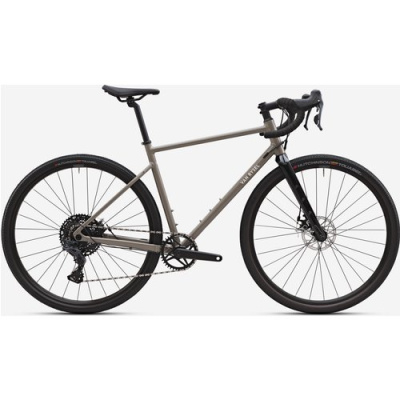
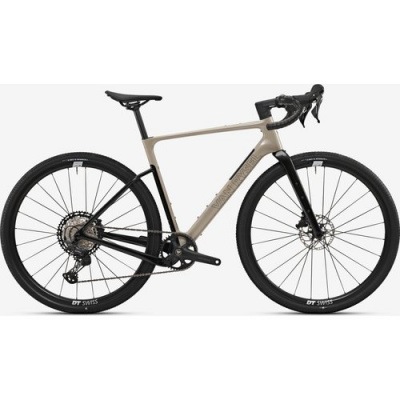
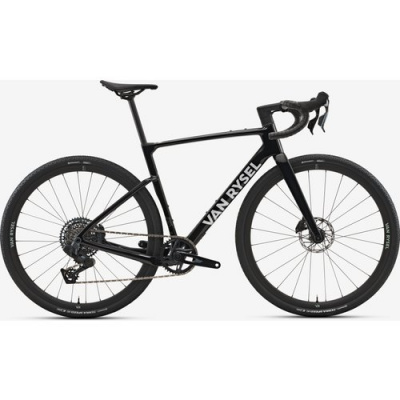
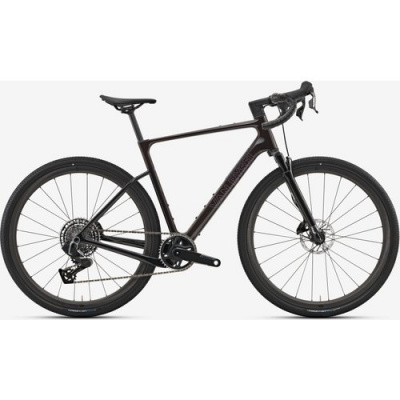
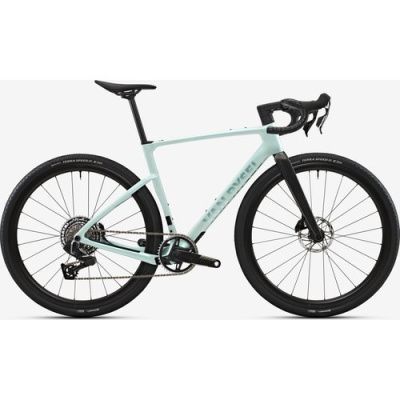
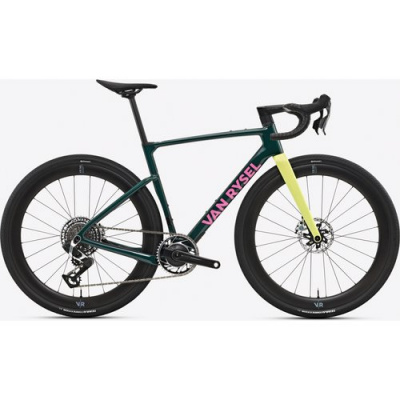
Van Rysel gravel bikes sit at the sharp end of what Decathlon's cycling division produces - proper performance machines rather than all-purpose compromises. Designed in Flanders with a clear eye on race results and fast off-road riding, the range uses high-modulus carbon frames, race-tuned geometry, and groupsets from Shimano and SRAM that you'd find on bikes costing considerably more from boutique names. This isn't a brand hedging its bets.
The lineup splits into distinct characters: the GCR (Gravel Carbon Racer) for riders who want speed and stability on fast, rough tracks; the RCX for those drawn to cyclocross circuits or genuinely muddy British winters; and the NCR (Neo Carbon Racer) sitting closer to the road end of the all-road spectrum. Each has a clearly defined purpose, which makes choosing between them straightforward once you know what kind of riding you actually do.
For UK riders, that means thinking about everything from chalk bridleways in summer to waterlogged bridlepaths in January. These bikes are built to go quickly and handle real conditions - they're not weekend warriors. If you're comparing Van Rysel against Canyon gravel bikes or weighing up Boardman gravel bikes, the Van Rysel range consistently punches beyond its price bracket.
Prices and availability can change quickly. Delivery charges are not always included in listed prices.
Final price, stock status and delivery terms are set by retailer. We may receive a commission on purchases made.
Decoding the Van Rysel Gravel Lineup
Start with the GCR, because that's the bike most riders are here for. The Van Rysel GCR is a dedicated gravel racing machine - longer wheelbase, slacker head angle, stable at speed on loose surfaces. It's designed for events like Dirty Reiver or The Traka, not a quick lap of the local cyclocross field. Trim levels track the groupset: you'll find SRAM Rival AXS on the upper builds, offering wireless shifting and a wide-range cassette that keeps you spinning on long climbs, while Shimano GRX variants offer a more traditional mechanical feel that many riders trust instinctively in foul weather. Both groupset families work well here; it really comes down to your shifting preference and how you feel about wireless drivetrain maintenance.
The Van Rysel GCR vs RCX question comes up constantly, and the answer is more straightforward than the overlapping spec sheets suggest. The RCX is a cyclocross race bike. It runs a higher bottom bracket for pedal clearance in ruts and roots, uses sharper handling geometry suited to tight, twisty circuits, and is designed around the specific demands of UCI-format racing. Plenty of UK riders use the RCX on gravel - it's a capable, fast machine - but its character is fundamentally different from the GCR's composed, distance-oriented feel. If your riding involves proper CX events or genuinely technical, punchy loops, the RCX is the one. If you're covering distance fast, the GCR is.
Then there's the Van Rysel NCR all road, which sits closer to a performance road bike with the ability to run wider rubber. Think fast sportive days with the occasional unpaved shortcut rather than a full gravel race calendar. It suits riders coming from a road background who want one bike to cover more ground without committing entirely to gravel geometry.
The Van Rysel Tech Philosophy
The frame engineering here is deliberate. Van Rysel uses a high-modulus carbon layup across the GCR and RCX that prioritises stiffness-to-weight ratio - meaning power goes into forward motion rather than flexing the frame sideways under hard sprints or punchy climbs. On a gravel bike, that matters more than people sometimes expect; loose surfaces already rob you of traction and momentum, so a frame that wastes watts through flex compounds the problem.
Where Van Rysel earns real credit is in managing compliance without sacrificing that stiffness. Dropped seatstays - where the chainstay junction sits lower on the seat tube - allow the rear end to absorb buzz and chatter from rough surfaces without the frame feeling vague or slow. It's a design choice you'll feel over a long day on flinty Peak District bridleways or corrugated gravel descents in Wales: less fatigue in your hands and lower back, without losing the snappy feel through the pedals. The integrated cockpit on the GCR race builds adds aerodynamic efficiency for riders competing in timed events, though it does restrict handlebar adjustment - worth knowing before you buy if you're still dialling in your fit.
Upgrading your rolling stock is one of the most effective ways to transform how these bikes perform. We'd point you towards our gravel wheels and gravel and cyclocross tyres category pages as logical next steps once you've got the bike sorted. The stock builds are solid, but the right tyre choice for your specific riding - whether that's a fast-rolling slick for summer chalk or a proper knobbled mud tyre for November - makes a bigger difference than almost any other change.
Hydraulic disc brakes are standard across the range, which matters on wet descents - the kind of steep, greasy lane that catches you out on a Vale of Pewsey autumn ride. Modulation is strong, and stopping power doesn't fade in the rain the way rim brakes do. Flared handlebars on the GCR give you more control when your hands drop to the hooks on rough ground, widening your steering leverage exactly when you need it.
Living with a Van Rysel in the UK
A 700c wheelset with 42mm tyre clearance on the GCR handles most of what British summers throw at it: chalk paths in the South Downs, hardpack forestry roads in Galloway, fast gravel in the Yorkshire Wolds. Forty-two millimetres is genuinely capable tyre clearance for dry conditions, giving you enough volume to run tubeless at lower pressures and absorb the kind of sharp flint that would pinch a narrower setup in seconds.
Winter is where you need to think harder. That 42mm ceiling leaves minimal room for mud to clear when the clay sticks - and on certain heavy bridleways in the Midlands or Somerset Levels, it does stick. The RCX, designed specifically around muddy circuit racing, sheds mud more effectively and runs a geometry that suits slippery off-camber surfaces. If your autumn and winter riding regularly involves fields and bridlepaths rather than hardpack tracks, the RCX deserves more consideration than its race-bike reputation might suggest. That said, fit the GCR with a proper mud tyre and you'll get through most of what UK winter riding asks of it.
One practical thing worth staying on top of: the integrated headset bearings. After wet, gritty rides - and there will be plenty - grit works its way into the bearing seats faster than it does on a conventional threaded headset. Pull the stem and clean the top cap area every few months through winter. A fresh grease application takes ten minutes and saves you an expensive bearing replacement six months down the line. Check your Van Rysel's torque specs for the integrated cockpit bolts too; carbon components need accurate torque, not guesswork.
If you're putting a Van Rysel gravel bike through proper distance riding, think about the kit you're pairing it with. Van Rysel jerseys and Van Rysel bib shorts are designed with the same performance bias as the bikes - worth considering if you want the full package dialled in. For longer days where your hands take a beating, Van Rysel gloves pair well with the GCR's ride character. And if you're exploring what else Van Rysel make beyond gravel, their road bikes share the same carbon engineering philosophy.
Van Rysel Gravel Bikes FAQs
Are Van Rysel gravel bikes good for bikepacking?
The GCR is a race-focused machine, so don't expect multiple bottle cage mounts or fork-leg bosses for heavy loadouts. It suits lightweight bikepacking well - strap-on frame bags, a saddle pack, a top tube bag - but it's not designed to carry the kind of weight a dedicated touring or adventure bike handles comfortably. Keep it light and it works well for overnighters or multi-day fastpacking.
What is the maximum tyre clearance on a Van Rysel GCR?
The Van Rysel GCR clears up to 700x42c tyres. That's more than adequate for fast dry gravel, chalk paths, and hardpack forestry roads, but leaves limited room for thick mud clearance in heavy UK winter conditions. If your riding regularly involves clay-heavy bridleways through autumn and winter, factor that ceiling into your buying decision.
What is the difference between the Van Rysel RCX and GCR?
The RCX is a dedicated cyclocross race bike - higher bottom bracket, sharper handling, built for tight circuits and muddy short-course racing. The GCR is a pure gravel bike with a longer wheelbase and slacker geometry that keeps it composed at speed on rough, open tracks. Many UK riders use the RCX on gravel successfully, but its character is fundamentally snappier and more reactive than the GCR's distance-oriented stability.