
TRP 11 Speed Cassettes
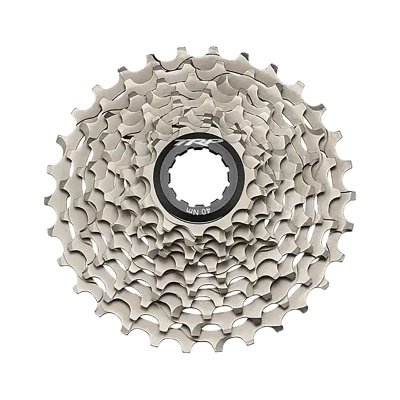
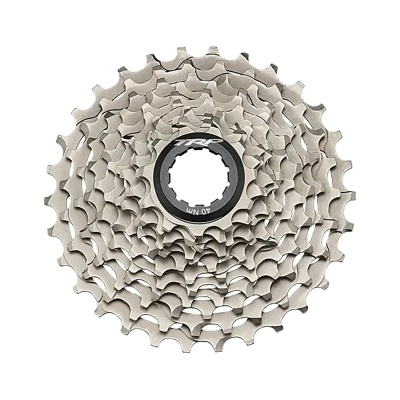
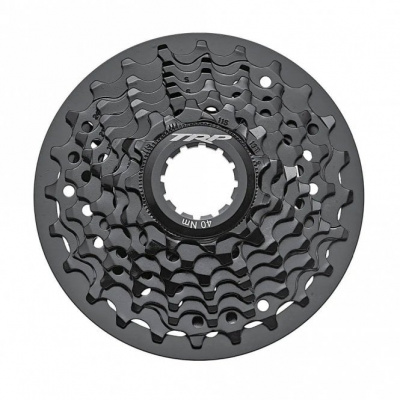
TRP 11 speed cassettes bring the same rigorous engineering the brand applies to its braking systems straight into the drivetrain - and that's a meaningful starting point. Where some cassette manufacturers treat shifting as an afterthought, TRP has built these blocks around optimised shift ramps designed to keep gear changes clean even when you're grinding up a loose climb under load. That's not a small thing when you're halfway up a Welsh hillside and the chain needs to drop two sprockets without fuss.
Construction balances high-tensile steel lower cogs for the workhorse gears you'll hammer daily, with CNC-machined alloy climbing gears at the top end to keep rotational weight in check. The result is a cassette that doesn't feel like a compromise in either direction. Whether you're building a fresh 1x11 setup or replacing a block that's finally given up after one too many muddy winters, TRP's 11-speed range gives you a solid, dependable option that works with the major drivetrain standards most UK riders already run. Check your freehub body before you order - more on that below - and you'll find these cassettes slot into a wide range of existing wheel and derailleur combinations without drama.
Prices and availability can change quickly. Delivery charges are not always included in listed prices.
Final price, stock status and delivery terms are set by retailer. We may receive a commission on purchases made.
Freehub Standards and What Fits What
Before anything else, check your freehub body. Most TRP 11-speed MTB cassettes are built around the Shimano Hyperglide (HG) splined standard - the same interface you'll find on the vast majority of trail and enduro wheels sold in the UK over the last decade. That's good news if you're running a mid-range wheelset from any of the usual suspects, because fitting is straightforward and you won't need an adapter body.
Where it gets trickier is if you're running a wheel built around an SRAM XD driver. XD freehubs use a different spline pattern and are required for cassettes with a smallest sprocket of 10 teeth or fewer - something to keep in mind if you're spec'ing a wide-range setup with a 10-50t or similar block. TRP's lineup largely sits within HG territory, so if your wheel has an XD body, double-check the specific cassette model before purchasing.
There's also a spacing quirk worth knowing: 11-speed road HG and 11-speed MTB HG freehub bodies share the same spline pattern, but the overall cassette width differs. In some setups - particularly older road hubs being repurposed for light trail use - you may need a 1.85mm spacer behind the cassette to get correct chainline and indexing. Most good mechanics will spot this immediately, but it's worth flagging if you're building the wheel yourself. Pair the cassette with a matching TRP chainring and you'll have a much easier time dialling in that chainline from the start.
Derailleur cage length matters too. Run a wide-range cassette - anything approaching 46t or beyond on the largest sprocket - and you'll need a long-cage derailleur to take up the chain slack. TRP's own derailleur range is worth cross-referencing here, but standard long-cage Shimano and SRAM 11-speed mechs will handle the job if that's what you've already got bolted on.
How TRP Builds Its Cassettes
The material split in TRP's cassettes is deliberate, not a cost-cutting measure. High-tensile steel lower cogs sit on the small-sprocket end of the block - these are the gears you'll use most, the ones that take the most chain force and the most grit. Steel is harder to wear and holds its tooth profile longer under repeated use. Alloy would save a few grams here, but it'd round off quickly under real-world trail loads.
The larger climbing gears use CNC-machined alloy, which is where the weight saving actually makes sense. You're running lower chain tension in those gears, so the alloy cogs hold up without the accelerated wear you'd get on the smaller sprockets. The net result is a cassette that's meaningfully lighter than a full-steel block without sacrificing longevity where it matters. Think of it as putting your budget in the right places rather than shaving weight indiscriminately.
Two-piece carrier designs further reduce the overall weight by grouping mid-range sprockets onto a shared alloy spider rather than machining each cog individually. This is common across quality cassette construction - you'll see similar approaches from Shimano and SRAM at equivalent price points - but the execution matters. Poorly machined carriers flex under load and cause ghost shifts. TRP's tolerances keep things stiff enough that you're not chasing indexing issues mid-ride.
The optimised shift ramps are worth dwelling on. These are the small machined profiles cut into the face of each sprocket that guide the chain during an upshift. Get them right and the chain moves quickly and positively, even when you're still pushing hard on the pedals. Get them wrong and you're sitting up, easing off, and babying the shift - which nobody wants when a climb bites. TRP has clearly spent time here, and the ramp profiles reflect that. It's not just a stamped block of metal. If you want to round out the drivetrain, TRP chainsets and cranks are designed with the same compatibility logic in mind.
Keeping Things Running Through a UK Winter
Here's the honest picture: 11-speed drivetrains have tighter sprocket spacing than 10-speed, which means mud has less room to pass through and more opportunity to pack in and cause problems. If you're riding the Peak District through November and December, that gritty, silica-rich mud doesn't just dirty the cassette - it acts as a grinding paste on the alloy climbing cogs in particular, accelerating wear noticeably faster than you'd see in dry conditions.
The practical response is regular cleaning. A stiff-bristled cassette brush and a proper drivetrain degreaser, worked between each sprocket after a muddy session, makes a real difference. Don't just rinse and lube - get the crud out from between the tightly spaced sprockets first, or you're just sealing the problem in. Chain skip on 11-speed is almost always a build-up issue before it's a wear issue.
On chain wear: check it at 0.5% stretch, not 1%. By the time a chain hits 1% on a tight 11-speed cassette, you've likely already started accelerating sprocket wear. A chain wear indicator costs very little and takes ten seconds to use. Swap the chain early and your cassette will last significantly longer - it's that simple. Sunrace cassettes are sometimes cited as a budget replacement option, but if you're already running TRP components, sticking within the same family tends to give more consistent indexing over time.
For lubrication, a quality wet lube through winter helps the drivetrain shed grit rather than trap it. Ceramic-based options give slightly longer intervals between applications, which matters when you're riding multiple days back to back. Whatever you use, apply it to a clean, dry chain - not on top of old lube and dirt.
TRP 11 Speed Cassettes FAQs
What freehub body do TRP 11-speed cassettes use?
Most TRP 11-speed MTB cassettes are designed for a standard Shimano HG (Hyperglide) splined freehub body - the most common interface on trail and enduro wheels in the UK. Always confirm your specific wheel's freehub standard before ordering, as HG and SRAM XD bodies are not interchangeable.
Can I use a Shimano or SRAM chain with a TRP 11-speed cassette?
Yes. TRP 11-speed cassettes work with quality 11-speed chains from Shimano, SRAM, and KMC without issue. Make sure your chain is the correct length for your setup and installed in the right direction if it's directional. Mixing 11-speed components across major brands is generally fine at this level.
How do I stop mud from packing into my 11-speed cassette?
Clean between the sprockets with a stiff cassette brush and degreaser after every muddy ride - don't just rinse and relube over the top. A good wet lube in winter helps the chain shed grit rather than collect it. Staying on top of this prevents the chain skip that packed mud causes on tight 11-speed spacing.