
Trek Time Trial & Triathlon Bikes
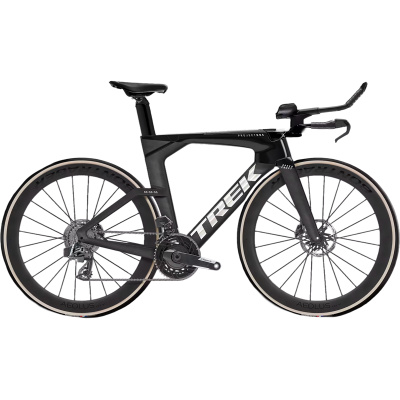
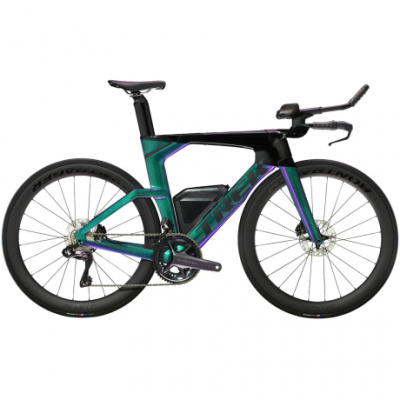
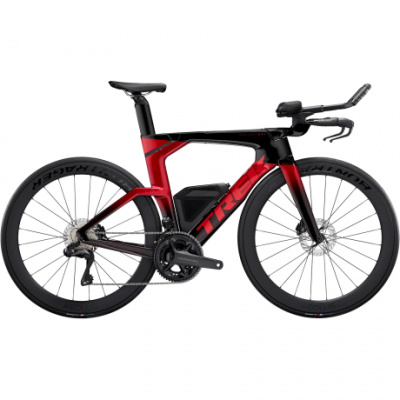
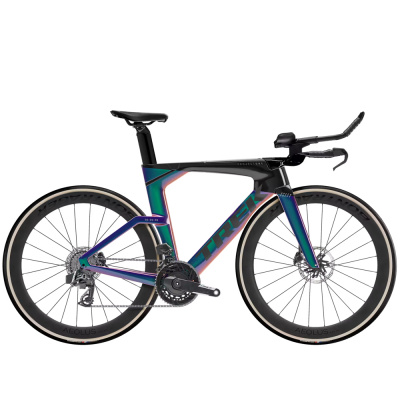
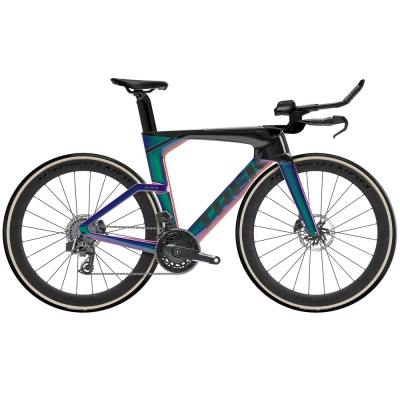
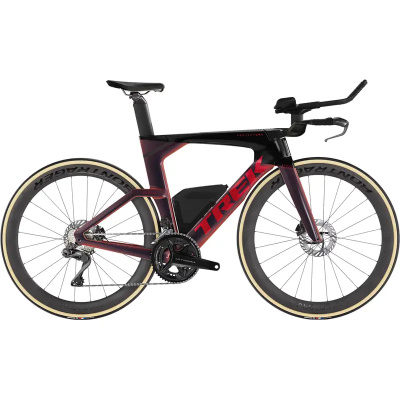
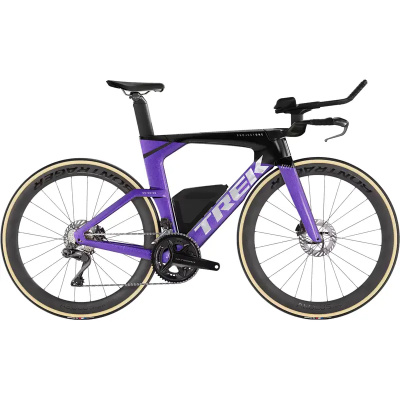
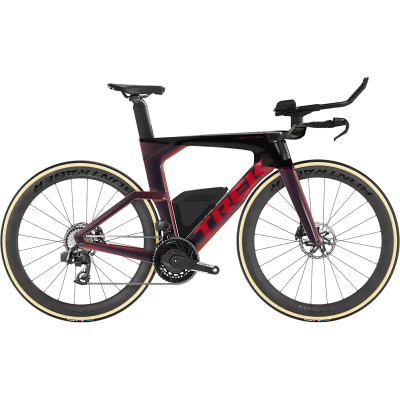
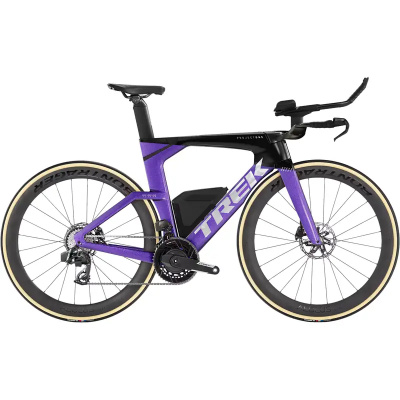
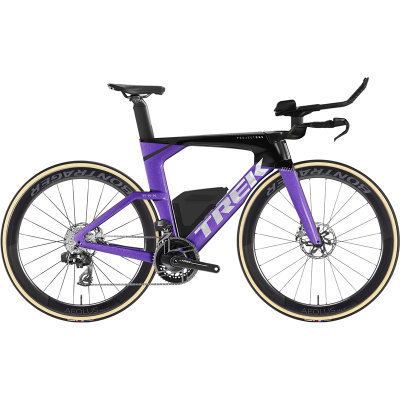
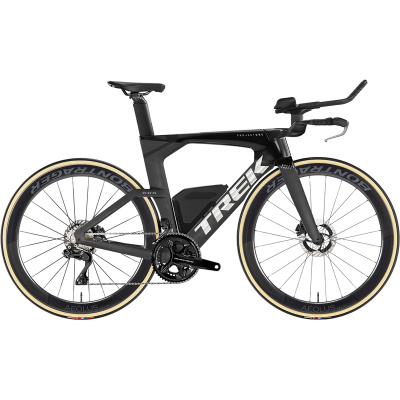
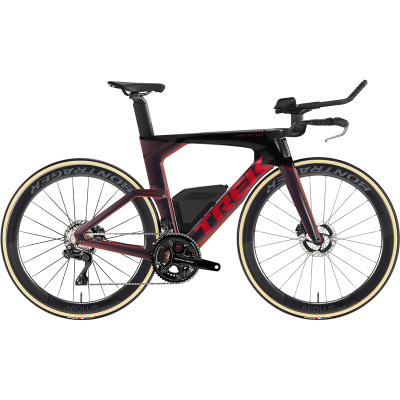
Trek Time Trial and Triathlon bikes are built around one idea: get you to the finish line faster, without leaving you so wrecked you can't run. The Speed Concept is the centrepiece of that ambition - a wind-tunnel-developed machine that's been refined through Kona age-groupers and national-level TT circuits alike. At its core are Kammtail Virtual Foil tube shapes, which cheat the air into behaving as if it's flowing around a full teardrop profile, and an IsoSpeed decoupler that stops British chip-seal from destroying your legs before you've even racked your bike. That combination is rarer than it sounds. Most aero-first TT bikes ride like drain covers; Trek made compliance part of the design brief. Whether you're targeting a sub-22-minute club 10 on a blustery A-road course or trying to negative-split an Ironman run leg, the Speed Concept range has a build configured for it. Trek also offer UCI-legal TT versions alongside the triathlon-optimised models, so you're not boxed into one discipline. Compare the latest builds below and find the right spec for your goals.
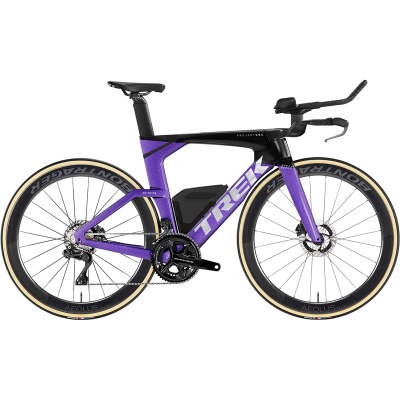
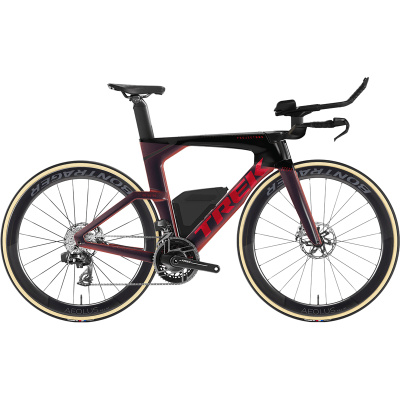
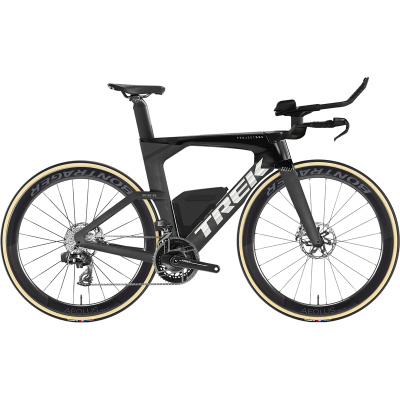
Prices and availability can change quickly. Delivery charges are not always included in listed prices.
Final price, stock status and delivery terms are set by retailer. We may receive a commission on purchases made.
Decoding the Trek TT and Tri Lineup
The Speed Concept family splits into two clear camps, and understanding that split before you buy matters. The triathlon builds are where Trek goes furthest with integration - deep aero fairings, a built-in bento box on the top tube, and front-end hydration storage that feeds directly to the aero extensions. None of that is UCI legal, and it's not meant to be. These are purpose-built for open-road triathlon racing, where getting nutrition and fluid on board without breaking position is worth more than regulatory compliance.
The TT builds strip that back. A UCI-legal fork replaces the deep fairing, the proprietary storage disappears, and you're left with a clean, compliant base bar and extension setup that'll pass scrutineering at any British Cycling-sanctioned event. Same frame, different intent. If you race both disciplines across a season, it's worth knowing which configuration you actually need - don't assume one bike covers everything without checking the spec sheet.
At the top of the range sits the Speed Concept SLR tier. SLR denotes OCLV 800 Series Carbon - Trek's highest-grade layup, which uses ultra-high-modulus fibres arranged in a pattern that chases both stiffness and a weight figure that makes the complete bike genuinely light for an aero rig. Electronic groupsets are standard at this level; there's no mechanical option, partly because the internal cable routing is designed around it. If you're stepping down to a non-SLR build, you're still getting the same tube shapes and geometry, just with a slightly heavier carbon layup and, in some cases, a different groupset tier. For most riders, that's a perfectly rational place to land.
The Trek Tech Philosophy: Aero Meets Comfort
Kammtail Virtual Foil tube shapes are the foundation of how the Speed Concept cuts through air. A true teardrop aerofoil is long and tapered - aerodynamically efficient but impractically heavy and structurally awkward in a bicycle frame. KVF mimics the airflow behaviour of that teardrop by truncating the tail, essentially tricking the wake into separating cleanly as if the profile were complete. The result is tubes that are meaningfully lighter and, critically, less prone to loading up in a crosswind. On an exposed A-road course - the kind that runs across flat fenland or alongside an estuary - that crosswind behaviour is where you feel the difference most acutely. Bikes with deep, full-profile sections can feel like a sail in a gust; the KVF shapes manage that force more predictably.
The IsoSpeed decoupler is harder to explain but easier to feel over distance. The seat tube is allowed to flex independently of the top tube junction, absorbing vertical road buzz before it travels up through the saddle. The bottom bracket shell, meanwhile, stays rigid - so your pedal stroke isn't losing energy to compliance where it matters. Think of it as isolating the part of the frame that needs to move from the part that absolutely shouldn't. Over a two-hour effort on rough UK roads, that distinction accumulates. Your glutes and lower back aren't fighting micro-vibrations the entire time, which leaves something in reserve for the run or the final push to the line. Trek use IsoSpeed across several of their road bikes, but in a TT context - where position locks you into less movement than a road bike allows - the compliance gain is arguably more significant.
If you're comparing Trek's approach to what Cervélo or Giant offer at similar price points, the IsoSpeed system is the clearest differentiator. Both of those brands produce genuinely fast frames, but neither integrates a compliance mechanism at the seat junction in the same way.
Living with a Trek Speed Concept in the UK
British TT courses are not kind to bikes or riders. The classic sporting 10 is often run on dual carriageways or A-roads with chip-seal surfaces that have been patched, re-patched, and left to deteriorate between resurfacing cycles. The IsoSpeed system earns its place here - not as a marketing footnote, but as something you'll notice by the halfway point of a longer effort when your back isn't screaming at you to sit up.
Crosswind management on exposed courses - think the kind of wide-open agricultural roads common in Lincolnshire, East Anglia, or the Somerset Levels - is where the KVF tube shapes do meaningful work. The truncated tail design reduces the lateral load that builds when a gust hits a deep-section frame side-on. It won't make crosswinds irrelevant, but it makes the bike feel more planted and less reactive than a full-foil competitor frame would in the same conditions.
Maintenance practicality is genuinely relevant on a bike you're likely cleaning regularly after wet UK rides. The T47 threaded bottom bracket is a sensible choice here - press-fit BB standards and damp conditions are a combination that leads to creaking and frustration. T47 threads in, stays put, and comes out without a hydraulic press when it's time to service it. That might sound like a minor detail on a race bike, but anyone who's fought a corroded press-fit shell in a cold garage in February will tell you it isn't.
The adjustable tower system for the aero extensions deserves mention too. Older integrated cockpits often required proprietary stems or irreversible steerer cuts to dial in position, which made bike fitting an expensive, commitment-heavy process. The Speed Concept's tower system lets you adjust stack and reach in meaningful increments without any of that. Get a proper bike fit, make the adjustments yourself, and you're done - no specialist tools, no wasted components. Pair that with a well-matched Trek saddle and a computer mount that keeps your head unit in the aero position, and you've got a genuinely complete setup.
If the Speed Concept's price point sits above your current budget, it's worth comparing the Scott Plasma range as an alternative - solid aero engineering at a slightly broader spread of price points. And if you're building out your Trek stable beyond racing, their gravel bikes are worth a look for the days when a TT position is the last thing you want. Keep a set of Trek tools in the kit bag too - the Speed Concept's integrated systems reward regular, careful torquing rather than guesswork with a knackered multitool.
Trek Time Trial & Triathlon Bikes FAQs
Is the Trek Speed Concept UCI legal?
The standard triathlon-spec Speed Concept isn't UCI legal - the deep fairings and integrated hydration storage fall outside the rulebook. Trek does produce a dedicated TT version with a UCI-legal fork and base bar configuration that passes scrutineering at British Cycling-sanctioned events. Check the specific build's spec before you enter a race.
Why does the Trek Speed Concept use IsoSpeed?
IsoSpeed lets the seat tube flex independently from the top tube, absorbing road vibration before it reaches you, while keeping the bottom bracket shell rigid so your power transfer stays clean. On rough UK chip-seal over a long effort, that means less muscular fatigue in your lower back and glutes - which matters a lot if you're running off the bike afterwards.
Can I adjust the cockpit on a Trek Speed Concept?
Yes. The modern Speed Concept uses an adjustable tower system for the aero extensions, letting you change stack and reach in meaningful increments without cutting the steerer or sourcing proprietary stems. It makes the fitting process far more straightforward than older integrated cockpit designs, and you can revisit the position as your flexibility or event calendar changes.