
Tern Folding Bikes
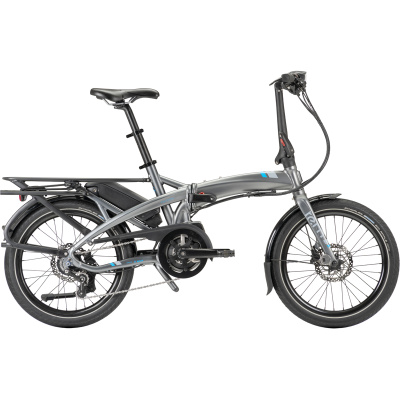
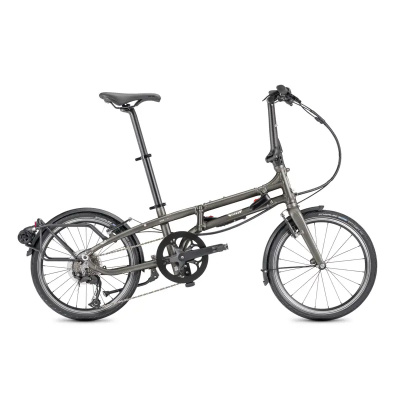
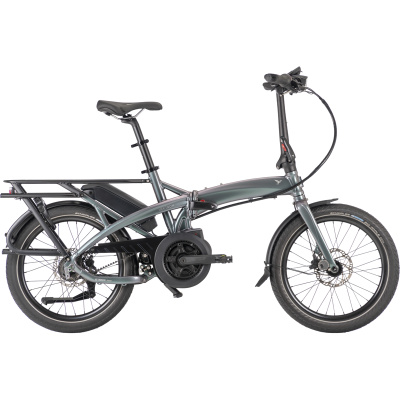
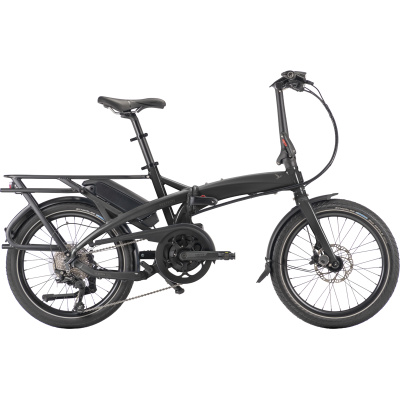
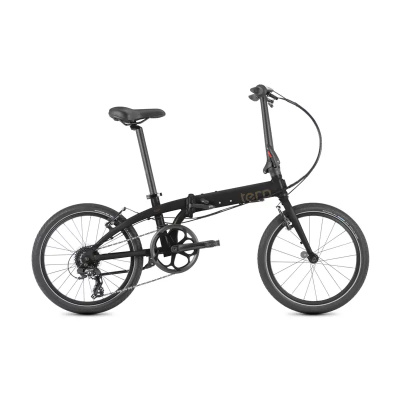
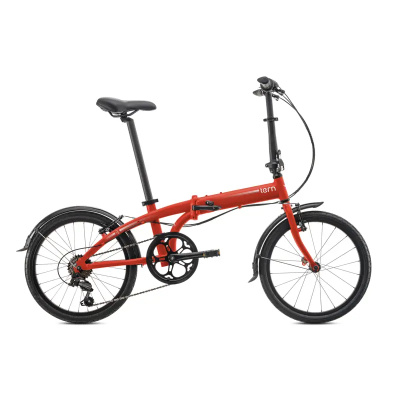
Tern folding bikes are engineered around a single, stubborn problem: most folders either ride well or fold small - rarely both. Tern's answer is a range of compact commuters that slot under a desk, fit in a train vestibule, and still feel planted and responsive on the way there. The flex-free Physis 3D handlepost and ultra-secure OCL+ frame joints are the reason you won't get that unnerving handlebar wobble that cheaper folders are infamous for. These bikes are built for riders navigating multi-modal commutes - tube, train, bus, and everything in between - as much as for people who just want something that doesn't hog the hallway.
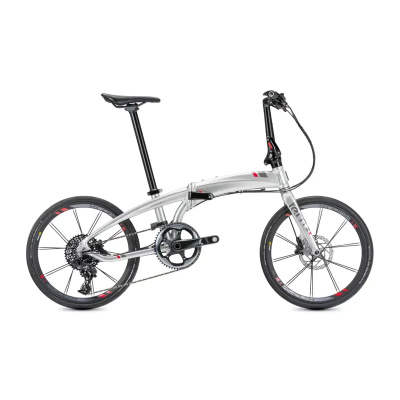
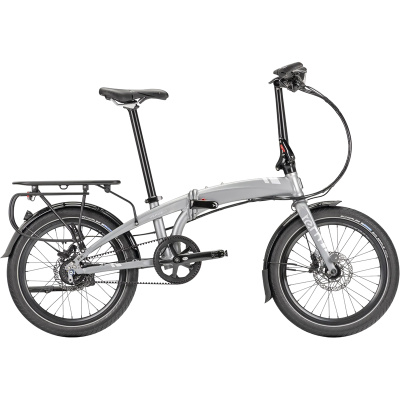
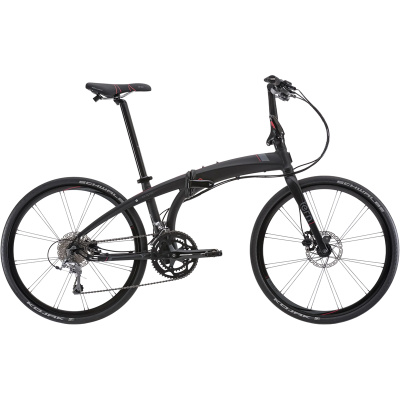
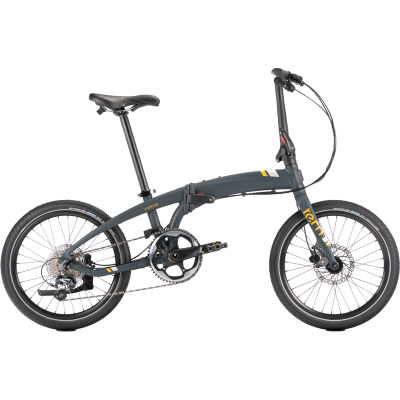
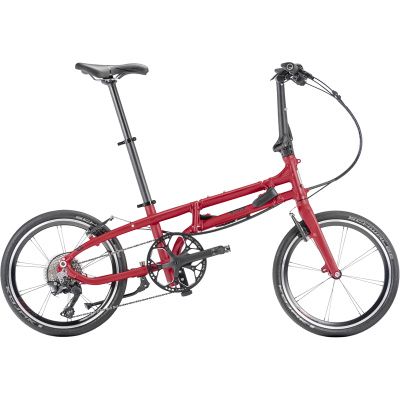
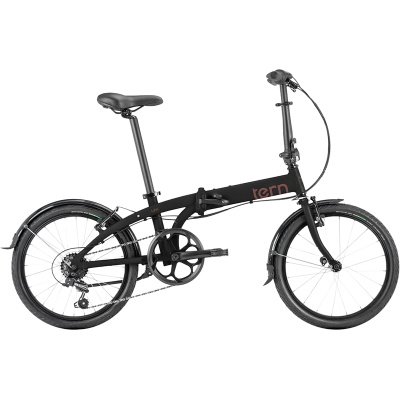
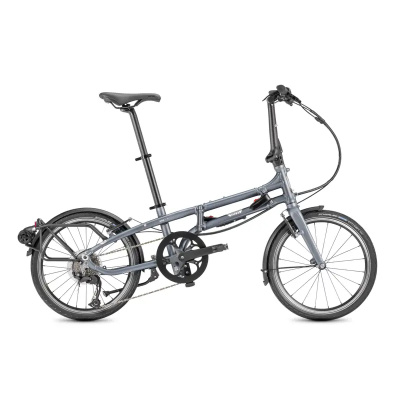
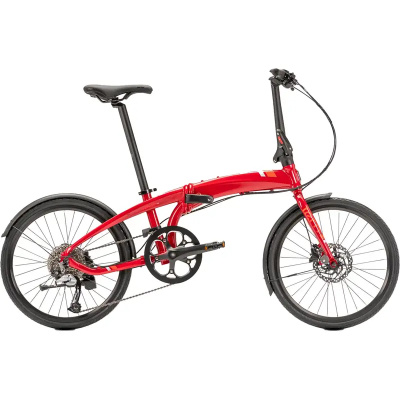
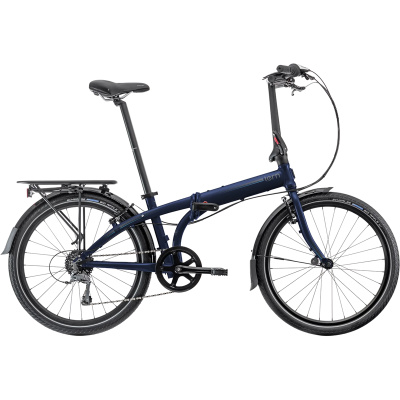
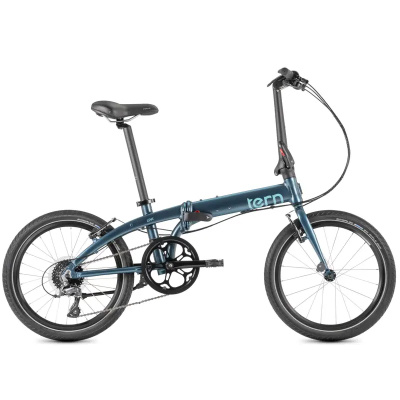
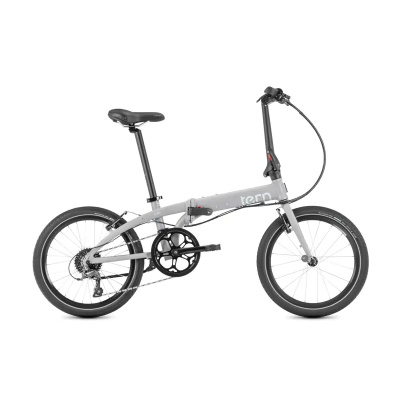
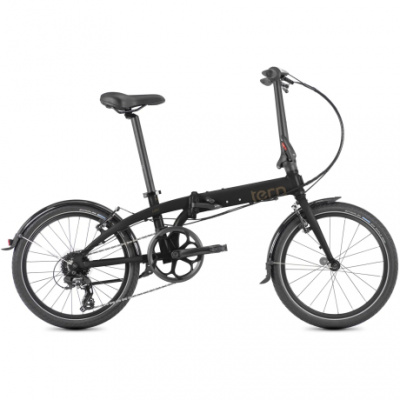
The acoustic range covers three distinct families: the accessible Link, the performance-oriented Verge, and the larger-wheeled Node. Each one uses the same core folding architecture but pitches at a different kind of rider. Whether you're threading through city traffic or covering real distance on a fitness commute, there's a Tern that fits the brief. If you're after Tern's electric models - the Vektron, GSD, or HSD - head straight to our Tern E-Bikes page instead.
Prices and availability can change quickly. Delivery charges are not always included in listed prices.
Final price, stock status and delivery terms are set by retailer. We may receive a commission on purchases made.
Decoding the Tern Folding Bike Lineup
The Link series is where most riders start. It's the everyday workhorse - relaxed, upright geometry, sensible spec, and a price point that doesn't require a sit-down moment. If your commute involves cobbles, bus lanes, and the odd pavement hop, the Link handles it without drama. It's not trying to be fast; it's trying to be reliable, day in, day out.
Step up to the Verge and the character shifts noticeably. These are performance-focused folders built around hydroformed aluminium frames, higher-end drivetrains, and a more committed riding position. The geometry is tighter and more aggressive - you're leaning into the bars rather than sitting over them. If you're covering real distances and want a folder that keeps pace with your fitness commute rather than holding it back, the Verge is the one to look at. Compare it with Brompton folding bikes if portability is your absolute priority - Brompton folds smaller, but the Verge rides faster and handles more load.
The Node sits apart from both. It runs 24-inch wheels rather than the standard 20-inch wheels found across the Link and Verge, which translates to a ride feel much closer to a conventional commuter or hybrid. The trade-off is a slightly bulkier folded package, but for riders who genuinely struggle with small-wheel handling or cover long stretches between folds, it's a smart option. For a different take on affordable city cycling, Carrera folding bikes are worth a look as a budget comparison point, though Tern's frame engineering is in a different bracket.
One clear note: if you're researching the Vektron, GSD, or HSD, those are Tern's electric and cargo models - a separate category entirely. Visit our Tern E-Bikes page for those.
The Tech That Makes Terns Ride Like Real Bikes
The engineering that separates Tern from cheaper folders isn't subtle. Start with N-Fold Technology - the folding geometry is designed so the front wheel faces forward during the fold, which means you can go from riding to folded in around ten seconds without rearranging the bike mid-manoeuvre. It sounds like a small thing until you're rushing for a train and every second counts.
The OCL+ frame joint is the heavy-duty hinge at the centre of the frame. On budget folders, this is typically the weakest point - you can feel the frame flex under hard pedalling or when cornering with any conviction. Tern's OCL+ is a forged, reinforced joint designed to lock the two halves of the frame together with no measurable play. The result is a folded bike that rides like it isn't folded.
The Physis 3D handlepost addresses the other classic failing of folding bikes: handlebar flex. On a standard folder, the handlepost is often the first thing to move under load, which feels disconcerting at best and genuinely unsettling at speed. Tern's 3D-forged post eliminates that flex almost entirely, so the steering response is direct and the bars stay exactly where you put them. It's the component that does more than anything else to make the bike feel full-sized.
At the rear, the DoubleTruss rear triangle geometry converts torsional stress - the twisting force you generate through each pedal stroke - into forward drive rather than wasted flex. It's the same principle you'll find in performance road and Tern hybrid bikes: a stiffer rear end means more of your effort actually moves the bike. On a folder, where frame stiffness is always compromised to some degree, DoubleTruss makes a measurable difference to how the bike responds when you push hard.
Living with a Tern in the UK
Practically speaking, Tern's fold dimensions meet standard UK rail luggage requirements, so you can take one onto most National Rail services without needing a bike reservation. That said, check your specific operator's rules before you commit - some train companies are stricter than others, and folded dimensions vary slightly between models. The magnetic frame latches that hold the bike folded are genuinely useful here: the bike won't ping open when you're squeezing through a ticket barrier.
Winter maintenance is worth thinking about before the weather turns. The hinges and latches on any folding bike collect road grit faster than a fixed frame, and British winter roads are essentially a salt-and-muck delivery system. A regular clean and a light application of GT85 or a dry lube on the pivots and latches keeps everything moving freely. Leave it for a full winter and you'll likely find the hinge stiffens considerably - not dangerous, just annoying.
On 20-inch wheels, tyre choice makes a bigger difference to ride comfort than on larger wheels. Running a higher-volume tyre - something like a Schwalbe Marathon or Big Apple - at slightly lower pressure than the maximum gives you a meaningful amount of compliance on potholed city streets. It won't transform the ride into a 29er, but it takes the edge off. Disc brakes, where available on the Verge range, are worth prioritising for wet weather stopping confidence - rim brakes work fine in the dry but lose feeling quickly when it's raining.
If you're building the bike up for a proper daily commute, Tern's own accessories ecosystem is well thought out. Tern pannier racks and Tern mudguards are designed to fit the frame geometry without compromise - aftermarket alternatives often don't clear the fold correctly. Tern lights mount cleanly without interfering with the fold, which sounds obvious but isn't guaranteed with third-party options.
Tern Folding Bikes FAQs
Are Tern folding bikes any good?
Yes, and notably so compared to most of the folding bike market. Tern's OCL+ frame joints and Physis 3D handlepost eliminate the flex and handlebar wobble that makes cheaper folders feel unreliable. The ride quality is genuinely close to a full-sized commuter, which is a difficult thing to pull off in a compact fold.
How much does a Tern folding bike weigh?
Most non-electric Tern models - the Link and Verge series in particular - weigh between 11kg and 13kg. That's manageable for carrying onto a train, navigating a tube station, or hauling up a couple of flights of stairs, though you'll feel the difference between the lighter and heavier ends of that range on a long day.
What is the difference between Tern Link and Verge?
The Link is built for everyday utility - upright geometry, straightforward spec, and a price that makes sense for a daily workhorse. The Verge is the performance option: hydroformed frame, better drivetrain, more aggressive riding position. If you're covering real distance and want pace, go Verge. If you want reliability and value, the Link does the job without fuss.