
Straede Regular Tights
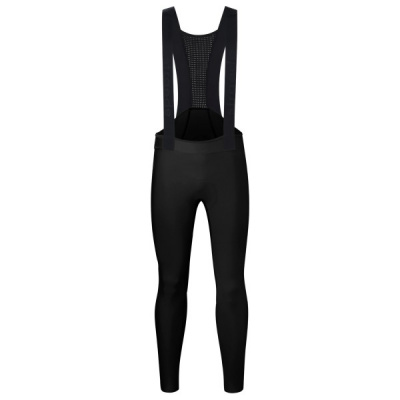
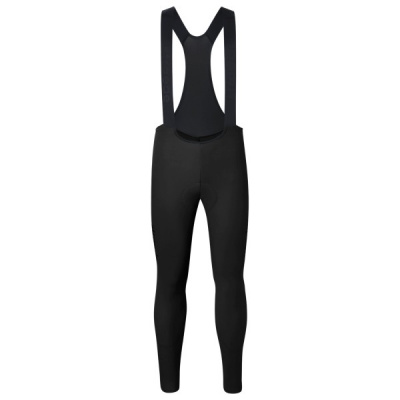
Straede regular tights are built for riders who want proper thermal protection and a quality chamois without the overhead of bib straps. If you've ever peeled off a bib tight mid-ride in a pub car park and quietly wished for something simpler, this is the range worth looking at. Straede approaches waist tights seriously - these aren't an afterthought or a budget shortcut.
The foundation is a wide, articulated waistband that sits flat against your stomach in the riding position rather than folding, rolling, or cutting in. That one detail changes the entire experience on longer efforts. Pair that with a multi-density chamois pad positioned squarely for sit-bone support, and you've got a tight that competes directly with bib alternatives on comfort, not just convenience.
Straede cycling tights also address the reality of UK riding: fabric that handles a damp February morning just as well as a crisp October afternoon. The moisture-wicking properties keep you from overheating on climbs, while the thermal construction holds enough warmth for shoulder-season miles without turning into a sauna. Reflective detailing means you're visible when the light drops, which in winter is earlier than any of us would like. Practical, well-considered kit - that's the Straede position.
Prices and availability can change quickly. Delivery charges are not always included in listed prices.
Final price, stock status and delivery terms are set by retailer. We may receive a commission on purchases made.
Fabric Tech & Weather Performance
The core of Straede's cold-weather tights is a Roubaix fleece lining - a brushed, thermal interior that traps warmth efficiently without adding bulk. Think of it as the difference between a draughty shell and a properly insulated layer: you feel the benefit within the first few minutes of riding, especially on those exposed stretches where the wind has a clear run at you. It's the kind of fabric that makes a 7°C morning feel manageable rather than grim.
On the outside, a DWR coating handles road spray and light drizzle without the tight becoming waterlogged. This isn't a waterproof membrane - it won't hold up in sustained heavy rain - but it deflects the kind of persistent damp that UK roads specialise in through autumn and winter. The coating does degrade over time, so washing carefully (more on that below) is worth the effort to keep it performing. Straede winter cycling tights lean into this balance: enough weather resistance to be genuinely useful, light enough not to cook you on a steady climb.
Moisture-wicking is where the fabric earns its keep during harder efforts. The Roubaix interior moves sweat away from the skin quickly, which matters when you're pushing up something like a long Vale of Glamorgan drag and your heart rate climbs well before the top. Overheating in tights is a real issue - clammy fabric against the leg is miserable - and Straede's construction manages the transition between working hard and rolling back down at pace reasonably well. Reflective detailing on the legs and lower back adds visibility during the reduced-light hours that define UK winter riding from November through to February.
Understanding the Straede Fit & Range
Fit in a waist tight lives or dies with the waistband. Straede uses a wide, articulated design that's shaped for the bent-over riding position rather than standing upright - which sounds obvious but plenty of tights get this wrong. When you drop into your bars, a narrow or straight waistband rides up at the back and digs in at the front. Straede's version stays flat. It's a small thing that stops being small after two hours in the saddle.
The multi-panel construction allows the fabric to follow the leg through the full pedal stroke without bunching behind the knee or pulling tight across the quad. Each panel is cut to work in the riding position, so the tight moves with you rather than against you. The chamois pad itself is positioned for sit-bone contact - not shifted forward or back - which is where a lot of cheaper options fall short. A well-placed multi-density chamois reduces pressure on the soft tissue and keeps chafing away on longer base miles. How should Straede cycling tights fit? Snug against the skin but not compressive to the point of restricting your stroke. If the chamois is moving around during the ride, go a size down.
The range covers options from lighter weight for milder days through to fully thermal construction for mid-winter. If you want over-the-shoulder support and deeper lower-back coverage on colder rides, it's worth looking at Straede Bib Shorts as an alternative - they suit riders who prioritise that full coverage on long days. For waist tights specifically, Straede sits alongside Castelli regular tights and Le Col regular tights as a considered, performance-focused option rather than a budget compromise. The difference between Straede padded tights and more entry-level alternatives usually shows up in chamois quality and waistband construction - exactly the two things you notice most.
Layering & Care for UK Riding
Straede tights work hardest as part of a system. On their own they cover a useful temperature window, but pairing them with a Straede jacket gives you proper protection against the wind-driven rain that makes a Pennine loop feel significantly colder than the thermometer suggests. A merino or synthetic base layer underneath adds another buffer of warmth and improves moisture management through the whole stack - if you're not already running one on rides below 8°C, it's worth it. Straede base layers are cut to sit close without bunching under the tight waistband, which matters when you're trying to avoid bulk around the hips.
For shoulder-season riding - those days that start at 6°C and climb to 14°C by midday - the tights handle the cold start well. You might be warm by the return leg, but that's a better problem than freezing for the first hour. A Straede jersey with a gilet or light jacket that you can stuff in a pocket gives you enough flexibility to manage the temperature swing without a full kit change.
Care makes a real difference to how long these tights perform. Wash at 30°C, use a non-bio detergent, and skip the fabric softener entirely - softener clogs the DWR coating and breaks down chamois foam faster than almost anything else. Turn them inside out before washing and air dry rather than tumble drying. It takes a little longer but the chamois and coating hold up considerably better for it. If the DWR starts to bead less effectively after repeated washing, a low-heat tumble dry or a DWR re-proofer spray can restore some of the performance. Small habits, but they add months of useful life to kit that isn't cheap to replace. Brands like Albion and Rapha give similar advice on their thermal tights - it's universal for DWR-finished cycling kit.
Straede Regular Tights FAQs
Are regular cycling tights better than bib tights?
It depends on what you prioritise. Regular tights are easier to manage on longer rides - bathroom stops are straightforward, and there's no shoulder pressure or back-of-the-neck irritation. Bib tights generally offer better lower-back coverage and a waistband that can't slip. If lower-back warmth matters on your rides, bibs have the edge. For convenience and comfort across the shoulders, waist tights are hard to argue with.
How should Straede cycling tights fit?
Close to the skin without restricting your pedal stroke. The chamois should sit squarely against your sit bones without shifting during the ride - if it's moving, the tight is too large. The waistband should feel secure in the riding position without folding or digging in when you're bent over the bars. A snug fit also maximises the moisture-wicking performance of the fabric.
What temperature are regular cycling tights good for?
Fleece-lined thermal tights like Straede's work well between roughly 2°C and 12°C. Below that you're looking at additional base layers or overshoes to compensate. Above 15°C most riders find full tights too warm and switch to bib shorts with knee or leg warmers instead. The sweet window is that classic UK autumn-to-early-spring range where mornings are cold and afternoons are unpredictable.