
Straede Jackets
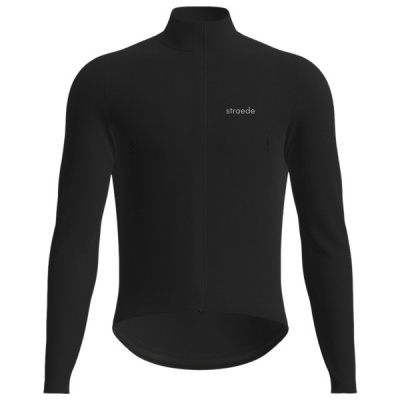
Straede cycling jackets are built around a straightforward idea: UK weather doesn't wait for a convenient moment, so your outer layer shouldn't hold you back when it turns. Whether you're caught in a Scottish squall on the way home or grinding out winter base miles in the Peaks, Straede offers a jacket for that exact situation. The range spans packable rain shells you can stuff into a back pocket before a long climb, right through to seriously insulated thermal options for the kind of January mornings that thin the peloton considerably.
What makes them worth a proper look is the combination of DWR coating on the outer fabric, breathable membrane construction, and taped seams that stop water tracking through the stitching during prolonged downpours. That trio keeps the jacket functional rather than decorative in real UK conditions. The tailored cut eliminates the sail-like flapping that makes cheaper jackets genuinely unpleasant at speed, while strategic reflective detailing earns its keep on dark November afternoons. If you're deciding between a lightweight wind shell and a proper winter jacket, the sections below will help you land on the right call.
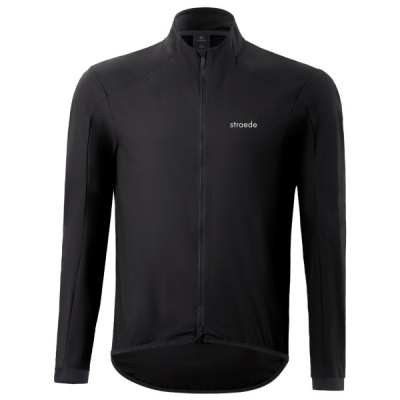
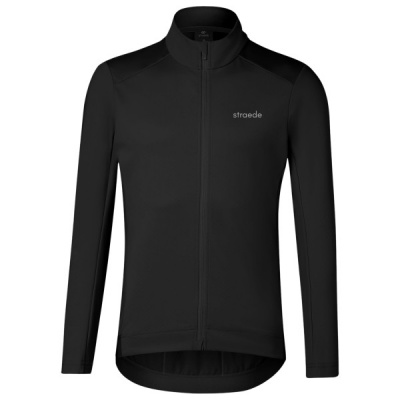
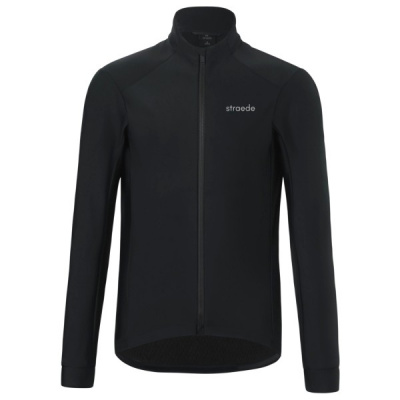
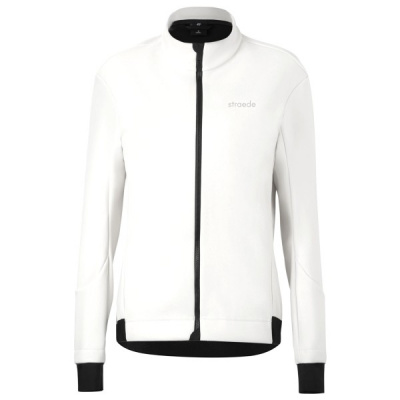
Prices and availability can change quickly. Delivery charges are not always included in listed prices.
Final price, stock status and delivery terms are set by retailer. We may receive a commission on purchases made.
Fabric Tech and Weather Performance
The DWR coating is the first line of defence - it causes rain to bead and roll off the outer fabric rather than soaking in and adding dead weight to your shoulders mid-ride. DWR does degrade over time and with washing, but it's restorable, which we'll come back to. Beneath that, the breathable membrane is what separates a proper cycling jacket from a bin bag with arm holes. On a hard climb at low speed, you generate a significant amount of heat and moisture; without a functioning membrane, that moisture has nowhere to go and you arrive at the top just as wet from the inside as you would have been from the rain.
Straede's multi-layer construction manages that balance without ballooning the weight. The lighter shells in the range are genuinely packable - small enough to live in your jersey pocket on uncertain days without punishing your back pockets for the privilege. Step up to the heavier winter options and you'll find thermal fleece lining that adds meaningful warmth without the rigidity of older-generation padding. Wind resistance is consistent across the range; even the packable shells block enough airflow to make a real difference on fast descents where the cold bites hardest.
Taped seams are worth calling out specifically. A jacket can have excellent fabric and still leak through needle holes at the seams - taped seams seal those entry points, which matters most when you're in sustained heavy rain rather than a brief shower. Not every Straede jacket is fully taped, so check the product spec if you ride in genuinely wet conditions regularly. The lighter wind-resistant shells typically use critically taped seams at the shoulders and chest; the hardshell waterproof options go fully taped. Compared to alternatives from Endura or Castelli at a similar price, Straede holds its own on membrane quality and sits closer to the performance end of the weight-versus-protection trade-off.
Understanding the Straede Fit and Range
Straede cuts their jackets with a performance fit in mind - longer at the back to cover your lower back when you're in the drops, nipped in at the waist to prevent excess fabric catching the wind, and with sleeve lengths that account for a stretched-out road position. It's a fit that works well if you're wearing a base layer and a mid-weight jersey underneath. Stack a thick thermal fleece lining jersey under there and you'll want to size up; the cut doesn't leave a lot of extra room for bulk.
The range broadly splits into three tiers. At the lighter end, you've got wind-resistant and water-resistant shells - these aren't designed for hours in driving rain but they're the jackets you'll actually use most often because they're light enough to carry without thinking about it. Mid-range sits a step-up waterproof with a proper breathable membrane and taped seams, suited to most of what a UK winter throws at you. At the top end, the thermal winter jackets combine insulation with weather protection for the genuinely cold months - think sub-five-degree mornings rather than a breezy October day.
If you're new to the brand, the sizing runs fairly true to European cycling convention. Riders on the border between sizes who plan to wear only a base layer and jersey underneath can usually stay in their usual size; those who want room for a heavier mid-layer should go one up. Straede's own size guide is worth checking against your chest and torso measurements rather than relying on small-medium-large instinct alone. The Albion range, for comparison, tends to run slightly more relaxed in the shoulders - worth knowing if fit is the deciding factor for you.
Pairing a jacket from this range with Straede regular tights or Straede bib shorts keeps your kit consistent in terms of fabric weight and stretch behaviour, which makes a practical difference on longer efforts where mismatched fabrics start to move against each other uncomfortably.
Layering and Care for UK Riding
Building a sensible winter layering system around a Straede jacket isn't complicated. Start with a moisture-wicking base layer that pulls sweat away from your skin - merino or a synthetic thermal base both work - then add a long-sleeve jersey for insulation. The jacket goes over the top and handles the wind and rain. That three-layer approach covers most UK conditions from October through March without needing to overthink it. On days above ten degrees with no rain forecast, the jacket itself often becomes the optional third piece rather than an essential.
For the windier days on exposed routes - think riding into a head wind across the North Yorkshire Moors or along a coastal road in Wales - the wind resistance of even the lighter Straede shells makes a measurable difference to how hard you're working. Cold air at speed pulls heat from your core faster than most riders account for; a jacket that blocks wind without trapping moisture keeps your effort where it belongs. Check out Straede jerseys for the mid-layer options that work best with the jacket range.
Looking for versatile core protection without the bulk of full sleeves? Head over to our dedicated Straede Gilets collection for lightweight, packable wind protection.
Care matters more with technical jackets than most riders realise. The DWR coating degrades faster if you wash with standard biological detergents or - worse - fabric softener, which physically blocks the membrane's breathable pores and reduces waterproofing. Wash at 30 degrees using a specialist tech-wash. Tumble drying on a low heat or ironing on a low setting with a cloth between iron and fabric can actually help reactivate the DWR after washing - heat encourages the coating to realign. Doing this every few washes extends the jacket's working life noticeably and keeps the membrane breathing as it should.
Straede Jackets FAQs
Are Straede cycling jackets true to size?
Generally, yes - Straede uses a tailored performance cut that runs true to standard cycling sizing. If you're planning to layer a thick thermal jersey underneath for deep winter riding, go one size up to avoid the fit pulling across the shoulders.
How waterproof are Straede cycling jackets?
The range varies: lighter shells use DWR coating and critically taped seams to handle moderate rain, while the hardshell waterproof models add a full breathable membrane and fully taped seams for sustained heavy downpours. Check the product spec - if it doesn't say hardshell waterproof, treat it as water-resistant rather than fully waterproof.
How should I wash my Straede cycling jacket?
Wash at 30 degrees using a tech-wash designed for waterproof membranes - never standard biological detergent or fabric softener, as both damage the DWR coating and block the breathable pores. A low-heat tumble dry or careful iron on a low setting afterwards helps reactivate the DWR coating.