
SRAM 13 Speed Rear Derailleurs
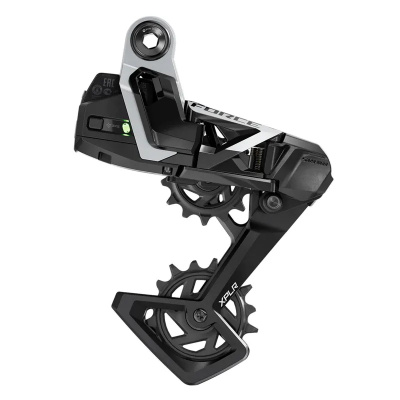
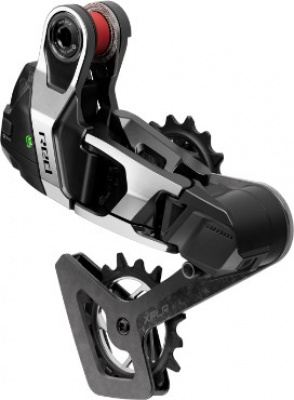
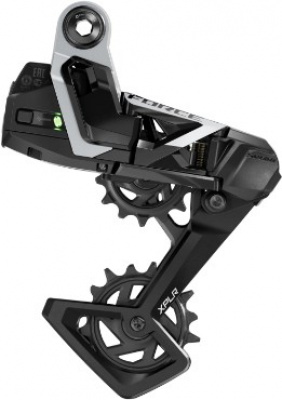
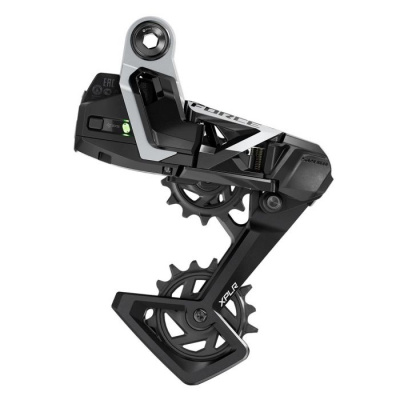
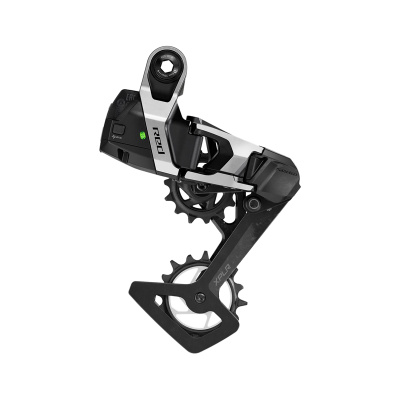
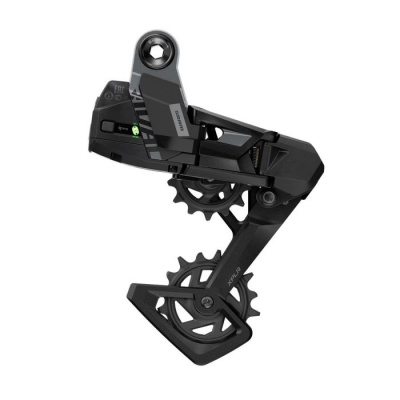
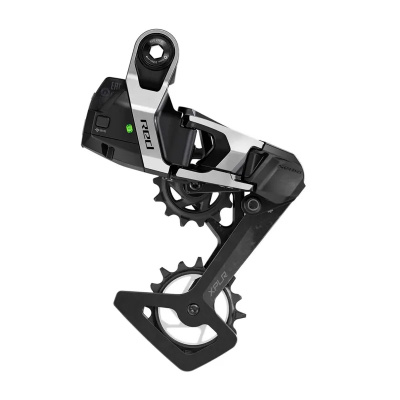
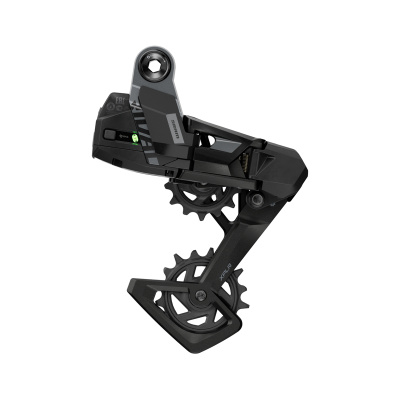
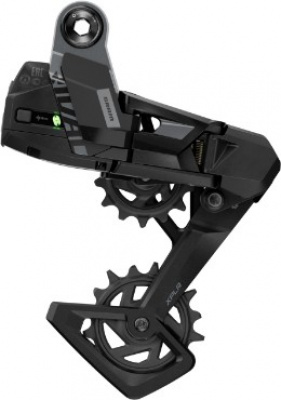
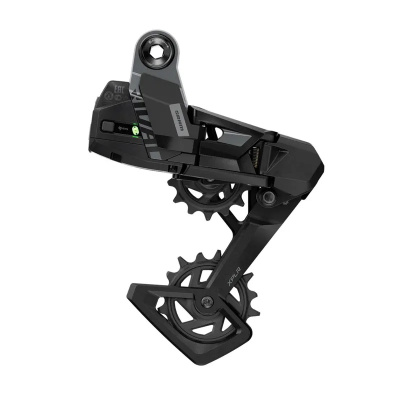
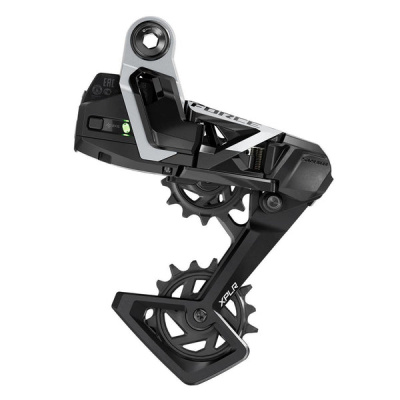
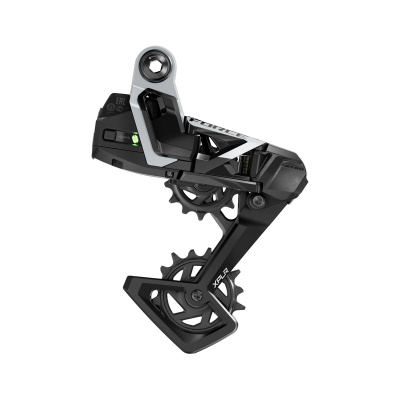
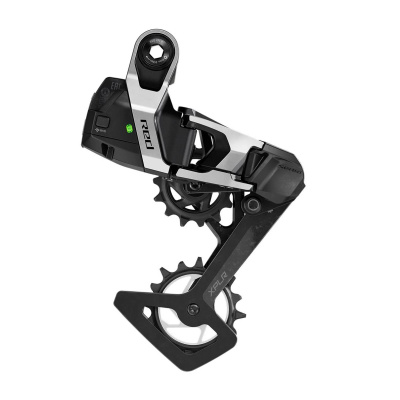
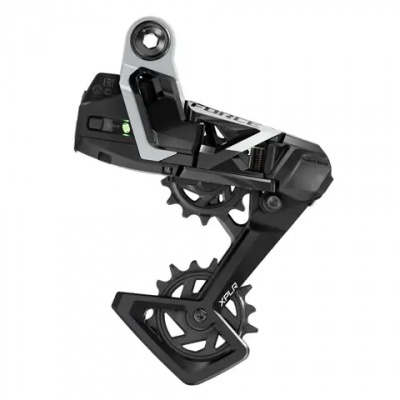
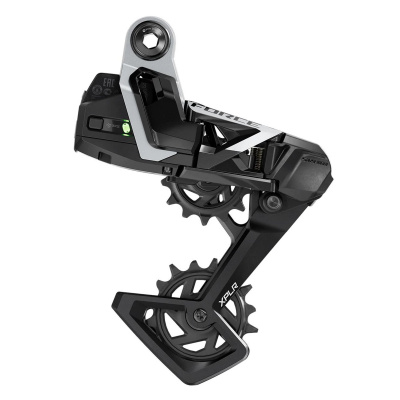
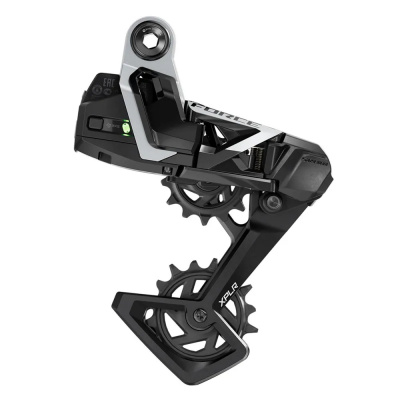
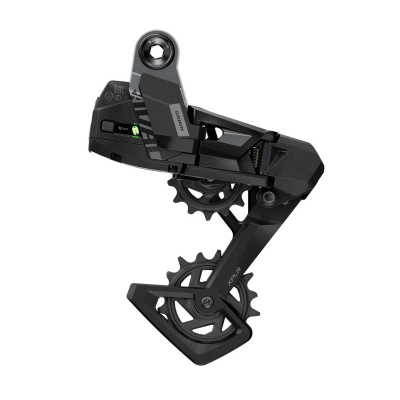
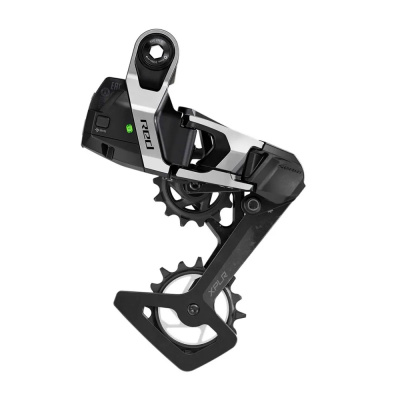
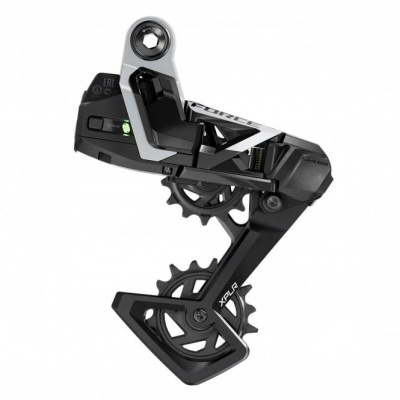
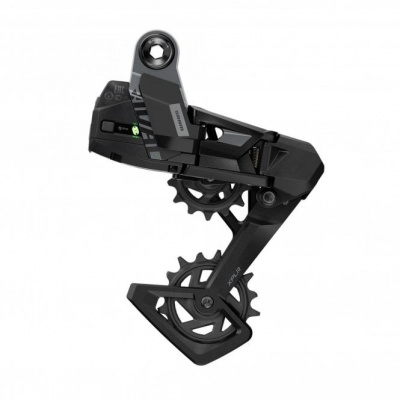
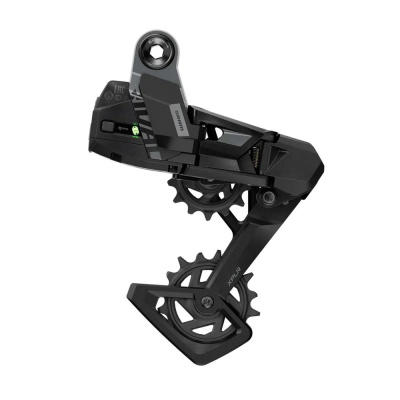
SRAM 13 speed rear derailleurs represent a genuine step-change in gravel drivetrain thinking, and the RED XPLR AXS is the headline act. Where most rear mechs bolt to a replaceable hanger that bends the moment a gate latch clips it, SRAM's Full Mount interface does something different entirely - it clamps directly to the rear axle of a UDH-compatible frame. The result is a connection that's rigid, precise, and far less likely to leave you pushing your bike out of the Dales with a destroyed mech.
This is a 1x-only system, designed from the ground up around a 10-46T cassette range and SRAM's Flattop chain. There's no hedging on 2x compatibility - SRAM committed fully to wide-range single chainring gravel shifting, and the engineering reflects that. The Orbit fluid damper keeps chain tension consistent across rough ground without the grabby drag you get from a traditional friction clutch, and the Magic Wheel oversized bottom pulley adds a layer of protection against the kind of trail debris that would ordinarily end your ride early.
AXS wireless control ties it all together - clean cockpit, reliable connectivity, and the same battery system used across SRAM's wider electronic range. If your frame is UDH-ready, this is the most cohesive gravel drivetrain on the market right now.


Prices and availability can change quickly. Delivery charges are not always included in listed prices.
Final price, stock status and delivery terms are set by retailer. We may receive a commission on purchases made.
Frame Compatibility and What You Actually Need
Before anything else, check your frame. SRAM's 13-speed derailleurs use a Full Mount hangerless interface, which means they physically cannot be fitted to a frame with a traditional derailleur hanger. There's no adapter, no workaround - the derailleur clamps directly to the rear axle, and that requires a UDH (Universal Derailleur Hanger) standard dropout. Most modern gravel framesets from 2022 onwards include UDH as standard, but older bikes and some budget alloy frames won't have it. Check the spec sheet before you buy.
The drivetrain is strictly 1x13. It's built around a 10-46T cassette - that's a wide enough range for loaded bikepacking climbs and fast road connectors in the same ride - and it requires SRAM Flattop chain, which has a narrower profile than standard chains to handle the tighter cassette spacing. You can't mix this with older SRAM cassettes or Eagle groupsets without compatibility headaches. If you're building a complete gravel drivetrain from scratch, pair it with a SRAM 13-speed cassette from the outset. Comparing this ecosystem to something like Campagnolo's 13-speed offering is worth doing if you're not already tied to AXS - both take notably different approaches to the same problem.
If your frame runs a traditional hanger and you still want SRAM electronic shifting, there are mounting solutions worth exploring. We've covered the options on our SRAM derailleur clamps page, which details compatible mounting hardware for non-UDH setups.
The Technology Behind the Shifting
Three pieces of proprietary tech define how the SRAM 13-speed system behaves on the road and trail, and each solves a specific real-world problem.
Orbit Fluid Damper: Traditional clutch mechanisms use mechanical friction to keep chain tension consistent on rough ground. They work, but they add drag on every pedal stroke and can feel notchy when you're spinning quickly. SRAM's Orbit system replaces that friction with silicone fluid, which dampens chain movement smoothly without fighting you on the way round. In cold conditions - think a January morning on Scottish gravel - the fluid damper stays consistent where a friction clutch can stiffen up and feel wooden.
Full Mount Interface: This is the structural foundation of the whole system. By clamping to the rear axle rather than hanging from a separate hanger, the derailleur sits in a fixed, known position relative to the cassette. Branch strikes and rock deflections that would twist a standard hanger instead load directly into the axle assembly. It's a more forgiving setup for the kind of rough bridleway riding where you're not always watching every inch of the trail.
Magic Wheel: The oversized bottom pulley is designed with a specific failure mode in mind - the stick-through-the-spokes scenario that every long-distance gravel rider dreads. If debris jams into the drivetrain, the Magic Wheel continues to rotate independently of the pulley cage, reducing the leverage that would otherwise snap the mech clean off the bike. It's not indestructible, but it gives you a fighting chance. For replacement pulleys or if you need to source a spare Magic Wheel, our SRAM jockey wheels page covers compatible options across the range.
AXS Wireless Protocol: The wireless shifting system communicates between the derailleur and levers without cables or housing. Setup is handled through the AXS app, which also gives you gear tracking, battery monitoring, and firmware updates. Pairing is straightforward - hold the button, confirm in the app, done. The system uses the same battery format across SRAM's electronic range, which matters if you're already running AXS components elsewhere on the bike.
Keeping It Running Through a British Winter
The Full Mount design solves the bent-hanger problem that's ended countless rides on muddy Peak District bridleways, but it introduces its own maintenance consideration. The knurled ring interface - the clamping surface that locks the derailleur to the axle - needs to be kept clean and dry. Grit packed into the knurling causes creaking that's difficult to diagnose and easy to prevent. After every muddy ride, pull the rear wheel, wipe the interface down, and apply a thin layer of carbon assembly paste before re-torquing. Takes two minutes. Saves a lot of frustration.
AXS battery contacts are the other area to watch through winter. Salt spray from wet roads and bridleways can cause corrosion on the contact points over time. A dry brush and occasional application of electrical contact cleaner keeps them reliable. The batteries themselves are rated for cold weather, but if you're doing long winter rides in sub-zero conditions, a spare battery in a jersey pocket stays warmer and gives you a backup if you need one.
For servicing intervals, SRAM recommends inspecting the derailleur pivot bearings every 2,000 km in typical conditions, or more frequently if you're riding in sustained wet and mud. The Orbit damper fluid doesn't need routine replacement but can be refreshed by a mechanic if the damping feel degrades noticeably - usually apparent as increased chain slap on rough descents. Flattop chains wear faster than standard chains in gritty conditions, so check chain wear monthly if you're riding through winter.
SRAM 13 Speed Rear Derailleurs FAQs
Does SRAM make a 13-speed rear derailleur?
Yes. SRAM launched 13-speed shifting as part of the RED XPLR AXS gravel groupset. It's a 1x-specific wireless electronic derailleur built around a 10-46T cassette range, using the Full Mount hangerless interface. There's currently no 2x or road-specific 13-speed variant - this system is gravel-focused by design.
Do I need a UDH frame for a SRAM 13-speed derailleur?
Yes, without exception. The Full Mount interface clamps directly to the rear axle and cannot be adapted to a standard derailleur hanger. Your frame must have a UDH-compatible dropout to run a SRAM 13-speed mech. Check your frame's spec sheet - most modern gravel framesets from 2022 onwards include UDH, but older frames typically won't.
Are SRAM 12-speed AXS batteries compatible with 13-speed derailleurs?
Yes. SRAM's 13-speed derailleurs use the same battery format as the wider eTap AXS range, including 12-speed road and mountain bike components. If you're already running AXS elsewhere on your bike, your existing spare batteries will work. It's one of the practical advantages of staying within the AXS ecosystem.