
Campagnolo 13 Speed Rear Derailleurs
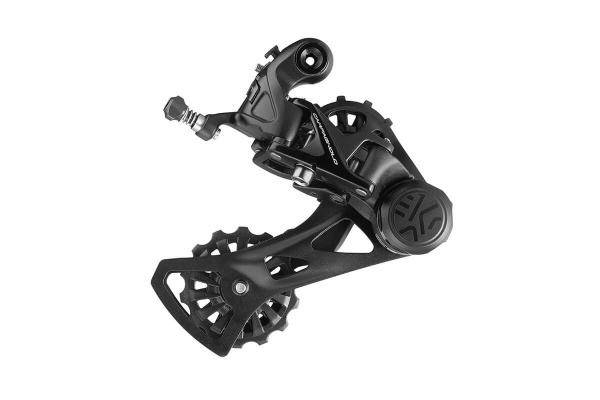
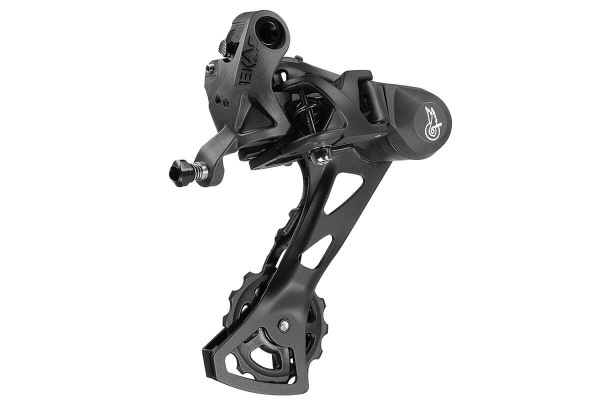
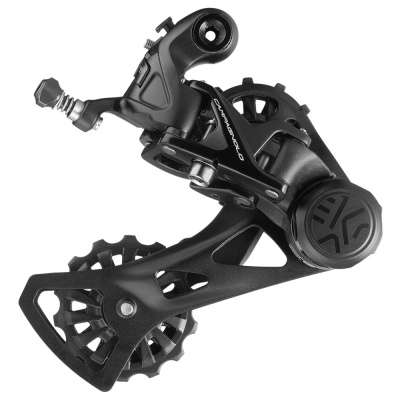
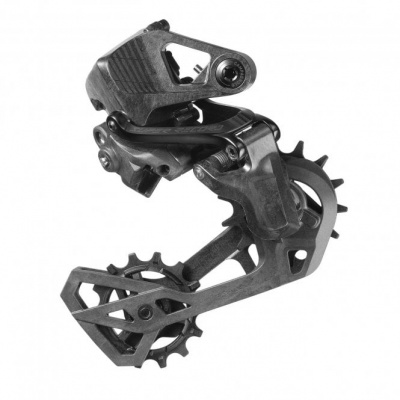
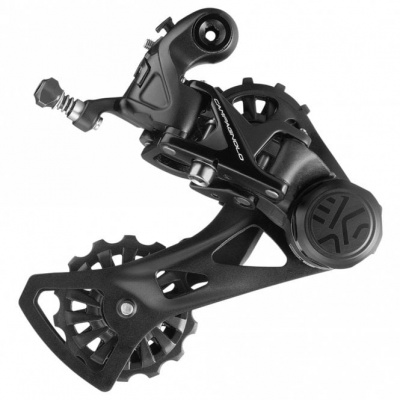
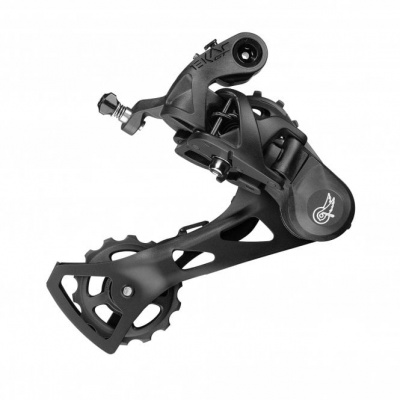
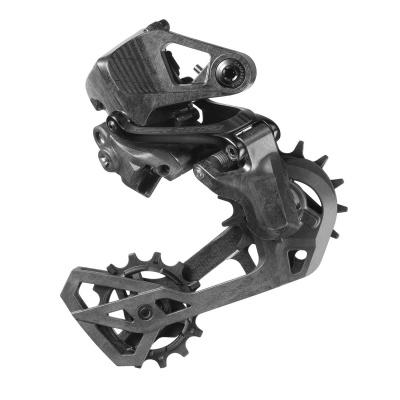
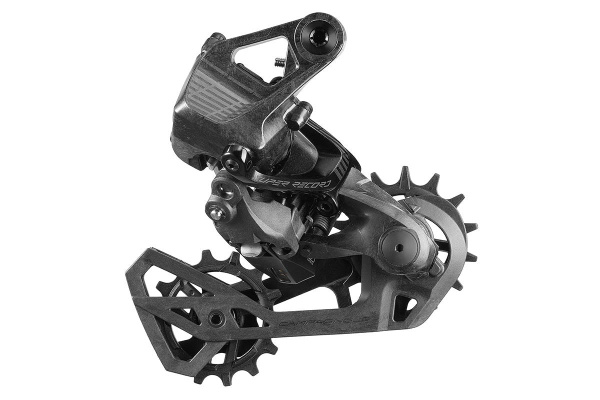
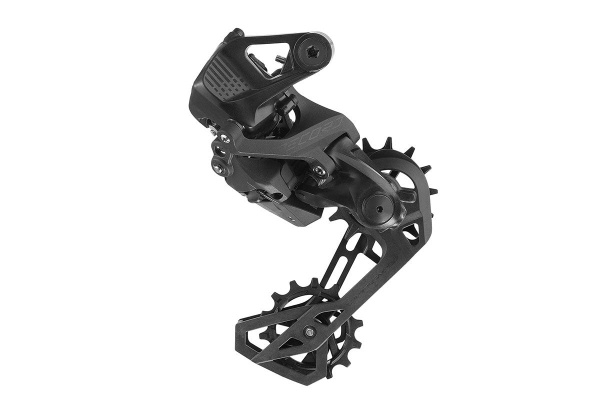
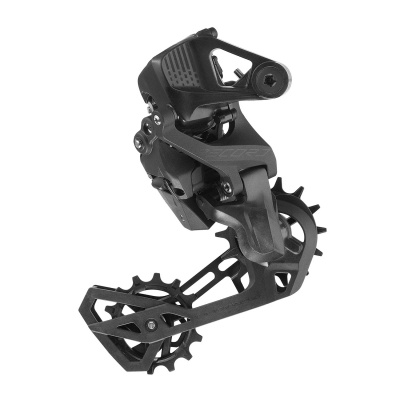
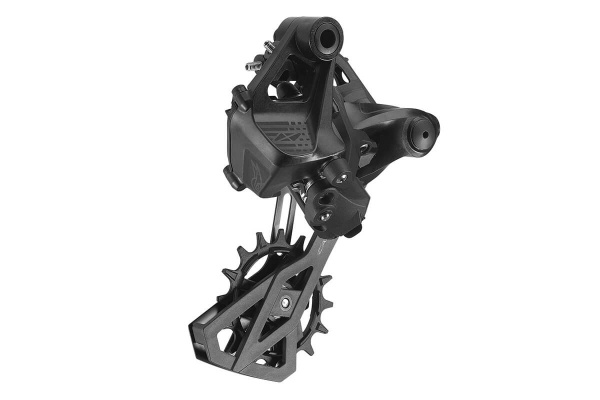
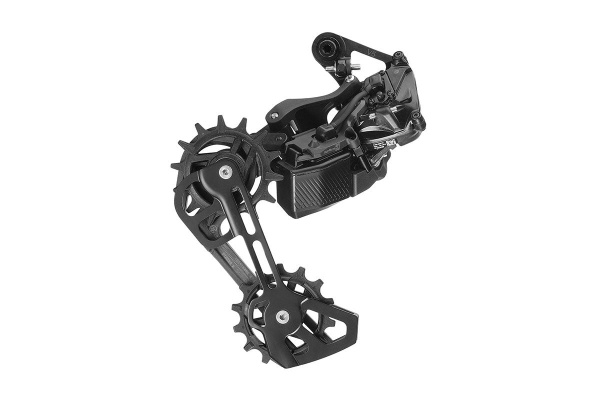
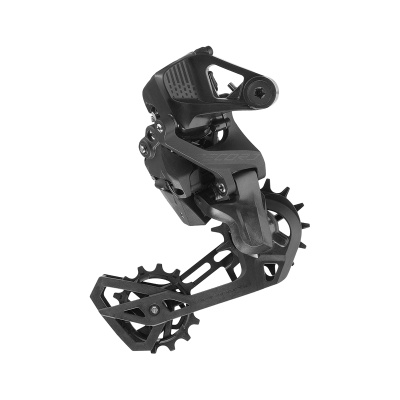
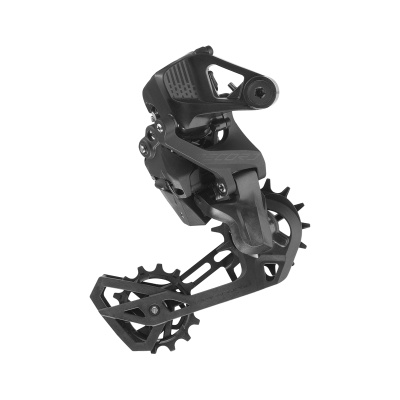
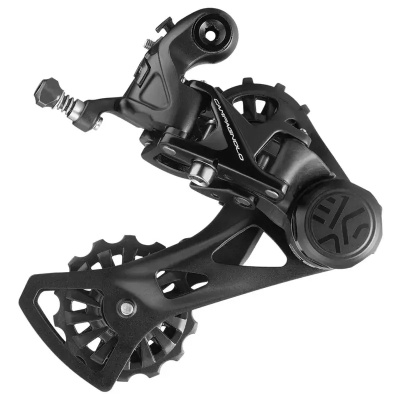
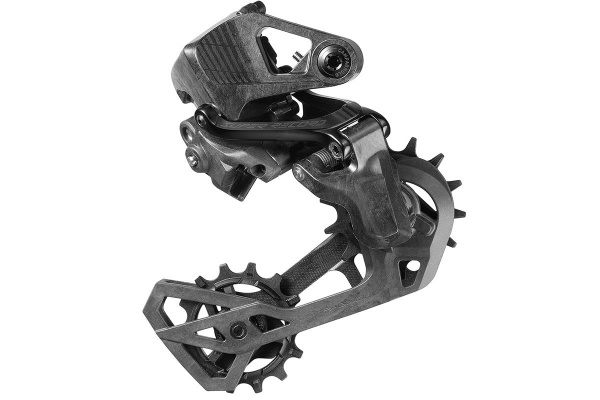
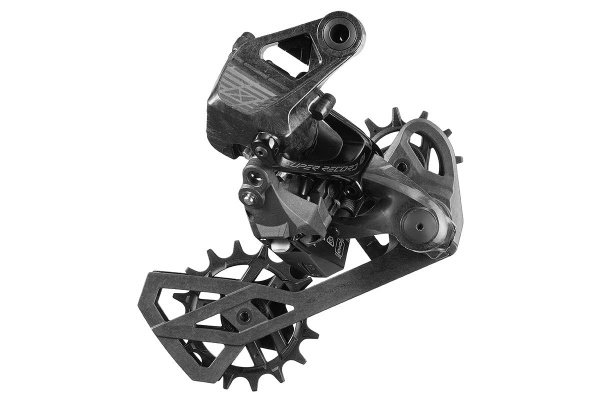
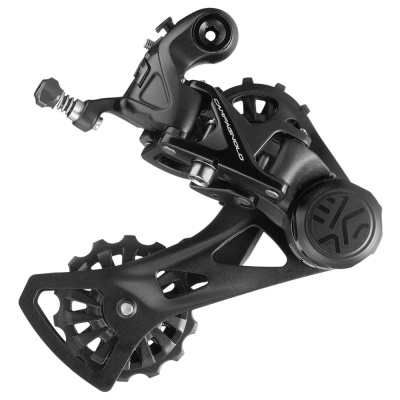
Campagnolo 13 speed rear derailleurs exist as a single, focused proposition: the Ekar rear derailleur, built from the ground up for 1x gravel riding and nothing else. There's no watered-down road variant here, no compromise for mixed use - Campagnolo designed Ekar as a dedicated 1x13 drivetrain, and the rear mech is where that intent is most tangible.
The body is carbon-reinforced polyamide, which means it deflects rock strikes that would crack a conventional polymer cage and weighs noticeably less than alloy alternatives. Paired with a permanently engaged clutch mechanism, it keeps the chain locked down on the kind of wet, rooty bridleways where a slack drivetrain becomes a liability fast. The 2D parallelogram trajectory is the other piece of the puzzle - it moves the jockey wheels through a precise path across all 13 sprockets, so shifts stay clean even when you're pushing hard out of a muddy corner.
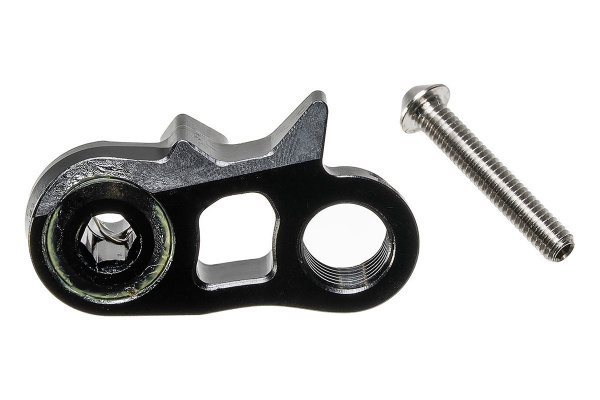
If you're building a gravel rig from scratch or replacing a crash-damaged mech, it's worth knowing this is a strict ecosystem. The Campagnolo Ekar rear derailleur runs on its own cable pull ratio, its own chain, and its own cassette standard. Get the pairing right and it's a cohesive, well-sorted drivetrain. Get it wrong and nothing indexes properly.
Prices and availability can change quickly. Delivery charges are not always included in listed prices.
Final price, stock status and delivery terms are set by retailer. We may receive a commission on purchases made.
Compatibility: What Works and What Doesn't
The Campagnolo Ekar rear derailleur uses a cable pull ratio that's specific to Ekar 13-speed Ergopower shifters. It won't index correctly with 11 or 12-speed systems - not Campagnolo's own road levers, not anything from another brand. That's a firm boundary, not a grey area. If you're mixing components, you'll get a mech that moves but never shifts cleanly.
Cassette compatibility follows the same logic. The Ekar system requires an N3W freehub body - a narrower standard than the HG or XD drivers found on most road and MTB hubs. If your wheels don't have N3W compatibility, you'll need a freehub swap before anything else. Check your Campagnolo gravel wheels options if you're starting from scratch, as several are specced N3W from the box. For the cassette and chain side of the build, make sure you're running matched components - our Campagnolo 13 speed cassettes and Campagnolo 13 speed chains pages cover the specific options in detail.
Compared to SRAM's 13-speed rear derailleurs, which operate within their own Eagle ecosystem, Ekar is similarly closed - but the mechanical cable actuation keeps things simpler to set up and maintain at home, without firmware or app dependencies.
The Ekar Derailleur: What Makes It Different From Campagnolo's Road Mechs
Campagnolo's entire 13-speed mechanical range is Ekar. There's no chorus-level gravel mech, no tiered hierarchy to navigate - just one derailleur, positioned as a premium 1x gravel component. That focus shows in the design choices.
The cage length is fixed, but it's designed to clear all three Ekar cassette options: 9-36T, 9-42T, and 10-44T. You don't need to swap cages between builds or worry about capacity limits - one mech handles the full spread. That's genuinely useful if you're speccing a bike for mixed use, say a fast gravel day on the South Downs one weekend and a loaded bikepacking loop through the Scottish Borders the next.
The differentiated jockey wheels are worth flagging specifically. The upper pulley runs 12 teeth, the lower runs 14. Larger jockey wheels reduce the chain's articulation angle at each tooth, which cuts friction and improves chain life - particularly relevant when you're running the extremes of a wide-range cassette. On a 1x drivetrain where chain line compromise is unavoidable, every efficiency gain at the pulley matters.
The clutch lock is another Ekar-specific detail that Campagnolo's road derailleurs don't carry. Press it and the cage locks rearward, releasing chain tension so you can drop the rear wheel without fighting the mech. It sounds minor. On a muddy ride when your hands are cold and your patience is thin, it's the kind of thing you appreciate immediately.
The permanently engaged clutch itself - rather than a switchable on/off design - reflects Campagnolo's view that gravel riders simply don't need to disengage it. Chain retention is always the priority. If you're coming from a road bike where chain slap isn't a concern, it's an adjustment, but a logical one for the discipline.
Keeping It Running Through a UK Winter
The carbon-fiber reinforced polyamide body is tougher than it looks - it'll take a reasonable knock without cracking - but it does need some thought when it comes to cleaning. Avoid aggressive solvent-based degreasers directly on the pivots. They'll strip the factory lubrication from the internals faster than grit will, and re-lubricating pivot points properly isn't straightforward without partial disassembly. A light citrus degreaser on the chain and cassette, followed by a rinse and re-lube of the pivot points with a thin oil, is the approach that keeps things moving without causing long-term damage.
The jockey wheels deserve particular attention if you're riding through winter. UK flint mud is abrasive - it acts like grinding paste in the pulley bearings over time, and worn bearings introduce play that degrades shift quality before you've noticed anything visually wrong. Spin each pulley by hand after cleaning; any roughness or notchiness is a sign they need replacing. Campagnolo derailleur spares include replacement jockey wheels, and swapping them is a straightforward job that restores shift feel significantly.
The clutch lock mechanism is the other area where dried mud causes problems. If it seizes in the locked position, you're dealing with a stuck cage - not dangerous, but frustrating mid-ride. A small amount of light oil around the lock button after every muddy ride keeps it moving freely. It takes thirty seconds and saves a roadside headache.
Cable tension drifts slightly in cold weather as outer cable housing contracts. It's worth checking barrel adjuster tension at the start of the winter season and again mid-February when conditions are typically at their worst. A quarter-turn adjustment is usually all it takes to bring indexing back into line.
Campagnolo 13 Speed Rear Derailleurs FAQs
Is the Campagnolo Ekar rear derailleur compatible with 12-speed shifters?
No. The Ekar rear derailleur uses a cable pull ratio engineered specifically for Ekar 13-speed Ergopower shifters. Pair it with any 11 or 12-speed lever - including Campagnolo's own road range - and indexing won't work correctly. It's a closed system by design, not a limitation you can route around with barrel adjuster tweaks.
How do you adjust the clutch on a Campagnolo 13 speed derailleur?
The clutch on the Ekar rear derailleur is permanently engaged - there's no on/off switch. Campagnolo built it this way to ensure consistent chain tension at all times. What you can do is press the clutch lock button to hold the cage rearward, releasing chain tension for rear wheel removal. That's the only user adjustment available, and it's intentional.
What is the maximum cassette size for a Campagnolo 13 speed rear mech?
The Ekar rear derailleur runs a single cage length that clears up to 44 teeth. It's fully compatible with all three Ekar cassette options: 9-36T, 9-42T, and 10-44T. There's no need to source a different cage variant for larger cassettes - one mech covers the entire range.