
Squish Kids Bikes
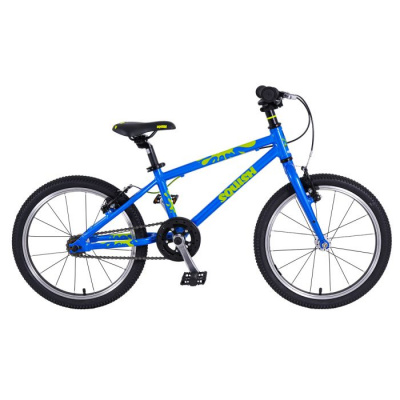
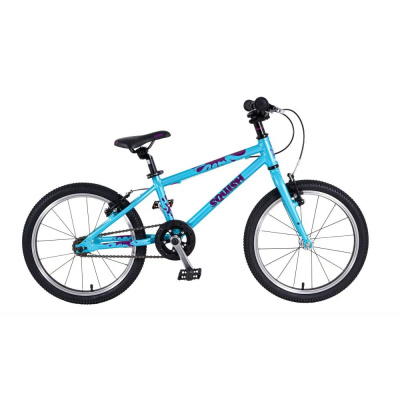
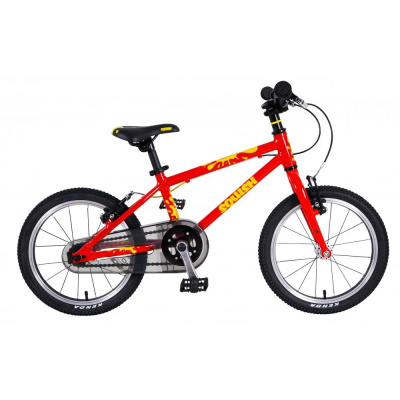
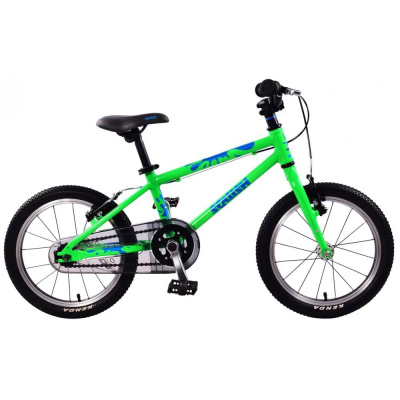
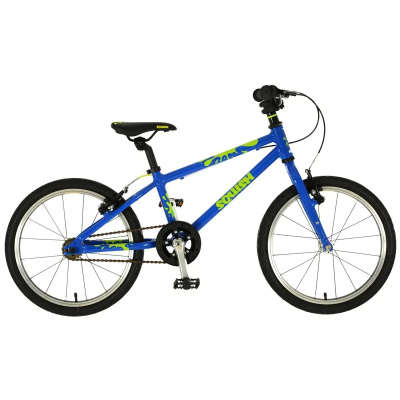
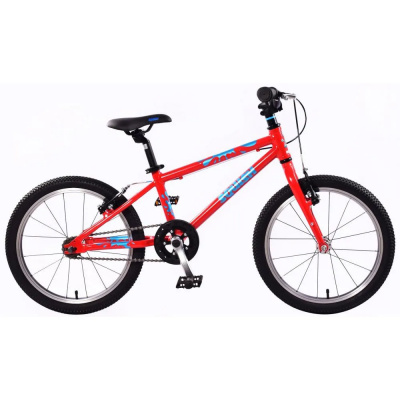
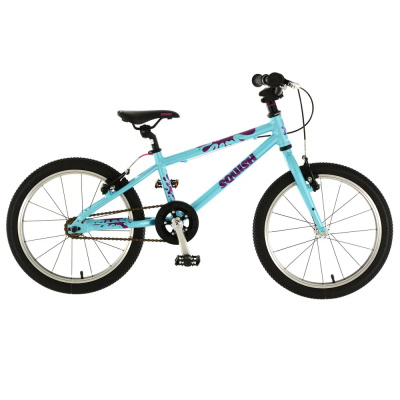
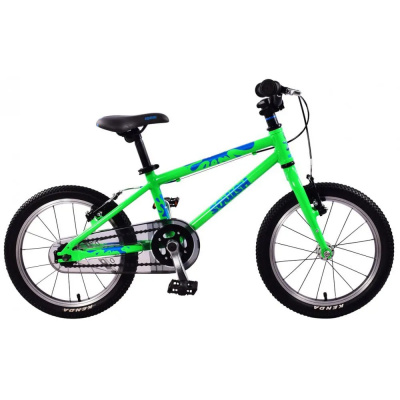
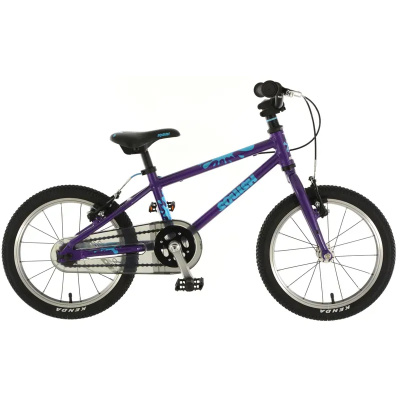
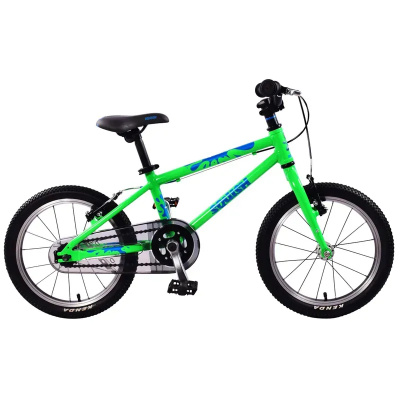
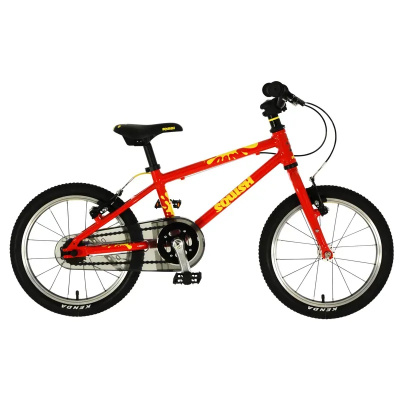
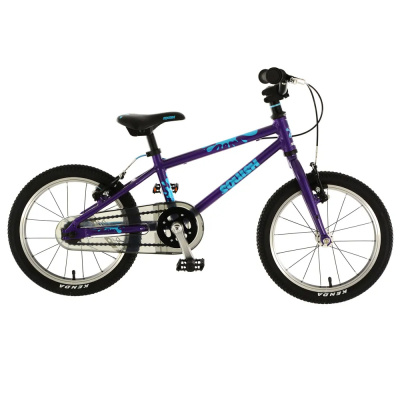
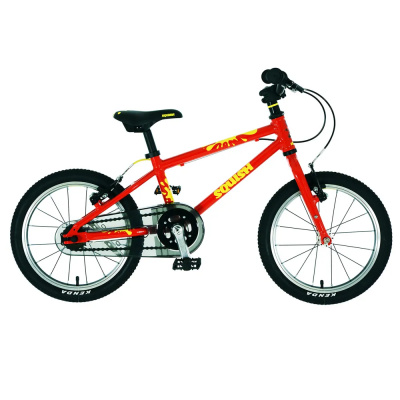
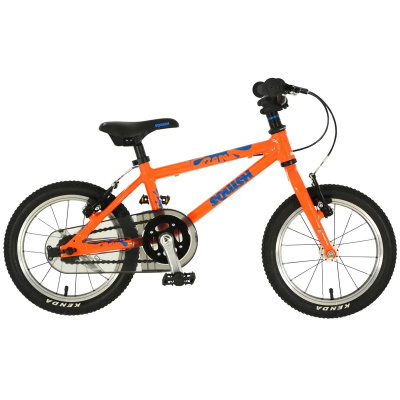
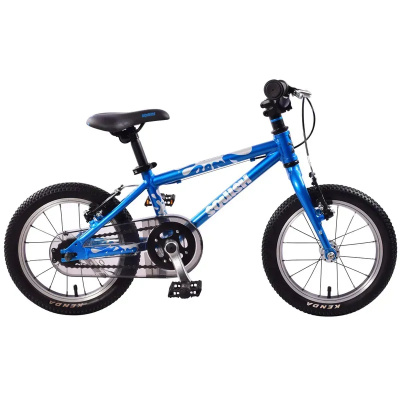
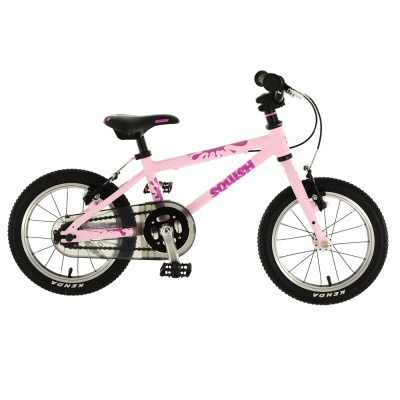
Squish kids bikes exist to solve one specific problem: most children's bikes are just too heavy for the child riding them. When a bike weighs a meaningful fraction of your child's bodyweight, pushing it up a kerb becomes a battle and any wobble turns into a fall. Squish takes a different approach, building each bike around triple-butted 6061 alloy frames, short-reach brake levers sized for small hands, and crank arms proportioned to a child's actual leg length - not a scaled-down adult's. The result is a bike a child can genuinely control.
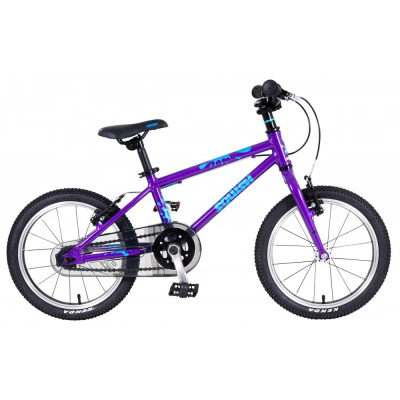
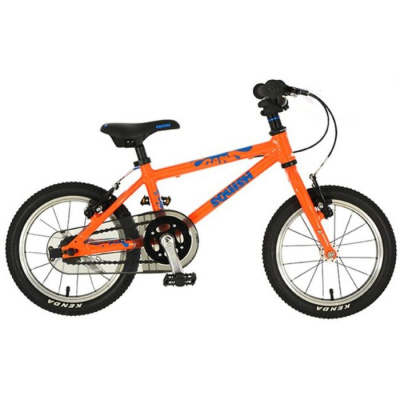
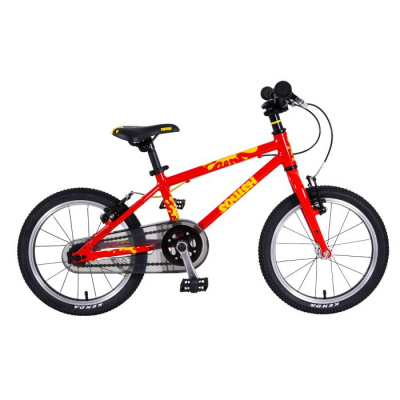
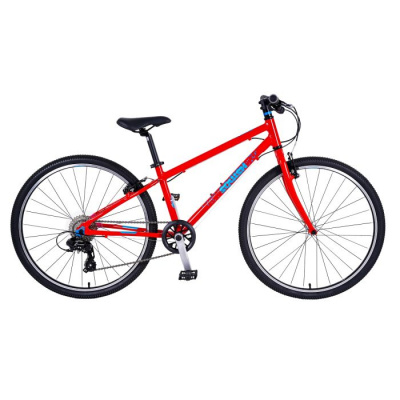
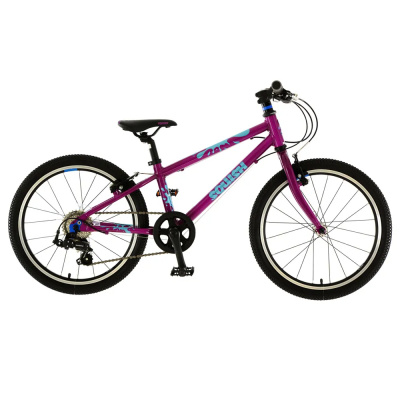
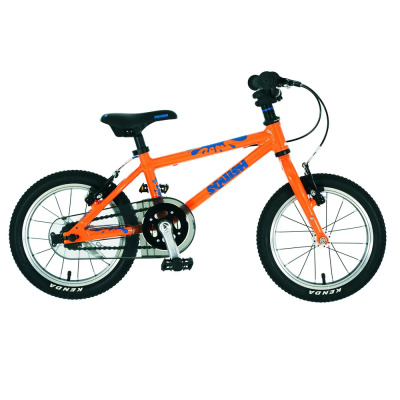
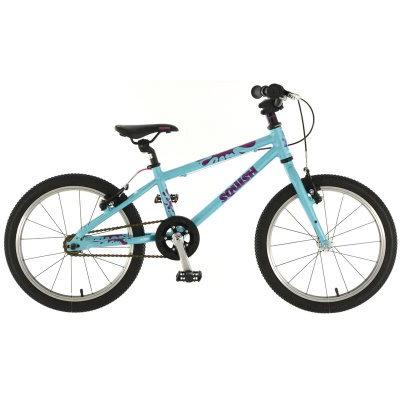
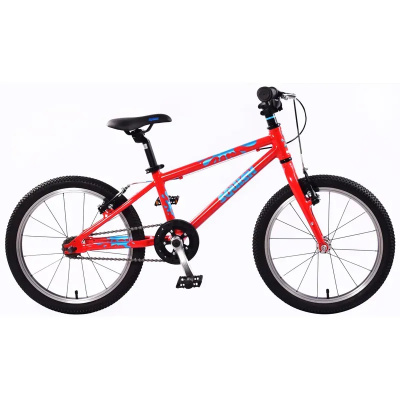
The range runs from 14-inch wheels for early pedallers through to 26-inch junior mountain bikes, so there's a logical step-up at every stage. Whether it's the school run on wet tarmac or a Saturday afternoon on a gravel towpath, the multi-surface tyres and rust-resistant components are built for the way British kids actually ride. If your child isn't quite ready for pedals yet, head over to our Squish balance bikes page first - they make a natural starting point before stepping into this range.
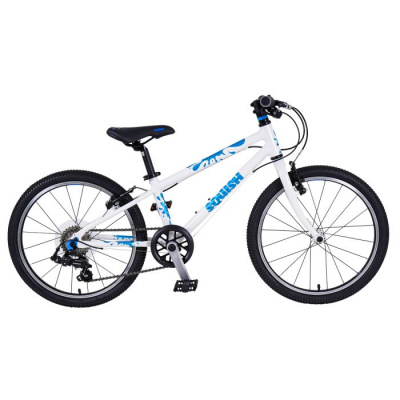
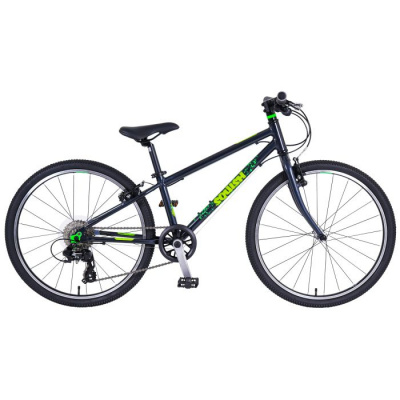
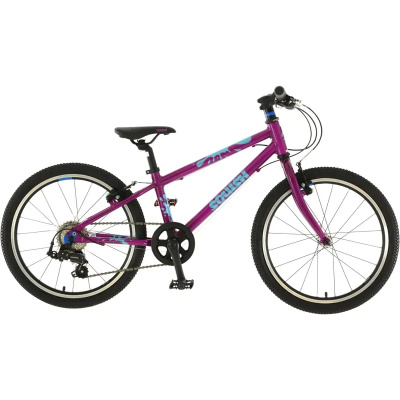
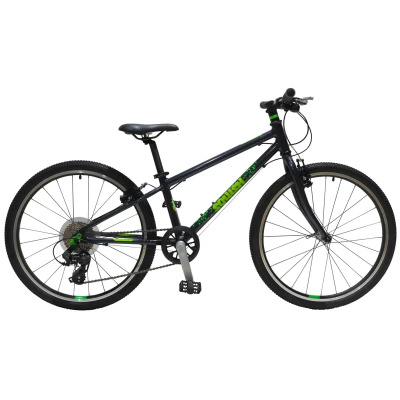
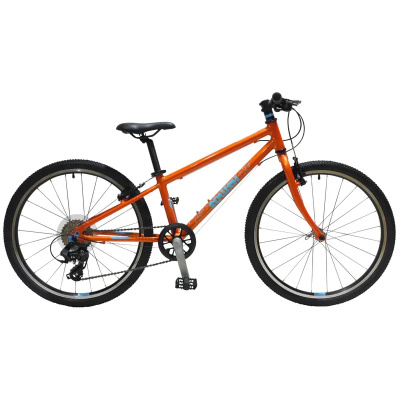
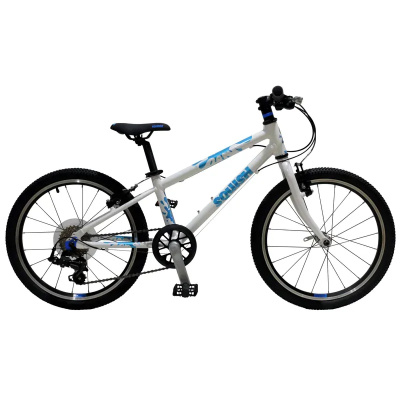
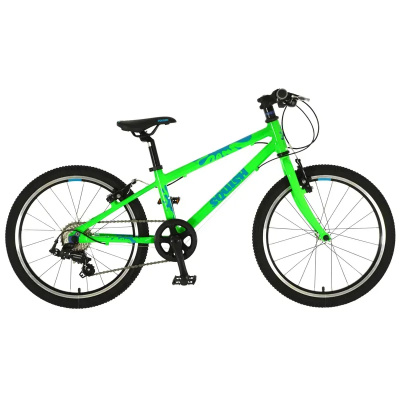
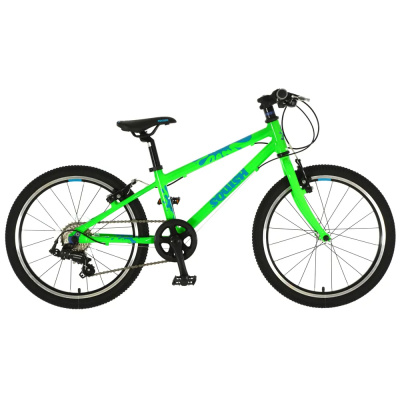
Prices and availability can change quickly. Delivery charges are not always included in listed prices.
Final price, stock status and delivery terms are set by retailer. We may receive a commission on purchases made.
Mapping the Range: Wheel Sizes, Models, and Who Each Suits
Every Squish model is named after its wheel size, which makes navigating the lineup straightforward once you understand the logic. The 14-inch and 16-inch models are aimed at the youngest pedallers - children just transitioning off a balance bike who need a lightweight alloy frame they can throw around without it throwing them back. Step up to 18 and 20-inch wheels and you're into the zone where kids start building real riding confidence: more complex gearing, slightly longer reach, and a frame that can handle weekend gravel rides alongside the daily school run. If you're weighing up adjacent sizes, our Squish balance bikes page covers the pre-pedal options so you won't confuse the two ranges.
At 24 and 26 inches, Squish offers both hybrid and mountain bike variants. The hybrid models - smooth-rolling tyres, upright geometry - suit tarmac-heavy riding. The MTB versions come with suspension forks and knobbly rubber for riders who want to head off-road properly: think trail centre green routes, muddy bridleways, or the gentler singletrack a confident young rider might tackle with a parent. These aren't toys dressed up as trail bikes; they're genuinely capable machines for that age group. If you want to see how the broader market compares, Frog bikes occupy a similar space and are worth a look alongside Squish.
Why the Engineering Decisions Actually Matter
There's a tendency to treat kids' bike specs as an afterthought - smaller frame, same components, job done. Squish doesn't work that way. The triple-butted aluminium frame uses varying wall thicknesses along each tube, removing material where it isn't needed structurally, which keeps weight low without compromising rigidity. A lighter frame means a child can pick the bike up, lean it confidently into a corner, and not feel like they're wrestling something designed for someone twice their size.
The child-specific Q-factor is less visible but arguably more important. Q-factor is the lateral distance between the pedals. On most budget kids' bikes, it's borrowed from adult geometry and left too wide, forcing children to pedal with their knees splayed outward. Squish narrows this deliberately, pairing it with proportional crank arms matched to shorter legs. The difference is immediate - a more natural pedalling motion, better power transfer, and less fatigue on longer rides. Think of it as the difference between running in shoes that fit versus shoes two sizes too big.
Short-reach brake levers round this out. Children have less hand strength and smaller fingers than adults, and a standard lever that requires a full adult grip to actuate is a genuine safety issue. Squish's levers are sized so a child can pull them confidently without stretching. That matters when you're coming down a slope and need to stop quickly - not gradually, not almost.
Getting the Fit Right - and Why Sizing Up Is a False Economy
The most common mistake parents make is buying a size up to get more use out of the bike. It's understandable - kids grow fast and bikes aren't cheap. But with a lightweight bike built around standover height and proportional geometry, sizing up defeats much of the purpose. If your child can't stand flat-footed over the top tube with a couple of centimetres of clearance, they'll be nervous at stops, slower to react, and less confident overall. That lost confidence is hard to rebuild.
Squish recommends sizing by inside leg measurement rather than age, and it's the right call. Age-based sizing assumes an average build that many children simply don't match. Measure from the floor to the crotch with the child standing flat-footed, then cross-reference with Squish's own wheel-size chart. For a Squish bikes sizing guide, their website provides current measurement ranges for each model - worth checking before you order, since the proportions can differ slightly between the hybrid and MTB variants at the same wheel size.
Once you've got the right size, maintenance is genuinely low-demand. The rust-resistant alloy frames shrug off being left in the garden or ridden through puddles - a realistic scenario for most UK families across autumn and winter. Sealed bearings keep the mud out without needing constant attention. Wipe the chain, keep the tyres at the right pressure, and check the brake levers haven't been knocked out of adjustment after any tumbles. That's about it. Brands like Cube and Carrera also produce durable kids' bikes worth comparing, though neither focuses as tightly on the weight-to-geometry ratio that defines the Squish approach.
Squish Kids Bikes FAQs
Are Squish bikes a good brand?
Yes - Squish has built a strong reputation in the UK for producing genuinely lightweight kids' bikes with child-specific geometry rather than just shrinking adult designs. The proportional cranks, narrow Q-factor, and short-reach brake levers make a real difference to how confidently a child rides, and the alloy frames hold up well over time.
How do I size a Squish bike for my child?
Measure your child's inside leg - floor to crotch, standing flat-footed - and use that figure against Squish's wheel-size chart. Don't rely on age alone; it assumes an average build that many kids don't match. Your child should have clear standover clearance over the top tube and be able to reach the brake levers comfortably without stretching.
Are Squish bikes lighter than Frog bikes?
The two brands are closely matched. Both use quality lightweight aluminium and design around child-specific proportions, making them consistently among the lightest kids' bikes available in the UK. Specific weights vary by model and wheel size, so it's worth comparing individual models directly - a few hundred grams can make a noticeable difference at smaller sizes.