
Sq Lab Pedals
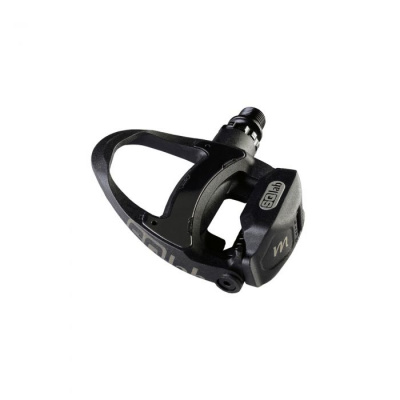
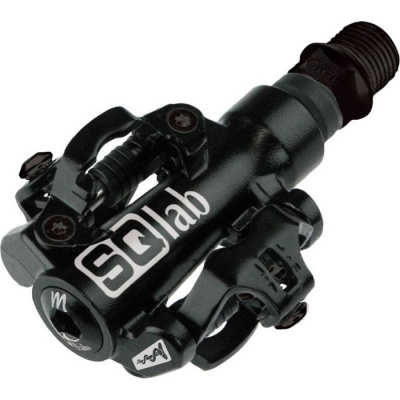
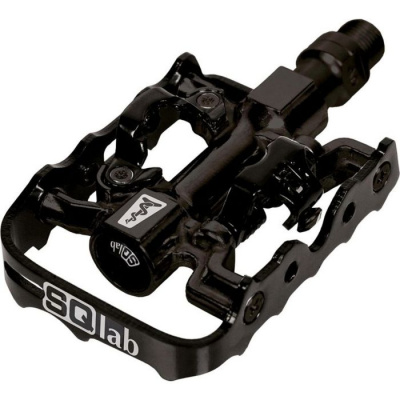
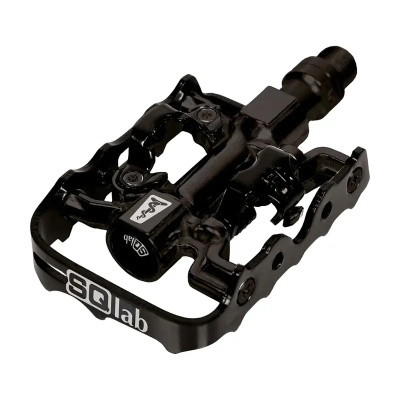
SQlab pedals take a different angle to the problem most brands ignore entirely: where your foot actually sits relative to your knee and hip. While most flat pedals compete on pin count and platform size, SQlab's focus is biomechanics first. The standout feature is a range of axle lengths - short, standard, and long - that let you dial in your Q-factor to match your natural stance, rather than forcing your feet into whatever position the crank dictates. That matters more than most riders realise, especially if you've been quietly accumulating knee niggles over months of commuting or trail riding.
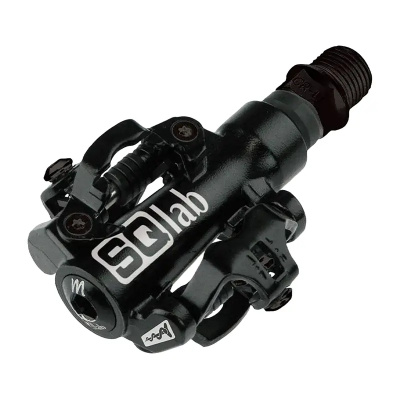
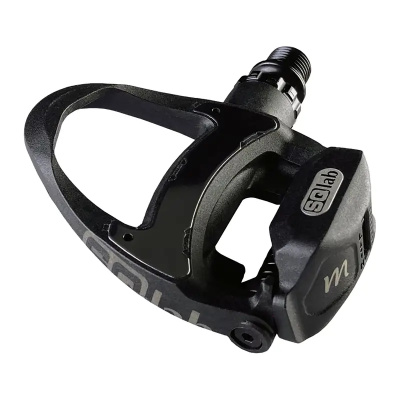
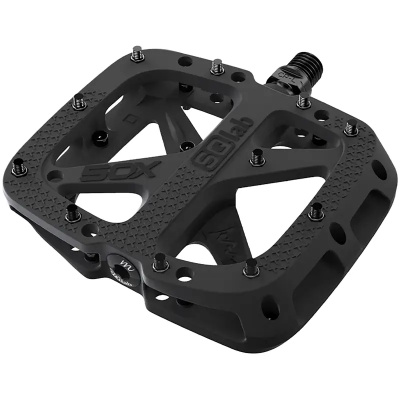
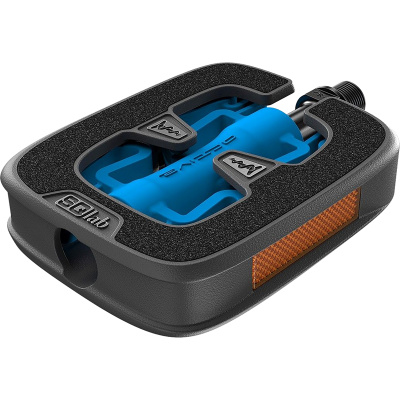
The range splits broadly into trail, city, and trekking use. The 50X series is aimed squarely at MTB riders who want a grippy pinned platform; the 521 uses a weather-resistant grip tape surface that's kinder to everyday shoes and well-suited to wet UK commutes; the 502 sits in trekking territory. All models run a standard 9/16 inch thread, so fitting to modern cranks is straightforward. Chromoly axles and quality sealed bearings mean these aren't disposable components - they're built to take winter grit and keep spinning. If knee pain or an inefficient pedal stroke has been a nagging issue, the axle length system is genuinely worth understanding before you buy.
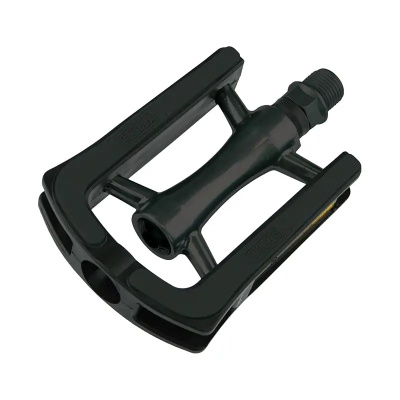
Prices and availability can change quickly. Delivery charges are not always included in listed prices.
Final price, stock status and delivery terms are set by retailer. We may receive a commission on purchases made.
Axle Lengths, Q-Factor, and Getting the Fit Right
Every SQlab pedal uses a standard 9/16 inch thread, so compatibility with modern cranks isn't something you need to worry about. What you do need to think about is axle length. SQlab offers short, standard, and long axle options across the range, and this is the detail that separates them from virtually every other flat pedal brand on the market.
The idea is straightforward: your natural foot stance - whether your feet point slightly outward in a V-shape or track closer to parallel - should determine where the pedal platform sits in relation to the crank. A longer axle moves the platform outward, widening your Q-factor and bringing your knee into better alignment if you naturally stand with your feet wide. A shorter axle pulls things inward, tightening the Q-factor for riders with a narrower stance. Getting this wrong over thousands of pedal strokes is a reliable route to outer knee discomfort.
To choose, stand naturally in socks on a hard floor and look at your foot angle. If there's a clear V-shape, lean toward the long axle. If your feet are close to parallel, the short or standard axle will suit you better. Shoe size plays into frame clearance too - larger feet on wider platforms can catch chainstays on some frames, so factor that in. It sounds involved, but once you've matched axle length to your stance, the biomechanical difference is tangible.
If ergonomic fit is a priority for you more broadly, it's worth looking at SQlab bar ends alongside the pedals - the brand applies the same stance-width logic to handlebar contact points.
Breaking Down the SQlab Range: 50X, 521, and 502
The three main lines serve genuinely different riders, and the price differences reflect real changes in materials and construction rather than just branding.
The 50X is the trail and MTB option. It uses a composite body - light enough to matter on longer days out in the Peaks or Afan - with adjustable metal traction pins that you can replace individually when they wear or bend on rock strikes. The concave platform design is central to how the pedal works: the slight dish shape encourages your foot to settle into a consistent position naturally, rather than sliding around under load. Pin grip is aggressive, which is exactly what you want in mud or wet roots, but it does mean walking in soft-soled shoes becomes a minor adventure.
The 521 takes a different approach for city and commuting use. Instead of pins, it uses a heavy-duty grip tape surface across the platform. That's deliberate - metal pins chew through the soles of everyday shoes fast, and most commuters aren't wearing Five Tens to the office. The grip tape holds well on wet tarmac and gravel paths, and critically, it can be replaced when it wears down, which makes the 521 a more sensible long-term investment for daily riding than its price might suggest. The concave ergonomic platform carries over from the trail models, so foot positioning remains consistent.
The 502 occupies the trekking space - longer days, loaded bikes, or riders who want something between the 521's city focus and the 50X's trail aggression. Bearing quality across all three tiers is solid; the sealed cartridge design is built for longevity rather than just out-of-the-box feel. Compared to something like DMR pedals at a similar price, SQlab's differentiation is the axle length system rather than platform size or pin configuration - a trade-off that makes sense if biomechanics is your primary concern. Hope pedals are another comparison worth considering if you're after UK-made durability for trail use, though they don't offer the same stance-width adjustment.
Keeping SQlab Pedals Running Through a UK Winter
British winters are hard on pedal bearings. Road salt, wet grit, and repeated wet-dry cycles push bearing seals harder than most manufacturers account for, and a pedal that feels buttery in September can develop noticeable play by February. SQlab's sealed cartridge bearings hold up well here, but they're not indestructible - checking for play every few weeks through winter takes thirty seconds and saves you from a creaking, inefficient mess by spring.
To check bearing condition, hold the pedal body and try to rock it laterally on the axle. Any movement beyond a barely perceptible amount suggests the bearings need attention. Replacement cartridges are available through SQlab spare parts, and swapping them is a job most home mechanics can handle with basic tools - the SQlab tool range includes pedal-specific options worth having if you're doing regular maintenance.
For the 521 and 502 city and trekking models, grip tape wear is the main maintenance concern rather than pin replacement. When the surface starts to feel slick - particularly in wet conditions where grip tape versus traditional pins makes a real difference - the tape peels cleanly away from the platform and a fresh sheet restores full traction. It's a straightforward job, and replacement tape is available separately. Keep the platform clean before applying new tape and press it down firmly from the centre outward to avoid bubbling.
On the 50X, bent or worn traction pins are the equivalent concern. They unscrew individually with a hex key, so you can replace just the damaged ones rather than the whole pedal. Carry a spare handful in your pack if you're riding rocky ground regularly - a bent pin on a Scottish enduro day is a nuisance, but it's a five-minute fix if you've got the parts.
If you're also considering Ergon pedals for commuting or touring, it's worth noting they share a similar ergonomic philosophy but don't offer the same axle length customisation - making SQlab the stronger choice specifically where knee alignment is the priority.
Sq Lab Pedals FAQs
How do I choose the right SQlab pedal axle length?
Stand naturally in socks and check your foot angle. If your feet splay outward in a V-shape, or you experience outer knee pain when riding, a longer axle will widen your Q-factor and bring things into better alignment. A narrower, more parallel stance suits the short or standard axle, which keeps the Q-factor tighter for a more efficient pedal stroke.
Are SQlab pedals good for knee pain?
They're one of the more considered options for riders dealing with knee issues. The varying axle lengths let you align your hip, knee, and foot properly through the pedal stroke, reducing lateral stress on the joint. It's not a cure-all, but misaligned foot position is a common and overlooked cause of cycling knee pain, and SQlab's system directly addresses it.
Can I replace the grip tape on SQlab city pedals?
Yes. On the 521 and 502 models, the grip tape peels cleanly off the platform when it wears down - which will happen eventually, especially with wet, gritty commuting conditions. Replacement tape is available separately. Clean the platform surface before fitting the new sheet and press firmly from the centre out to get a solid bond.