
Specialized Kids Helmets
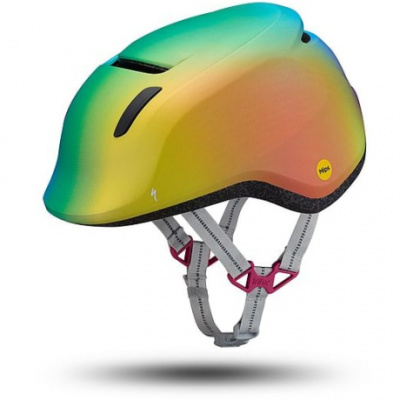
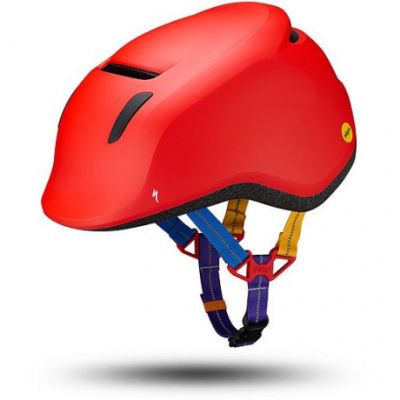
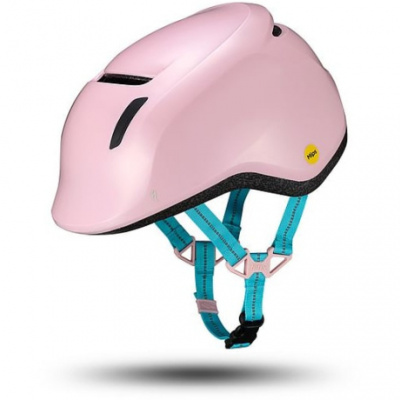
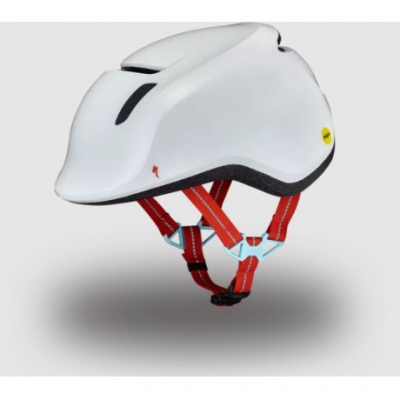
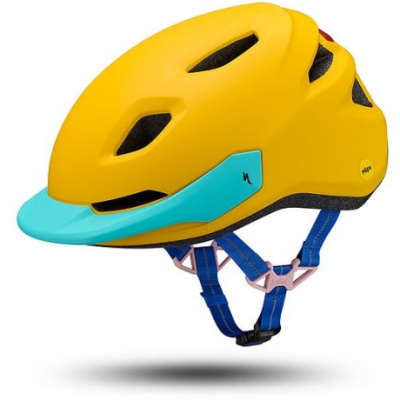
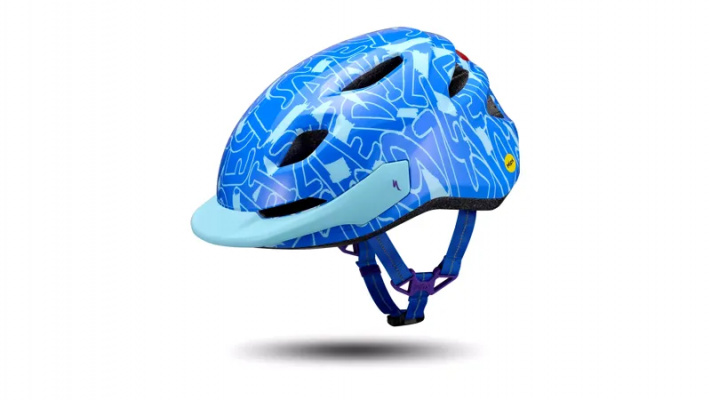
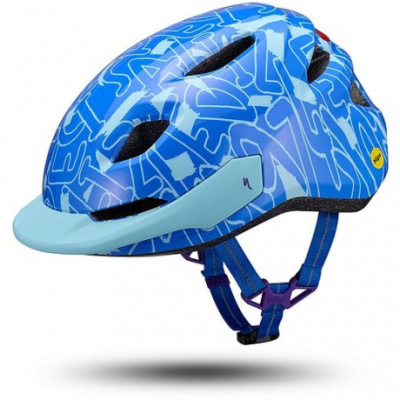
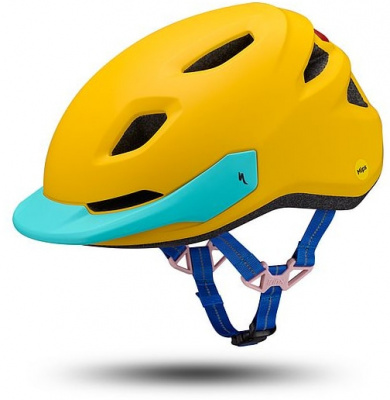
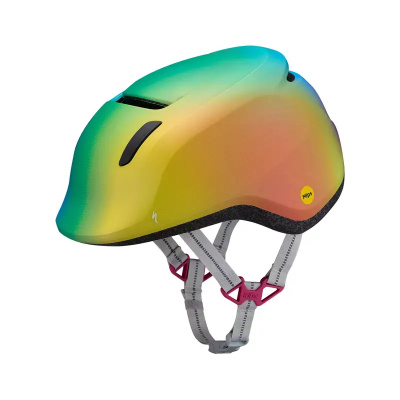
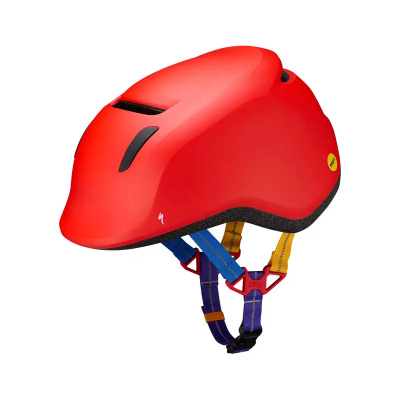
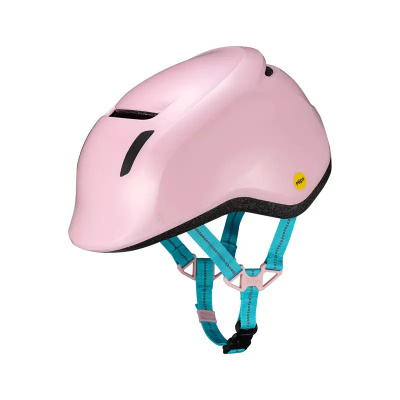
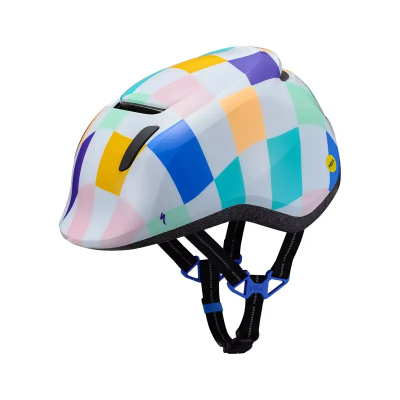
Specialized kids bike helmets take the guesswork out of protecting your child on two wheels - and they do it without the usual battle of fiddly straps and finger-pinching buckles. If you've ever stood in a car park trying to get a toddler's chin strap clipped before they wobble off on a balance bike, you'll appreciate exactly why that matters.
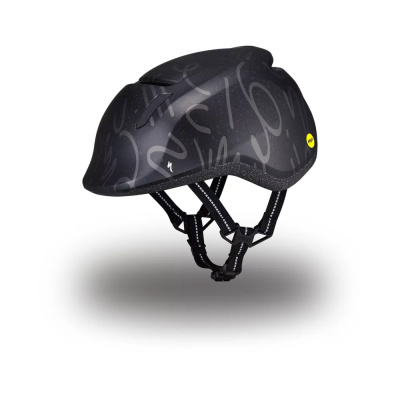
The range brings genuinely serious safety technology down to smaller heads. MIPS rotational impact protection - the same system you'll find in Specialized's adult road and mountain helmets - is built into the majority of their kids' models, giving an added slip-plane layer designed to reduce rotational forces on the brain during angled impacts. That's not a marketing tick-box; it's meaningful protection at a size that fits a three-year-old.
Features like the Tri-Fix web splitter keep strap routing tidy and consistent, so the fit stays correct ride after ride rather than drifting out of position. Magnetic anti-pinch buckles mean no more tears at the chin. A dial-adjust fit system means you're not buying a new helmet every six months as they grow. High-visibility colourways and reflective decals make them practical for the school run, overcast autumn loops, or any other ride where UK light conditions do their usual thing. Whether your child is just learning to balance or already eyeing up the local trails, there's a Specialized lid here that fits.

Prices and availability can change quickly. Delivery charges are not always included in listed prices.
Final price, stock status and delivery terms are set by retailer. We may receive a commission on purchases made.
Safety Tech That Doesn't Cut Corners for Smaller Heads
Specialized doesn't strip out the good stuff just because the helmet is sized for a five-year-old. The core construction across the range uses in-moulded EPS foam - where the outer polycarbonate shell is fused directly to the foam liner during manufacturing rather than glued on separately. The result is a stiffer, lighter structure that doesn't add unnecessary weight to a child's neck over a full afternoon ride.
The real headline is MIPS. In a standard impact, a helmet absorbs the direct force reasonably well. But many real-world crashes involve an angled hit - think a child going over the bars and landing at a glancing angle on the ground. That's where rotational forces transfer through to the brain, and that's precisely what MIPS addresses. The low-friction slip-plane layer inside the helmet allows the shell to move independently of the head by a few millimetres on impact, reducing those rotational forces measurably. Seeing it specified on helmets at toddler sizing is genuinely good news for parents who've done their research.
EPS foam density is tuned for the energy levels relevant to children's falls - it's not simply a scaled-down adult foam. Combined with the in-moulded shell, the helmet stays lightweight enough that kids actually keep it on rather than pulling it off the moment you're not looking. That practicality is the whole point.
Mio, Shuffle, and Getting the Fit Right
Specialized organises their kids' range into two clear tiers, and the distinction is worth understanding before you buy.
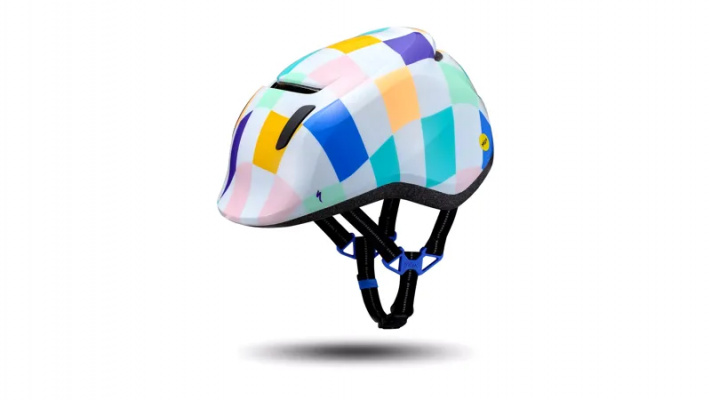
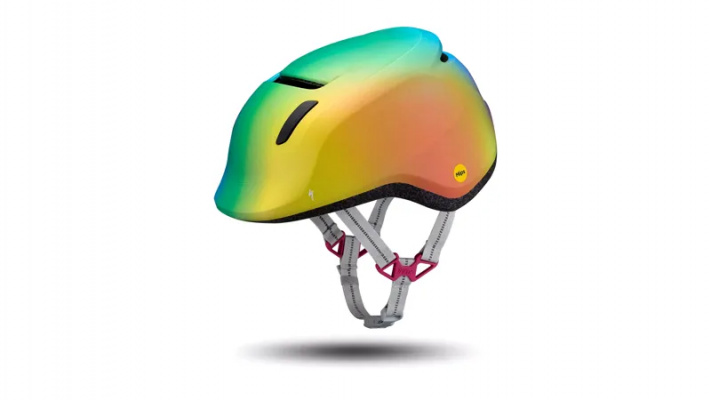
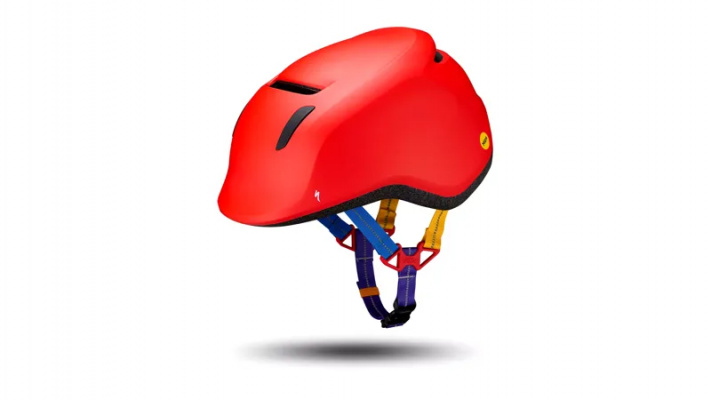
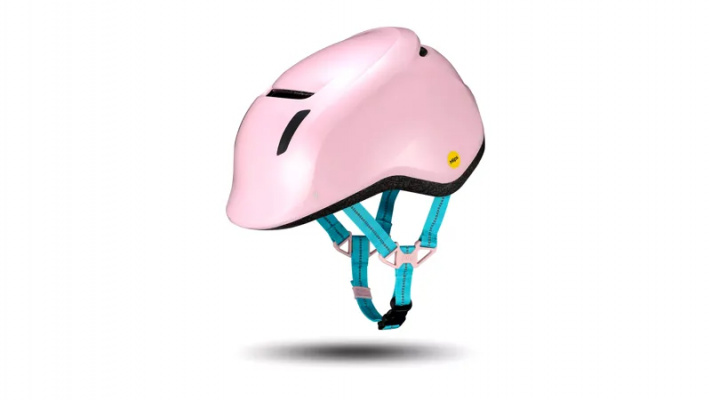
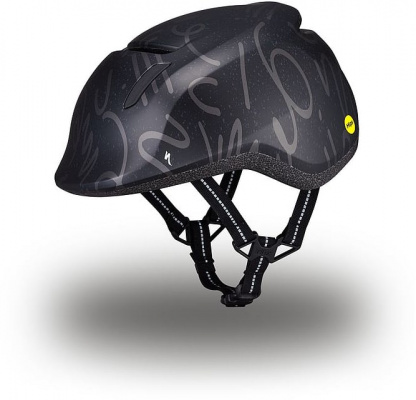
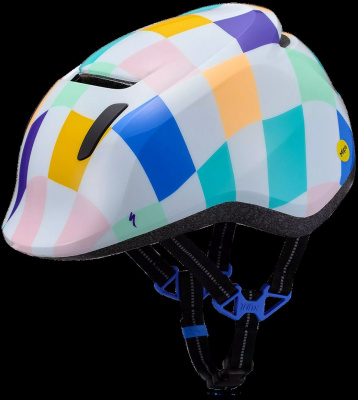
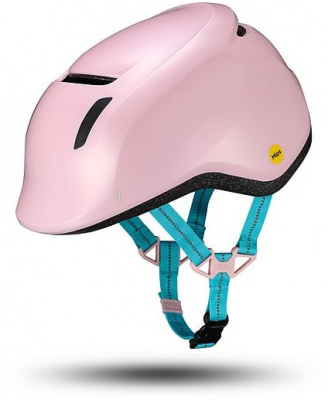
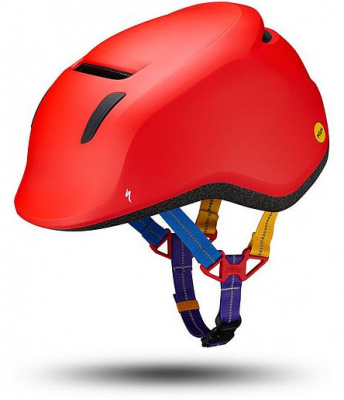
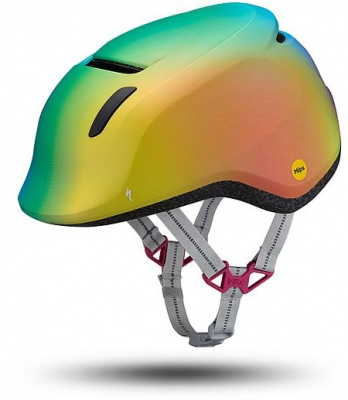
The Mio is built for toddlers - typically covering head circumferences from around 46 - 51 cm. Its most distinctive feature is the flatter rear profile, which means it sits comfortably when your child is reclined in a bike trailer or cargo bike seat without forcing their head forward at an awkward angle. The magnetic buckle is standard here, and it's genuinely useful: it clicks together with one hand and releases cleanly without catching skin. The Headset SC fit system provides toddler-specific dial adjustment at the back, so you can fine-tune the cradle to a small head without the helmet rocking around. Straps are managed by the Tri-Fix web splitter, which holds the ear straps in the correct position either side of the ear and stops them creeping out of alignment - a small thing that makes a real difference to how consistently the helmet sits over time.
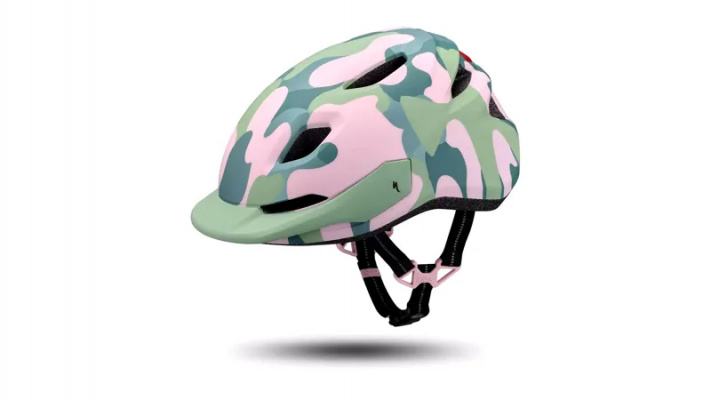
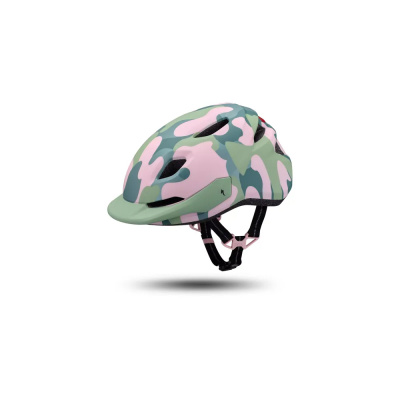
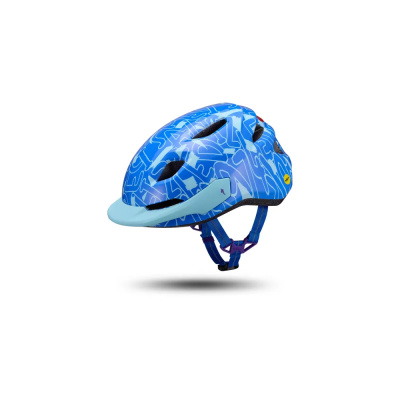
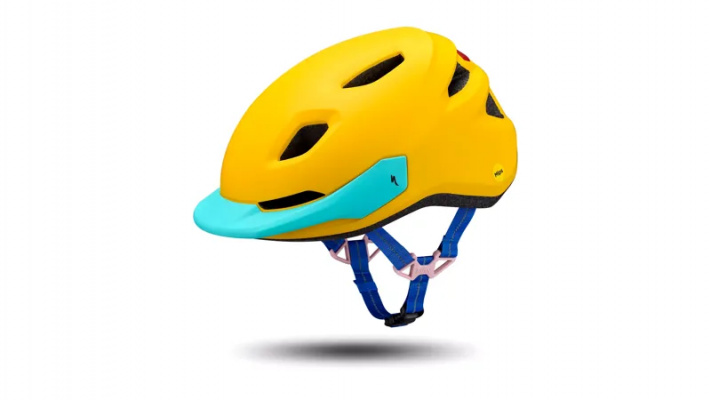
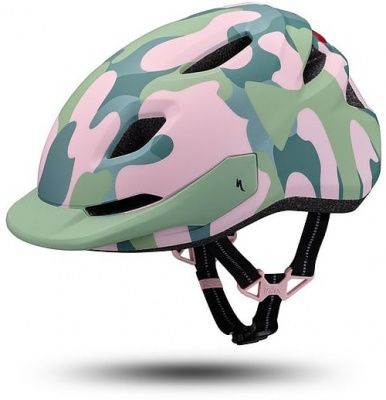
The Shuffle steps up for older children and youth, with a more conventional helmet profile, increased ventilation, and a fit range that carries through into the lower end of adult sizing. It's the one to look at once your child has moved beyond balance bikes and is putting in proper miles on a pedal bike. The ventilation is noticeably more open - useful for warmer days and for kids who run hot during longer rides.
Getting the fit right is straightforward if you measure first. Wrap a soft tape measure around the widest part of your child's head, roughly a centimetre above the eyebrows - that number in centimetres is what you match to the Specialized sizing chart. The dial systems on both models allow adjustment within a range, but starting with the right size band matters. If your child is right on the boundary between sizes, go larger and dial in; going smaller means the fit dial runs out of room quickly.
If your child is an older teen looking at more aggressive riding, our Specialized lights page is worth a look for trail-readiness kit, and for full-face or adult-sized protection, the broader helmets category will have more relevant options. For comparable alternatives from other brands, Giro kids helmets and Bell kids helmets are both worth comparing - particularly if sizing or colourway availability is a factor. Lazer kids helmets are another solid option in a similar bracket.
Visibility and Riding in the UK's Usual Conditions
British riding rarely happens in ideal light. School runs in October mean near-darkness at drop-off; weekend family rides in November mean grey skies and damp lanes where drivers aren't always looking. Specialized's high-visibility colourways - bright yellows, greens, and whites - aren't just about aesthetics. They're a practical choice for the conditions most UK families actually ride in. Integrated reflective decals on the shell add another layer of passive visibility without requiring your child to wear a separate reflective vest over their jacket.
Ventilation is a genuine two-season consideration here. The Shuffle's open channel design moves air effectively during summer rides, which matters when a child is working harder than they look and overheating quickly. But the shell coverage - particularly across the sides and rear - is sufficient to deflect cold wind on breezy autumn days rather than leaving the ears and lower skull exposed the way some aggressively vented helmets do. It's a reasonable balance for a helmet that'll see year-round use rather than just summer holidays.
Pairing the helmet with Specialized mudguards on their bike makes practical sense if you're doing school runs through autumn - keeping road spray off the face and body is one less misery for a child who's still building their enthusiasm for riding in the cold. Small details like that keep them willing to ride, which is the whole point of getting the kit right in the first place.
Specialized Kids Helmets FAQs
How do I measure my child's head for a Specialized helmet?
Take a soft tape measure and wrap it around your child's head roughly a centimetre above their eyebrows - that's the widest point. Note the measurement in centimetres and match it to the Specialized sizing chart. Toddler sizes typically run from 46 - 51 cm, youth from 52 - 57 cm. If they're between sizes, go larger and use the dial to fine-tune the fit.
What is the difference between the Specialized Mio and Shuffle helmets?
The Mio is aimed at toddlers and younger children. Its flatter rear profile makes it comfortable in bike trailers, and it comes with a magnetic anti-pinch buckle as standard. The Shuffle is designed for older children - it has more ventilation, a higher-profile shape, and suits kids who are riding independently on pedal bikes rather than balance bikes or trailer setups.
Do Specialized kids helmets have MIPS?
Most current Specialized kids helmets - including the Mio and Shuffle - come with MIPS fitted as standard. The system adds a low-friction slip-plane layer inside the helmet that moves independently of the head during an angled impact, reducing the rotational forces transmitted to the brain. It's the same technology used in Specialized's adult range, not a stripped-down version.