
Sidi MTB & Gravel Shoes
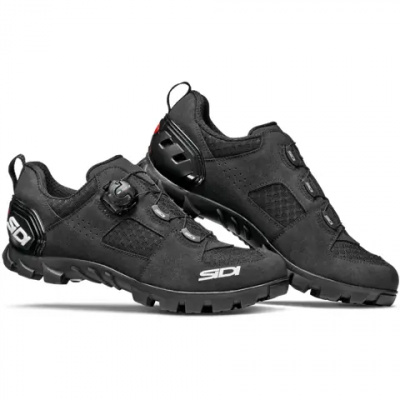
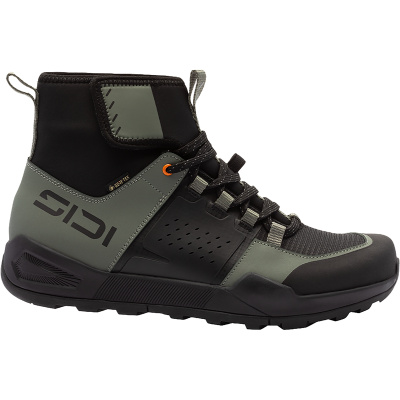
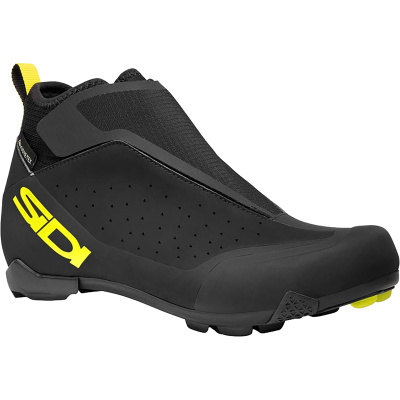
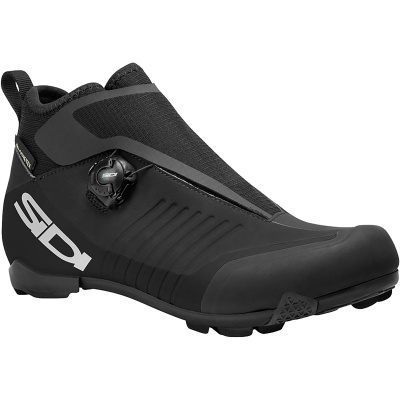
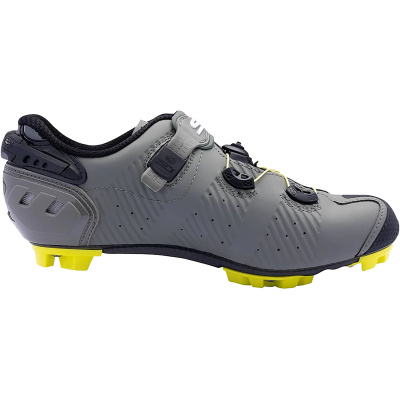
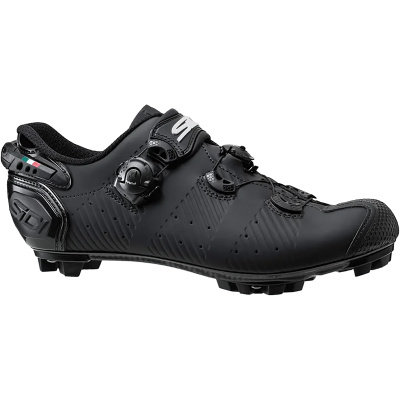
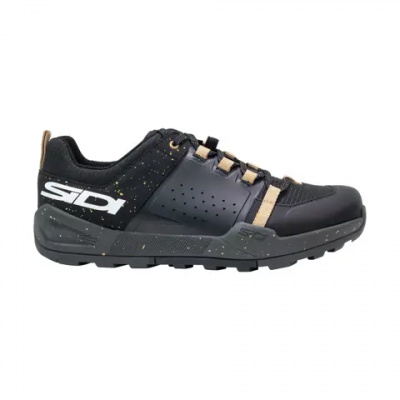
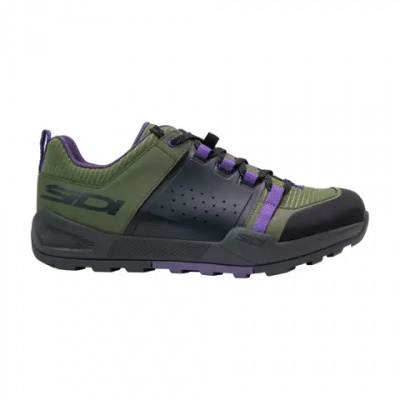
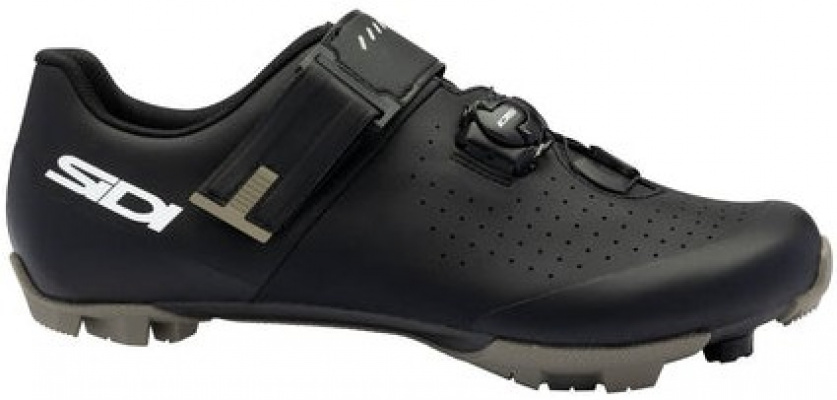
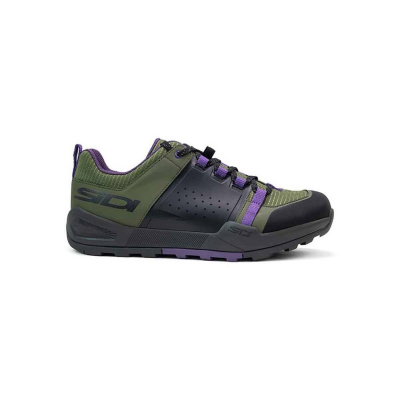
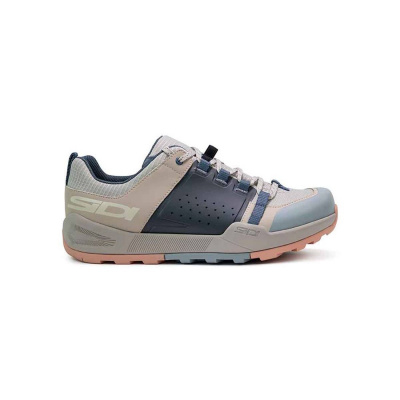
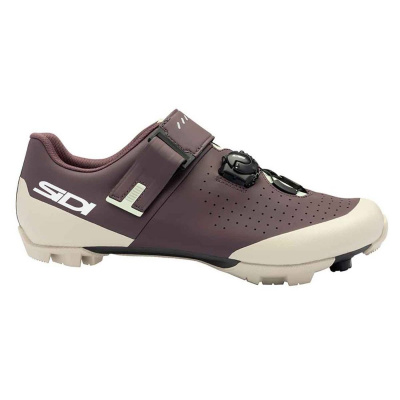
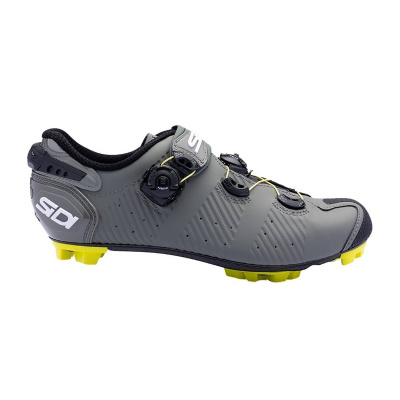
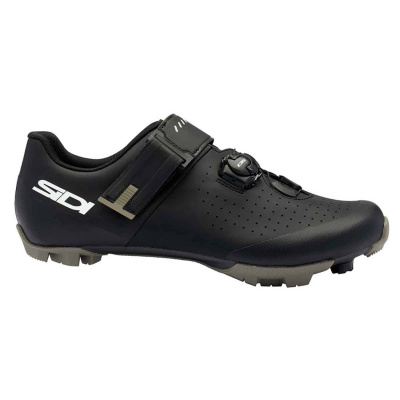
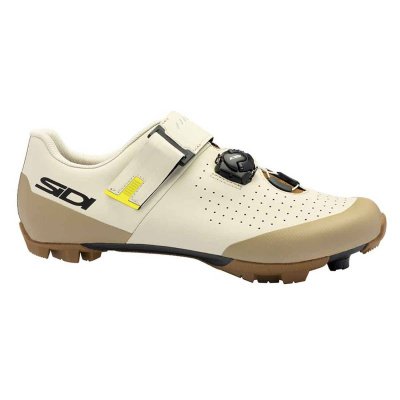
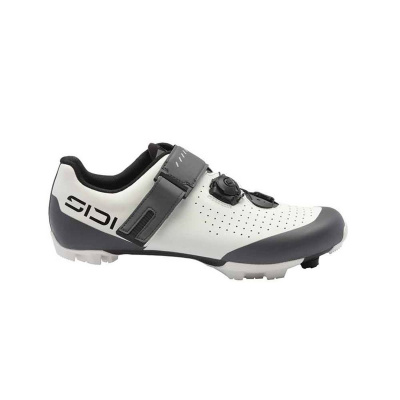
Sidi MTB & Gravel Shoes have earned a reputation built on decades of Italian shoemaking precision - and on the off-road side, that pedigree translates into footwear that takes a serious beating and keeps performing. The range runs from trail-ready entry points right up to carbon-soled race shoes, all sharing the same core DNA: a Tecno-3 dial closure system that lets you dial in fit with one finger even when your gloves are caked in February mud, and Microfibra Techpro uppers that resist the kind of grit, bramble scratches, and wet abuse that UK riding dishes out regularly.
The SRS (Sole Replacement System) is worth highlighting early. Rather than binning the whole shoe when the tread wears through on rocky hike-a-bike sections, you unscrew the worn blocks and fit new ones. On abrasive ground - think Peak District grit edges or gravelly Welsh bridleways - that's a meaningful saving over time. Whether you're lining up for a cyclocross race, grinding a multi-day gravel route, or threading technical singletrack, there's a Sidi model pitched at your riding. The fit runs narrow by default, so sizing and last choice matter - more on that below.
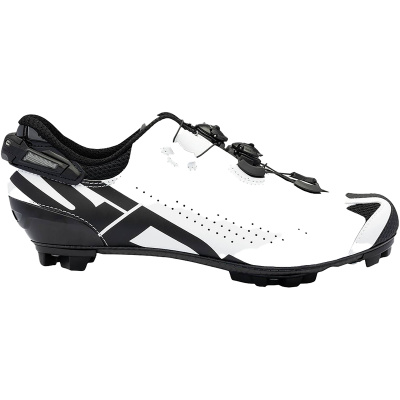
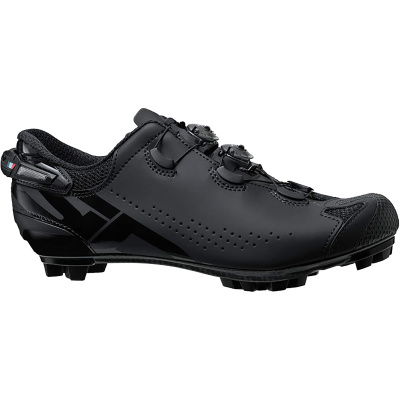
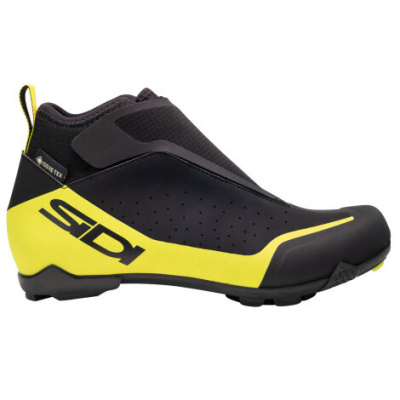
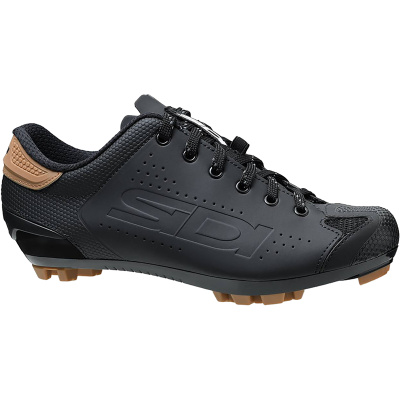
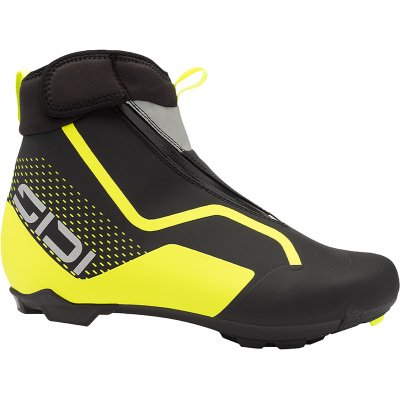
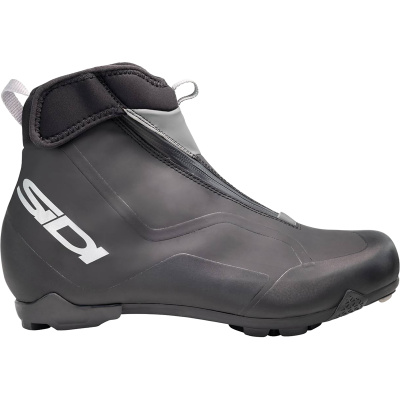
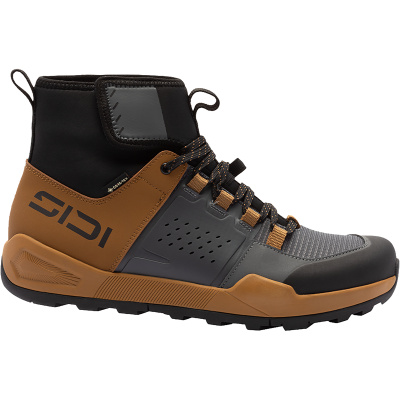
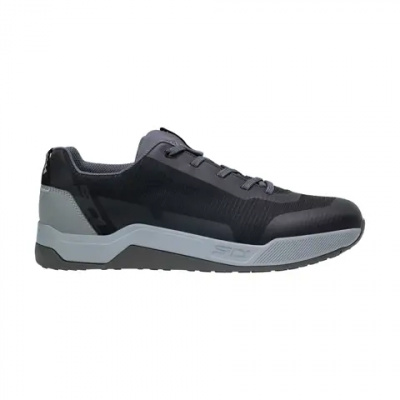
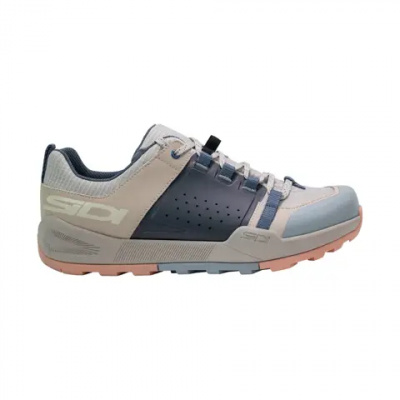
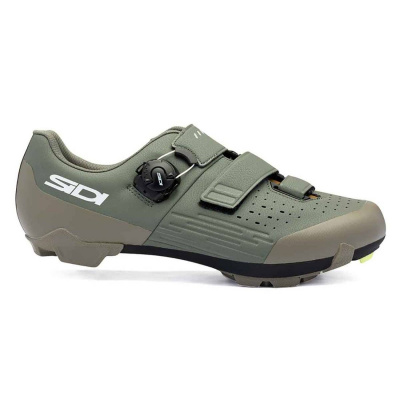
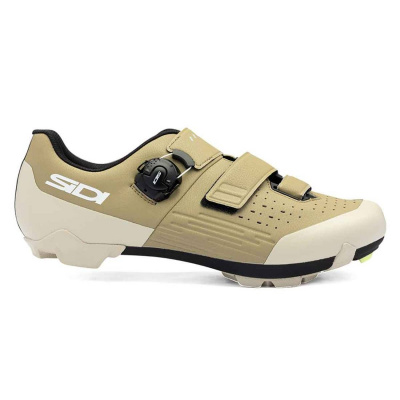
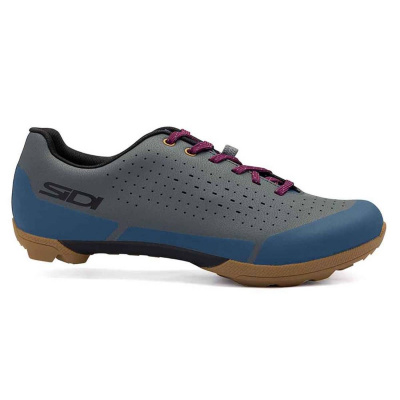
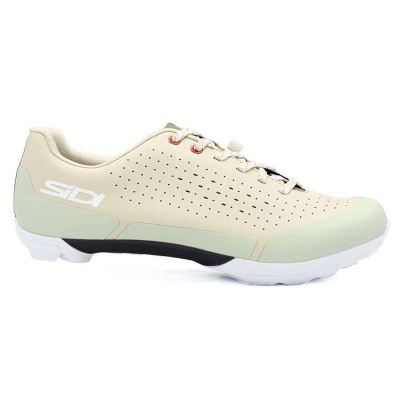
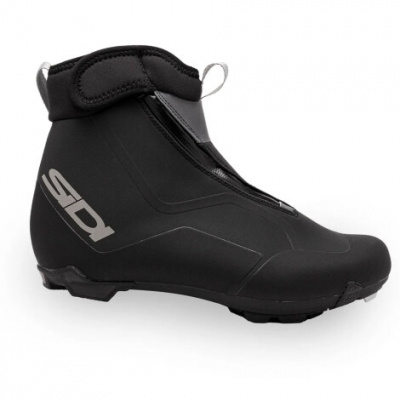
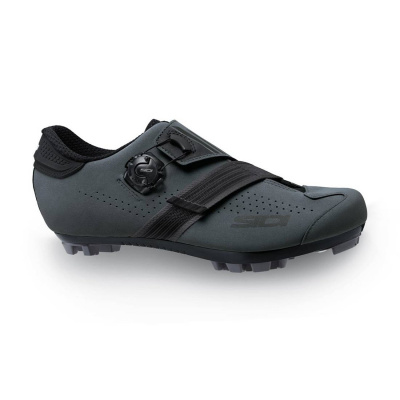
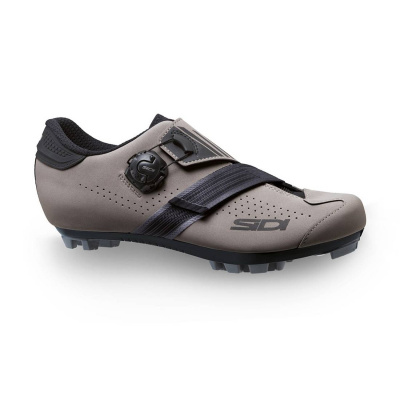
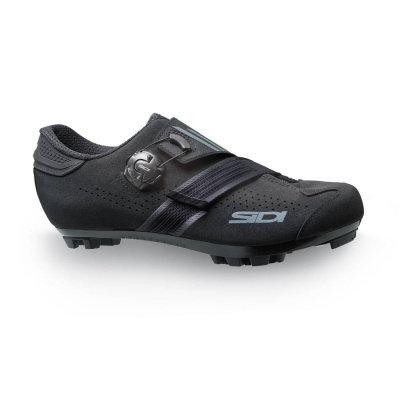
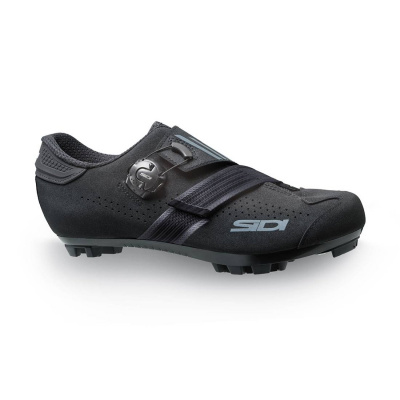
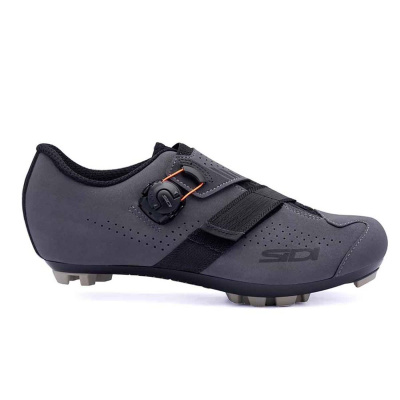
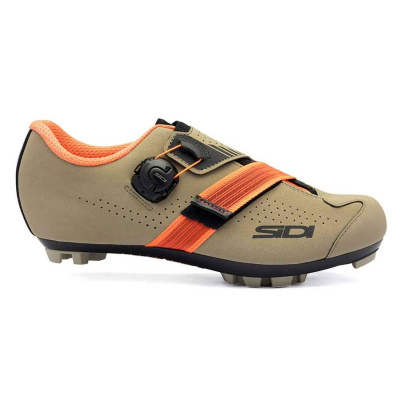
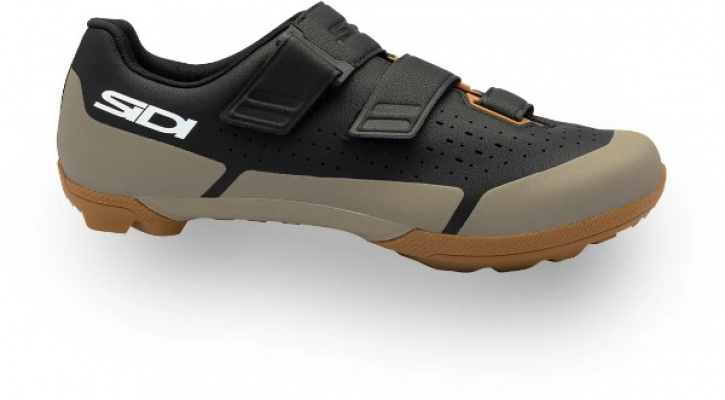
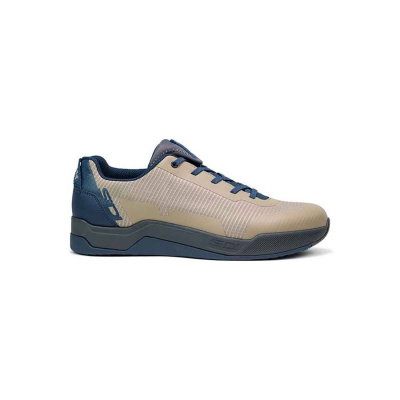
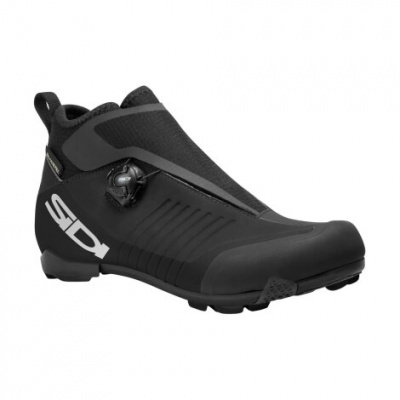
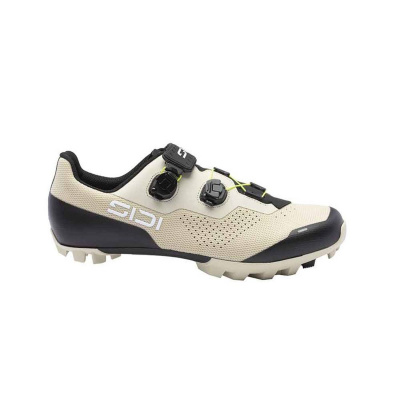
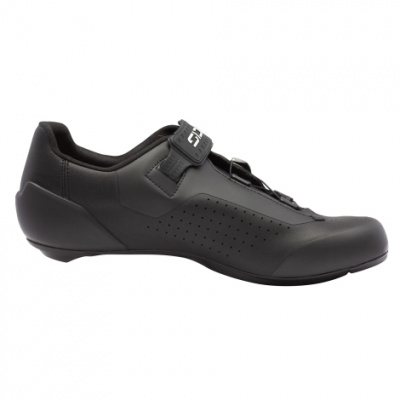
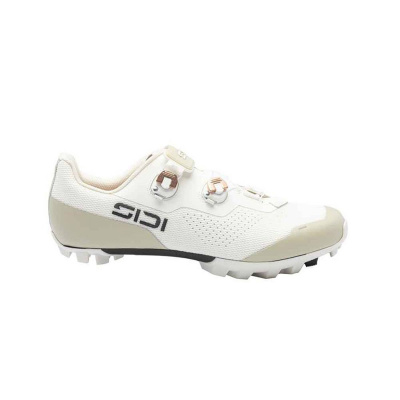
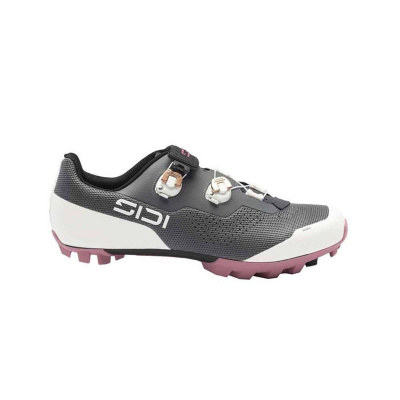
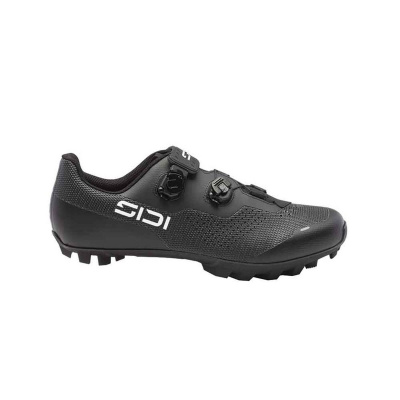
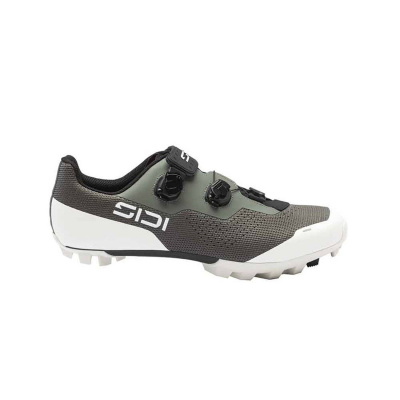
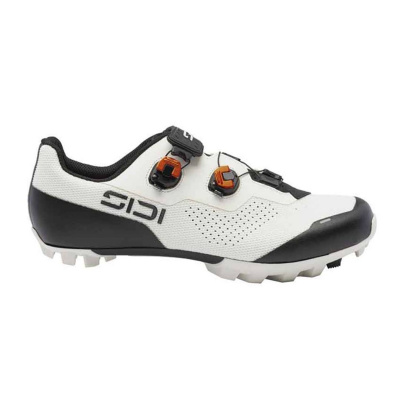
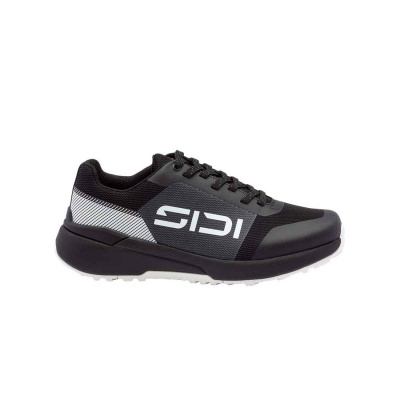
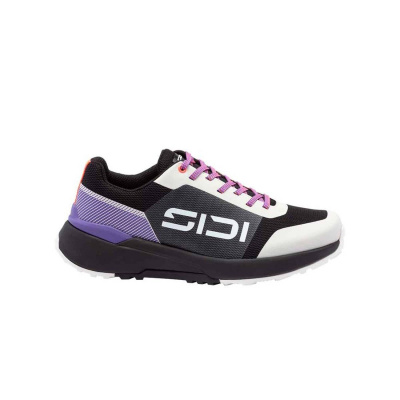
Prices and availability can change quickly. Delivery charges are not always included in listed prices.
Final price, stock status and delivery terms are set by retailer. We may receive a commission on purchases made.
Upper Materials & How They Handle UK Trail Conditions
The Microfibra Techpro upper is Sidi's synthetic leather alternative, and it does a better job in wet conditions than you might expect from a material that looks this refined. It's denser and more abrasion-resistant than standard mesh uppers, so bramble snags and rocky scrambles don't immediately open up ugly scuffs. Water repellency is good rather than waterproof - think a brisk autumn ride in the Surrey Hills where puddles splash but it's not quite tipping it down. In those conditions, Techpro sheds water well and dries faster than genuine leather.
Where riders really notice the difference is on prolonged hike-a-bike sections. The material holds its shape under compression, so your foot isn't slipping around inside a soggy, deformed upper after an hour of carrying the bike up a gritstone climb. The reinforced integrated heel cup plays into this too - it locks the heel in place and keeps power transfer crisp rather than letting the shoe flex in directions it shouldn't when you're mashing through a technical climb.
The Tecno-3 Push System is the closure mechanism you'll interact with most. It's a ratchet-style dial that micro-adjusts in small, audible clicks, and the push-to-release mechanism means you can loosen the shoe quickly at the café stop without fumbling with buckles. Crucially, the dial housing sits proud of the upper rather than flush, which makes it easier to operate with muddy gloves. A small thing, but you'll appreciate it on a wet November ride when your fingers aren't cooperating. Keep the dials clean - a quick rinse and a spin after muddy rides stops grit from grinding into the mechanism over time.
Fitting Sidi Off-Road Shoes: Last Options & the Range Explained
Sidi's fit profile is classically Italian: low-volume, relatively narrow through the midfoot, with a snug heel pocket. If you've worn road shoes from Italian brands before and found them comfortable, you'll likely feel at home. If you're coming from a wider-fitting brand or you know you've got a broader forefoot, pay attention to the Mega fit designation on certain models. Mega versions use a wider last - not just a wider toe box - so the fit change is more substantial than the name might suggest.
On sizing, many riders find Sidi MTB shoes run slightly short compared to other brands. Trying half a size up from your usual is a sensible starting point, particularly if your toes are close to the end of the box in other shoes. That said, fit varies between models, so checking the specific shoe's guidance is worthwhile before ordering.
The range itself has a clear hierarchy. Entry-level models like the Trace use a nylon composite sole with moderate stiffness - fine for trail riding and gravel where some sole flex actually helps comfort on longer days in the saddle. Step up and you reach carbon-soled options like the Tiger and Dragon, where the stiffness index climbs noticeably and power transfer sharpens up. The Dragon in particular is pitched at XC racing and fast gravel, where every watt matters. If you're shopping purely for road riding, our Sidi Road Shoes page covers the tarmac-specific range, including the Tecno-3-equipped road models that share a lot of the same closure technology in a stiffer, sleeker package.
For broader context on off-road shoe options at different price points, it's worth comparing across brands. Fizik MTB & Gravel Shoes tend to suit riders who want a slightly roomier toe box, while Lake MTB & Gravel Shoes are well regarded for wide-fit options if Mega still isn't quite enough width. Giro MTB & Gravel Shoes sit at a competitive price point for riders who don't need a carbon sole.
Sole Tech, Cleat Compatibility & Keeping Them Going Longer
All Sidi MTB and gravel shoes use a standard 2-bolt SPD mounting pattern. That means full compatibility with Shimano SPD pedals, Crankbrothers Eggbeaters and Candy, Time ATAC, and any other off-road system using the same footprint. Cleat positioning is straightforward - the mounting channels give reasonable fore-aft adjustment, which matters if you're particular about cleat placement for knee comfort on longer gravel days.
The SRS (Sole Replacement System) carbon ground sole deserves more attention than it usually gets. The rubber tread blocks are screwed into the carbon base rather than bonded, so when the heel and toe sections wear through - and on abrasive Scottish gravel or rocky Peak District descents, they will - you unscrew the worn blocks and fit replacements. It's a ten-minute job. The carbon base underneath stays intact, meaning the structural integrity and stiffness of the shoe aren't compromised. Over a couple of seasons of regular riding, the cost saving over replacing entire shoes is real. You can pick up replacement tread blocks and other consumables on our Sidi Shoe Spares page, alongside replacement dials and heel cups if those wear first.
Cleaning matters more than most riders assume. Mud that dries inside the Tecno-3 dial housing can cause the mechanism to skip or seize. A rinse under a tap after each muddy ride, with a quick spin of the dial to flush debris through, takes about thirty seconds and keeps the system running cleanly for years. The Techpro upper can be wiped down with a damp cloth - avoid pressure washers aimed directly at the dial or sole junction, as sustained high pressure can work water into areas you don't want it. If you're comparing closure systems, Northwave MTB & Gravel Shoes use a similar dial-based approach and are worth a look if you want an alternative with slightly different fit geometry.
Sidi MTB & Gravel Shoes FAQs
Do Sidi MTB shoes run small?
Sidi's off-road shoes use a traditional narrow, low-volume Italian fit, and many riders find them slightly short compared to other brands. Sizing up by half a size is a sensible move if you're between sizes. If you have a wider forefoot, look for models carrying Sidi's Mega designation - these use a genuinely wider last, not just a stretched toe box.
Are Sidi gravel shoes compatible with SPD cleats?
Yes. All Sidi MTB and gravel shoes use a standard 2-bolt mounting pattern, so they work with Shimano SPD, Crankbrothers, Time ATAC, and any other off-road system using the same footprint. No adapters needed - bolt straight on.
Can you replace the tread on Sidi mountain bike shoes?
On models fitted with the SRS (Sole Replacement System), yes. The rubber tread blocks are screwed into the carbon base, so when they wear through - particularly on abrasive rocky ground - you unscrew the old blocks and fit new ones. The carbon sole stays intact. Replacement treads are available separately, which makes this one of the more cost-effective sole systems around.