
Shimano MTB & Gravel Shoes
Shimano MTB and gravel shoes cover more ground than almost any other off-road footwear range - from featherlight XC race shoes that live on the pedals to burly Gore-Tex boots that laugh off a Pennine bog. All of it built around the 2-bolt SPD cleat system that's been earning its keep on UK trails for decades. What makes the range worth your attention isn't just the breadth. It's the consistency: Shimano's Ultread rubber compounds deliver genuine grip whether you're clipping out on greasy roots or scrambling up a hike-a-bike on the South Downs. The BOA L6 and Li2 dials give you micro-adjustable fit on the fly - no faffing with buckles when your feet swell mid-ride. And running through the whole range is Shimano Dynalast technology, a sole geometry designed to keep your foot moving efficiently through the pedal stroke and reduce the fatigue that stacks up on longer days out. Whether you're gravel-grinding the Cairngorms or chasing lap times at Bike Park Wales, there's a Shimano shoe built for the job. The trick is knowing which one.
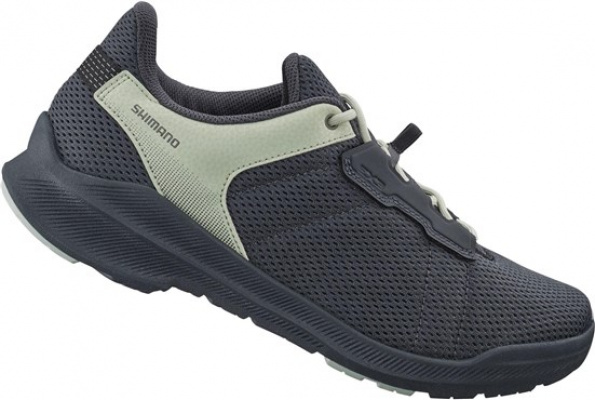
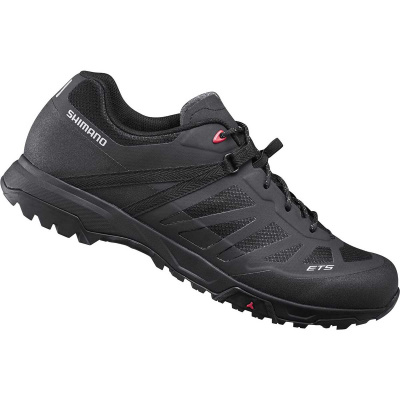
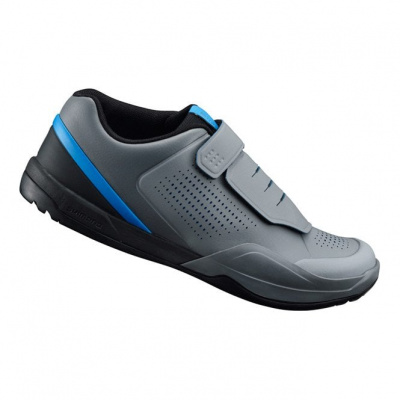
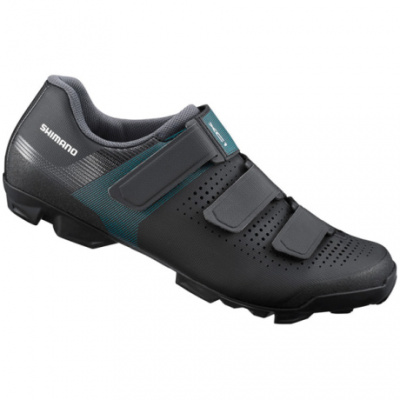
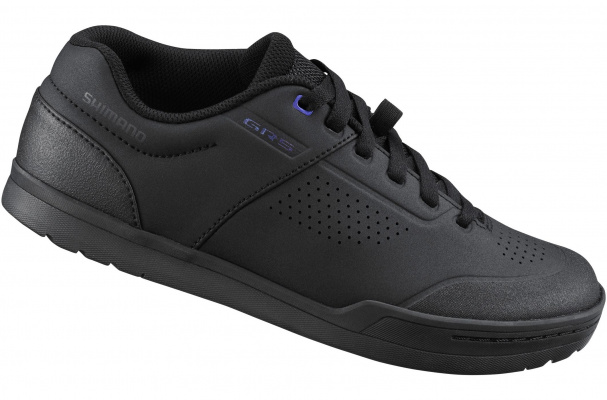
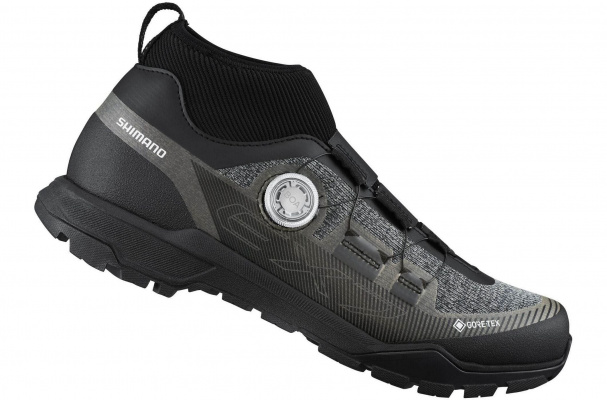
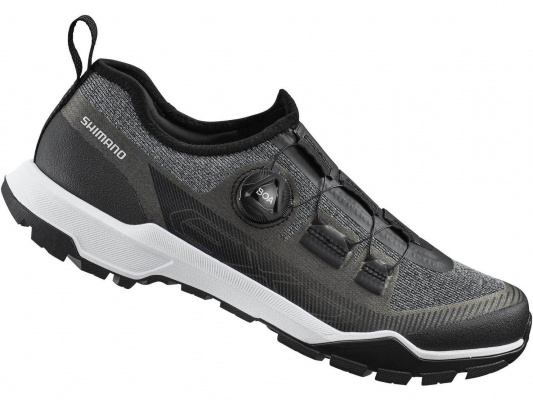
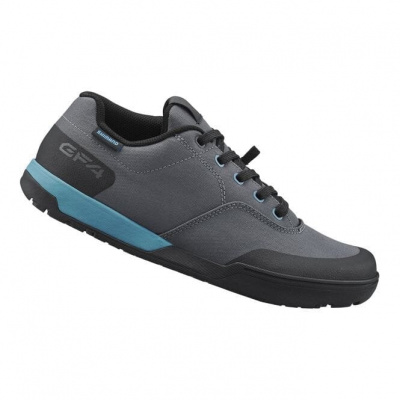
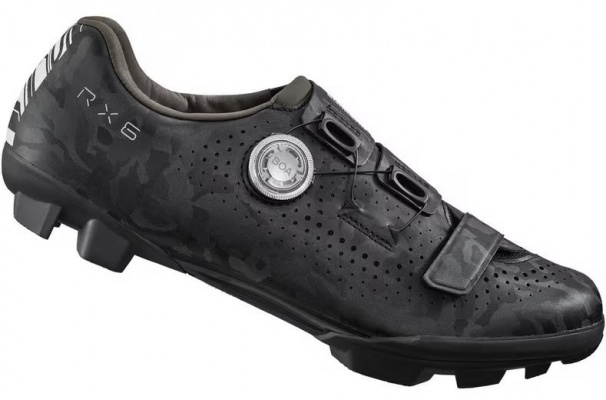
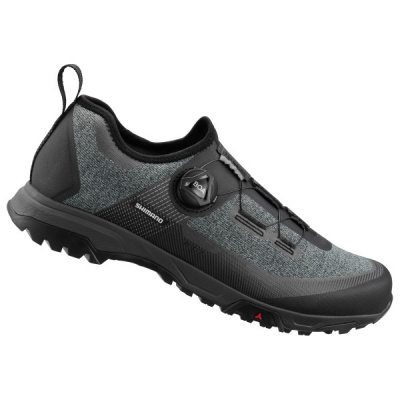
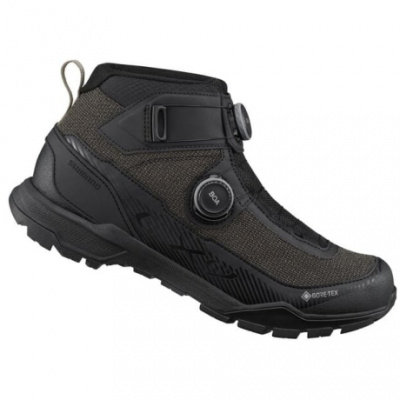
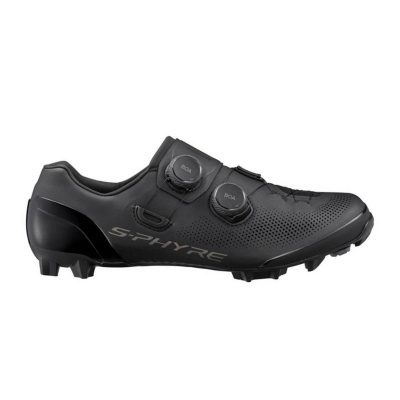
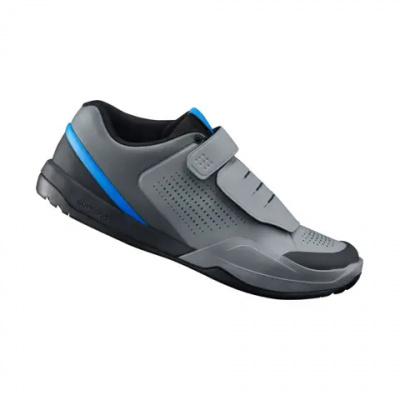
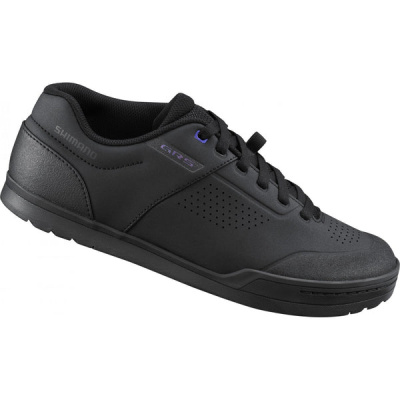
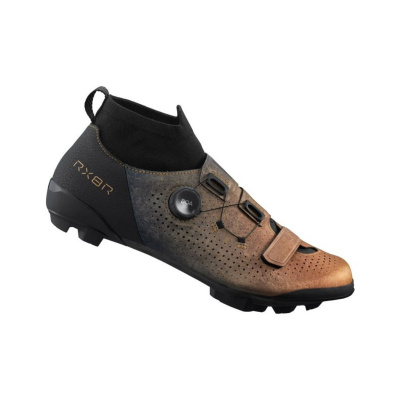
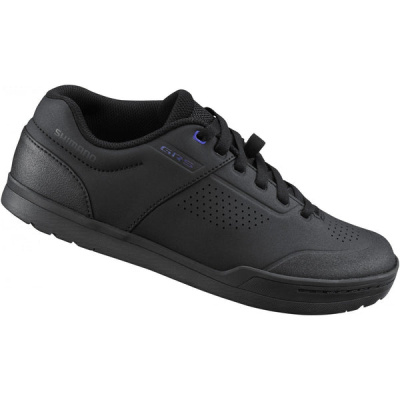
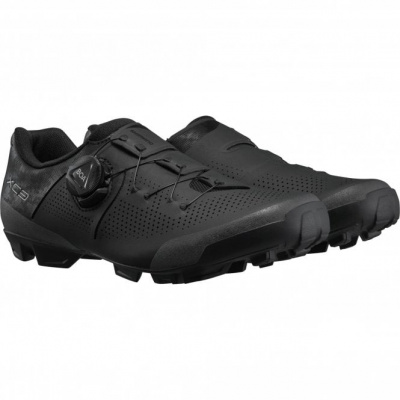
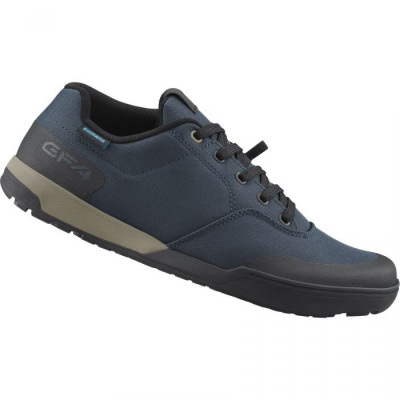
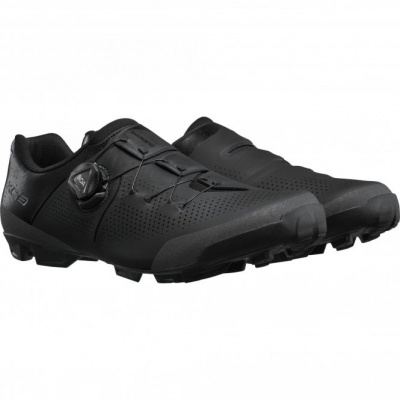
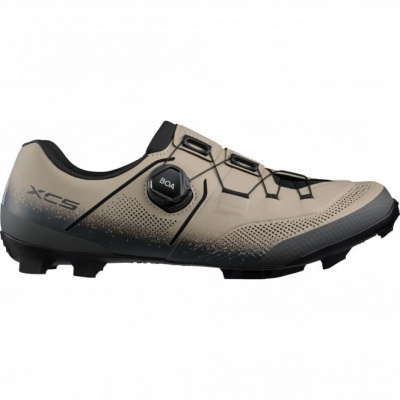
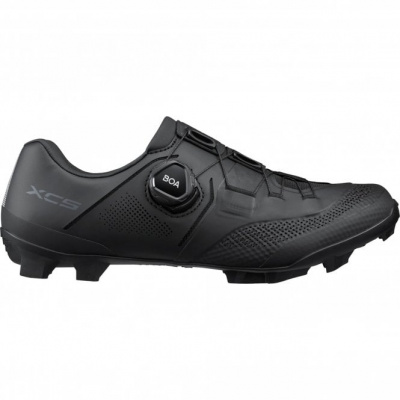
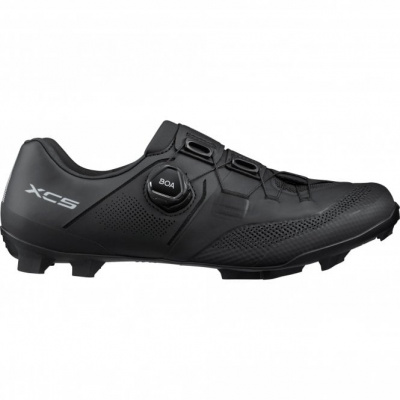
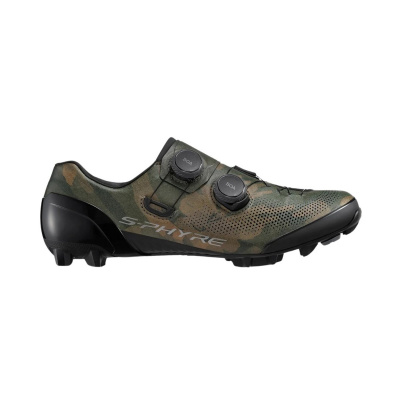
Prices and availability can change quickly. Delivery charges are not always included in listed prices.
Final price, stock status and delivery terms are set by retailer. We may receive a commission on purchases made.
Sole Tech and What the Stiffness Numbers Actually Mean
Shimano rates sole stiffness on an index running from around 1 (flexible, walkable) up to 12 (full carbon, race-only). That number matters more than most riders realise. A stiffness index of 2 or 3 means the sole flexes enough to walk comfortably between café stops or across loose scree - useful for bikepacking routes where you're covering real ground on foot. Crank it up to 10 or above and you're into carbon-reinforced midsole territory, where every watt goes directly into the pedal rather than disappearing into sole flex. For XC racing or fast gravel days, that rigidity is a genuine performance gain. For an all-day trail ride with multiple hike-a-bike sections, it becomes a chore.
The Ultread rubber lugs on Shimano's trail and enduro shoes are worth a specific mention. The compound is tuned for durability and wet-surface bite - the kind of grip you need stepping off the bike onto clay or wet slate, not just on dry hardpack. Tread pattern varies across the range: XC shoes run shallower, faster-shedding lugs suited to hard-packed XC courses, while ME and trail models go deeper and wider for the muddy, rooted riding that defines a Welsh winter or a Peak District gully. If you're heading out in conditions where a wrong foot placement costs you, the tread design is doing serious work.
How the Range Breaks Down
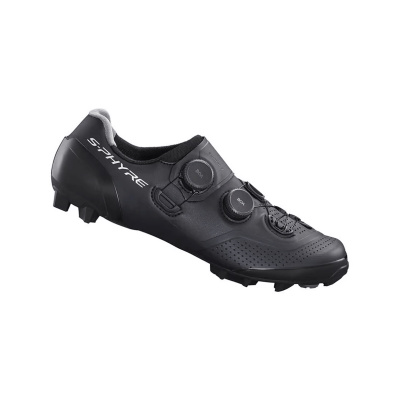
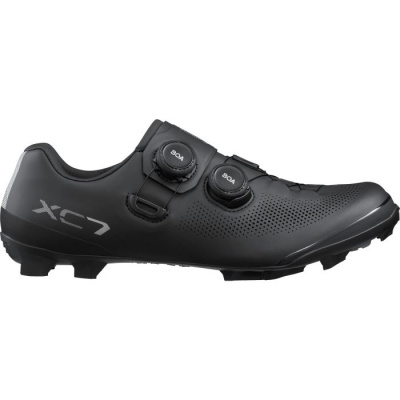
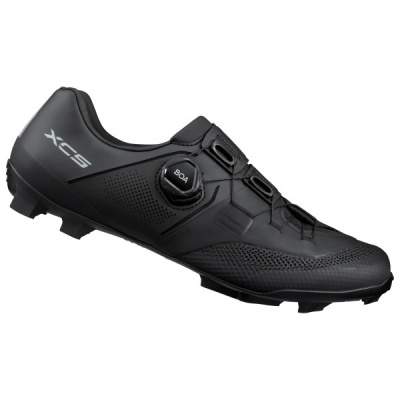
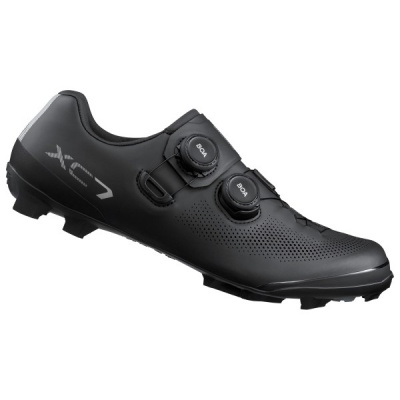
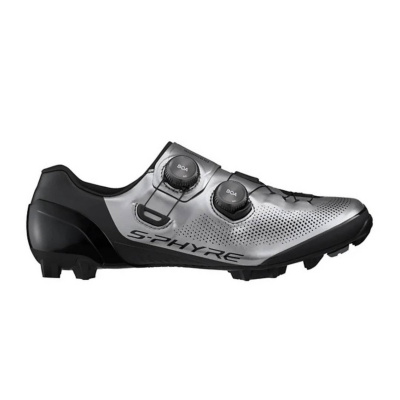
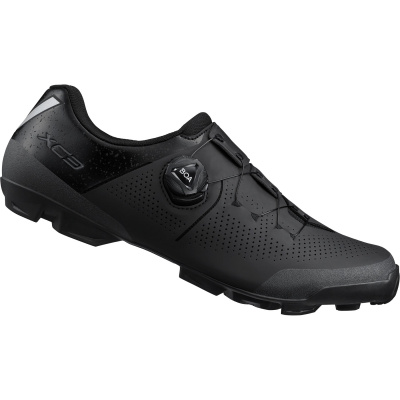
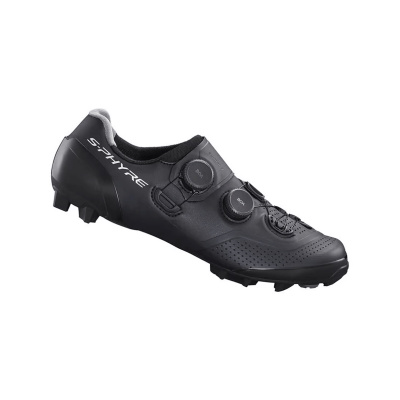
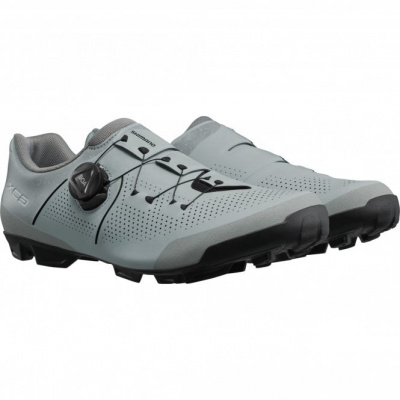
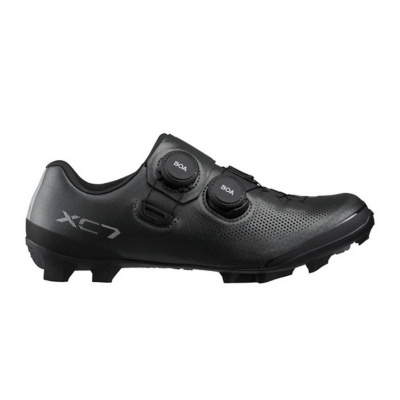
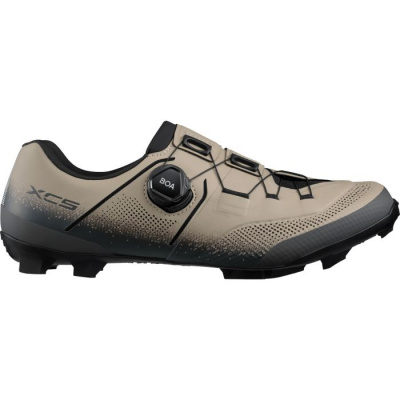
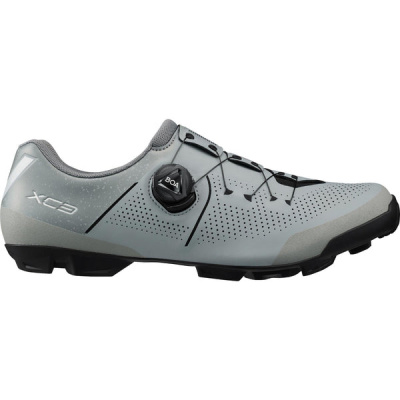
Shimano's off-road line splits into three clear families, and picking the wrong one is the most common mistake. XC shoes - models like the XC9 and XC7 - are built for speed. Ultra-stiff carbon or carbon-composite soles, lightweight uppers, minimal lug depth. They're Shimano SPD shoes in their most performance-focused form: optimised for power transfer and low weight, less concerned with what happens when you unclip. If your riding is mostly in the saddle with short technical sections, they make sense. If you're regularly putting a foot down on technical descents or scrambling up loose climbs, they'll frustrate you.
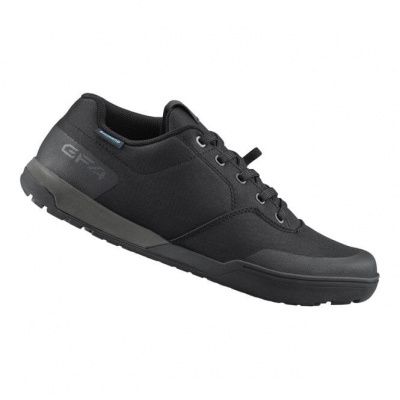
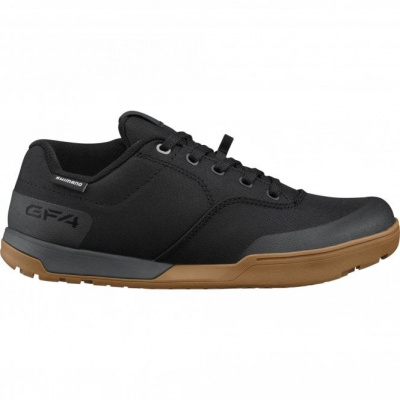
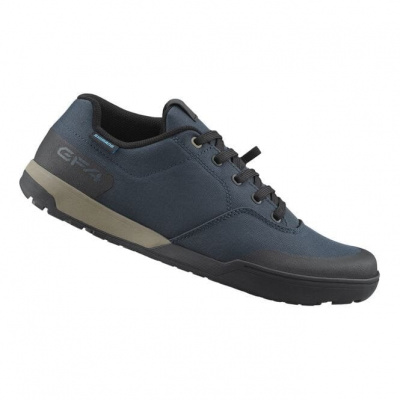
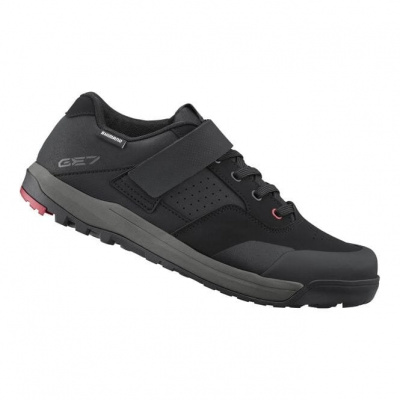
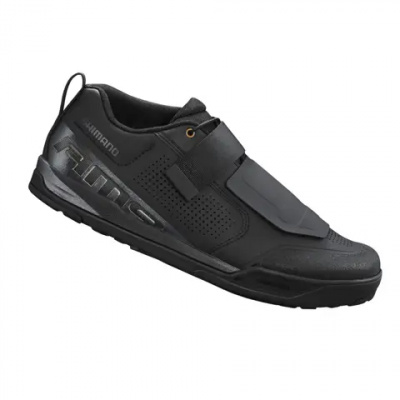
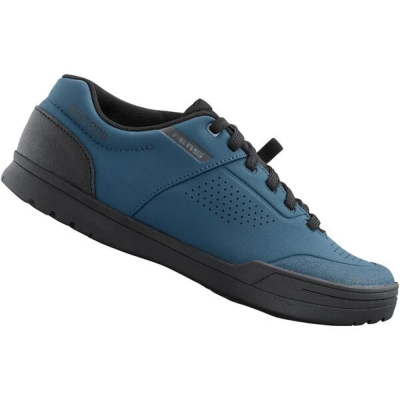
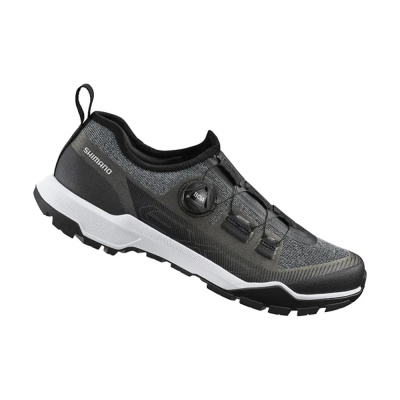
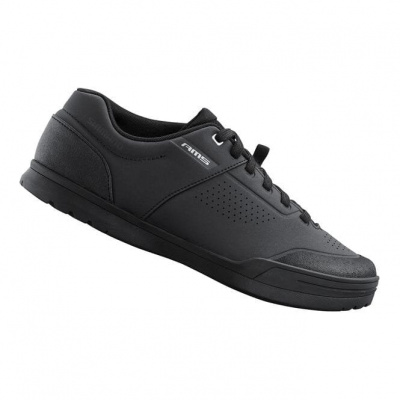
The ME and AM (Enduro/All-Mountain) shoes are a different proposition. More sole flex, deeper Ultread lugs, and reinforced toe boxes that cope with rock strikes and repeat abuse. The Shimano Dynalast geometry still drives efficient pedalling, but the shoe is designed around the reality that enduro and trail riding involves as much walking and scrambling as it does pedalling. These are the shoes for the Tweed Valley, the Quantocks in October, or anywhere the trail regularly sends you off the bike.
Then there's the Shimano RX gravel shoe line - and it genuinely occupies its own space. The RX6 and RX8 borrow road shoe stiffness and lean construction but pair it with a walkable outsole and 2-bolt SPD compatibility. The result is a shoe that handles long tarmac connectors without the dead-leg feeling of a pure MTB shoe, then grips reliably when the lane turns to gravel or grass. For mixed-surface riding, audax events, or commute-plus routes, the RX range is the more considered choice over a standard Shimano XC mountain bike shoe. It's worth comparing these against Giro's gravel shoe range and Fizik's off-road line if you want to see where Shimano sits in the wider market - both brands offer strong alternatives at comparable price points.
One fit point that often gets overlooked: Shimano's standard lasts run on the narrower side, shaped for a performance-oriented toe box. If your feet run wide or you're planning to wear thick merino or waterproof socks through a Scottish winter, look for the specific Wide fit variants. They're not an afterthought - Shimano builds them on a genuinely broader last, not just a stretched version of the standard shoe. Lake also specialises in wide and custom fit if Shimano's Wide options don't quite get there for you.
Wet Rides, Winter Miles, and UK-Specific Choices
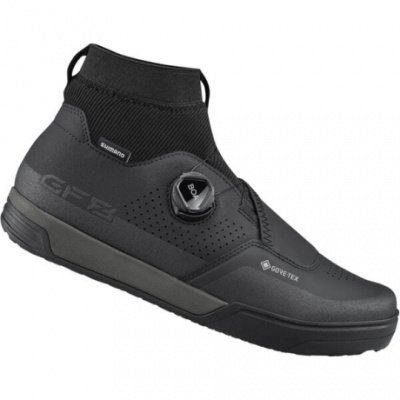
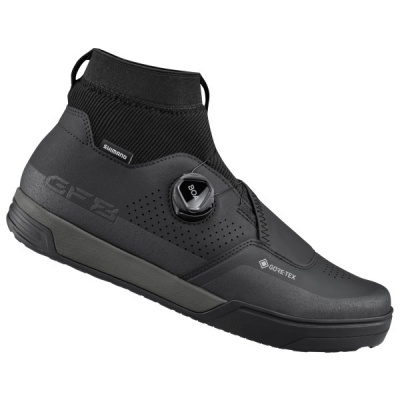
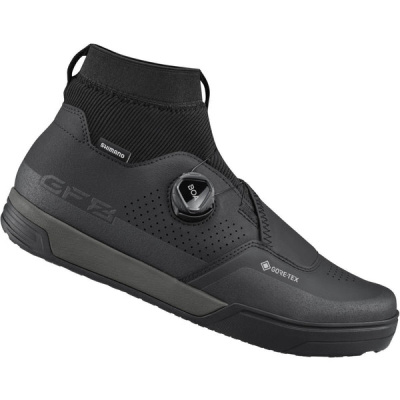
UK riding means planning for rain even when you didn't. Shimano's Gore-Tex (GTX) models - available across both the XC and trail lines - use a full waterproof liner that keeps feet dry through boggy moorland crossings and sustained downpours. On a long day out in the Lakes or across Dartmoor in November, that liner is the difference between a good ride and a miserable one. The trade-off is breathability: GTX shoes run warmer, so they suit autumn-to-spring riding better than midsummer use. Pair them with a wicking Shimano sock to manage moisture from the inside out.
For non-GTX models, synthetic leather uppers clean up easily and resist water reasonably well in light rain - a quick rinse and they're done. They won't keep you bone-dry in prolonged wet, but they breathe better in summer humidity. If you want to extend the life of a non-waterproof shoe into wetter weather without committing to a GTX model, overshoes are the practical answer. For cleat setup and weatherproofing accessories, visit the dedicated Shimano cleats page and Shimano overshoes page to complete your setup properly.
It's also worth thinking about what you wear below the knee. The right bib shorts with a longer leg can reduce the gap between kit and shoe on cold days - small detail, real difference when you're an hour from the van.
Shimano MTB & Gravel Shoes FAQs
Are Shimano MTB shoes true to size?
Generally yes - Shimano shoes size consistently, but the standard last is fairly performance-narrow through the toe box. If you've got broader feet or you're layering up with thick winter socks, go straight to a Wide fit variant rather than sizing up. Sizing up just gives you extra length, not the width you actually need.
What is the difference between Shimano XC and ME shoes?
XC shoes prioritise stiffness and low weight for maximum power transfer - they're built for riders who stay mostly clipped in. ME (Mountain Enduro) shoes trade some of that stiffness for more sole flex, deeper Ultread lugs, and better ankle protection. If your rides regularly involve hike-a-bike or technical descents where you're putting feet down, ME shoes handle that reality far more comfortably.
Can you use Shimano MTB shoes for gravel riding?
Any 2-bolt SPD-compatible Shimano MTB shoe will clip straight into gravel pedals without issue. That said, the RX gravel-specific line is worth considering if your routes mix tarmac with off-road: the stiffer, lower-profile sole is more efficient on road sections, while the walkable Ultread outsole still handles loose gravel and grass without drama.