
Sealskinz Gloves
Sealskinz gloves have become the go-to hand protection for UK riders who've grown tired of arriving at the café stop wringing out their fingers. Built around the brand's proprietary Aquasealz™ waterproof membrane, every glove in the range delivers genuinely 100% waterproof and windproof coverage - not shower-resistant, not "water-repellent" - while still breathing well enough to handle a hard tempo effort on a wet January morning without your hands turning into a sauna.
What makes them practical rather than just technically impressive is the Zero Liner Movement system. If you've ever pulled a wet glove off and had the lining come with it, you'll know exactly why that matters. The inner liner stays bonded to the outer shell, so dexterity stays intact and removal stays clean, even when you're hot and clammy after a long climb.
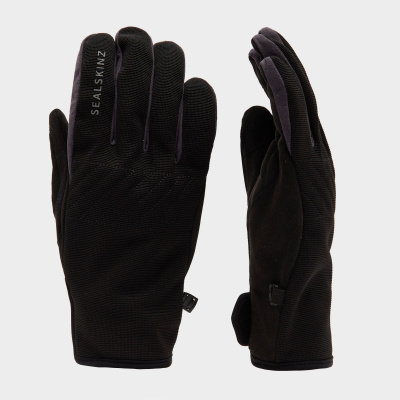
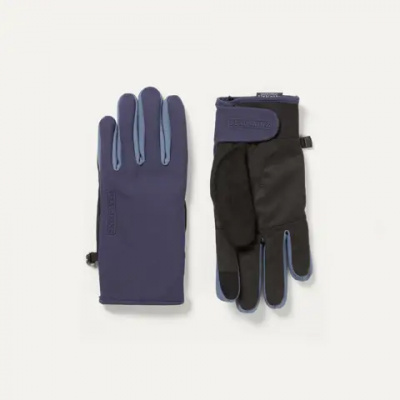
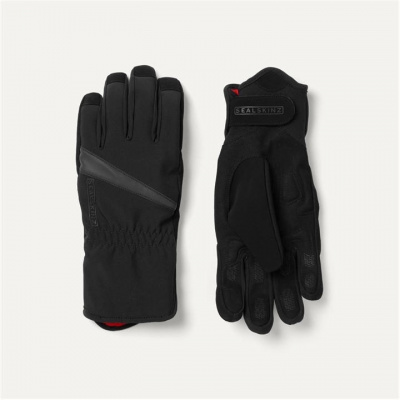
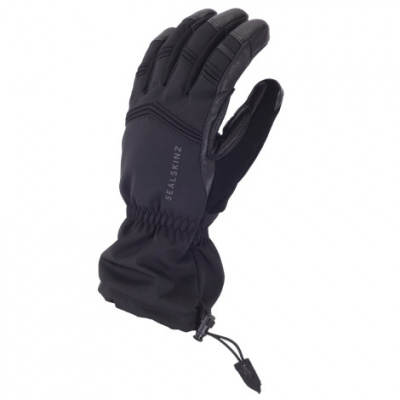
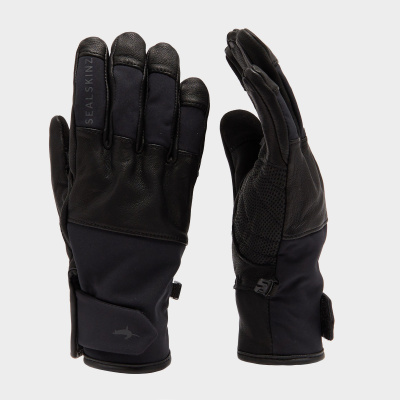
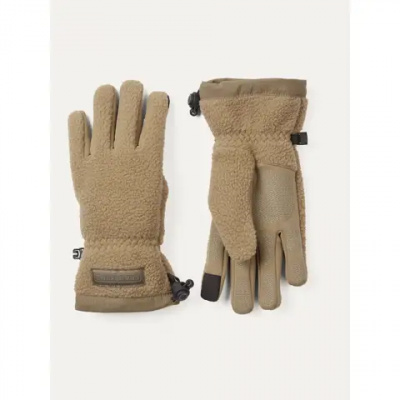
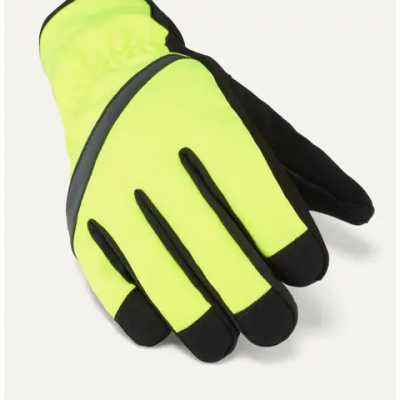
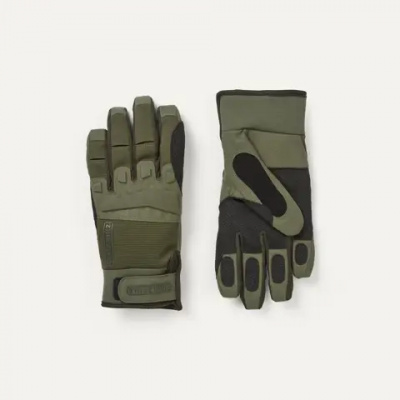
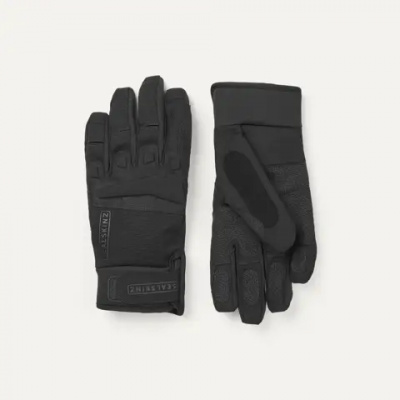
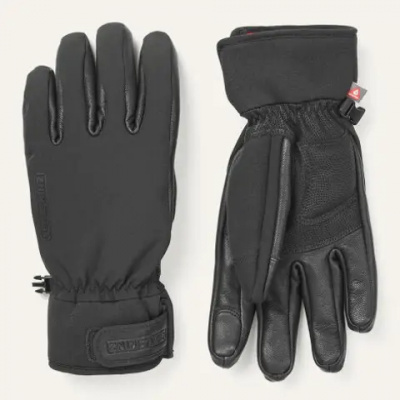
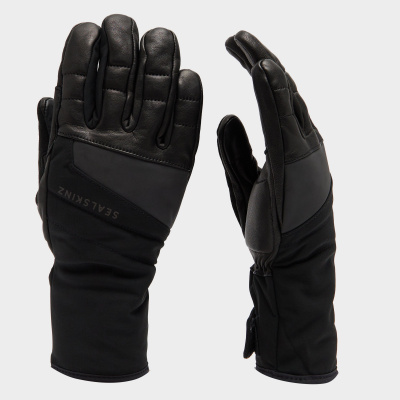
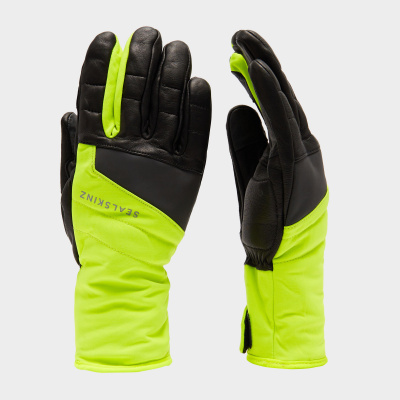
Add Merino wool insulation for natural warmth-to-weight efficiency and goat leather palms that hold onto wet bar tape without feeling like you're gripping through a rubber mat, and you've got gloves that cover a lot of UK riding ground. The range spans versatile mid-weight options, heavily insulated cold-weather designs, and even heated variants for deep-winter commutes. There's a Sealskinz glove for most conditions short of full summer.
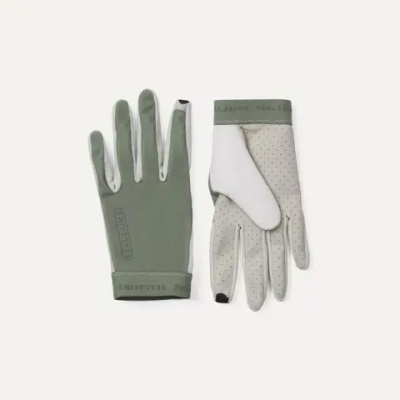
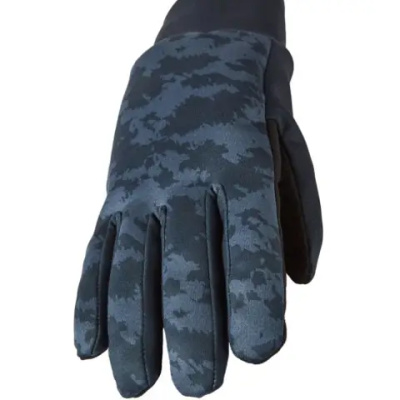
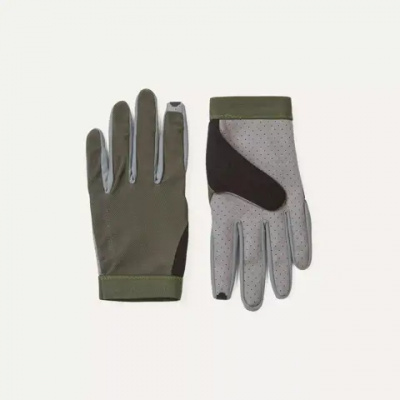
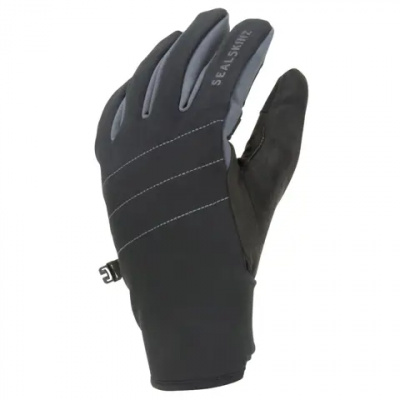
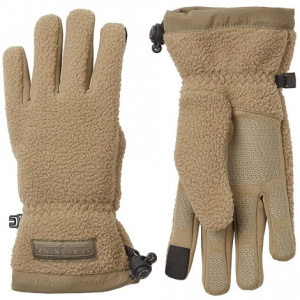
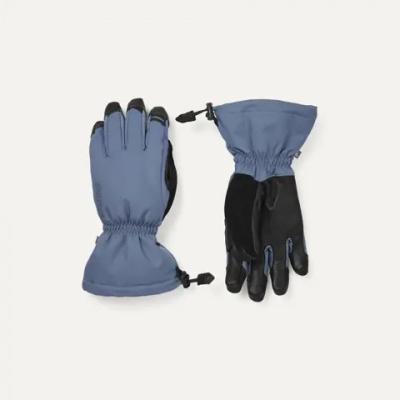
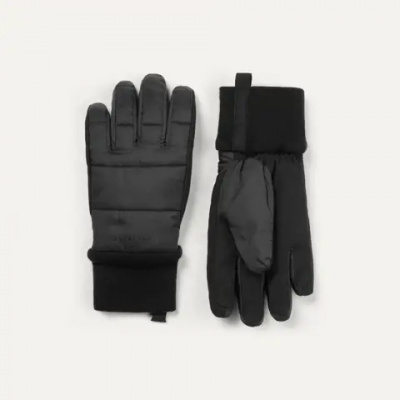
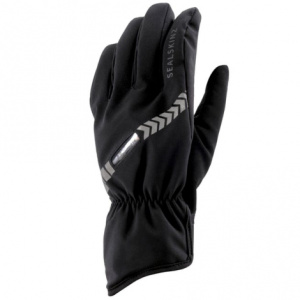
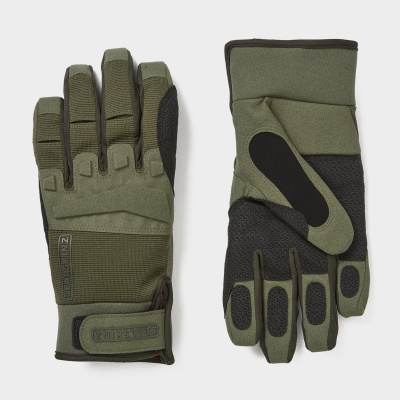
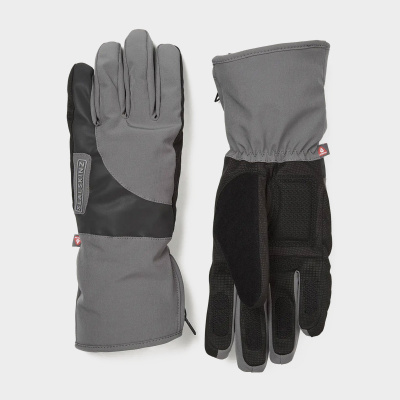
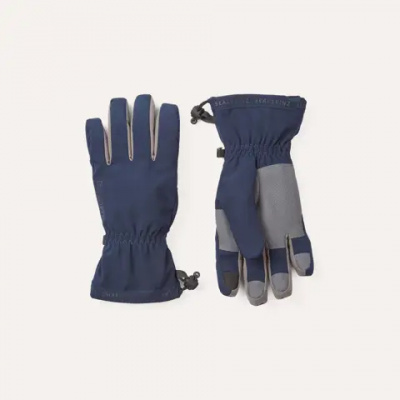
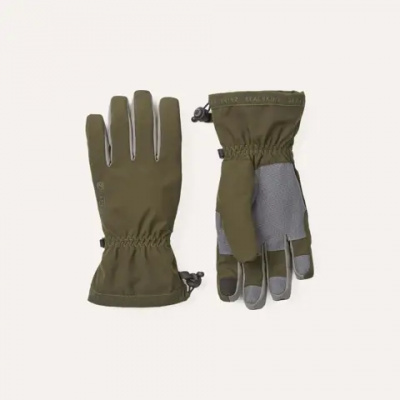
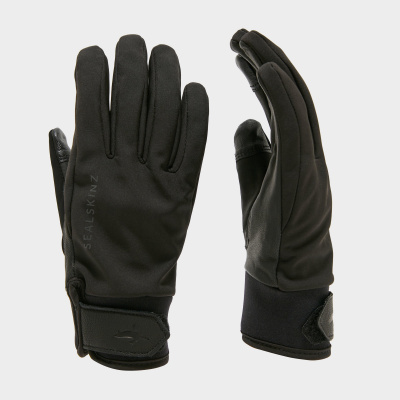
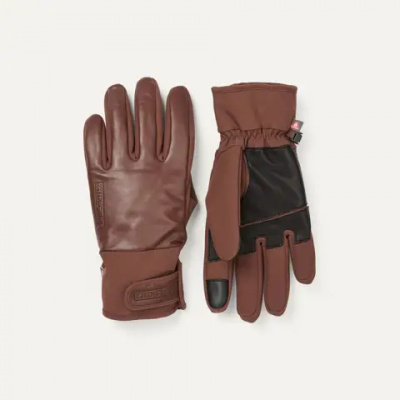
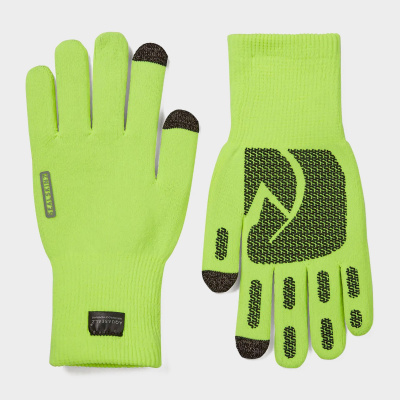
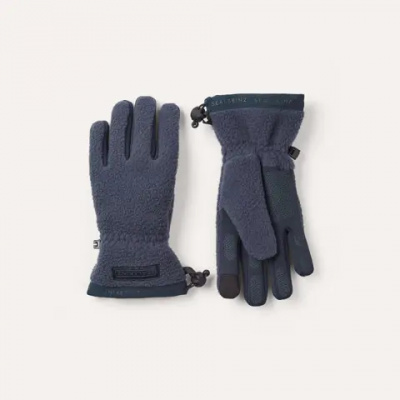
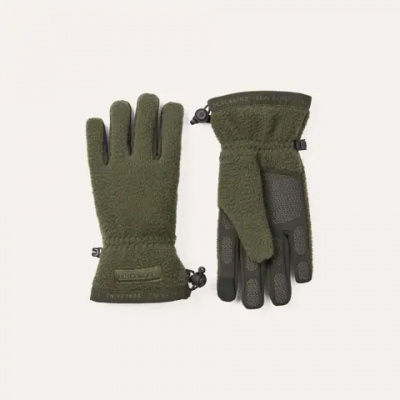
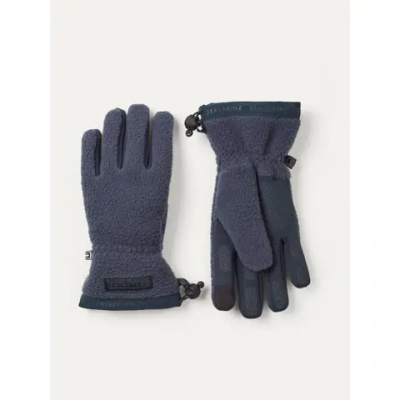
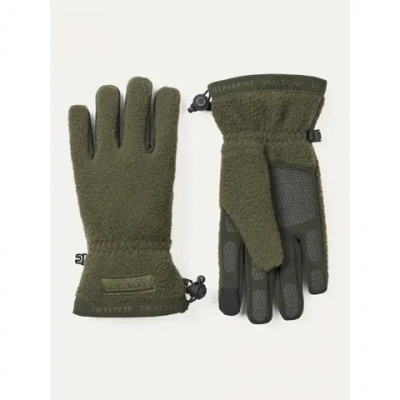
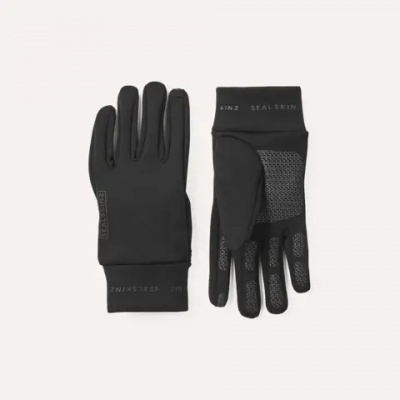
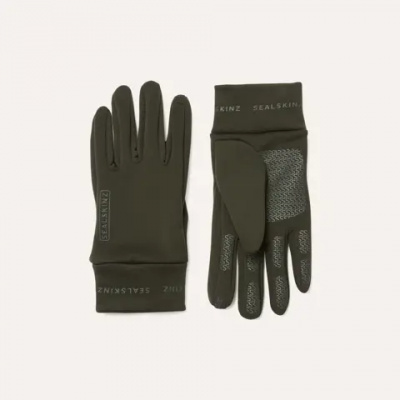
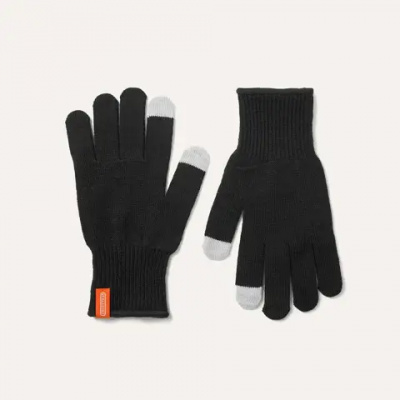
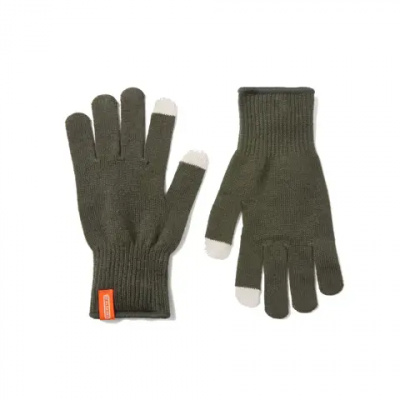
Prices and availability can change quickly. Delivery charges are not always included in listed prices.
Final price, stock status and delivery terms are set by retailer. We may receive a commission on purchases made.
How the Aquasealz™ Membrane Actually Works
At the core of every Sealskinz waterproof cycling glove is a three-layer laminate construction. The outer face fabric handles abrasion and carries a DWR coating to shed standing water before it ever reaches the membrane. The Aquasealz™ membrane itself sits in the middle - a thin, fully sealed layer that blocks liquid water molecules while allowing the smaller water vapour molecules from sweat to pass through outward. Inside that sits a Merino wool liner, which manages moisture against your skin, buffers temperature swings, and resists the kind of stale smell that synthetic liners tend to develop after a few winter rides.
The practical upshot is that breathability here isn't a marketing qualifier - it's the difference between a comfortable 90-minute ride and clammy, uncomfortable hands by the halfway point. That said, no membrane glove breathes like an open-cuff summer glove. On sustained high-output efforts, some warmth build-up is normal. The Merino liner helps manage that, but it's worth knowing the trade-off going in.
Zero Liner Movement technology is one of those features you don't appreciate until you've ridden without it. The liner is physically bonded to the outer shell so it can't migrate or bunch. Sweat makes glove removal slippery; without this fix, the liner pulls away from the shell and you're left doing that undignified finger-wrestling routine at the top of a climb. Sealskinz designed this out of the equation entirely.
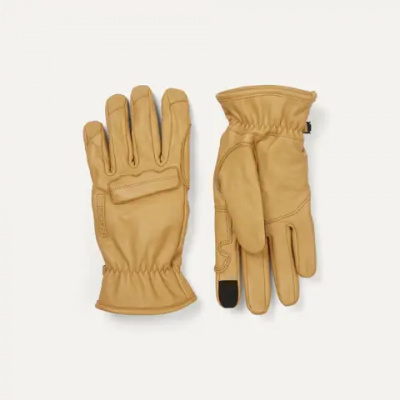
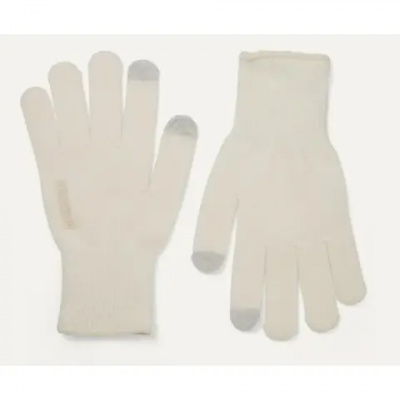
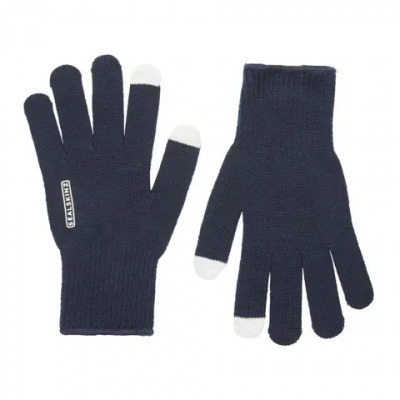
The goat leather palm is a considered choice over synthetic alternatives. Leather softens and conforms with use, maintaining tactile feel on the bars even when soaked, where cheaper synthetic palms can turn slick. Touchscreen-compatible fingertips feature across most models, so you're not stripping a glove off every time you need to tap a GPS screen on a wet moorland descent.
Picking Your Sealskinz: Range and Fit Explained
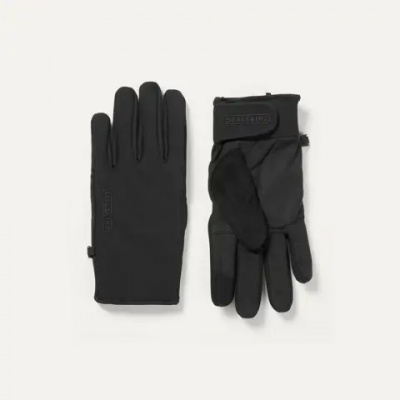
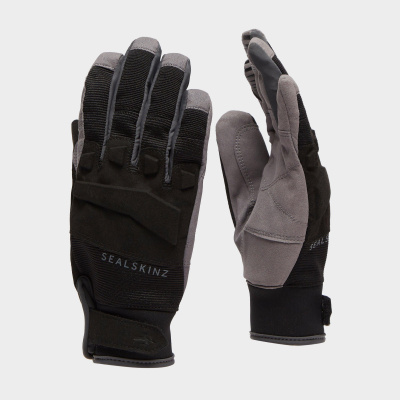
Sealskinz structures the range around temperature rating and use case, which makes choosing simpler than it looks. The All Weather line is the everyday workhorse - mid-weight, versatile, suited to the bulk of UK autumn and spring riding where temperatures sit roughly between four and twelve degrees. These are the gloves you reach for when the forecast is ambiguous and you just want to get out.
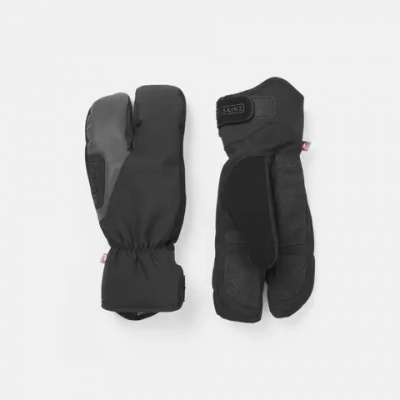
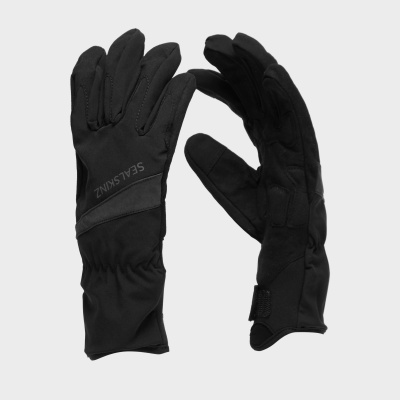
Step colder and the Extreme Cold options bring heavier insulation and, in some models, a lobster-claw finger layout that groups the middle two fingers together. That design sacrifices a little individual finger dexterity but traps significantly more warmth - useful for long days on exposed ridgelines in the Peak District or Scottish winter commutes where the wind chill does most of the damage.
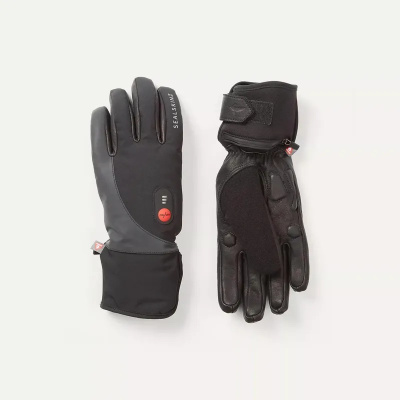
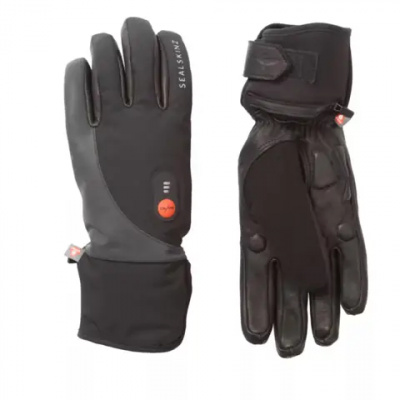
The Sealskinz Heated range adds integrated heating elements powered by a small rechargeable unit. These are niche but genuinely useful for riders whose circulation makes standard insulation insufficient - Raynaud's sufferers in particular find them transformative. They're heavier and more expensive, and you need to manage battery life, but for sub-zero commutes they offer something no passive insulation can replicate.
On fit: Sealskinz gloves run fairly true to size, but if you're between sizes, go up. A glove that fits snugly at the fingertips with just a thin air gap around each finger is what you're after - that pocket of trapped air is part of the thermal system, not just comfort padding. A glove that's too tight compresses circulation, which is the fastest way to cold fingers regardless of how much insulation is in the shell. If you're comparing to something like Gore Bike Wear gloves, note that Gore tends to cut slightly slimmer through the hand; Sealskinz fit a broader range of hand shapes without feeling baggy. GripGrab gloves skew toward a more performance-oriented, close-cut fit, while Sealskinz prioritise weather protection first and leave a little more room for insulation loft.
Layering, Compatibility, and Keeping the Membrane Alive
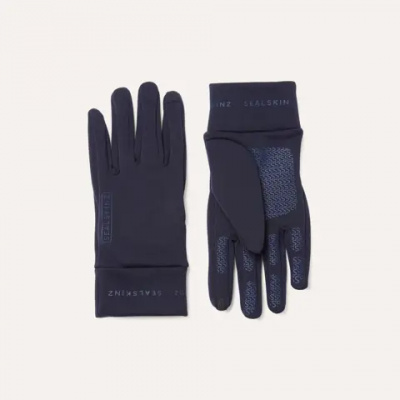
In genuinely brutal conditions - think Brecon Beacons in February, or a wet north-facing descent in the Lakes - a thin merino or synthetic liner glove under your Sealskinz adds meaningful warmth without the bulk you'd expect. The outer glove's cut accommodates a thin liner on most models without feeling restrictive. It's a flexible system that lets you adapt a single pair of gloves across a wider temperature range.
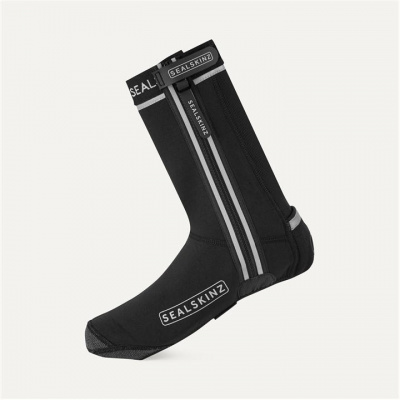
For complete wet-weather protection on long rides, pairing your gloves with Sealskinz socks makes a genuine difference - dry feet and dry hands together change what conditions feel tolerable. It's worth considering both if you're kitting out for a serious winter training block.
If you're also looking at Dexshell gloves as an alternative, they use a similar membrane-based approach and offer strong value, though Sealskinz's Zero Liner Movement construction and goat leather palm give them a practical edge for regular cycling-specific use.
Care is where most riders inadvertently shorten the life of their waterproof gloves. The DWR coating and Aquasealz™ membrane are durable, but they don't tolerate neglect. Wash at 30°C using a non-biological detergent - no fabric softener, ever, as it clogs the membrane's pores and destroys breathability permanently. Drip dry naturally, away from heat. Never put them on a radiator or tumble dry them, even on a low setting. Direct heat degrades the membrane laminate faster than any amount of riding will. Following these steps properly, a well-used pair should hold their waterproof technology across multiple seasons.
Touchscreen compatibility across the range means gloves stay on when you're fiddling with navigation, which keeps dexterity loss to a minimum on those instinctive mid-ride screen taps. It's a small thing that makes a real difference over the course of a long autumn ride.
Sealskinz Gloves FAQs
Are Sealskinz gloves actually waterproof?
Yes, genuinely. Sealskinz gloves use a three-layer construction with the Aquasealz™ membrane at the core, which makes them 100% waterproof and windproof. They're not just DWR-treated - the membrane fully seals out water while still allowing sweat vapour to escape, keeping your hands dry from both inside and out.
How do you wash Sealskinz waterproof gloves?
Wash at 30°C with a non-biological detergent and drip dry naturally. Don't use fabric softener - it blocks the membrane's breathable pores permanently. Equally important: never dry them on a radiator or in a tumble dryer. Direct heat degrades the Aquasealz™ laminate and will kill the waterproofing faster than any amount of hard use.
How should Sealskinz cycling gloves fit?
Snug through the hand, with just enough room at the fingertips to trap a thin layer of warm air. If you're between sizes, size up - a glove that's too tight compresses circulation and you'll have cold fingers regardless of the thermal rating. Sealskinz run fairly true to size, but erring larger is the safer call for winter riding.