
Scott Saddles
Scott saddles, sold under the Syncros component banner, are built around one idea that most saddle brands still sidestep: your pelvis doesn't sit the same way on a road bike as it does on a trail bike, so why would one saddle shape work for both? Scott's answer is a proper two-geometry system - V-Concept for aggressive, rotationally forward pelvic positions and Regular Concept for more upright endurance postures - and it makes a genuine difference when you match the saddle to how you actually ride.
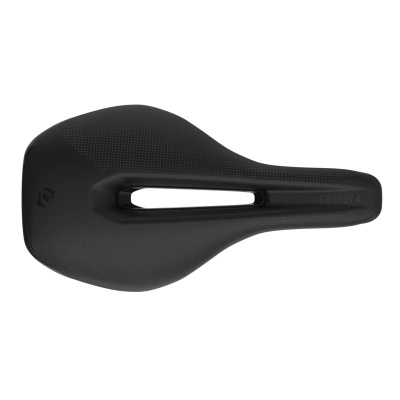
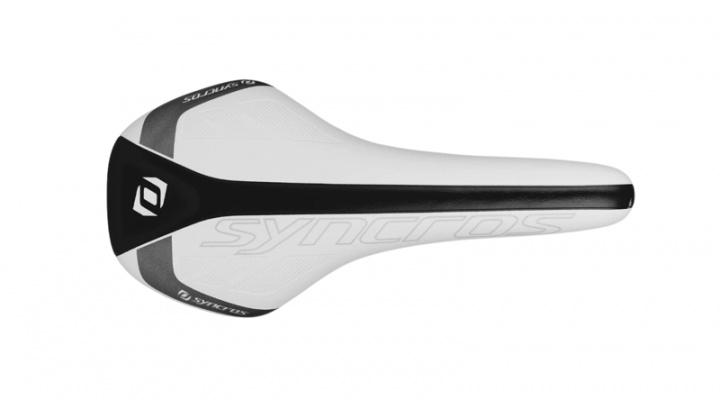
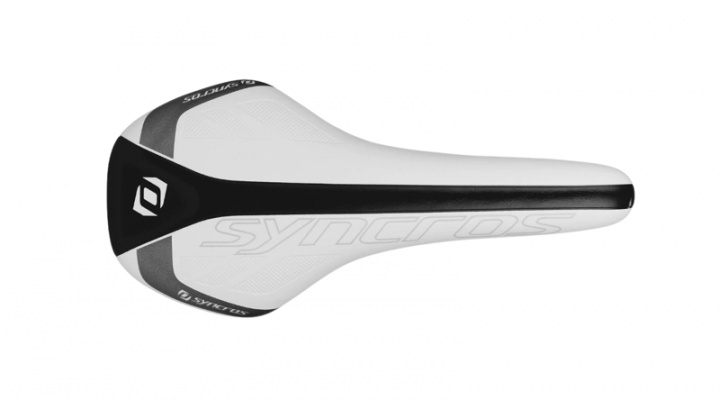
The range splits across three model families. The Belcarra targets road and XC riders holding a stretched, aero-influenced position. The Tofino suits endurance road and trail riders who sit a little more upright. The Savona covers women's-specific geometry. Each family then runs across three build tiers - carbon rails, titanium rails, and chromoly - so you're choosing weight and compliance alongside shape. Every model also carries Syncros Direct Mount inserts, which let you clip compatible Syncros saddle bags directly to the saddle without a separate seat-pack strap choking the rails.
For UK riders, the PU covers hold up well to repeated mud and rain exposure, and the pressure relief channel running centrally through most models does real work on long days in the saddle. Browse the Syncros Belcarra, Tofino, and Savona below.
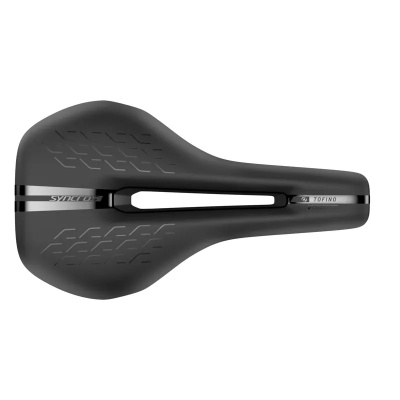
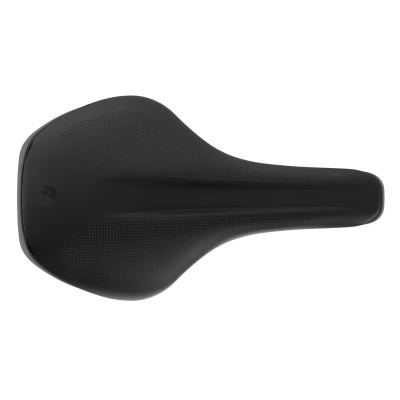
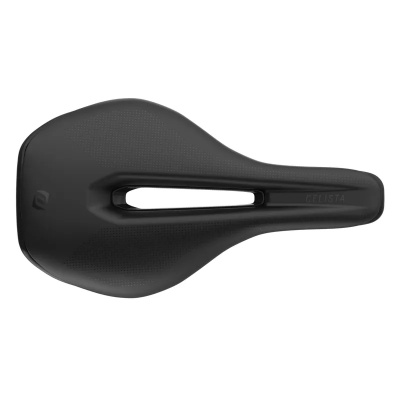
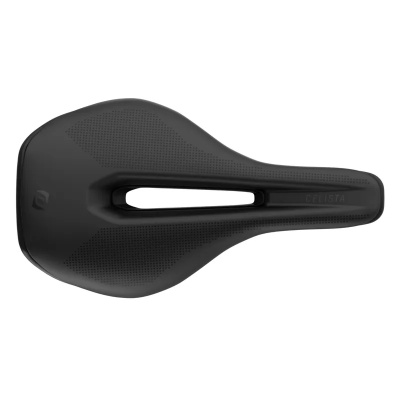
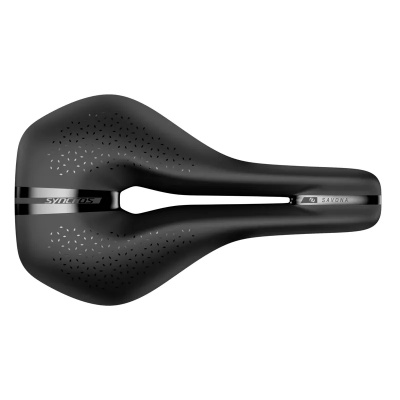
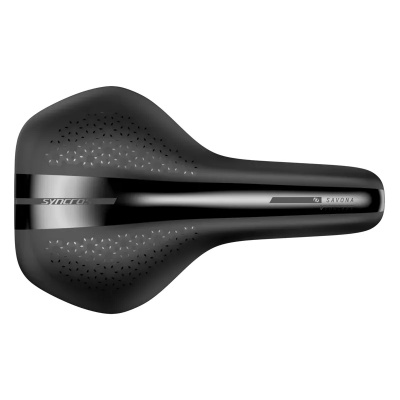
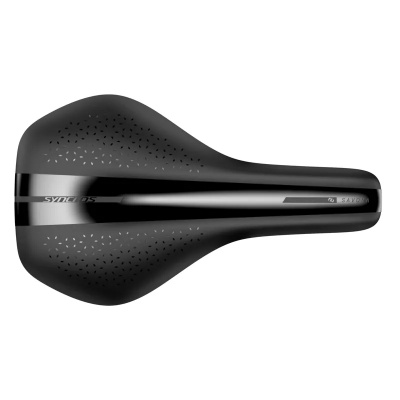
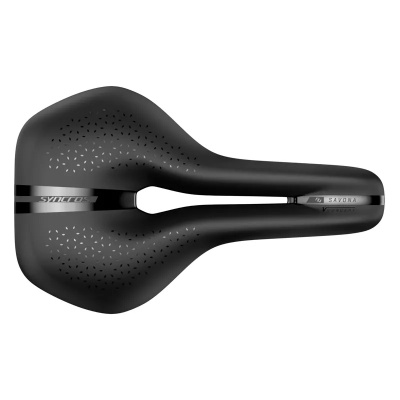
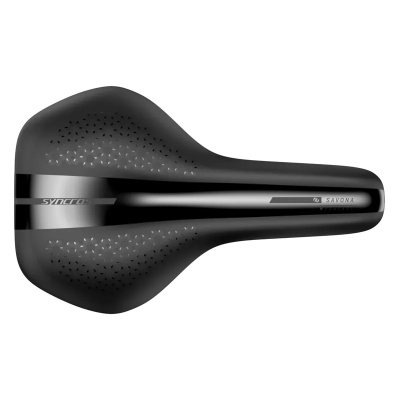
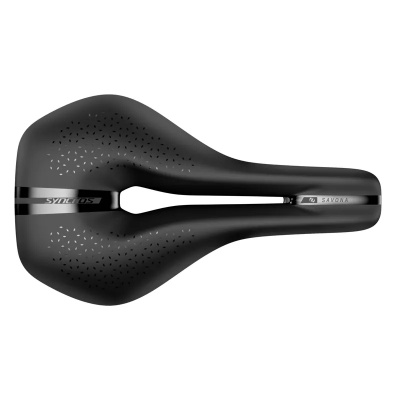
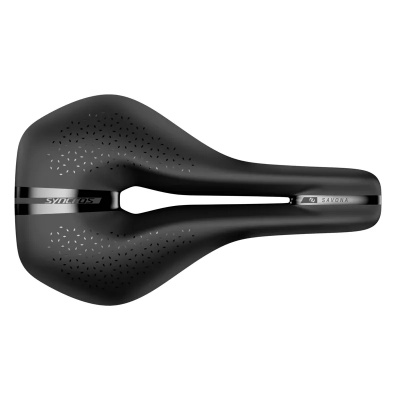
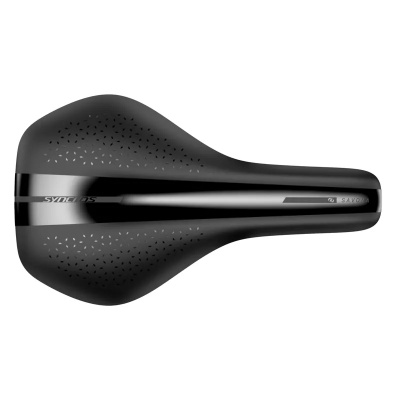
Prices and availability can change quickly. Delivery charges are not always included in listed prices.
Final price, stock status and delivery terms are set by retailer. We may receive a commission on purchases made.
Rail Standards and What Fits Your Seatpost
Get this wrong and you'll either creak your way through every ride or, worse, crush a carbon rail during installation. Scott's tier 1.0 saddles use 7x9mm oval carbon rails - that's wider and taller than a standard round rail, and they need a seatpost clamp specifically designed for oversized oval profiles. Most top-end Scott seatposts accommodate them natively via interchangeable clamp ears, but bolt a 7x9mm rail into a standard round-rail clamp and you're applying point-load stress to a material that really doesn't forgive it. Check your seatpost spec before you buy a 1.0.
Drop to the 1.5 tier and the rails switch to titanium - 7x7mm round, standard diameter, fits virtually any quality seatpost clamp you already own. Titanium flex adds a small but noticeable degree of compliance over a long day on rough road, which makes the 1.5 a sensible middle ground if you want a Syncros saddle without the compatibility homework. The 2.0 tier uses chromoly steel rails, again at the standard 7x7mm round diameter - heavier, but durable in a way that suits riders who don't baby their kit.
Across all tiers, the Direct Mount System is worth flagging. Syncros machines threaded inserts directly into the saddle shell so you can attach compatible Scott saddle bags without a strap squashing the rails or introducing flex. Neat, and genuinely useful on longer gravel days where a seat pack is non-negotiable.
Decoding the Syncros Model and Tier System
Three families, three tiers. That's twelve-odd SKUs before you factor in sit bone widths, and it can feel like a spreadsheet exercise if nobody explains the logic. Here's how it actually breaks down.
The Syncros Belcarra runs on V-Concept geometry, which means the shell is shaped for a pelvis that's rotated forward - think aggressive road position, XC race posture, or any time your hips are tilting forward enough that a flat saddle nose digs into soft tissue. The pressure relief channel runs centrally and matters most here, because the more forward your rotation, the more load shifts onto that central zone. If you're running a compact stack on your road bike or your XC hardtail and stretching out, the Belcarra is the starting point.
The Syncros Tofino uses Regular Concept geometry for a more upright pelvic position - endurance road, gravel, trail riding where your back angle is relaxed and your sit bones are carrying more of the load. Wider at the rear, shorter in effective nose length, and generally more forgiving on longer days. If you find most race saddles leave you numb after two hours, the Tofino is worth looking at before you write off the brand entirely.
The Syncros Savona is women's-specific, adapting the Regular Concept geometry with a wider relief channel and shell dimensions that account for generally wider sit bone spacing. Worth measuring your sit bone width properly - most decent bike shops will do it free - before defaulting to any saddle in the range, but it's particularly relevant here.
On the tier numbering: 1.0 means a carbon base and carbon saddle rails for the lightest possible build. Maximum stiffness, minimum weight, and the oval rail spec that requires seatpost compatibility homework as above. 1.5 brings in titanium rails on what's often still a carbon-reinforced base - a little heavier but noticeably more compliant over distance, and far less installation stress. 2.0 uses chromoly rails and a more conventional base construction; it's the workhorse tier, priced for riders who want the Syncros geometry without the premium outlay.
Pairing any of these with quality Scott bib shorts that match your riding discipline will do more for overall comfort than obsessing over saddle padding thickness alone - the chamois and saddle work as a system, and a mismatch between the two is a common source of pressure problems that get wrongly blamed on the saddle itself.
If you want to compare Syncros against the broader market, Fizik saddles run a similarly structured fit system and sit in direct competition at the 1.0 and 1.5 equivalents, while Ergon saddles take a different approach with a more anatomically generous rear platform, particularly suited to trail and gravel riders who want visible sit bone support. The Scott Belcarra vs Tofino decision is broadly analogous to choosing between a Fizik Antares and a Tempo - position first, then shape.
Keeping Your Syncros Saddle in Good Shape Through a UK Winter
British riding conditions are hard on saddles in specific ways that don't get enough airtime. The PU covers on Syncros saddles are non-absorbent and wipe down easily after a muddy Peak District gravel loop or a wet trail centre session - that's genuinely good news. What you shouldn't do is point a pressure washer directly under the saddle shell. Water forced into the padding at high pressure can compromise the foam bonding over time, and it'll also work into any rail clamp interface and flush out any lubrication. A wet rag and a rinse with low-pressure water is all it needs.
Saddle creak is almost always a rail clamp issue in UK conditions, not the saddle itself. Winter road grit works into the clamp interface, micro-abrades the rail surface, and introduces movement. The fix is straightforward: drop the saddle, clean the rails and clamp faces thoroughly, and reassemble with fresh grease on steel or titanium rails. For carbon rails, use carbon assembly paste rather than grease - it adds grip without the need for excessive clamp torque, and that matters because the correct torque for a 1.0 carbon rail saddle is typically 5 - 7Nm. Go beyond that and you risk crushing the rail at the clamp point, which is an expensive and unambiguous failure. Use a torque wrench. It takes thirty seconds and removes all the guesswork.
If you're running a dropper post with a carbon-railed saddle, double-check that the dropper's clamp is rated for oval rails - some older designs aren't, and the consequences of getting that wrong mid-descent are not worth contemplating. And if you ride through winter regularly, a quick re-torque check every six to eight weeks is sensible; thermal cycling loosens clamps gradually in a way that's easy to miss until the creak starts.
Scott Saddles FAQs
How do I choose the right Scott Syncros saddle?
Start with your riding position. If you're stretched forward in an aggressive posture - road racing, XC, aero gravel - the V-Concept geometry of the Belcarra suits your pelvic rotation. If you sit more upright for endurance road or trail riding, the Tofino's Regular Concept shape carries your sit bones more effectively. Then measure your sit bone width and match to the available shell widths within whichever model suits your position.
Are Scott carbon saddle rails compatible with all seatposts?
No. The 1.0-tier Syncros saddles use 7x9mm oval carbon rails rather than the standard 7x7mm round profile. You need a seatpost clamp specifically designed for oversized oval rails - either a dedicated oval-rail post or one with interchangeable clamp ears. Fitting them into a standard round-rail clamp risks crushing the carbon at the clamping point. Check your seatpost spec before purchasing.
What is the difference between Syncros 1.0, 1.5, and 2.0 saddles?
The numbers denote rail and base material. 1.0 uses carbon rails and a carbon-reinforced base - lightest and stiffest, but requires oval-rail-compatible clamping and careful torque. 1.5 uses titanium rails for a measurable compliance improvement over distance, with standard 7x7mm round rails that fit most seatposts. 2.0 uses chromoly steel rails - heavier, robust, and the most accessible price point in the range.