
Scott MTB & Gravel Shoes
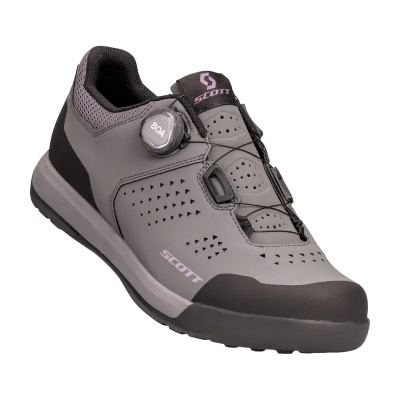
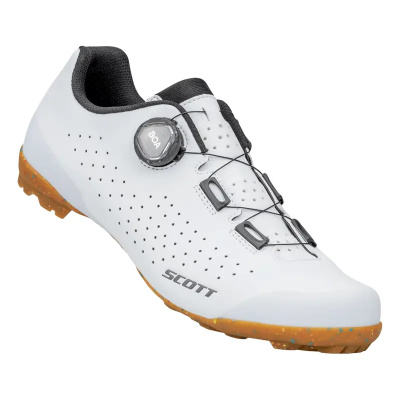
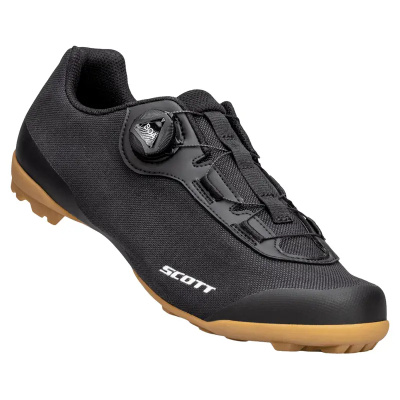
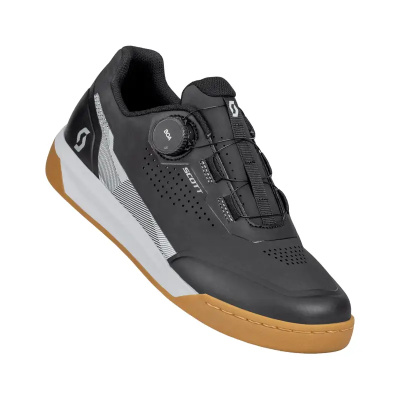
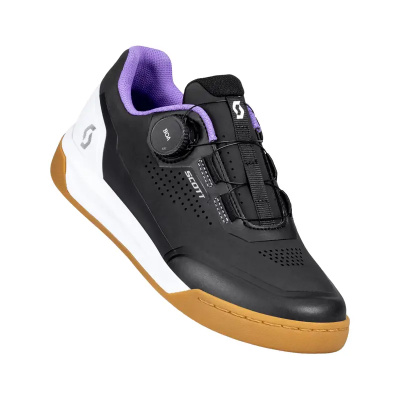
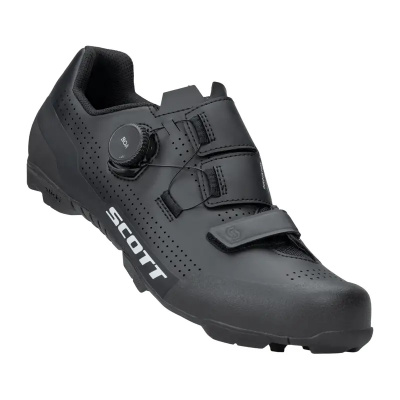
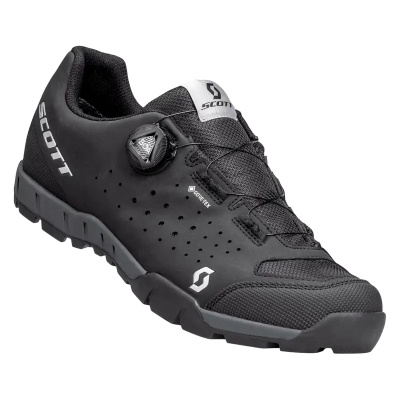
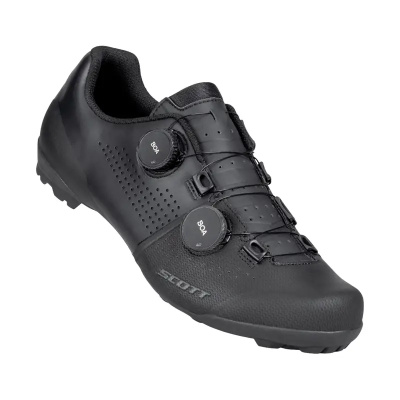
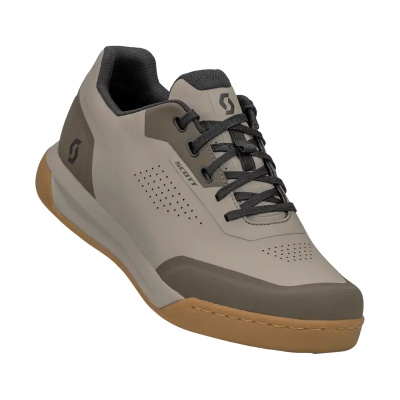
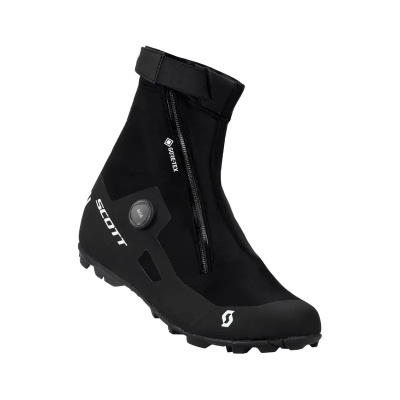
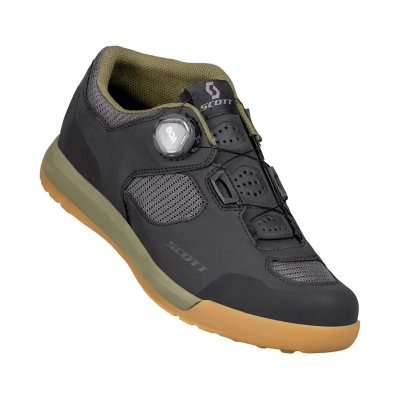
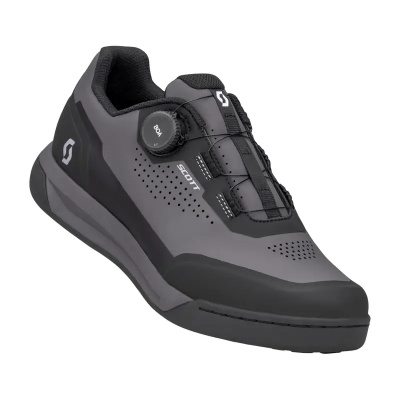
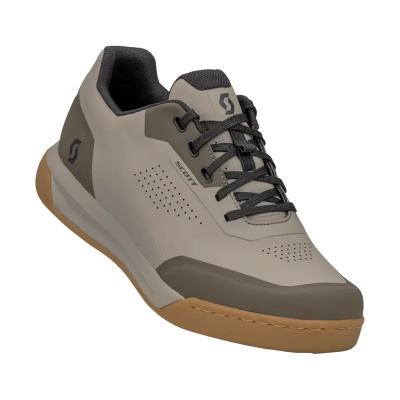
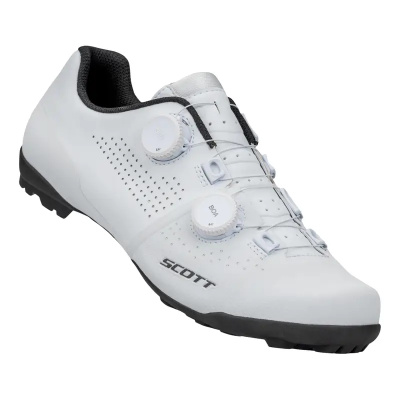
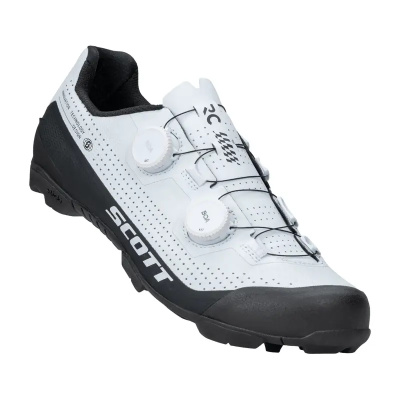
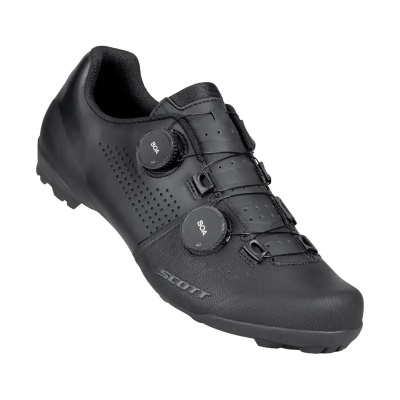
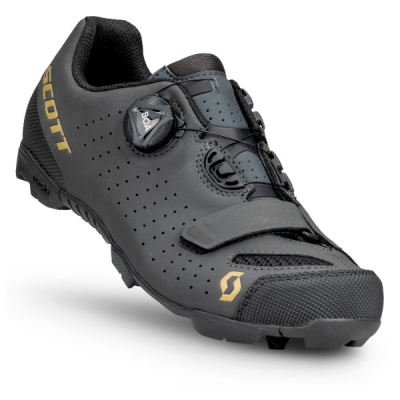
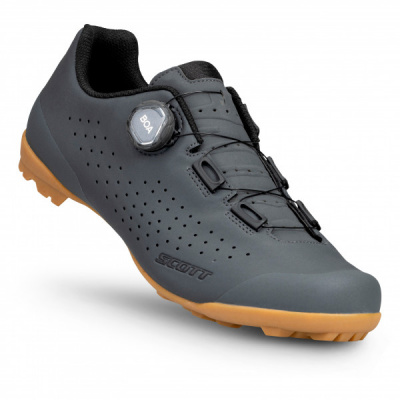
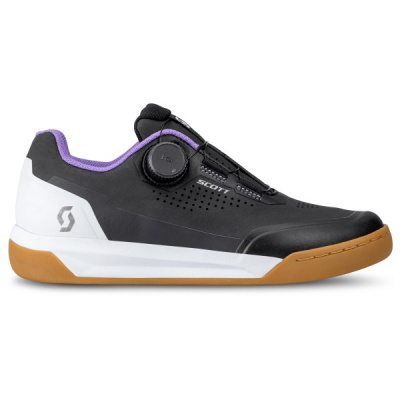
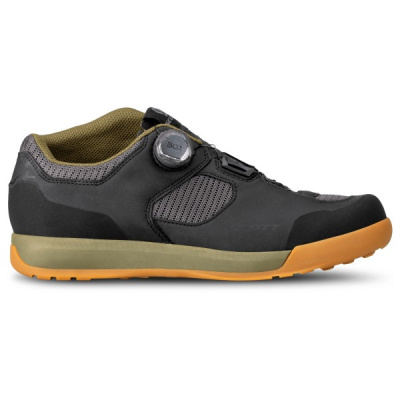
Scott MTB and gravel shoes sit at the sharper end of off-road footwear - engineered with the same focus that's carried Scott athletes to World Cup XC podiums, and built to handle everything from greasy Welsh trail centre roots to a long gravel slog across the Pennines. The range spans ultra-stiff carbon-soled race shoes through to relaxed, high-volume options for riders who spend as much time pushing their bike up a fell as pedalling it down. Whatever your discipline, the core tech stays consistent: proprietary Sticki Rubber outsoles that actually grip wet rock and slippery boardwalk, the micro-adjustable BOA Fit System for a locked-in feel without fumbling with buckles in the cold, and the ErgoLogic insole system to dial in arch and metatarsal support before you leave the car park. Scott clipless MTB shoes cover SPD-compatible two-bolt cleat patterns across the range, while the flat pedal options bring the same outsole grip without committing to cleats. If you're weighing up Scott against Five Ten MTB shoes or Giro MTB shoes, you're in the right place - we've pulled the range together so you can compare what matters.
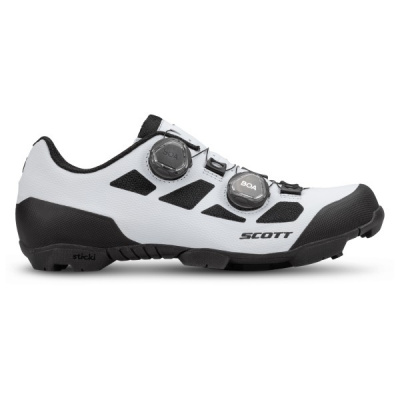
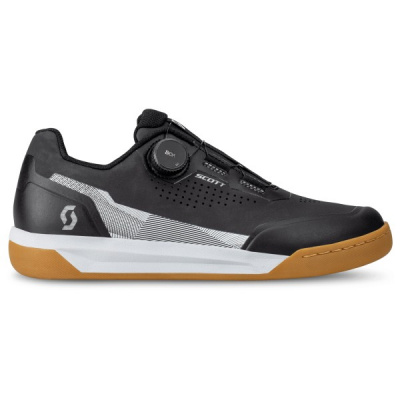
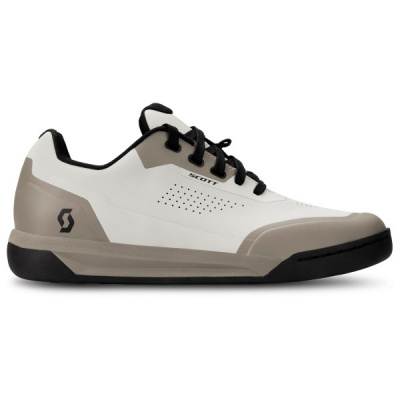
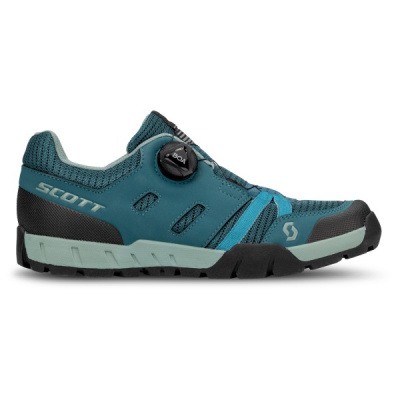
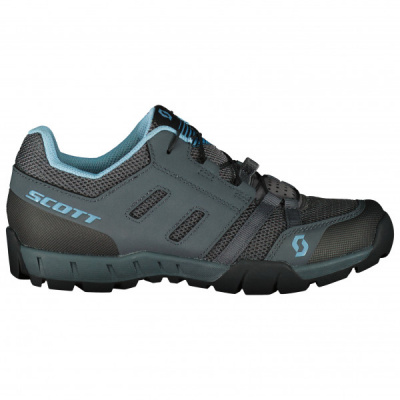
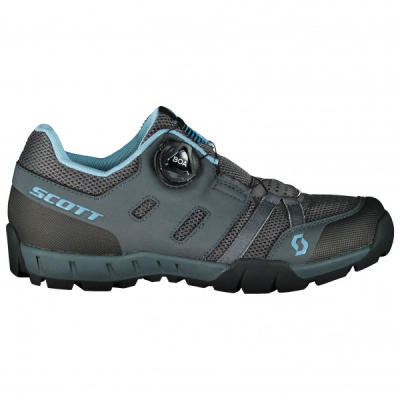
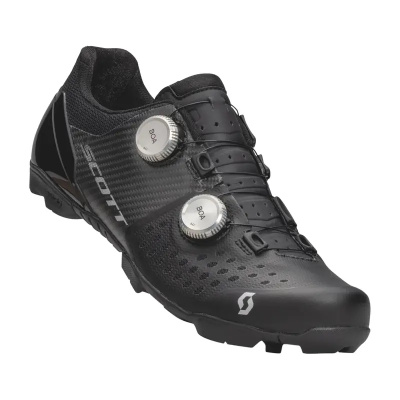
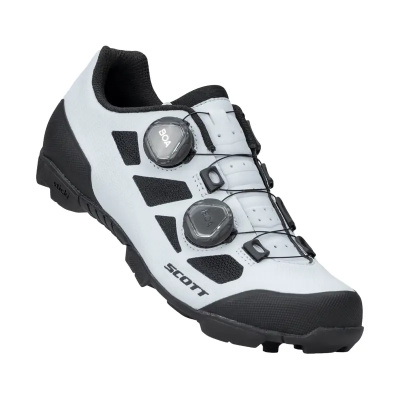
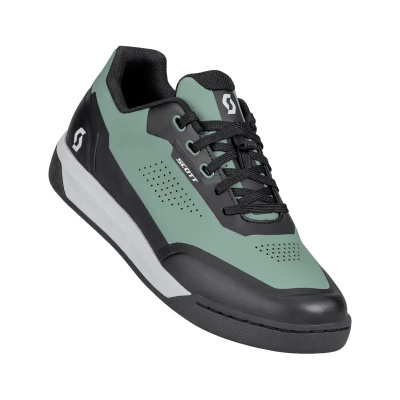
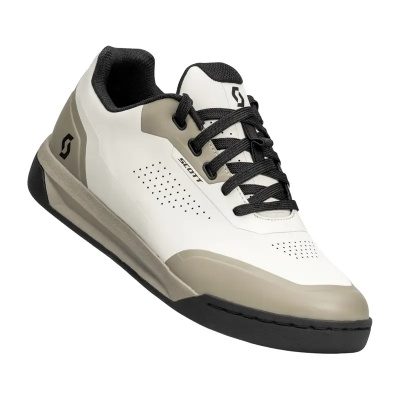
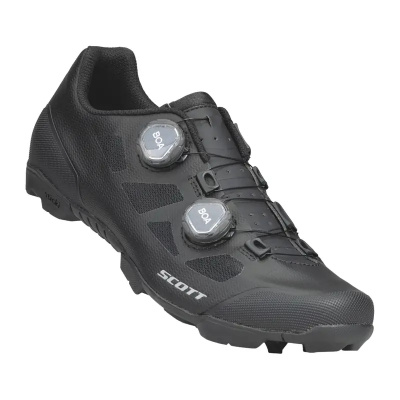
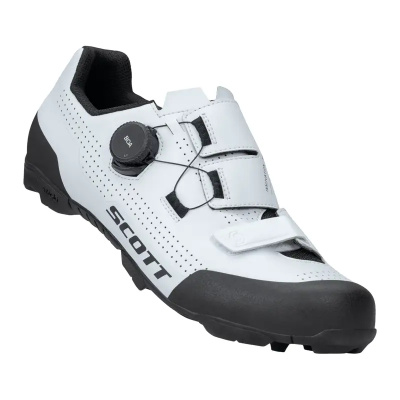
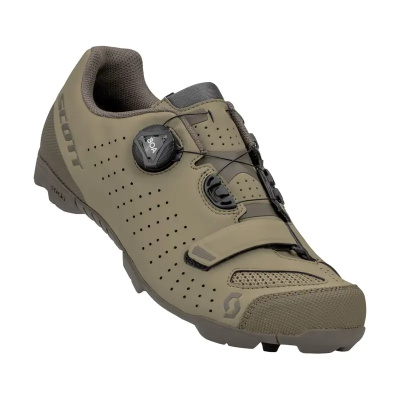
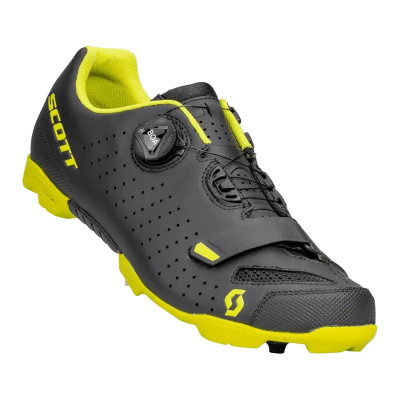
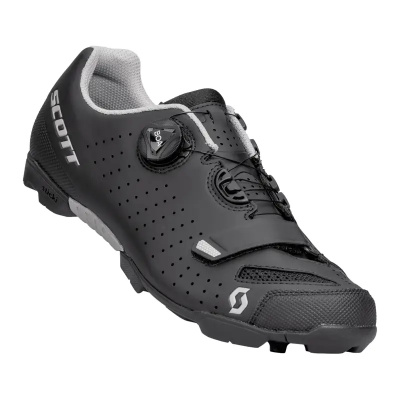
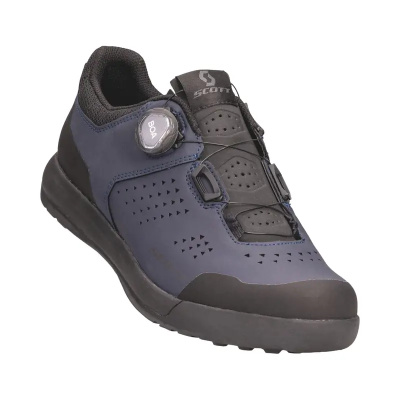
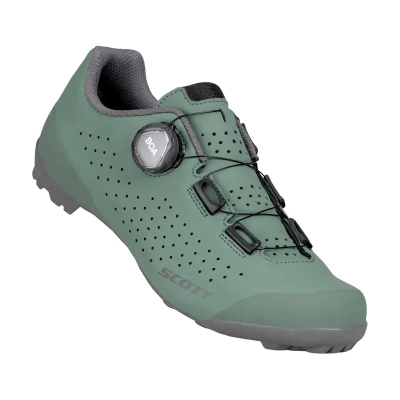
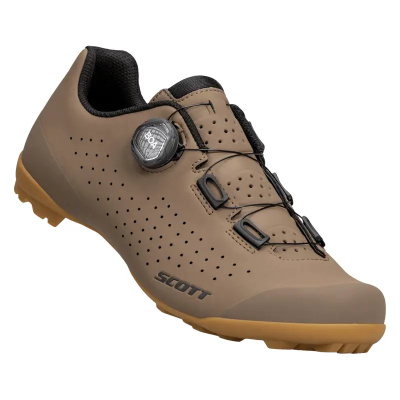
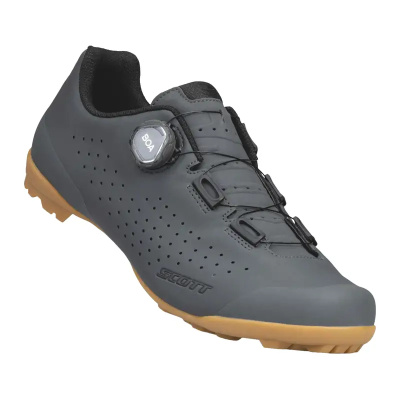
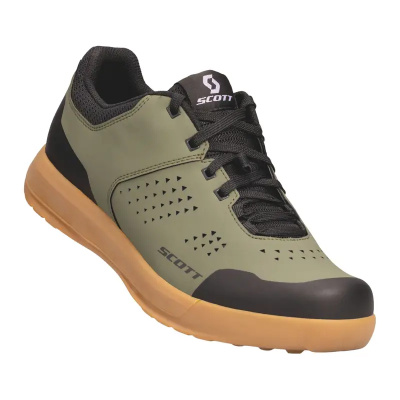
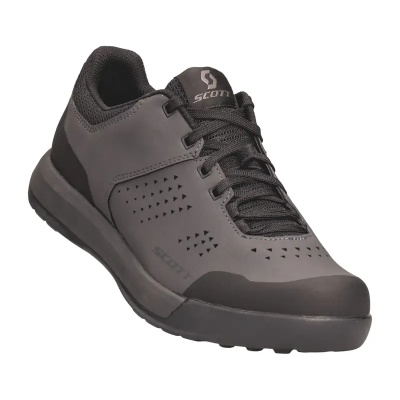
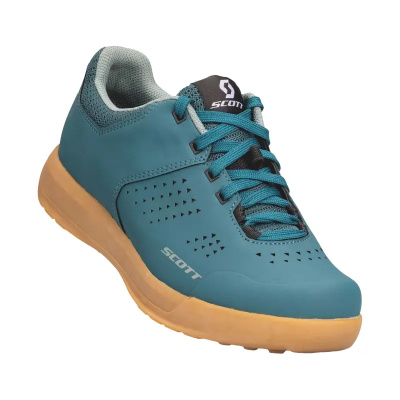
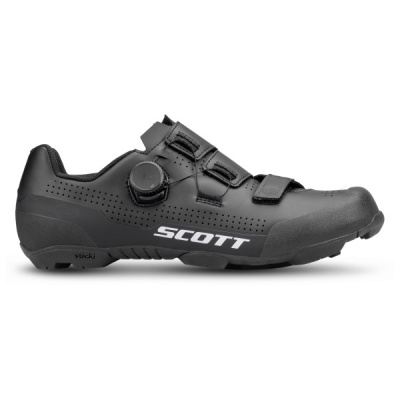
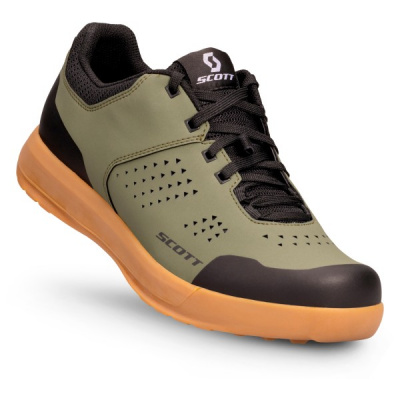
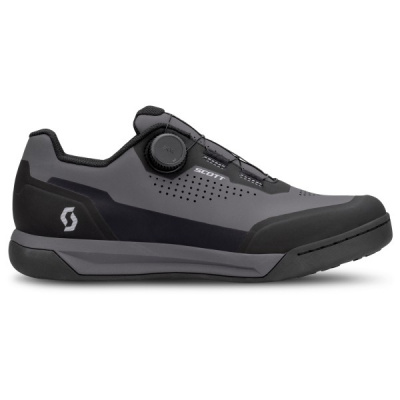
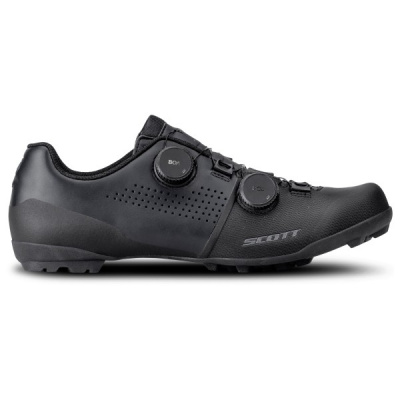
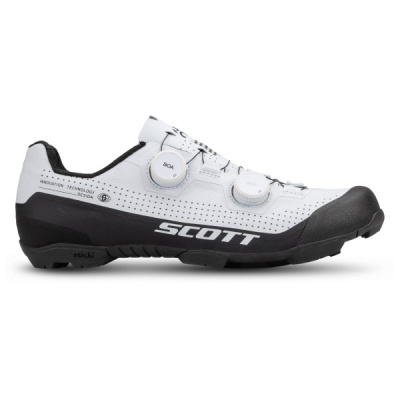
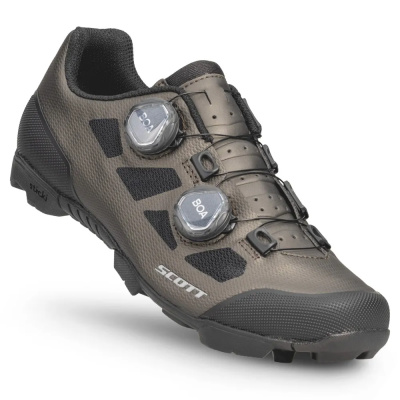
Prices and availability can change quickly. Delivery charges are not always included in listed prices.
Final price, stock status and delivery terms are set by retailer. We may receive a commission on purchases made.
Outsole Tech and What It Means on UK Trails
The number that tells you most about a Scott shoe before you even look at the upper is the stiffness index. Scott rates their off-road soles on a scale from 6 to 10 - a 6 means a flexible sole that bends enough to walk comfortably over technical ground, while a 10 is a full carbon race platform where every watt goes straight into the pedal and walking any distance feels like wearing a ski boot. Trail and enduro-leaning models sit around 6 - 7, which is the range worth considering if your rides regularly include hike-a-bike sections or you're covering mixed surfaces on a gravel bike. The XC RC race shoes push up to 9 or 10, with Carbon HMX and HMF outsoles used on premium RC models - noticeably stiffer and lighter, but you'd feel it on a long push over rocky ground.
What makes Scott off-road cycling shoes particularly relevant for UK conditions is the outsole compound. Sticki Rubber is Scott's proprietary grip material - wider-spaced lugs and a tackier compound than you'd find on a road-biased sole - and it's genuinely useful when you're dabbing a foot on a wet root or picking your way across a rocky Dartmoor bridleway. The lug pattern is open enough to shed thick mud rather than pack it in, which matters in winter. Anyone who's ridden a muddy cyclocross course or a Peak District trail in November knows that clogged lugs on a stiff sole turn into a slip hazard the moment you unclip. Scott's design avoids that particular problem. The Northwave MTB shoes range takes a similar approach, but Scott's Sticki Rubber compound tends to stay tackier on wet surfaces specifically.
Fit, Range and Finding Your Model
Scott splits their off-road range into a few clear camps. The RC (Racing Concept) line is built around a snug, performance-oriented last - narrower through the midfoot, lower volume, designed for riders who want precision and aren't planning to wear thick socks. If you're running SPD cleats on a cross-country bike and want a shoe that disappears on your foot, this is where to look. The Sport and Bould lines take a wider, more relaxed approach - higher volume, more forgiving through the toe box, and better suited to all-day gravel riding or anyone whose feet spread a little after a few hours in the saddle.
The ErgoLogic insole system runs across much of the range and is worth paying attention to. It's an adjustable arch and metatarsal support system - you can swap or adjust the insole components to match your foot shape rather than relying on a generic flat insert. For longer rides, getting that support right makes a real difference to hotspots and fatigue. The BOA L6 and IP-1 Fit Systems used across the range give you micro-adjustable tension at the dial - useful when your feet swell mid-ride, and much easier to manage with cold or gloved hands than traditional lace or buckle closures. The IP-1 dial used on some models sits flush with the upper, reducing the chance of it catching on a rock or a crank arm in tight spots. If you're after pure tarmac performance rather than off-road capability, Scott's road shoe range is worth a look separately - the geometry, sole stiffness profiles, and cleat compatibility are calibrated quite differently to what's covered here. Fizik MTB shoes are another option worth comparing if you're between brands on fit.
The synthetic polyurethane uppers used across mid-range and premium Scott shoes are more durable than mesh-heavy alternatives when it comes to abrasion - useful if you're regularly brushing through bracken or scraping your feet on rock faces on technical trails. The 3D Airmesh panels used in warmer-weather and gravel-oriented models help with airflow without sacrificing structure, though they won't keep water out. That's a fair trade-off for a shoe that breathes on a long summer gravel ride, less so for a January ride in the Borders.
Looking After Them Through a UK Winter
Scott MTB shoes paired with a capable bike make a solid combination - if you're also browsing Scott mountain bikes or Scott gravel bikes, it's worth factoring footwear into your total setup rather than treating it as an afterthought. For winter riding, overshoes will extend the usable season of any of these shoes significantly - check the overshoes category to find something that fits over the BOA dial without catching. A neoprene option over a Scott Sport sole will keep you riding comfortably through December when the alternatives are wet feet or writing off the shoes entirely.
After a muddy ride, the BOA dials need a bit of attention. Grit works its way into the mechanism and, left to dry in there, it'll grind the ratchet down over time. Rinse the dials with clean water and work a soft brush - an old toothbrush does it - around the mechanism while the mud is still wet. Don't point a pressure washer directly at them. Let the shoes air dry at room temperature; putting them near a radiator or using a boot dryer on high heat warps the synthetic uppers and degrades the bonding on the sole. It's a slower process but the shoes last considerably longer. If the lug outsole starts to peel at the edges - common after a season of hike-a-bike abuse - a flexible contact adhesive applied early stops it becoming a full re-sole job. Pair your footwear kit with Scott jackets and Scott bib shorts if you're building a complete kit - keeping the system consistent tends to mean the sizing and layering logic holds together across pieces.
Scott MTB & Gravel Shoes FAQs
Are Scott MTB and gravel shoes true to size?
Scott MTB shoe sizing runs true to size for most riders, with a performance-oriented fit that's snug rather than roomy. If you're planning to wear thicker waterproof socks for cold UK winter riding, go half a size up - the RC models especially leave little room to spare.
What is the stiffness index on Scott off-road shoes?
Scott's stiffness index runs from 6 to 10. A 6 offers a flexible sole that's comfortable for walking and hike-a-bike sections, while a 10 is an ultra-stiff carbon platform built for maximum power transfer in XC racing. Pick a lower number for trail or gravel riding; higher if you're racing and walking is minimal.
How do I clean the BOA dials on my Scott shoes after a muddy ride?
Rinse the dials with clean water while the mud is still wet, then work a soft brush around the mechanism to clear any grit. Avoid high-pressure hoses aimed directly at the dial. Let the shoes air dry naturally - away from radiators or direct heat - to keep the synthetic uppers and sole bonding intact.