
Santini Gilets
Santini gilets have become a fixture in UK road riders' kits for good reason - they solve the exact problem that makes British riding awkward: you start cold, warm up fast, and still need something for the descent. A gilet threads that needle. Santini, who've been clothing the pro peloton out of Lallio in northern Italy for decades, build theirs around that precise brief. Windproof fronts keep your core settled on exposed stretches, while highly breathable backs stop you cooking on the climbs. And when conditions improve, the best models stuff down small enough to disappear into a rear jersey pocket.
The range covers everything from paper-thin packable vests for spring and autumn days to insulated winter options that do real work in January. Whether you're clipping in for a hilly sportive in the Cotswolds or commuting through drizzle on dark November mornings, there's a Santini cycling vest sized for the job. Fit runs close - this is Italian race cut, after all - and the construction detail is consistently strong. What follows breaks down the tech, the fit options, and how to build a layering system around them for UK riding.
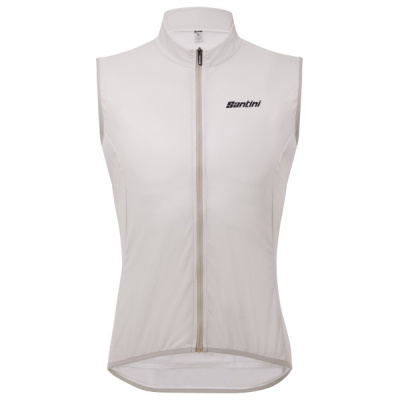
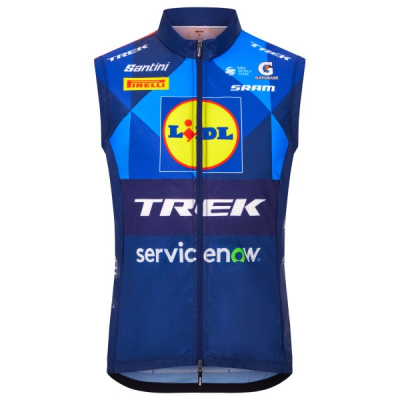
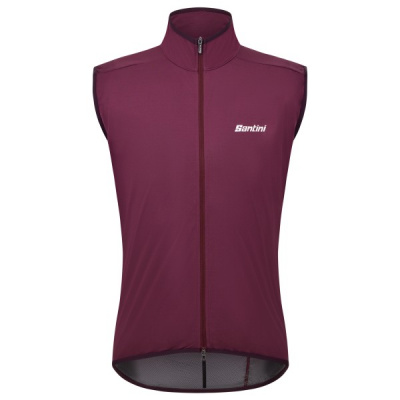
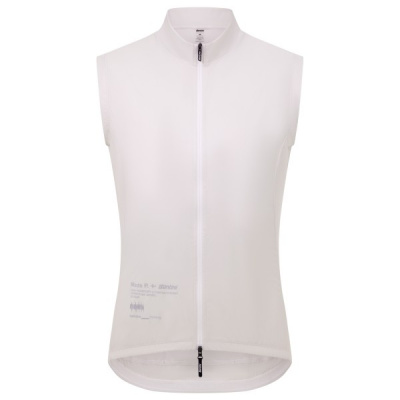
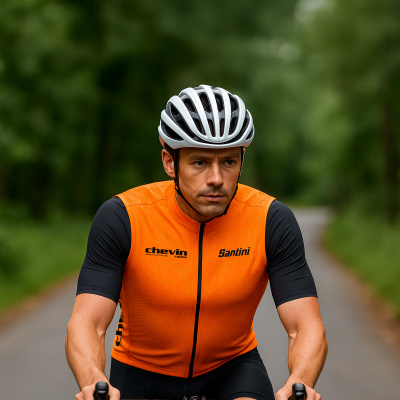
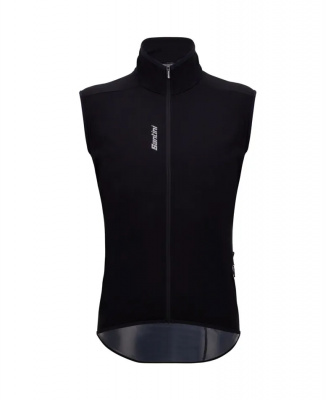
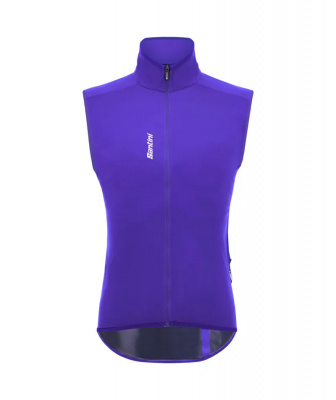
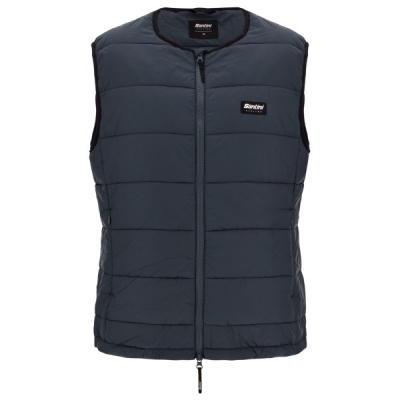
Prices and availability can change quickly. Delivery charges are not always included in listed prices.
Final price, stock status and delivery terms are set by retailer. We may receive a commission on purchases made.
Fabric Tech & Weather Performance
The design logic behind a cycling gilet is deliberately asymmetric, and Santini lean into it hard. The front panel does the defensive work - a windproof, often DWR-coated face fabric blocks the wind chill that hammers your chest and sternum on fast descents or open roads. The back is almost the opposite: a mesh or open-knit construction that vents heat freely when your effort climbs. It's a practical split that keeps core temperature stable without trapping the kind of clinging dampness that makes a full jacket miserable on harder efforts.
On winter-specific models, Santini use Polartec Alpha active insulation - a lofted synthetic fill that stays warm even when damp, and breathes well enough that you won't be drenched underneath after a steady climb. It's the sort of material that makes a real difference on a cold Welsh morning where the temperature swings ten degrees between the valley floor and the ridge. Lighter three-season gilets skip the insulation but often feature a tighter-woven windproof front with a DWR coating to deflect road spray and passing drizzle without adding meaningful weight.
None of this makes a standard gilet a substitute for a proper waterproof in a downpour - we'll come back to that - but for the vast majority of UK riding days, the combination of wind resistance and breathability is more useful than full waterproofing. Reflective detailing on many models handles low-light commutes and early-morning winter rides, which matters more than people give it credit for once the clocks go back.
Understanding the Santini Fit & Range
Santini's fit splits broadly into two camps. The aero or race-cut models - think the Santini Redux and similar - sit close to the body, flat against your kit with no extra fabric to catch the air. If you're riding at pace or racing, that matters. A gilet that balloons on a fast descent isn't just annoying; it's genuinely slower. The trade-off is that this fit needs sizing carefully, and it won't layer comfortably over anything thick.
The classic fit is more forgiving - still structured and purposeful compared to a non-cycling vest, but with enough room to go over a heavier jersey or a thermal base layer without feeling strangled. Worth knowing before you order: Santini's sizing runs to an Italian race cut across the board, which tends to be narrower and shorter in the body than UK or US equivalents. It's not a flaw, just a calibration you need to account for.
At the packable end of the range, the Santini Nebula is the model that gets talked about most. It compresses into its own internal stow pocket and disappears into a jersey pocket without obvious bulk. That kind of packability genuinely changes how you ride - you take the gilet because it costs you nothing to carry it, which means you're always covered for the unexpected cold snap on the way home. The insulated Guard series sits at the other end, built for conditions where you need real warmth from the vest itself, not just wind blockage. If you want to compare across brands at this end of the market, Castelli gilets and Assos gilets offer similarly engineered options at comparable price points, though the fit and fabric choices differ in ways that suit different riders.
Layering & Care for UK Riding
A gilet works best as the middle piece in a three-layer approach. Start with a Santini base layer against the skin - it manages moisture and keeps a thin layer of warmth close to your body. Over that, your Santini jersey does the main insulation work. The gilet then clips the wind at the front without doubling up the warmth you don't need. That combination handles the majority of UK riding days from late March through to November, and on milder winter days too.
When the rain turns persistent and heavy - not drizzle, but actual sustained rain - a gilet isn't enough. That's when you reach for a dedicated Santini jacket with proper waterproofing. The gilet goes in the pocket as backup for when you stop or the wind picks up again. That layering flexibility is the point. Le Col gilets take a similar layering-first approach if you want to see how another brand handles the same brief.
On care: DWR treatments are effective but degrade with washing if you're not careful. Wash DWR-treated gilets on a cool cycle - 30°C or below - and skip the fabric softener entirely. Softener clogs the coating's pores and kills the repellency faster than anything else. After washing, a short tumble dry on low heat or a warm iron on a low setting through a cloth can help reactivate the DWR. It's a small habit that keeps the gilet performing for far longer. Two-way zipper sliders on many Santini models also make it easier to reach back-pocket snacks mid-ride without fully unzipping - a small detail that proves its worth on longer days out.
Santini Gilets FAQs
Are Santini gilets true to size?
Santini gilets run to a close Italian race cut, which typically comes up narrower and shorter than UK or US sizing. If you're between sizes or plan to wear yours over a heavier winter jersey, go a size up. The fit is intentional - it keeps the gilet flat and tidy on the bike - but it pays to check Santini's size guide against your chest and torso measurements before ordering.
How do you pack a cycling gilet into a jersey pocket?
Zip it halfway, fold both sides inward toward the centre, then roll it tightly from the collar down to the hem. That gets most gilets small enough for a standard rear pocket. The Santini Nebula makes this easier still - it stuffs directly into its own built-in stow pocket, so there's no loose bundle to wrestle with when you're already moving.
Are Santini gilets waterproof or just windproof?
Windproof, with a DWR coating that handles light spray and brief drizzle without issue. They're not waterproof in any meaningful sense - sustained rain will work through. For heavy or persistent rain, you need a dedicated waterproof jacket. The gilet earns its place in everything short of that.