
Roval Gravel Wheels
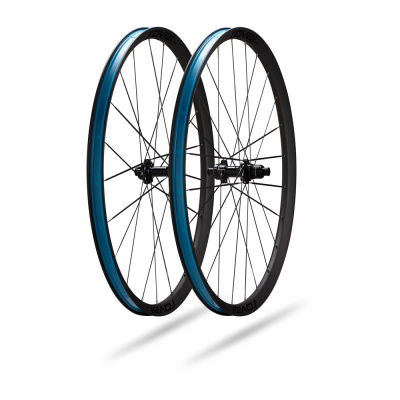
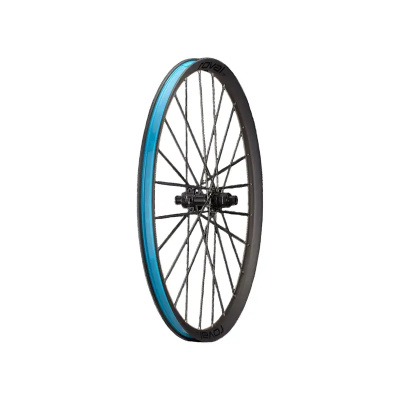
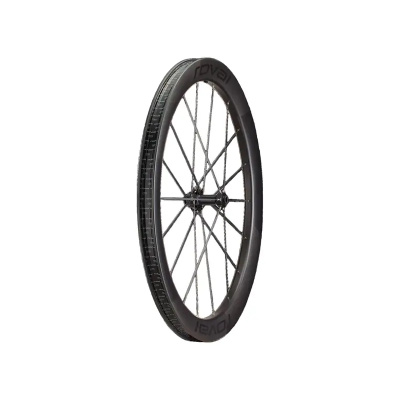
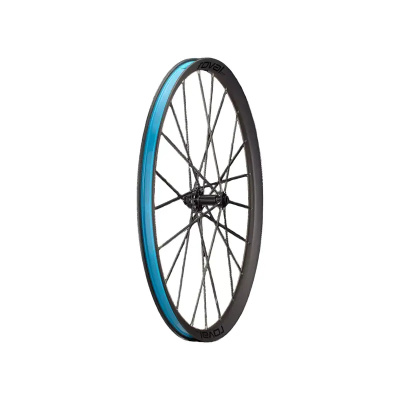
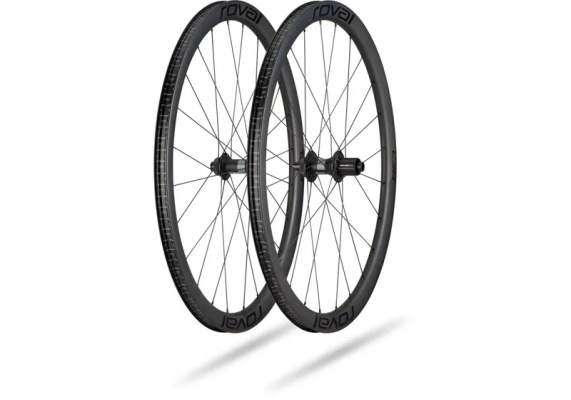
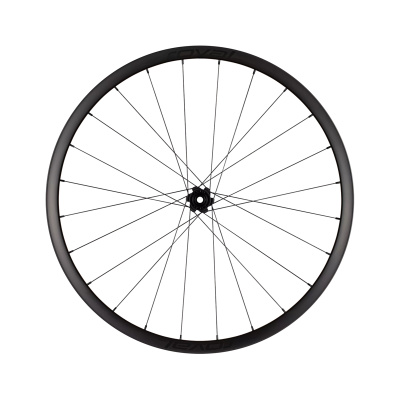
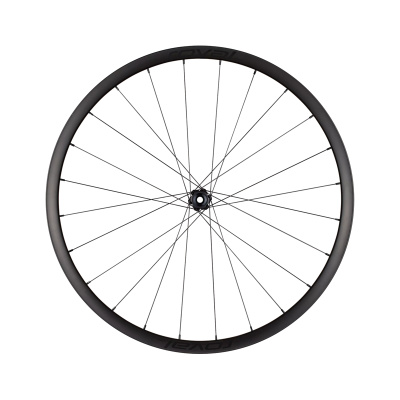
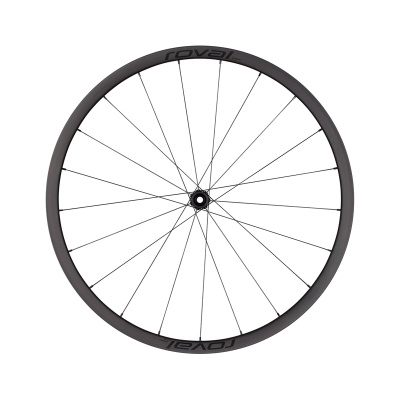
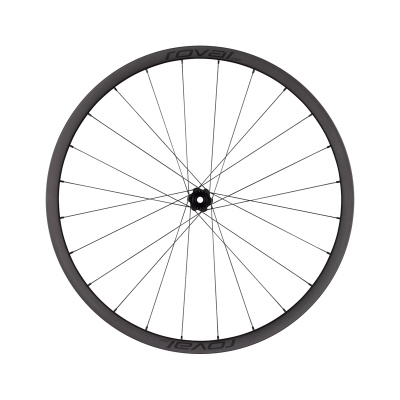
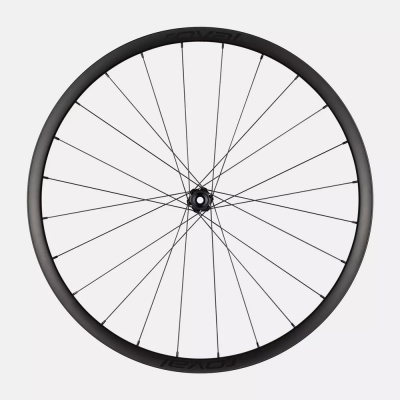
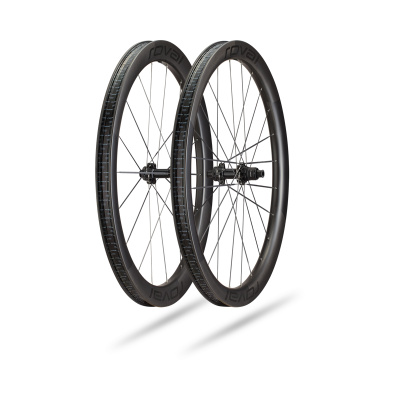
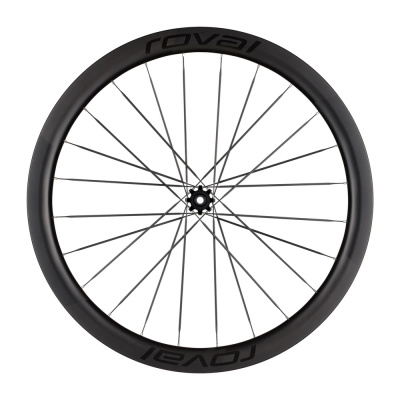
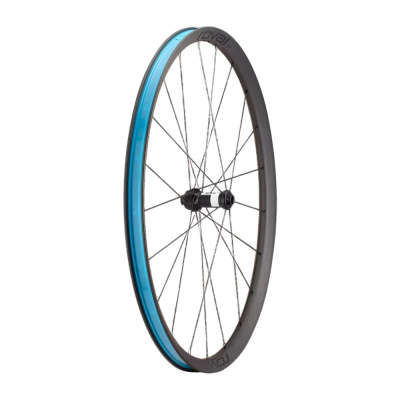
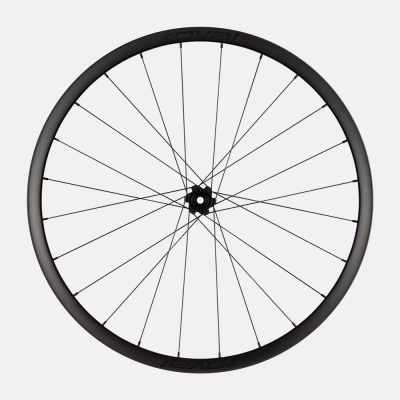
Roval gravel wheels - specifically the Terra series - sit in a rare bracket: carbon rims light enough to feel road-sharp, yet built with the structural honesty to handle a full British winter without complaint. What sets them apart from a growing field of carbon gravel hoops is a deliberate choice to retain a hooked bead design. While plenty of brands have gone hookless, Roval hasn't, and for most UK riders that's genuinely good news. It means you can mount almost anything - 28mm road slicks for a fast lane-and-bridleway mix, or a chunky 47mm mud-plugger for the kind of conditions that make the Peak District fun and miserable in equal measure - without cross-referencing a compatibility chart or worrying about safe inflation limits.
The hubs are built around DT Swiss internals throughout the range, giving you reliable engagement, weather resistance, and a servicing story that doesn't require a trip to a specialist. Whether you're picking through flinty chalk on the South Downs or grinding forestry roads in the Scottish Borders, the foundation here is sound. Tubeless-ready straight out of the box, with a 25mm internal rim width that supports wide tyres properly, these are wheels you spec once and stop thinking about.
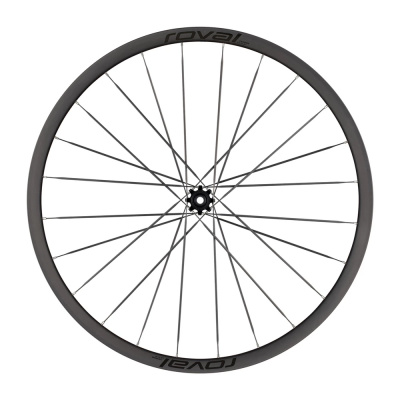
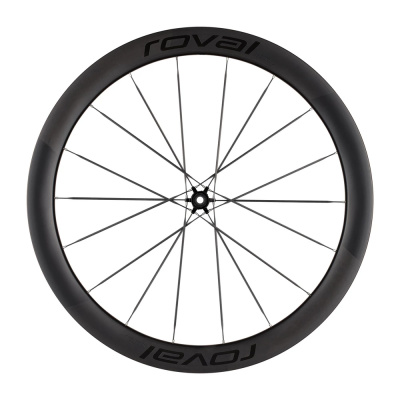
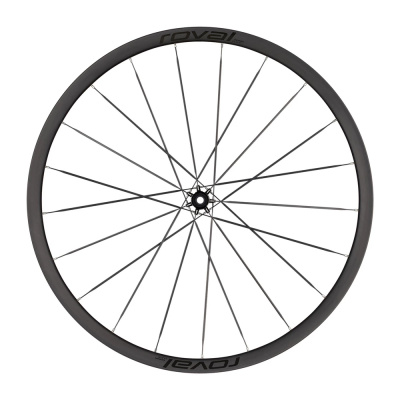
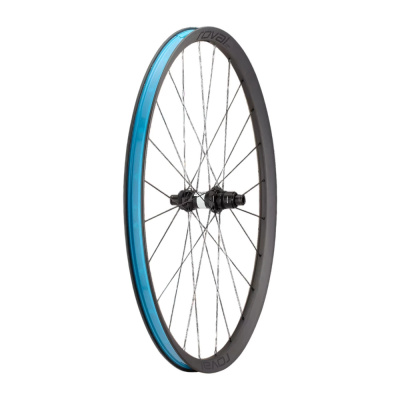
Prices and availability can change quickly. Delivery charges are not always included in listed prices.
Final price, stock status and delivery terms are set by retailer. We may receive a commission on purchases made.
Will Roval Terra Wheels Fit Your Gravel Bike?
Fitment is straightforward for the vast majority of modern gravel bikes. The Terra series uses 12x100mm thru-axle spacing at the front and 12x142mm rear spacing - the de facto standard on dedicated gravel frames from the last five or six years. If your bike was built for thru-axles and flat-mount disc brakes, you're almost certainly good to go.
Rotor attachment uses Centerlock disc standard across the range. That's Shimano's splined interface, and it's worth knowing upfront if you're currently running six-bolt rotors - you'll need a Centerlock-to-six-bolt adaptor, or just swap to Centerlock rotors, which are widely available. Freehub body options cover the two main drivetrains: Shimano HG for 11-speed setups including GRX groupsets, and SRAM XDR for 12-speed AXS. Check which your drivetrain needs before ordering; swapping freehub bodies later is possible but adds cost.
The 25mm internal rim width is the other number worth understanding. It gives the tyre sidewall proper support across the range of sizes gravel riders actually use, and it's wide enough that a 40mm tyre sits with a natural, rounded profile rather than a pinched one. Critically, because Roval has kept the hooked bead rather than going hookless, tubeless ready setup works with conventional tyre pressures and doesn't impose the strict PSI ceilings that hookless rims require. You can run a tube if you get a puncture mid-ride and your sealant has given up. That flexibility matters more than it sounds when you're forty kilometres from the car.
Terra CLX, CL, or C: Picking the Right Tier
The Terra range splits into three distinct builds, and the differences are real - not just badge engineering. Understanding where the money goes at each step helps you buy the right wheel rather than the most expensive one.
The Terra CLX is the flagship. It's a sub-1,300g wheelset built around an advanced carbon layup that's been tuned specifically for vertical compliance without losing lateral stiffness - so it absorbs chatter from rough surfaces without flexing under hard cornering loads. Internally it runs DT Swiss 180 hubs with ceramic bearings and Ratchet EXP engagement. Aerolite bladed spokes keep rotational weight down. This is the build you choose if you're racing or if weight genuinely matters to your riding. Compared to something like ENVE gravel wheels, the CLX sits in comparable territory on performance while offering that hooked-bead compatibility advantage.
The Terra CL uses the same premium carbon fibre rim as the CLX - same layup, same weight, same compliance characteristics. The difference is the hub: DT Swiss 240 internals with steel bearings rather than ceramic, and standard Ratchet rather than EXP. For most riders, that's an entirely sensible trade. The rim is doing the majority of the work in terms of ride feel and weight, and the 240 hub is a proven, long-lived unit. This is the one we'd point most riders towards - the performance gap to the CLX is narrow, and the saving is meaningful.
The Terra C is built differently from the ground up. The rim uses a resin-transfer moulded carbon construction - heavier and less refined than the CLX/CL rim, but notably more impact-resistant. It's paired with DT Swiss 370 hubs, which are simpler mechanically but still use DT's reliable engagement system. If you're loading up a bikepacking rig, riding technical bridleways regularly, or just want a set of carbon wheels that can genuinely take punishment, the Terra C makes a strong case. Hope gravel wheels are worth a look at a similar price point if outright UK-made durability is your priority, and DT Swiss gravel wheels offer their own take on this tier with comparable hub quality. The Terra C's advantage is that you're still getting a carbon rim - appreciably lighter than alloy - at a price that doesn't sting.
One practical note across all three: if you're pairing any of these with Roval handlebars or a Roval seatpost, Specialized-spec bikes will already be optimised for the combination - useful if you're building up a complete contact-points kit.
Keeping Them Running Through UK Winters
British gravel riding is hard on wheels. Abrasive grit, standing water, and mud that gets into everything means hub maintenance matters as much as initial build quality. The DT Swiss Ratchet EXP system inside the CLX - and the standard Ratchet in the CL and C - is genuinely well-suited to this environment. Both can be disassembled and cleaned without any special tools, just a rag and a few minutes in the car park after a particularly grim ride. The ratchet mechanism is sealed well enough that it resists water ingress during normal use, but a rinse-and-regrease once or twice over winter is good practice if you're riding in Peak District-level mud regularly.
Bearing replacement intervals depend heavily on conditions. On clean summer gravel, you might go two seasons without touching the bearings. Riding through wet, gritty winters - especially on routes with chalk slurry like the North Downs or South Downs - will shorten that. A rough check every few months (spin the wheel and feel for grinding or notchiness) is all you need. Replacement bearings for DT Swiss hubs are widely stocked and not expensive.
For tubeless setup, use 27mm tape on a 25mm internal rim width - slightly wider than the internal dimension gives you proper coverage of the spoke beds without the tape lifting at the edges. One layer, properly seated before you inflate, and you'll avoid the sealant weeping that catches people out on fresh builds. Standard gravel sealant volumes apply: 40 - 60ml per tyre is enough for most 40mm-and-under setups. If you're running something larger for winter, go towards the higher end.
One thing worth flagging on the Roval Terra CLX specifically: the ceramic bearings in the DT 180 hubs offer lower rolling resistance, but they're more sensitive to contamination than steel. If you ride in genuinely horrible conditions regularly, the CL's steel-bearing 240 hubs may actually last longer between services. That's a real trade-off, not a reason to avoid the CLX - just worth knowing before you spec it as a year-round winter wheel.
Roval Gravel Wheels FAQs
Are Roval Terra gravel wheels hookless?
No. The Terra range uses a traditional hooked bead rim. This means you can run virtually any tubeless or tube-type gravel tyre without the strict pressure caps and compatibility restrictions that come with hookless designs. It's a deliberate choice, and a sensible one for riders who swap tyres between seasons.
What is the maximum tire size for Roval Terra wheels?
The 25mm internal rim width across the Terra series supports tyres from around 28mm up to 47mm. That upper limit covers most gravel and light off-road use comfortably. Beyond 47mm the rim width starts to feel a touch narrow relative to the tyre volume, so it's a natural ceiling rather than an arbitrary one.
Can I use Roval gravel wheels on a road bike?
Yes, as long as your road frame has clearance for at least 28mm tyres and runs 12mm thru-axles front and rear. The Terra's carbon construction keeps weight competitive with dedicated road wheelsets, and the wider internal rim actually improves aerodynamics with a 28 - 32mm tyre compared to a narrow road rim. A genuine crossover option.