
Rapha Frame Bags
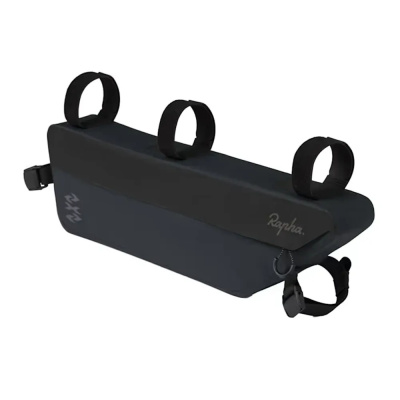
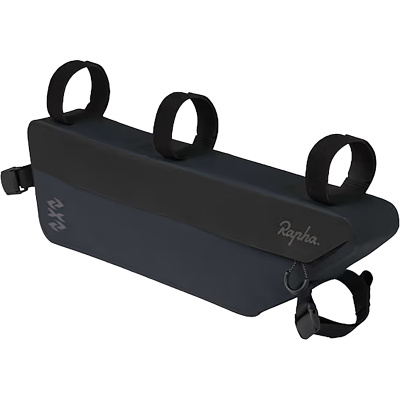
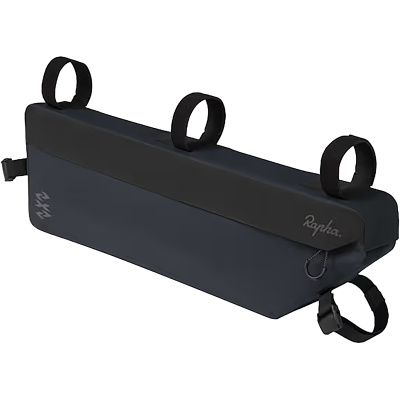
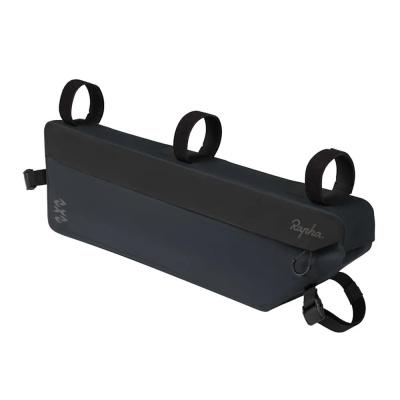
Rapha frame bags bring the same obsessive attention to detail that made the brand's apparel famous into the world of bikepacking carry systems - and the results are hard to argue with. Built from PU-coated ripstop polyester and sealed with YKK Aquaguard zips, these bags are engineered to cope with British weather at its most persistent: horizontal drizzle on the South Downs, muck spraying off a gravel track in mid-Wales, or a fast, damp descent in the Dales. The materials resist abrasion and shedding water equally well, which matters when your frame bag is taking the full force of road spray from your front wheel.
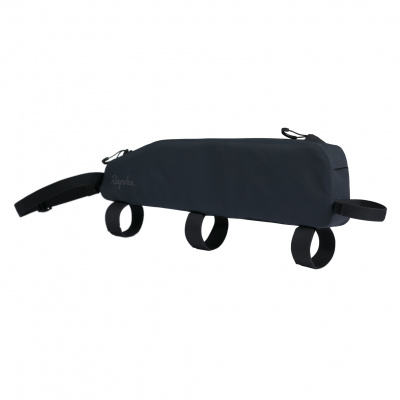
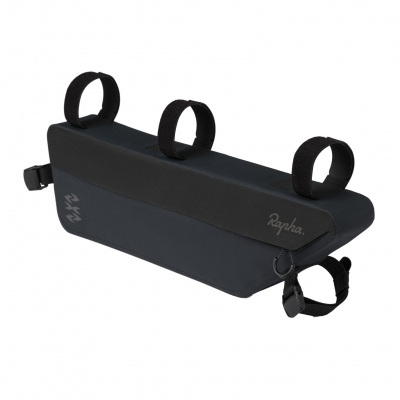
What separates Rapha's bags from the bulk of the market is mounting stability. Lateral sway on a loaded bag doesn't just feel unpleasant - it shifts your bike's balance on technical descents and chews into your frame over time. Rapha's velcro strap mounting system keeps the bag planted, and the aerodynamic profile sits close enough to the frame that your knees clear it on every pedal stroke. Whether you're after a compact Rapha top tube bag for mid-ride nutrition or a larger half-frame pack for a multi-day adventure, the range covers most riders' needs. Compare the latest UK prices below.
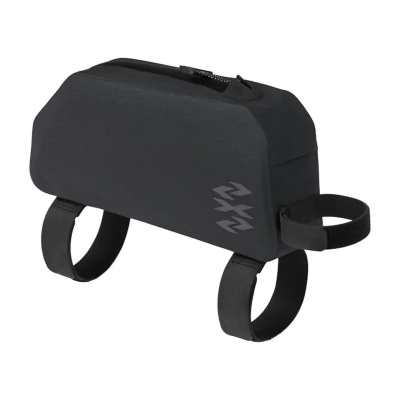
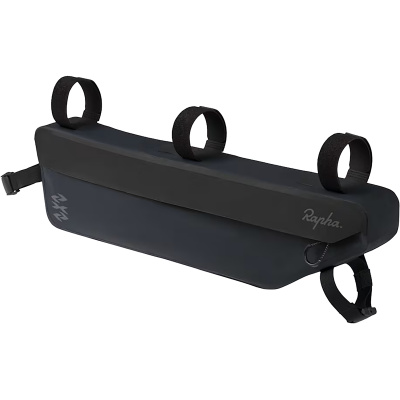
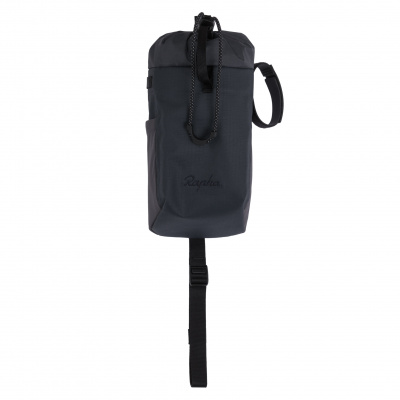
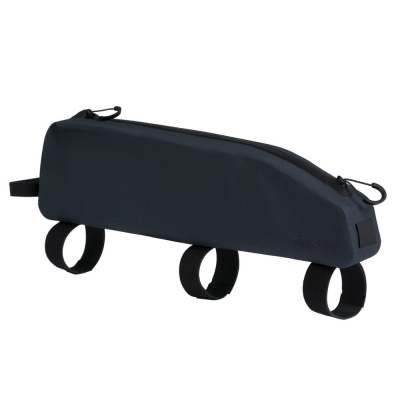
Prices and availability can change quickly. Delivery charges are not always included in listed prices.
Final price, stock status and delivery terms are set by retailer. We may receive a commission on purchases made.
Getting the Fit Right: Frame Sizing and Clearance
Rapha frame bag sizing runs across Small, Medium, and Large, and picking the wrong one is an easy mistake to make. Start by measuring the inside length of your front triangle's top tube - that's the usable length from just behind the head tube to just in front of the seat tube. Cross-reference that against Rapha's sizing chart before you buy. It sounds obvious, but it's the step most riders skip, and a bag that's even slightly too long will foul your knees or force you to compress it awkwardly against the seat tube.
Top tube clearance for the velcro straps is the other thing to check. Measure your top tube's diameter where the straps will sit, and confirm the straps can wrap fully and lie flat. A strap that's bunching or twisted will work loose on rough ground and start migrating down the tube. More critically, check the vertical clearance between the bottom of the mounted bag and your bottle cage mounts. If you're running a standard forward-facing cage and a medium or large frame bag, extraction while riding can get tight. Side-loading cages - Arundel and Feedback Sports make good ones - solve this cleanly without needing to rethink your whole setup. Leave at least 30mm of clearance as a working minimum.
Worth noting: compact frames and bikes with sloping top tubes often suit a smaller bag than you'd expect. Don't chase capacity if the geometry isn't there to support it.
Inside the Rapha Bikepacking Ecosystem
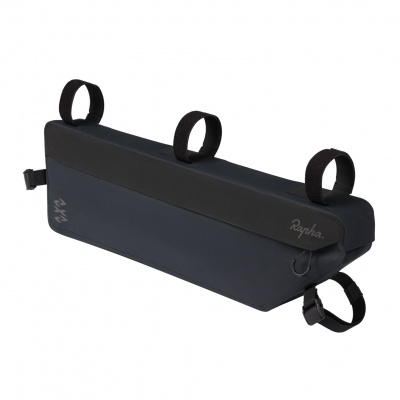
Rapha's frame bag lineup centres on two core formats. The Explore Half Frame Pack is the workhorse - designed for multi-day bikepacking setups where you need genuine volume without overloading the front triangle. The top tube bag is trimmer, built for nutrition, a phone, or a small tool roll within easy reach. Both share the same fabric construction and zip spec, so durability isn't compromised on the smaller option.
The details are where Rapha earns its price point. The high-vis pink internal lining isn't just a brand flourish - it makes a real difference when you're rummaging for a gel or a tyre lever at dusk without stopping. You can actually see what's in the bag. Hyper-reflective external logos add low-light visibility without the need for additional clip-on lights on the frame, which is a sensible touch for early morning or late evening rides. Cable routing ports let you run a dynamo hub cable or a power bank lead through the bag without compromising the zip seal - useful if you're running lights or charging a GPS unit on longer days out.
For a complete carry system, the frame bag works best as one part of a broader setup. Rapha bar bags handle the bulkier lightweight kit up front, while Rapha saddle bags take on sleeping kit or extra layers at the rear - both use the same design language and mounting logic, so the whole system sits cohesively on the bike. If you're running a more commuter-style setup or need overflow capacity, Rapha rucksacks are worth a look alongside the frame bag.
Keeping Your Frame Intact: UK Grit, Mud, and Zip Care
Here's the thing most bag reviews don't say plainly enough: the bag itself probably won't scratch your frame. The grit that gets trapped between the velcro straps and your tubes will. On UK roads and gravel tracks, fine abrasive particles work their way under the straps during a ride and then get ground into the clear coat every time the bag flexes. On carbon, that's a cosmetic problem at best and a structural one at worst if it goes unnoticed for long enough.
The fix is simple and cheap. Before you fit any frame bag, apply clear frame protection tape - helicopter tape - to every section of tube that will contact a strap or the bag body. Cover the top tube, down tube, and the seat tube where the lower strap sits. It takes ten minutes and it's the single most useful thing you can do before a long trip. Cut slightly wider than you think you need, because straps shift slightly over the course of a bumpy ride.
The YKK Aquaguard zips are robust, but they need occasional attention to stay that way. After a muddy or gritty ride, clean the zip teeth with an old toothbrush and warm water before the crud dries and sets hard. Once clean and dry, run a small amount of silicone zip lubricant along the teeth - not a petroleum-based product, which degrades the water-resistant coating. Zips that are forced when dirty are the ones that split at the corners under load; a bit of routine care avoids an expensive replacement. If you're pairing the bag with a Rapha jacket stuffed inside, make sure it's dry before you zip it in - trapped moisture accelerates zip corrosion over time.
One more practical note: Rapha water bottles sit neatly alongside the frame bag if you've planned your clearance correctly, but check the bottle diameter too - oversized insulated bottles can foul the bag's lower panel on smaller frames.
Rapha Frame Bags FAQs
Are Rapha frame bags fully waterproof?
They're highly water-resistant rather than fully waterproof. The PU-coated ripstop fabric and Aquaguard zips handle heavy rain and road spray well, but prolonged torrential downpours can eventually find their way through the stitching seams. Wrap anything sensitive - a phone, battery pack, or documents - in a small dry bag as standard practice.
How do I choose the right size Rapha frame bag?
Measure the usable inside length of your top tube and compare it against Rapha's Small, Medium, and Large sizing chart. Then check vertical clearance between the base of the fitted bag and your bottle cage - if it's under 30mm, you'll struggle to pull a bottle while moving. Side-loading cages are a straightforward fix if clearance is tight.
Will a Rapha frame bag scratch my carbon frame?
The bag's straps themselves are soft, but grit and mud trapped beneath them will abrade your clear coat over time - it's the same action as wet-and-dry sandpaper. Always apply clear frame protection tape to your top tube, down tube, and seat tube before fitting the bag. It's cheap, invisible, and saves an expensive repaint.