
Rapha Water Bottles
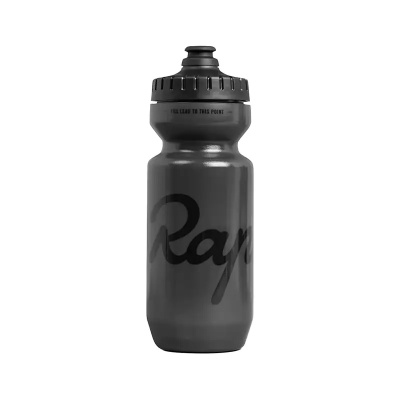
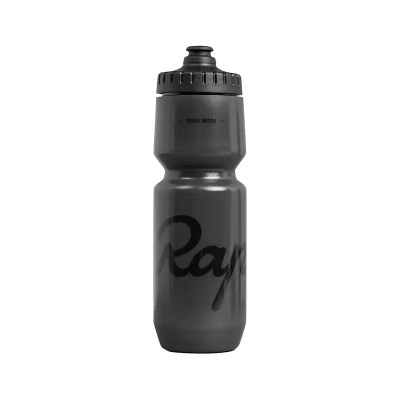
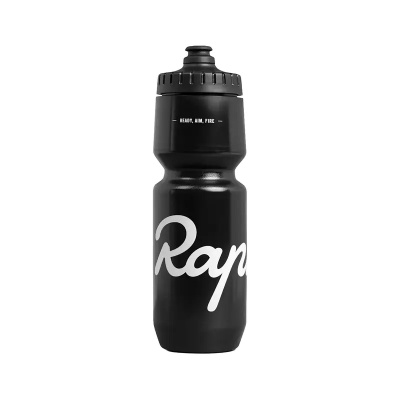
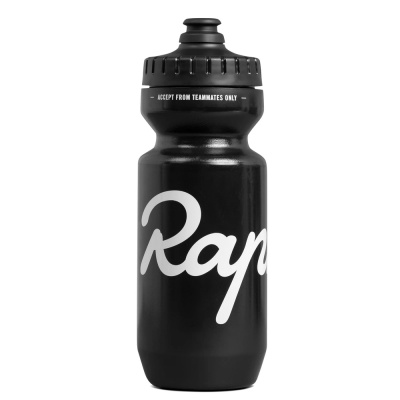
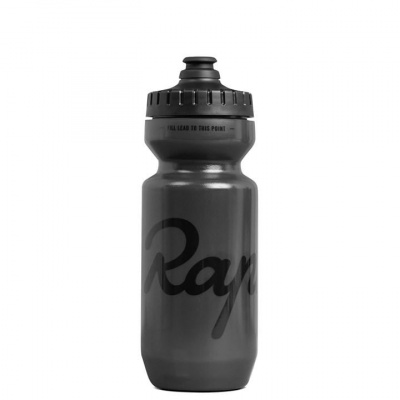
Rapha water bottles sit at an interesting crossroads: they look the part on a pristine carbon cage, but the engineering underneath is what actually makes them worth carrying. A leaky valve mid-climb or a bidon that ejects on a potholed B-road is more than annoying - it's a hydration failure at the worst possible moment. Rapha sidesteps both problems by partnering with Specialized and CamelBak for manufacturing, pulling in proven tech like BPA-free Purist internals and self-sealing Jet Valve nozzles rather than reinventing the wheel with in-house plastic.
What you get across the range is consistent: 100% BPA, BPS, and BPF free plastics, taste-free internal coatings that don't taint your electrolyte mix, and valves engineered for proper high-flow delivery when you're gasping on a long drag. The standard 74mm diameter means they'll drop straight into whatever cage is bolted to your frame - road, gravel, or hardtail. And if you're doing winter base miles in conditions where your bidons are freezing solid by the time you hit the café, there's an insulated option that handles that too. Below, we've broken down which bottle suits which rider, what the tech actually does, and how to keep them running clean through a full UK season.
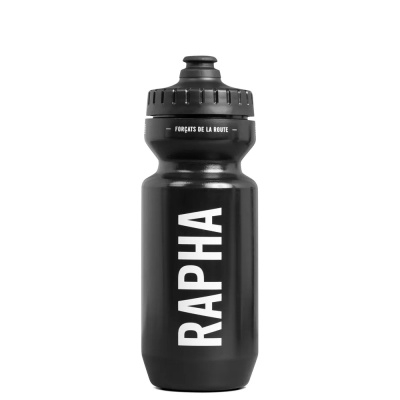
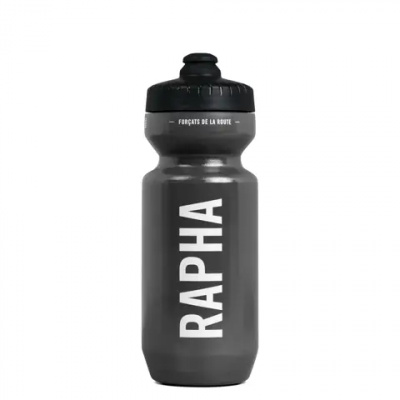
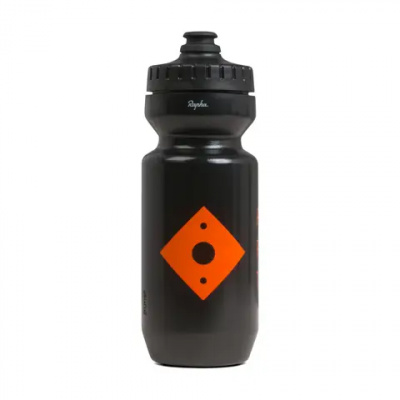
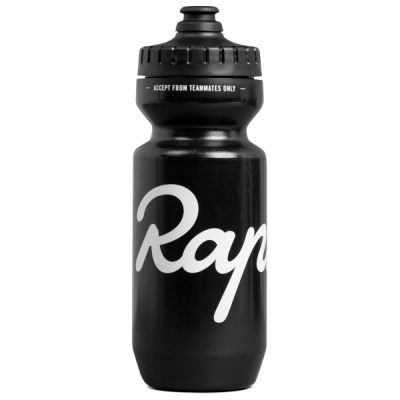
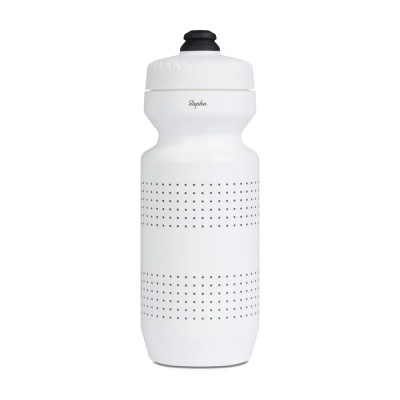
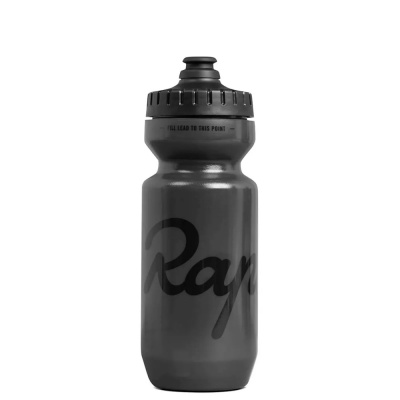
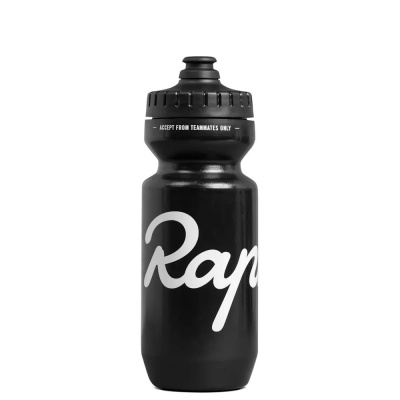
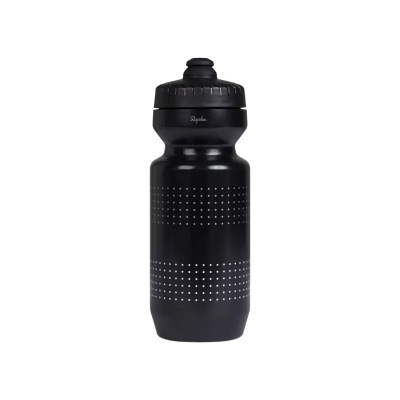
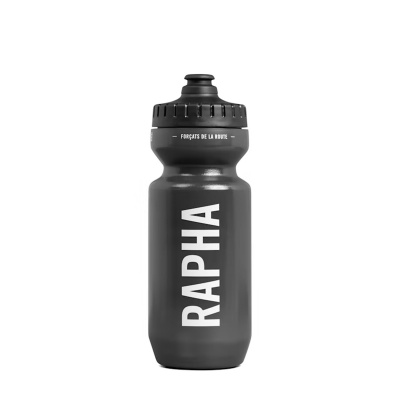
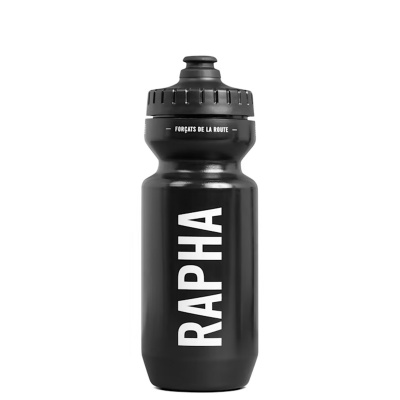
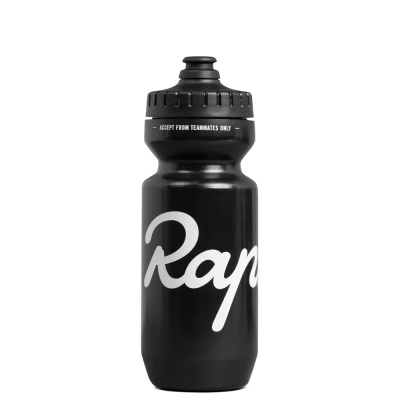
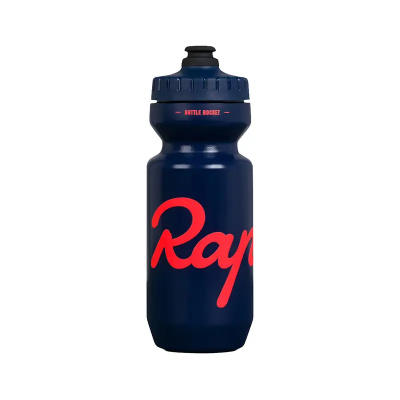
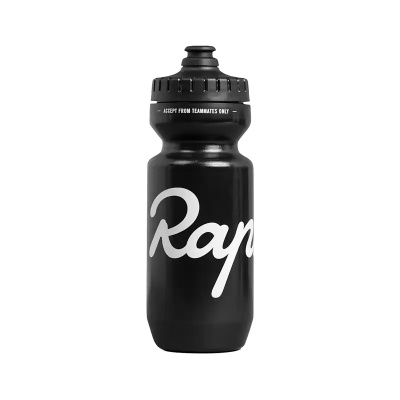
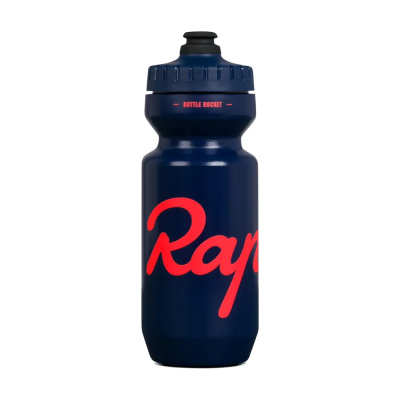
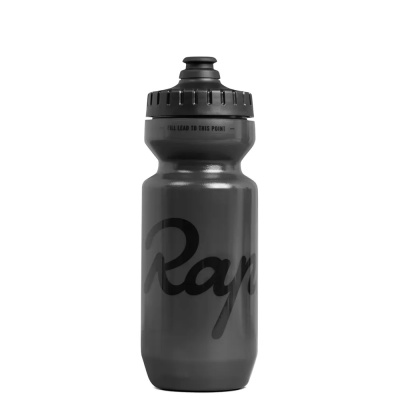
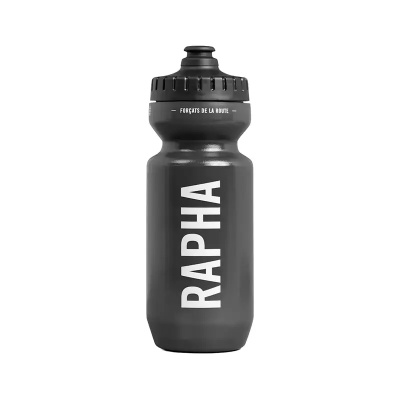
Prices and availability can change quickly. Delivery charges are not always included in listed prices.
Final price, stock status and delivery terms are set by retailer. We may receive a commission on purchases made.
Cage Fit, Valve Types, and Flow Rates Explained
Every Rapha bidon is built to the 74mm industry-standard diameter, so fitting them is rarely a conversation worth having - they'll slot into carbon, alloy, or plastic cages without drama. Where it does get interesting is how that diameter interacts with cage stiffness on rough surfaces. A tight carbon cage grips a bottle precisely, but on a chunky gravel descent or a cattle-grid-rattled lane in the Dales, a worn or over-wide cage will eject a bottle regardless of the brand. Check your cage retention before blaming the bottle.
The more meaningful difference between Rapha's options is the valve. Bottles using Specialized Purist MoFlo technology pair a wide-bore nozzle with a squeezable body - the silicon dioxide coating on the interior keeps the plastic taste-free and stain-resistant, which matters when you're running beetroot-based recovery drinks week after week. The CamelBak-partnered bottles use a self-sealing Jet Valve that closes automatically between sips, cutting drips when the bottle is inverted in a cage. Both systems deliver good flow, but the Jet Valve design is notably cleaner in use - useful on sportives where you're reaching for a bottle without looking.
Squeezability matters more than it sounds. When you're deep in a climb and your breathing is ragged, you want a bidon that yields easily under one hand without requiring a vice-grip. The squeezable bidon construction on Rapha's road-oriented bottles is calibrated for exactly that - firm enough to hold its shape in a cage, soft enough to deliver a proper shot of fluid with minimal effort.
Classic, Pro Team, and Insulated: Which Tier Fits Your Kit
Rapha organises their bottle range into three broad tiers, and the differences are practical rather than cosmetic. The Classic bidon is the everyday workhorse - durable, standard-flow, and finished in colourways that pair cleanly with most Rapha kit. It's not trying to shave grams; it's trying to survive a full season of café rides, commutes, and sportive entries without cracking or staining. If you grab bottles from the dishwasher rack before heading out and don't give them much further thought, this is the one.
The Pro Team bottle targets riders who care about the details of a fast grab. It's lighter, shaped to sit slightly more ergonomically in the hand, and typically comes in colourways tied to Rapha's sponsored team kit - including RCC-exclusive versions for club members. The weight saving over the Classic is modest in isolation, but if you're also running a Rapha jersey with minimal pocket bulk and a lightweight frame bag setup, the cumulative logic starts to add up.
The Insulated bottle is a different proposition entirely. Double-wall construction slows heat transfer in both directions - cold drinks stay cold on a baking August sportive, and hot drinks (tea, coffee, a thin porridge mix if you're committed) stay warm through a January base ride in the Peaks. It won't fit every cage as snugly as a standard bidon because the outer wall adds a few millimetres, so worth checking cage clearance on bikes with tight tube profiles. If you're pairing it with a Rapha frame bag rather than a cage, that's a non-issue. For winter miles where your standard bottle turns into a cold slurry by mile thirty, it earns its place.
Worth noting: if you're building out a longer-distance setup, a Rapha bar bag paired with an insulated bidon in the frame cage covers most hydration and nutrition scenarios without resorting to a pack.
Keeping Bottles Clean Through a UK Winter
UK riding throws a specific set of problems at water bottles that warmer-climate riders don't face. Wet road grit is abrasive - it works into the valve mechanism over time and can scratch the exterior graphics down to bare plastic faster than you'd expect. The Purist coating on the interior is durable, but it's not indestructible. Avoid abrasive bottle brushes on the inside; a soft-bristle brush and warm soapy water does the job without scratching the silicon dioxide coating that keeps flavour transfer and staining at bay.
The valve is where most bottles fail long-term, and Rapha's are no different. Black mould builds up inside the nozzle if bottles are stored damp - pull the valve apart after wet rides, rinse it separately, and let it air dry with the cap off. If you're riding muddy gravel or farm tracks in Wales or the Scottish Borders, grit and sheep-dip mud will collect around the mouthpiece. A quick rinse before you drink isn't paranoia; it's just good practice.
Most Rapha bidons are top-rack dishwasher safe, which is convenient, but repeated dishwasher cycles shorten valve life. Hand washing is slower and extends the valve significantly - your call depending on how often you're replacing bottles. If the valve starts to leak or loses its self-sealing action, that's usually the signal to replace the bottle rather than the cage.
For the full picture on what else Rapha make, the Rapha brand page covers their complete range across clothing, accessories, and kit.
Rapha Water Bottles FAQs
Are Rapha water bottles dishwasher safe?
Most Rapha bidons are top-rack dishwasher safe. That said, repeated cycles will wear down the valve faster than hand washing will. Warm soapy water and a soft brush takes an extra minute and keeps the self-sealing mechanism working properly for longer - worth the habit if you want the bottle to last a full season.
Do Rapha bottles fit all standard bottle cages?
Yes. Rapha bidons are built to the 74mm industry-standard diameter, so they'll fit the vast majority of road, gravel, and MTB cages without modification. The insulated model adds a small amount of wall thickness, so check clearance if your frame has a particularly tight cage mount or narrow tube profile.
Who manufactures Rapha water bottles?
Rapha partners with Specialized and CamelBak for bottle manufacturing rather than producing them in-house. That means you're getting proven tech - Specialized's Purist silicon dioxide interior coating and CamelBak's self-sealing Jet Valve - under Rapha's own graphics and colourways.