
PRO Bar Bags
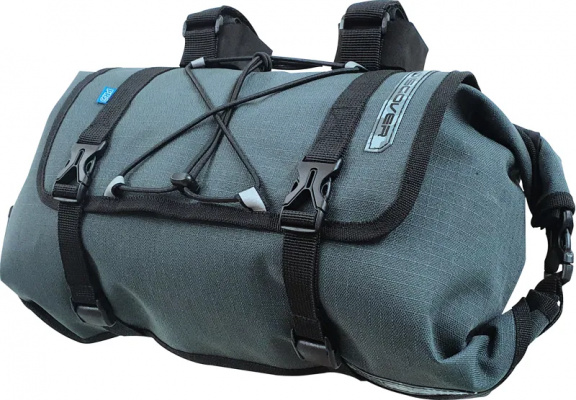
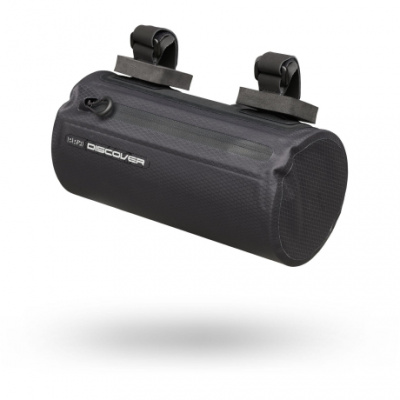
PRO bar bags sit at the crossroads of Shimano's engineering rigour and the practical demands of modern bikepacking - and that background shows in how methodically they've approached the problem of carrying kit up front without upsetting your bike's handling. The PRO Discover range is the one to focus on: a family of anti-sway handlebar bags built to stay planted over rough ground, with strap systems that clamp down rather than migrate mid-ride.
You've got real choices here. The compact 2.5L options suit long day rides where you want snacks, a gilet, and your phone within arm's reach. Step up to the larger roll-top versions and you're looking at genuine multi-day capacity - enough for a sleeping layer and a day's worth of food without the bag turning into a pendulum. The Discover Team line takes things further with welded seams and fully waterproof construction, which matters when you're heading into the kind of persistent Welsh drizzle that laughs at a basic DWR coating. If you're comparing options across brands, Apidura bar bags and Ortlieb bar bags offer strong alternatives, but PRO's mounting integration with standard cockpit setups gives it a practical edge for riders already running Shimano-compatible components.
Prices and availability can change quickly. Delivery charges are not always included in listed prices.
Final price, stock status and delivery terms are set by retailer. We may receive a commission on purchases made.
Getting the Cockpit Setup Right
Fitting a handlebar bag correctly is half the battle - get it wrong and you'll be fighting the bike rather than the road. PRO's anti-sway strap system uses wrap-around velcro straps that loop directly over the bars, with a stabilising strap that runs back around the head tube to stop the bag from rocking side to side on rough ground. It's a solid arrangement, but the installation deserves a bit of care before you roll out of the car park.
Cable routing is the first thing to sort. Brake and gear cables need to run cleanly behind or beneath the bag - any kinking or compression here will give you vague shifting and unpredictable braking. On drop bar setups, the cables typically exit from the top of the hoods and sweep down, so you'll usually have clearance if the bag sits high on the bars. Flat bar bikes can be tighter, especially if your cables exit centrally. Route them before you cinch the straps down, then check that full lock-to-lock steering doesn't pull anything taut.
Head tube clearance is the other critical measurement, and it's one that catches people out on smaller frames and bikes with suspension forks. Measure the gap between the bottom of the bag and your front tyre with the fork compressed - a bag that clears fine in the car park can buzz the tyre on a fast descent or a sharp bottom-out. Stick some frame protection tape on the head tube before fitting the stabilising strap, too; velcro on bare carbon is a recipe for surface damage over time, and it takes about thirty seconds to prevent.
If you want a clean foundation for the whole setup, it's worth checking that your bars are up to the task - PRO handlebars are designed with bag compatibility in mind and give you known load ratings to work with.
Discover Team vs Standard: Which Line Do You Need?
The PRO Discover range splits into two clear camps, and choosing between them comes down to how serious the weather's likely to get and how long you're planning to be out.
The PRO Discover Team line is built for proper waterproof performance. Welded seams replace stitched construction, which means there are no needle holes for water to track through under sustained rain. Pair that with a roll-top closure and you've got a bag that can handle a full day in the Peak District without compromising the contents. Roll-top closures also have a practical advantage over zippers in the UK: grit and mud don't jam them. A grimy zipper on a bikepacking bag is a slow-motion failure - roll-tops just shrug the mess off.
The standard PRO Discover line uses stitched construction and a DWR coating rather than welded seams. It'll handle light showers and the odd splashy section, but it's not built for sustained downpours. Think fair-weather gravel rides, sportives, or summer bikepacking where you're not expecting to get properly soaked. The trade-off is that the standard line tends to be lighter and more packable, which matters if you're chasing low total carry weight.
Capacity options run from around 2.5L for the compact formats up to 8L for the larger roll-top bags. The 8L version is the one for multi-day touring - it'll take a down jacket, a dry base layer, and enough food to get you through a long Scottish stage without a resupply. The 2.5L sits more discreetly on the bars and suits riders who want quick-access storage without committing to a full bikepacking rig. Bungee cord tie-downs on the outer face of several models add another layer of practical usefulness for stashing a rain jacket mid-ride.
For a complete bikepacking setup, pair your bar bag with PRO Frame Bags and PRO Saddle Bags to distribute weight sensibly across the bike. If you're weighing up alternatives, Altura bar bags are worth a look at the more accessible end of the market.
How PRO Bags Hold Up to UK Grit
British riding conditions are their own kind of durability test. It's not just rain - it's the specific combination of constant drizzle, road grit, agricultural mud, and the abrasive grinding paste that forms when all three mix. Gear that handles a dry Spanish gravel route can fail quickly when it meets a Welsh bridleway in November.
Roll-top closures are the right answer to UK grit, and the Discover Team's fully waterproof construction backs that up with welded seams that don't let mud work into the stitching over time. If you're running a standard Discover bag with a DWR coating, re-proof it regularly - a can of spray-on reproofer after every few wet rides keeps the coating effective. Once DWR breaks down and the outer fabric starts wetting out, the bag gets heavy with absorbed water and loses what protection it had.
Velcro strap maintenance is something most riders overlook until it's too late. The anti-sway wrap-around straps are robust, but they collect grit in the hook-and-loop material. Loaded with abrasive particles, that velcro can act like sandpaper on carbon handlebars - so rinse the straps out after muddy rides and pick the debris out of the loops before refitting. It takes two minutes and saves your bar finish. A quick wipe of the strap contact points with a damp cloth is enough for most sessions; a proper soak in warm water sorts things out after a truly filthy day.
The bottom of the bag is worth keeping an eye on for mud clearance, particularly if you've fitted wider tyres or run lower pressures on softer ground. The bag can pick up spray and debris from the front wheel, so check that the gap is generous enough to account for any tyre flex under load.
PRO Bar Bags FAQs
How do you attach a PRO Discover handlebar bag?
The PRO Discover bags use heavy-duty velcro straps that wrap over the handlebars, plus a stabilising strap that runs around the head tube to stop lateral movement. Before tightening everything down, route your brake and gear cables cleanly behind or under the bag - this prevents any kinking that could affect shifting or braking on the move.
Will a handlebar bag crush my brake cables?
It can if the bag isn't fitted carefully. PRO includes foam spacer blocks with their larger bags, which push the bag body away from the bars and give cables room to move without being pinched. Always check that full handlebar lock-to-lock steering doesn't compress or kink any cable runs before heading out.
Are PRO bar bags fully waterproof?
The PRO Discover Team range is fully waterproof - welded seams and roll-top closures mean no water ingress even during sustained heavy rain. The standard PRO Discover line is water-resistant with a DWR coating, which handles light showers well but can let moisture through during prolonged downpours. For UK winter riding, the Team line is the one worth specifying.