
Pirelli Commuter And Hybrid Tyres
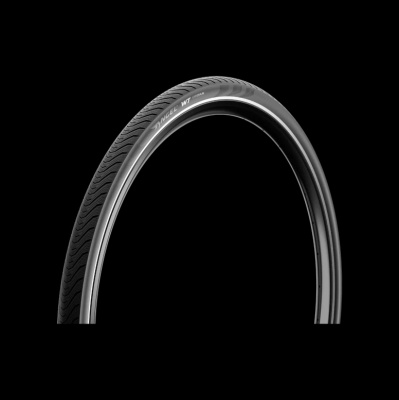
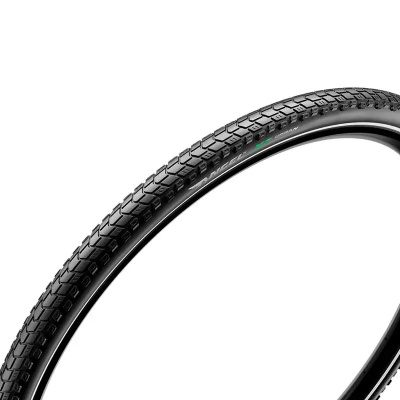
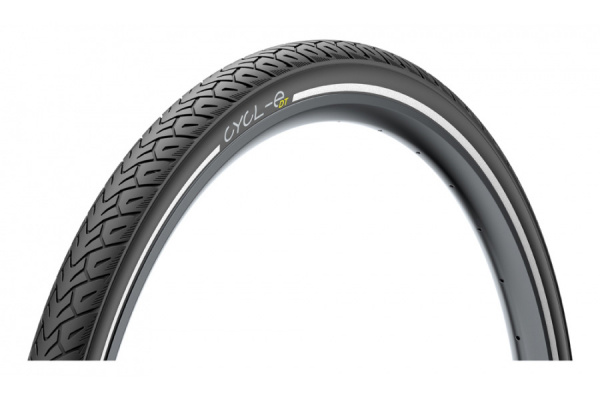
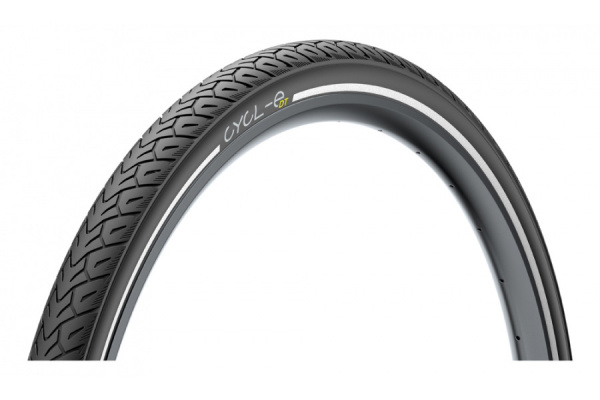
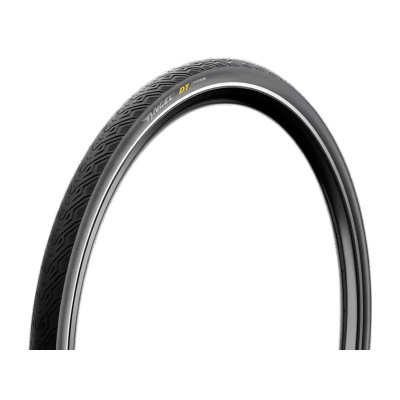
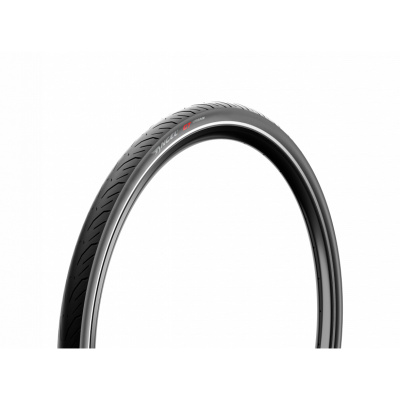
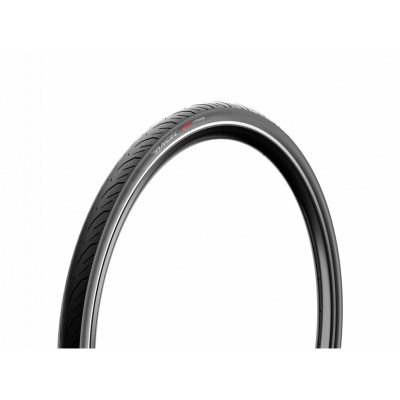
Pirelli commuter and hybrid tyres bring something the urban cycling market has long needed: genuine engineering depth applied to the grinding reality of UK roads. Broken glass in cycle lanes, greasy tarmac through November, potholes that could swallow a wheel - Pirelli's Angel Urban range is built around those specific problems rather than ignoring them.
The foundation is PROCompound Urban rubber, a silica-based compound that keeps grip consistent on wet, contaminated surfaces where budget tyres go vague and slippery. Beneath that sits HyperBELT puncture protection - a 5mm reinforced rubber layer that absorbs the sharp, irregular debris that peppers urban cycle paths across Birmingham, Bristol, and beyond. It's not just thick; it's engineered to spread impact load rather than let a flint punch straight through.
The range also covers e-bike riders properly. Several Angel Urban variants carry ECE-R75 certification, meaning they're structurally rated for the extra weight, torque, and sustained speed a motor-assisted commuter bike generates - not just marketed at e-bike riders as an afterthought. If you're replacing your hybrid or e-bike's stock rubber and want a tyre that does the job without drama, this is a strong place to start comparing.
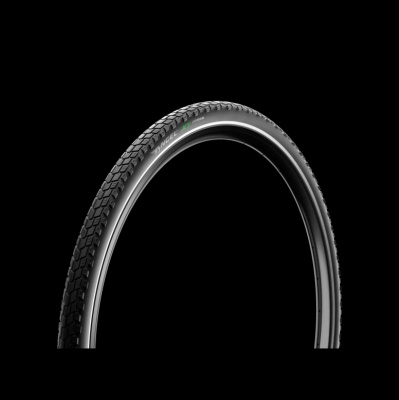
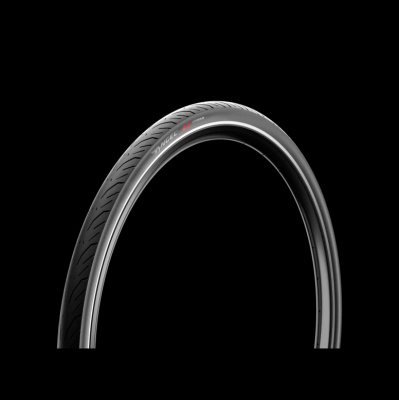
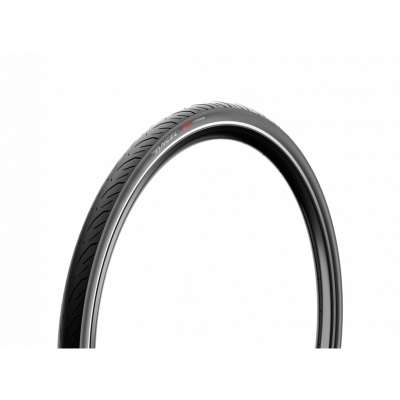
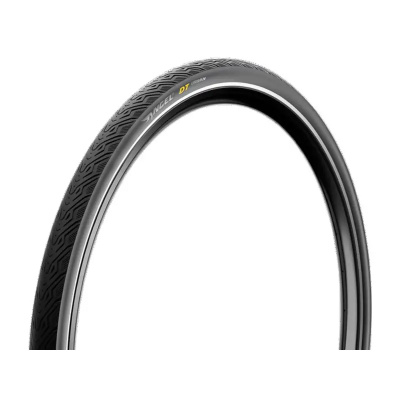
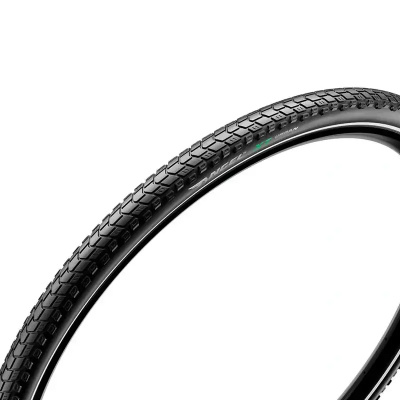
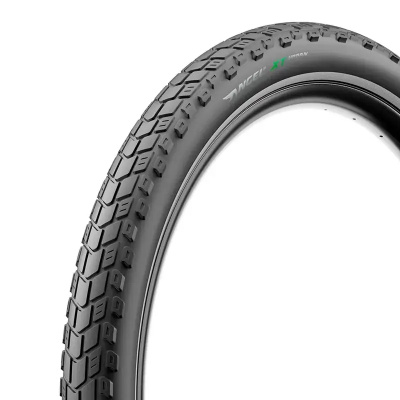
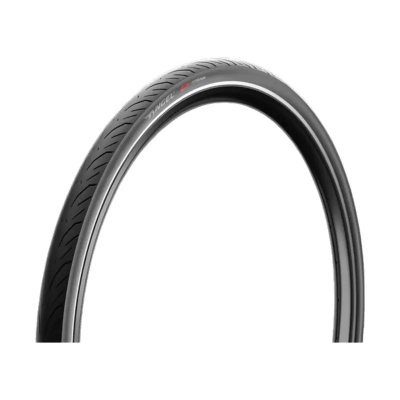
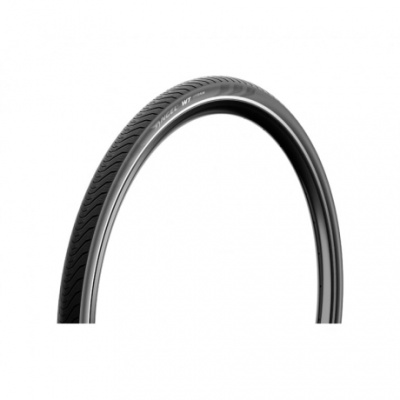
Prices and availability can change quickly. Delivery charges are not always included in listed prices.
Final price, stock status and delivery terms are set by retailer. We may receive a commission on purchases made.
Sizes, Wheel Standards, and What Fits Your Frame
Most Pirelli commuter and hybrid tyres run on 700c wheels - the standard diameter for hybrid bikes, flat-bar road bikes, and the majority of urban e-bikes sold in the UK. Within that, you'll find widths typically ranging from 35c up to 47c. Wider profiles carry more air volume, which softens pothole impacts and gives more contact patch on wet roads. The trade-off is clearance: a 47c tyre needs adequate space between tyre and fork crown or rear stays, and many older hybrid frames designed around 35c or 38c won't comfortably fit the larger sizes. Measure your current tyre width and check manufacturer clearance specs before ordering.
A smaller number of models appear in 650b (also written as 27.5-inch), more common on adventure hybrids and some gravel-leaning commuters. If your bike runs 650b, double-check the product listing carefully - 700c and 650b are not interchangeable.
For e-bike riders, the ECE-R75 certification is the number to look for. This European standard confirms a tyre's casing can handle sustained speeds up to 50km/h under the load conditions a motor-assisted bicycle generates - heavier total weight, sharper acceleration forces, and more heat build-up from longer braking distances. Running a non-ECE-R75 tyre on a Class 1 or Class 3 e-bike isn't illegal, but you're asking a casing designed for lighter loads to cope with conditions it wasn't rated for. The entire Pirelli Angel Urban range meets this standard, which matters if your commute involves a cargo e-bike or a heavier step-through.
The Angel Urban Lineup Broken Down
Pirelli structures the Angel Urban family around three distinct use cases, each reflected in the tread pattern and rolling characteristics.
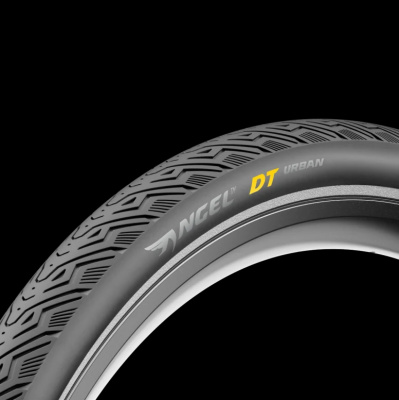
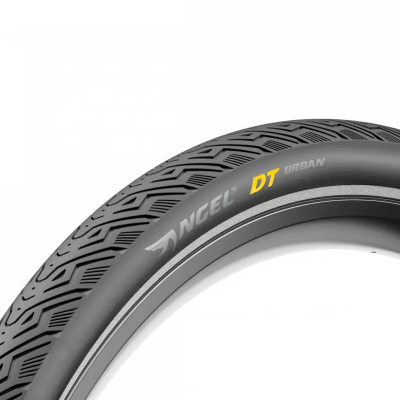
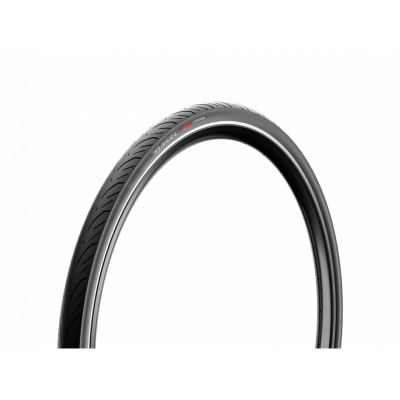
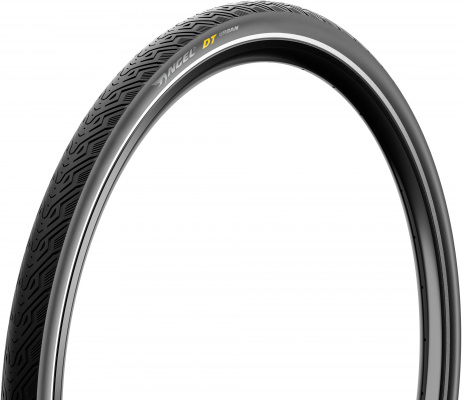
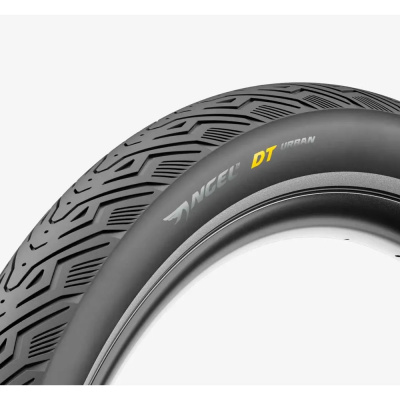
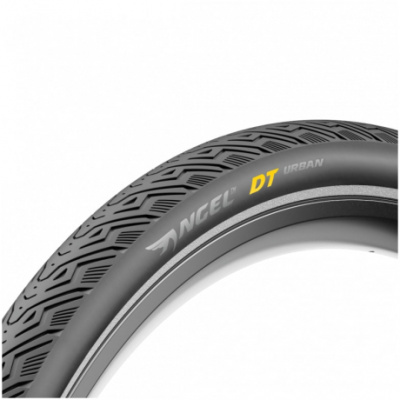
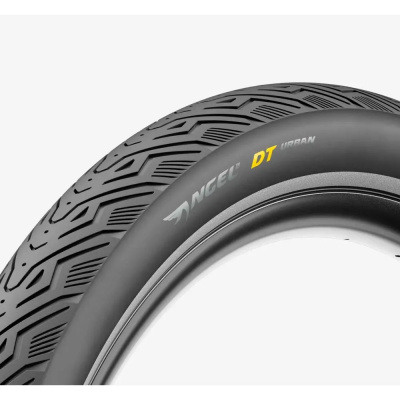
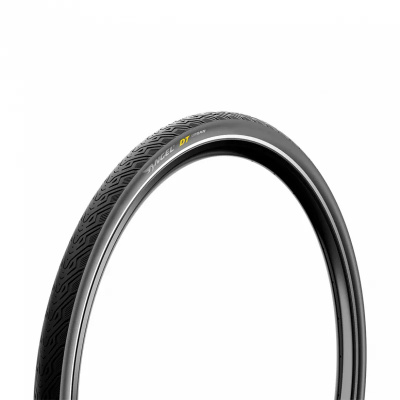
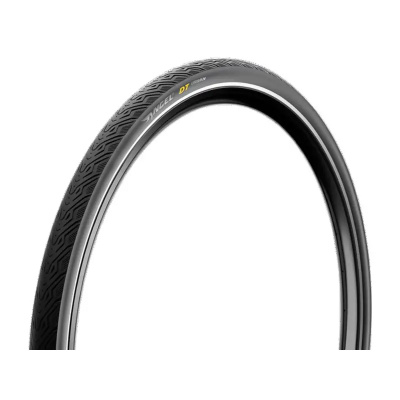
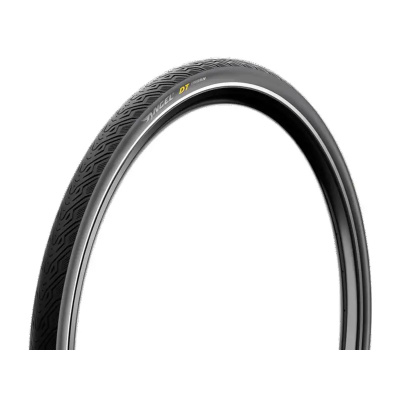
The Angel DT (Downtown) is the smoothest roller of the three. It's cut for sealed city streets and tarmac cycle paths where you want low rolling resistance and predictable wet grip without the added weight of an aggressive tread. The tread pattern draws on Pirelli's motorcycle design work - specifically the Angel GT motorcycle tyre's geometry - which channels water out from the contact patch efficiently rather than letting it pool between tyre and road. If your commute is tarmac from door to door, this is the one to look at first.
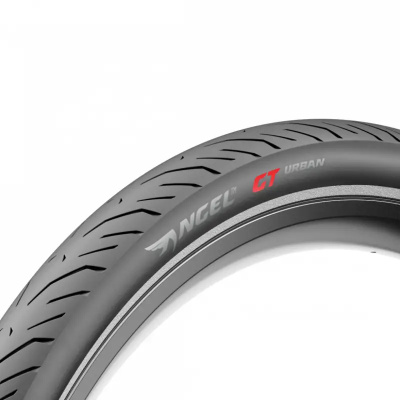
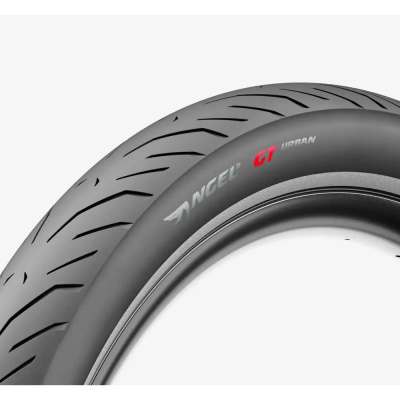
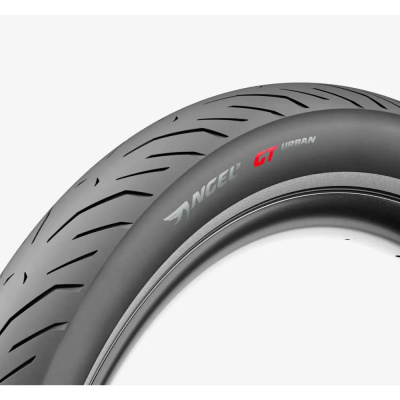
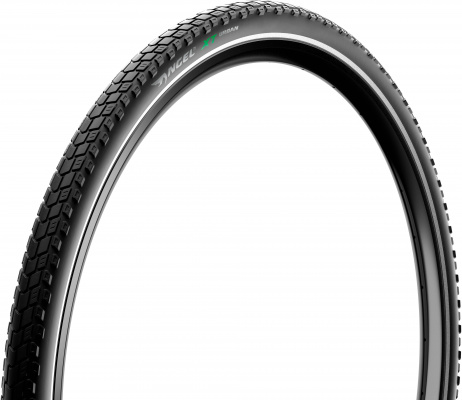
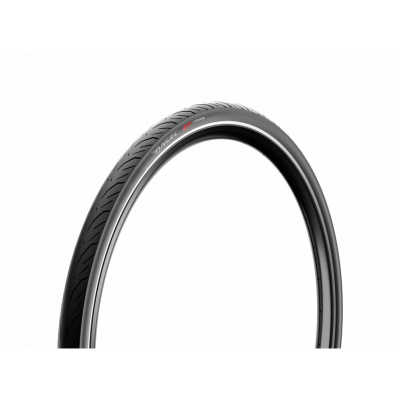
The Angel GT (Gran Turismo) bicycle tyre steps up the tread depth for mixed riding: main roads, canal towpaths, light gravel, and the occasional damp grass cut-through. Rolling resistance increases slightly compared to the DT, but the extra bite on loose or wet surfaces earns its keep on a varied commute. The Cap & Base tread construction used across the range is especially relevant here - a harder base compound underneath the softer, grippier cap compound means the tyre wears more evenly under repeated braking loads, so you're not replacing it every six months.
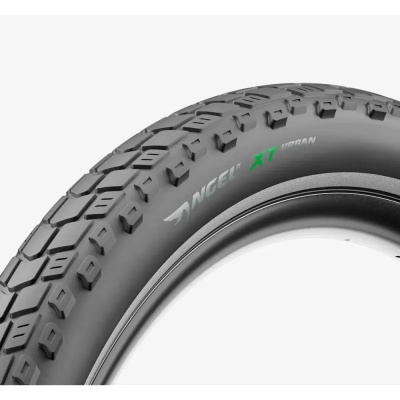
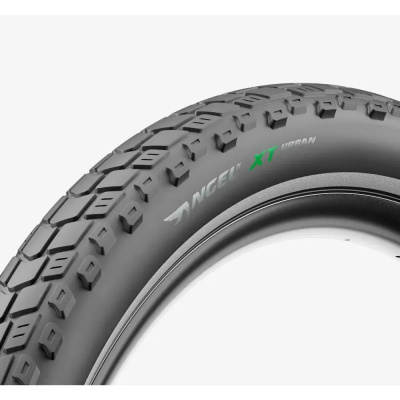
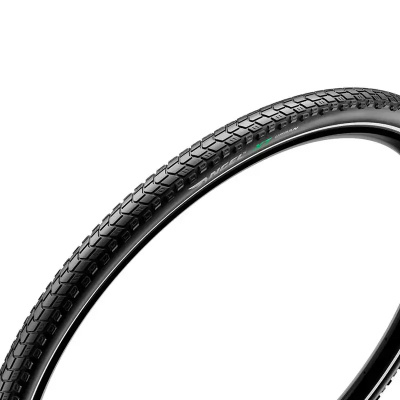
The Angel XT (Cross Tour) goes further still, with a more pronounced tread pattern suited to rough towpaths, light off-road sections, and the kind of mixed-surface commute common around the edges of cities like Leeds or Edinburgh where tarmac gives way to packed gravel or muddy paths without warning. It's the heaviest of the three and the slowest roller on smooth tarmac, but if your route regularly takes you off sealed surfaces, the added grip and casing durability justify the compromise. Where Continental's commuter range tends to split clearly between road and trail models, Pirelli's three-tier structure lets you pick a single tyre that fits somewhere along that spectrum.
Michelin's urban tyres are strong competition on rolling resistance, but Pirelli's HyperBELT layer is noticeably more substantial than what Michelin fits in this category - a meaningful difference if your route takes you through glass-strewn city centre cycle lanes. Vittoria's hybrid offerings are worth comparing too, particularly for lighter riders who prioritise speed over maximum puncture resistance.
Keeping Them Running on UK Roads
The HyperBELT layer and Cap & Base construction give Pirelli's commuter tyres real longevity, but they still need basic attention to perform. Run a visual check once a week - press your thumb across the tread and look for embedded glass chips or flint fragments that haven't yet worked through. A sharp piece that's only penetrated a millimetre or two can migrate deeper over time. Dig it out with a fine tool before it reaches the casing.
Rear tyres square off faster than fronts on commuter bikes because that's where most braking force lands. If you notice the rear developing a flat central channel, swapping front and rear can buy you several hundred more kilometres before replacement. It's a five-minute job at home and saves money.
On pressure: the SmartNET Silica compound in Pirelli's urban rubber performs best within its rated range, and running too low is a bigger risk on UK potholed roads than most riders appreciate. A pinch flat - where the inner tube gets pinched between tyre bead and rim - happens when there isn't enough air volume to absorb impact. For a 700x42c tyre, 45 - 55 PSI is a reasonable target for a 75 - 85kg rider on a standard hybrid. Drop toward the lower end for comfort on rough surfaces; push toward the upper end on a heavier e-bike.
To complete your setup, pair your new tyres with matching Pirelli inner tubes for consistent bead fit, and keep a Pirelli sealant topped up if you're running tubeless-ready rims. For everything else, a Pirelli puncture kit in your bag means a roadside fix rather than a walk to the station.
Pirelli Commuter And Hybrid Tyres FAQs
Are Pirelli bike tyres good for commuting?
Yes, and more specifically than most rivals. The Angel Urban range uses motorcycle-derived tread geometry and a 5mm HyperBELT puncture protection layer that handles the glass, flint, and wet tarmac typical of UK urban routes. PROCompound Urban rubber keeps grip honest in the wet rather than going vague - which matters when you're braking for a bus pulling out.
What pressure should I run in Pirelli hybrid tyres?
For a 700x37c or 42c Angel Urban tyre, 45 - 60 PSI covers most riders between 70 - 90kg. Lighter riders and rougher roads: sit toward the lower end for more compliance. If you're on an e-bike - especially a heavier cargo or step-through model - run closer to the maximum rated pressure to prevent pinch flats and support the additional load.
Are Pirelli Angel Urban tyres e-bike compatible?
The full Angel Urban range carries ECE-R75 certification, which means they're structurally rated for e-bike use - handling sustained speeds up to 50km/h under the heavier loads and sharper torque a motor-assisted drivetrain produces. It's the certification to check for if you're fitting replacement tyres to any Class 1 or Class 3 e-bike.