
Kalas Gilets
Kalas gilets are one of those bits of kit that earn their place in your back pocket before you've even clipped in. Developed alongside pro teams including Alpecin-Deceuninck and British Cycling, the range brings genuinely race-level wind protection to riders who don't want to lug a full jacket on every shoulder-season outing. The premise is simple: a windproof front keeps the chill off your chest on fast descents or into a headwind, while a breathable rear lets heat out so you're not cooking on the climbs.
What makes a Kalas cycling gilet worth picking over the pile of cheaper alternatives? Mostly the details - properly windproof membrane fabrics up front, mesh panels that actually breathe, and a packable construction that means you can stuff the thing into a jersey pocket when the sun finally shows up at the top of the col. That last point matters more than people give it credit for on UK rides, where the weather at 7am and the weather at 11am can feel like different seasons entirely.
Whether you're building a layering system for autumn sportives or just want something sensible for those brisk spring roll-outs, the Kalas range covers a lot of ground. Here's what to know before you buy.
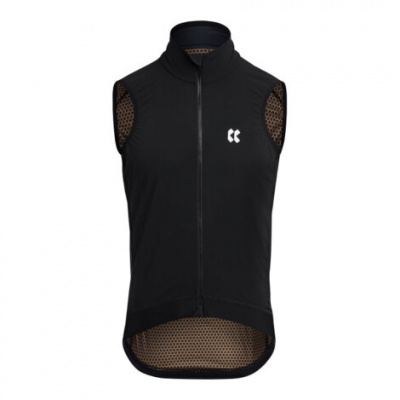
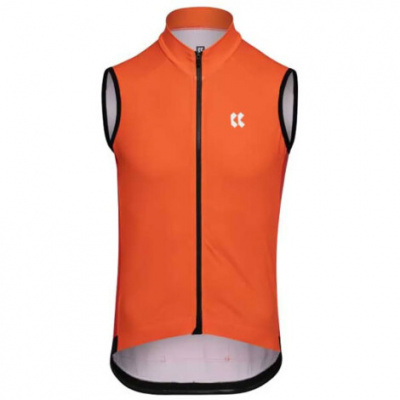
Prices and availability can change quickly. Delivery charges are not always included in listed prices.
Final price, stock status and delivery terms are set by retailer. We may receive a commission on purchases made.
Fabric Tech & Weather Performance: Blocking the Chill
Kalas uses what they call W&W (Wind & Waterproof) membrane fabrics on the front panels of their gilets. In plain terms, that means the chest and shoulders - the bits taking the full brunt of the wind at 30mph - are built from tight-woven, laminated material that stops cold air dead. On a sharp descent into a valley or hammering along an exposed moorland lane, that frontal protection is the difference between arriving at the café stop comfortable and arriving borderline hypothermic.
The rear is a different story, deliberately so. Open mesh back panels let body heat and moisture escape when you're grinding uphill and your core temperature spikes. It's a smart division of labour: the front does the blocking, the back does the venting. Without that rear breathability, you'd be damp from the inside rather than the outside - which is arguably worse.
Most Kalas gilets also carry a DWR (Durable Water Repellent) coating on the outer face fabric. This isn't waterproofing in the full rain-jacket sense, but it handles road spray and the kind of light UK drizzle that seems to materialise out of nowhere on the Pennines or the Cotswold lanes without soaking through. Worth being clear: if you're heading out into sustained heavy rain, you want a Kalas jacket rather than a gilet. The gilet is for protection, not submersion.
Understanding the Kalas Fit & Range
Kalas sits the gilet range across a couple of distinct lines, and the difference between them is real enough to matter when you're buying. The Passion Z3 sits at the top of the hierarchy - this is the race-cut option, designed with an aerodynamic fit that hugs the torso and cuts off any flapping at the hem or shoulders. There's no excess fabric here. It's built to sit over a summer bib and jersey without a wrinkle, and the silicone waist gripper at the hem keeps it locked in place when you're out of the saddle on a climb. If you're chasing times on a sportive or doing bunch rides where fit really does affect how much wind you catch, this is the one.
The Motion series relaxes the geometry slightly. You get a more upright fit, a bit more chest room, and a cut that layers more comfortably over a heavier long-sleeve jersey in autumn or early spring. It's not baggy - Kalas still cuts closer than a lot of brands - but it won't feel restrictive if you're not in a full race tuck.
Sizing is worth thinking about before you order. If you're planning to wear the gilet over a winter base layer and a thermal jersey, size up from your standard Kalas jersey size. Over a single summer jersey, your usual size should be spot on. The two-way YKK zippers on most models mean you can open from the bottom for extra ventilation on long climbs without fully unzipping - a small thing, but you notice it. Compared to something like Castelli gilets or Endura gilets, Kalas tends to run true to size with a proportionally longer back hem, which is genuinely useful when you're bent over the bars.
If you're weighing up whether a gilet is the right call versus a full vest from Assos or Le Col, it usually comes down to the temperature window you're riding in. Gilets work best in that 8 - 16°C bracket where a jacket is too much but a jersey alone isn't enough. Outside that, you're probably looking at a different layer altogether.
Layering & Care for UK Riding
The gilet works hardest when the rest of your kit is dialled in around it. For those mornings where you're not quite sure what the ride will throw at you - a classic British autumn scenario - pairing a Kalas gilet over a Kalas long-sleeve jersey gives you a layering system that handles a wide temperature swing. Drop the gilet into your back pocket once you've warmed up, and you're left with a jersey that does the job for the rest of the ride. If it's colder still, a thin Kalas base layer underneath adds meaningful warmth without bulk - the packable vest sits neatly over the top without bunching.
Care matters more than most people realise with gilets, because the DWR coating is what makes the whole weather-resistance story work - and it degrades over time if you wash carelessly. Wash at 30°C on a gentle cycle, and skip the fabric softener entirely. Softener coats the fibres and kills the DWR's ability to bead water, which is exactly the opposite of what you want. Tumble dry on low heat or hang to dry, then run a warm iron (no steam) over the front panels occasionally - the heat re-activates the DWR molecules and brings the repellency back. If the gilet is washed-out and water is no longer beading off the fabric, a can of Nikwax TX.Direct spray-on reproofer will restore it. Do this once a season and the gilet stays functional for years rather than months.
One practical note: the packable vest format only stays genuinely packable if you keep the gilet clean and dry before stuffing it into your pocket. A damp, dirty gilet shoved in a jersey pocket is unpleasant to retrieve at the top of a descent. Give it a shake, fold it loosely, and it rolls small enough to sit alongside a gel and a tube without any drama.
Kalas Gilets FAQs
Are Kalas gilets waterproof or windproof?
Kalas gilets are primarily windproof - the front panels use W&W membrane fabrics that block windchill effectively on descents and in headwinds. The DWR coating handles light road spray and brief drizzle, but these aren't full waterproof garments. For sustained heavy rain, a proper Kalas jacket is the right tool.
How should a cycling gilet fit?
Snug, without being restrictive across the chest or shoulders. You want the fabric sitting close to your body so it doesn't catch the wind and flap, but enough room to zip it comfortably over your jersey. The Passion Z3 runs race-tight; the Motion series has a marginally more relaxed cut if you prefer a bit more breathing room.
Can you pack a Kalas gilet into a jersey pocket?
Yes. Kalas gilets are designed to compress down small and light enough to sit in a standard rear jersey pocket alongside your usual mid-ride essentials. Roll from the hem up, tuck it loosely, and it won't take up much space at all - which is the whole point when the temperature climbs mid-ride.