
Hornit Kids Bikes
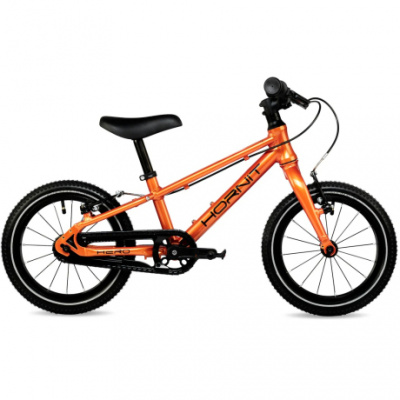
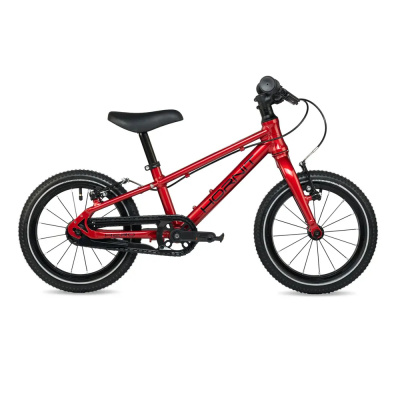
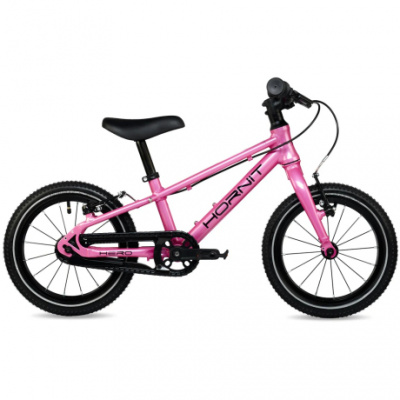
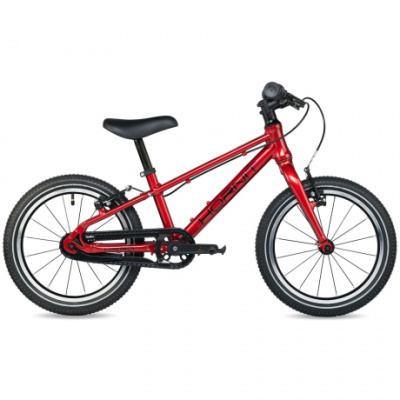
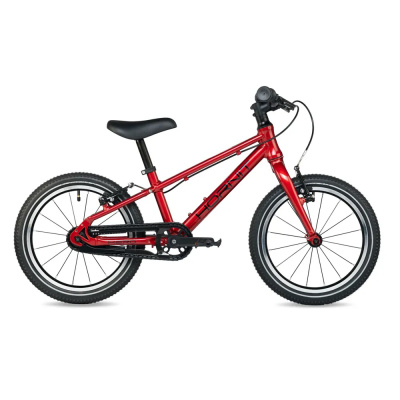
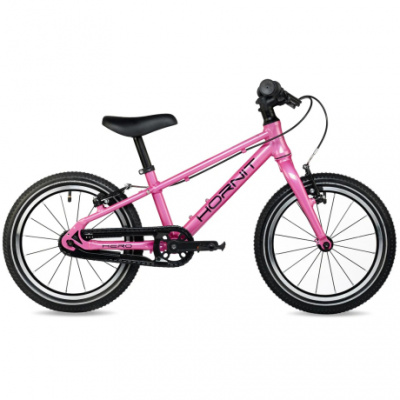
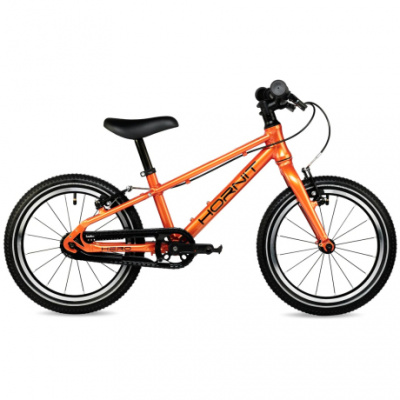
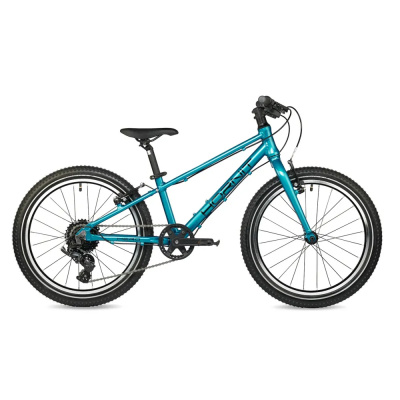
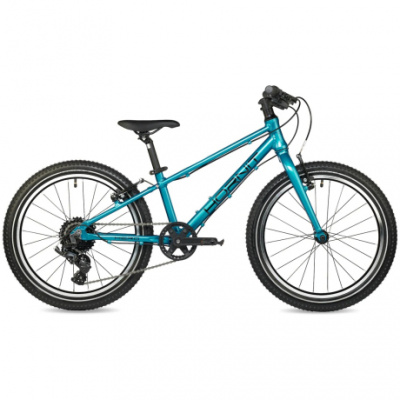
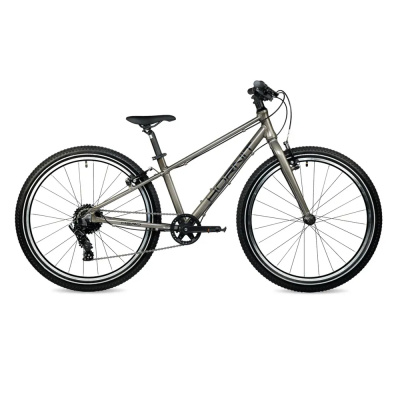
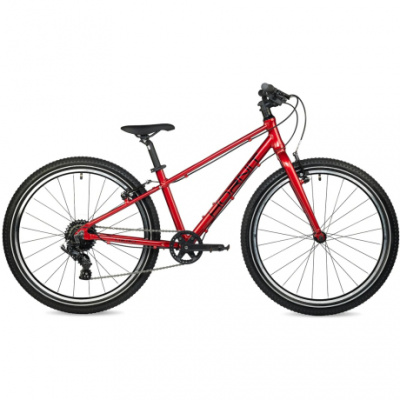
Hornit kids bikes have built a reputation on one simple premise: a heavy bike kills a child's enthusiasm faster than a rainy Sunday. The HERO pedal range is their answer to that problem, with some of the lowest weights you'll find at each wheel size. We're talking 5.2kg for the Hero 14 - a figure that matters enormously when the rider weighs around 15kg. That's not a marginal gain; it's the difference between a child who wants to keep pedalling and one who's asking to be carried home.
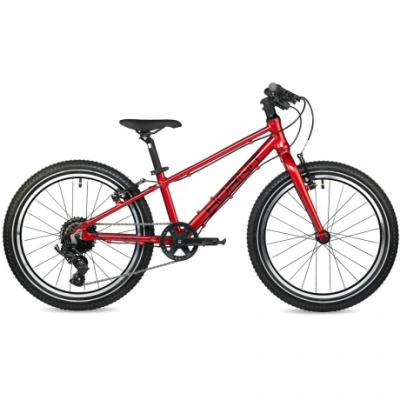
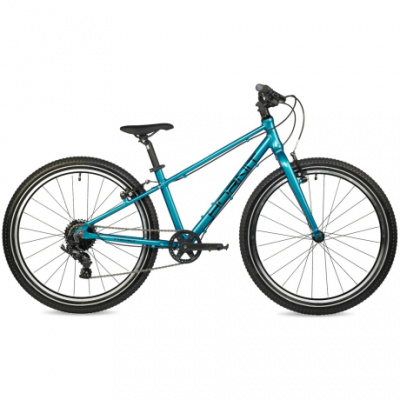
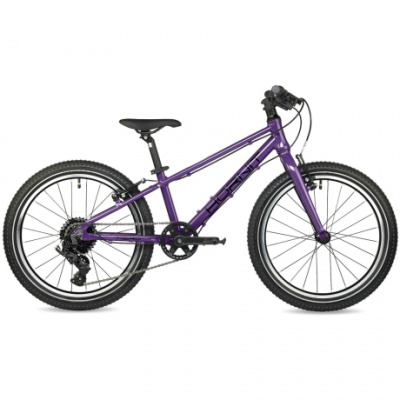
The HERO range covers 14-inch through to 24-inch wheels, so there's a bike for roughly age three up to early teens. Every size is built around child-proportional geometry - shorter reach, lower standover, narrower cranks - rather than just shrinking an adult frame and hoping for the best. The ultra-lightweight alloy frame construction also means these bikes handle damp UK shed storage far better than the steel bikes you'd find on the high street, which tend to seize up after a winter of neglect.
If you're after a pre-pedal option for a toddler, this isn't the page for that. Head over to our dedicated Hornit Balance Bikes page for the award-winning AIRO.
Prices and availability can change quickly. Delivery charges are not always included in listed prices.
Final price, stock status and delivery terms are set by retailer. We may receive a commission on purchases made.
The HERO Range from 14 to 24: What Changes as They Grow
The Hornit HERO lineup is structured around wheel sizes, and the progression is more thoughtful than a simple size chart suggests. The Hero 14 and Hero 16 are both singlespeed - deliberately so. At this age, kids are still building the coordination to balance, steer, and brake simultaneously; adding a gear shifter into that mix just creates confusion. Keep it simple, keep them moving.
Move up to the Hero 20 and Hero 24 and Shimano gearing enters the picture. By this stage, riders are tackling longer distances and the odd incline on the school run or a weekend park loop. Shimano's junior-appropriate groupsets give them a meaningful range without the complexity of adult-level shifting. The jump from singlespeed to geared is a real milestone, and the HERO range times it well against typical development stages rather than just matching it arbitrarily to wheel size.
The low standover height across all models is worth flagging specifically. Children need to be able to get a foot down confidently - especially at junctions or on unfamiliar ground. Frames that force a tip-toe dismount breed hesitation, and hesitation leads to tumbles. Hornit's geometry avoids that entirely. For comparison, Frog Bikes take a similarly child-first approach to frame design, so if you're weighing options at a specific size, that's a sensible alternative to look at alongside the HERO.
Why the Spec Sheet Numbers Actually Matter Here
The HERO ultra-lightweight 6061 aluminium frames are the headline, and the weight figures are genuinely class-leading. But the reason the weight matters deserves a bit more unpacking than just quoting kilograms. A child's weight-to-rider ratio is completely unlike an adult's. When a 15kg child is wrestling a 7kg bike, they're managing nearly half their own bodyweight. Drop that bike to 5.2kg and suddenly steering, lifting over a kerb, and picking it up after a tumble all become manageable rather than demoralising.
The child-specific narrow Q-factor cranks are less talked about but arguably just as important. Q-factor is the distance between the two pedals - adults can tolerate a wider stance without noticing, but children with narrower hips end up splaying their knees outward on standard-width cranks. That's inefficient, and over time it's uncomfortable. Hornit's narrower crank spacing keeps a child's pedalling action natural, which translates directly into less fatigue on longer rides.
Then there are the proportional short-reach Tektro V-brakes. This is a detail that budget bikes routinely ignore, and it's genuinely dangerous when they do. If a child can't fully compress a brake lever with one hand, they can't stop predictably. Tektro's short-reach levers are sized so that small fingers can generate proper braking force without stretching. It sounds like a small thing until you're watching a child sail through a junction because they couldn't squeeze hard enough. Worth noting that Cube's kids range also pays attention to brake ergonomics at the upper end of their lineup, though Hornit applies it consistently even at the smallest sizes.
Pair any of these bikes with a well-fitted lid from the Hornit kids helmets range and you've got a setup that's actually proportioned for how a child rides, not just scaled down from adult kit.
Hornit HERO Bikes in Everyday UK Riding Conditions
Let's be honest about how kids' bikes actually live in this country. They get ridden through puddles in the park, leaned against wet fences, and left in sheds that smell faintly of last winter. The ultra-lightweight alloy frame construction - specifically 6061 aluminium - handles that environment far better than the painted steel you get on supermarket bikes. Steel frames and forks left in a damp shed will start to corrode at the joints within a season; 6061 alloy just doesn't have that problem.
The Kenda tyres fitted across the HERO range are a sensible choice for the mixed surfaces most UK kids actually ride. Rolling resistance is low enough that tarmac school runs don't feel like hard work, but there's enough tread pattern to grip on wet park grass and muddy towpath edges without the bike squirrelling around. They're not specialist mud tyres - you wouldn't take them onto a proper trail - but for the typical Saturday morning ride across a damp recreation ground, they do the job without complaint.
Quality bearings matter here too. Cheap bearings in the headset and bottom bracket are what cause bikes to feel notchy and heavy after a few months of UK riding. Hornit's spec choices at these contact points mean the bikes continue to roll freely rather than developing that crunchy, resistant feel that makes parents assume the child is just being lazy when actually the bike is fighting them.
One practical note: if your child graduates from the Hornit balance bike range, the transition to a HERO pedal bike tends to be noticeably smoother than moving to a heavier alternative. The weight and geometry remain in a similar register, so the learning curve is less steep than it would be jumping onto a steel bike with adult-proportioned components.
Hornit Kids Bikes FAQs
Are Hornit bikes good for kids?
Hornit bikes are well-regarded precisely because they don't treat children as small adults. The ultra-lightweight alloy frames, narrow Q-factor cranks, and short-reach brakes are all sized for how children actually move and grip. Compared to heavier steel alternatives, they're noticeably easier to handle, steer, and stop - which keeps kids riding rather than giving up.
What age is a 14-inch Hornit bike for?
The Hero 14 is generally suited to children aged three to five. That said, age is a rough guide - inside leg measurement is more reliable. Check Hornit's minimum saddle height against your child's inseam before buying, as there's meaningful variation in leg length at that age range.
How much does a Hornit Hero weigh?
The Hero 14 comes in at 5.2kg, which is genuinely light for a 14-inch pedal bike. To put that in context, some comparable steel bikes at this size weigh closer to 7-8kg. For a child who weighs around 15kg, that difference is felt immediately - less effort to pedal, easier to pick up, and far less fatiguing on any ride longer than a lap of the garden.