
Hope Tech MTB Wheels
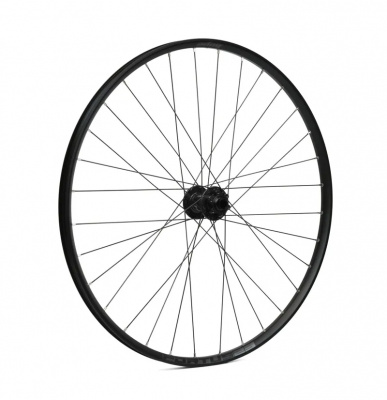
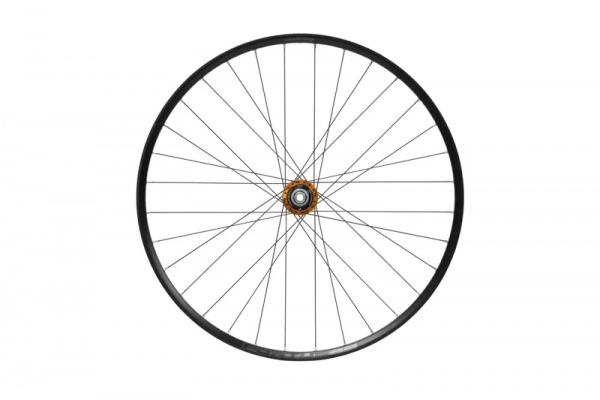
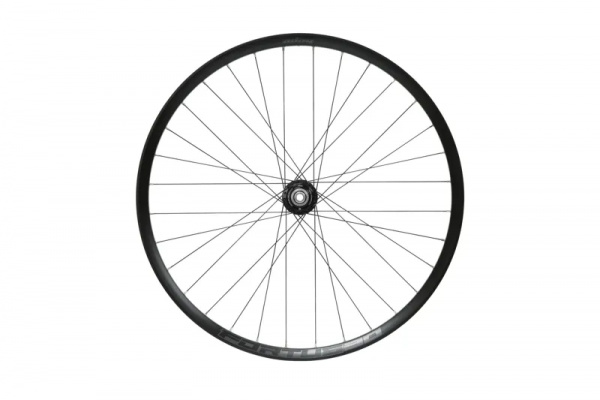
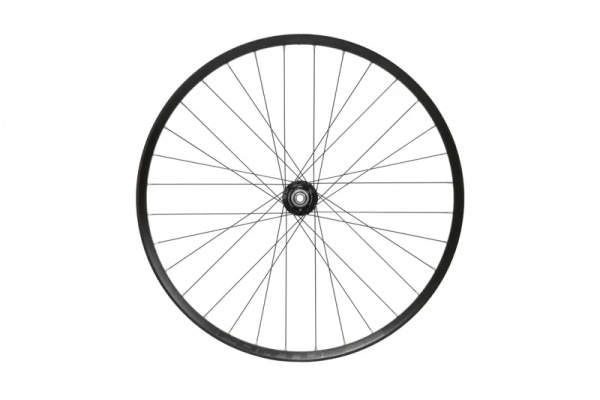
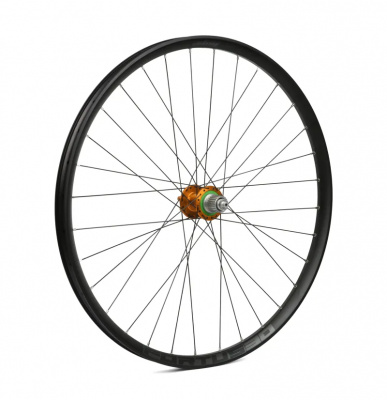
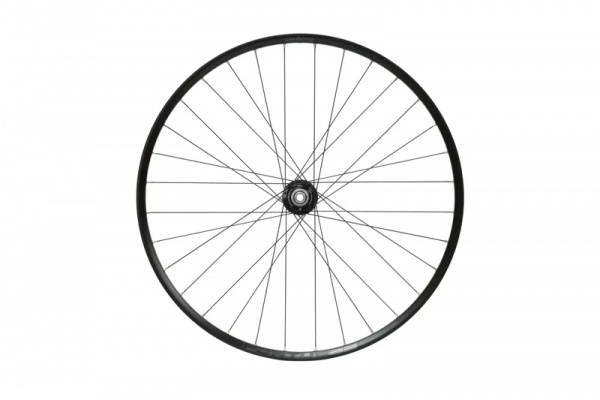
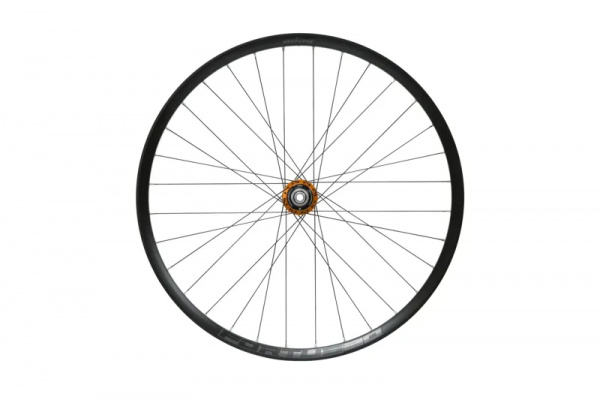
Hope MTB wheels are machined in Barnoldswick, Lancashire, and they're about as close to overbuilt-by-design as the mountain bike world gets. Built around the legendary Pro 5 hub, every wheelset in the Hope range delivers 108 points of engagement via an offset 6-pawl system - that's near-instant power pickup the moment you stop coasting and start sprinting. Zero-drag labyrinth seals sit behind the freehub body to keep moisture and Peak District grit from grinding your bearings into paste. These aren't wheels that need coddling.
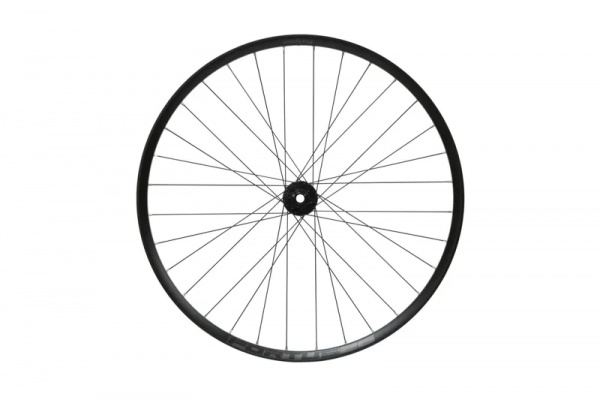
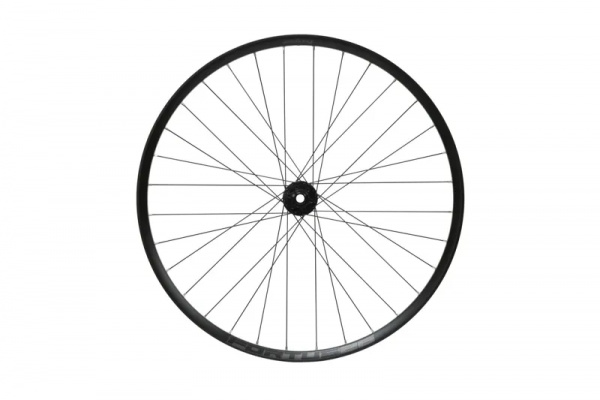
Paired with Hope's Fortus rim range, you get a complete wheelset engineered for real UK riding - not optimised for a controlled test loop in the sun. The Fortus rims come in two distinct internal widths to suit everything from aggressive trail riding to full downhill abuse, and every option arrives tubeless ready straight from the box. Whether you're running a long Welsh descent or grinding through a muddy winter loop in the Peaks, these wheels are built to outlast the conditions and, quite possibly, the frame they're bolted to.
If you want fit-and-forget reliability with a UK service network behind it, Hope is the answer most mechanics reach for first.
Prices and availability can change quickly. Delivery charges are not always included in listed prices.
Final price, stock status and delivery terms are set by retailer. We may receive a commission on purchases made.
Will They Fit Your Bike? Axle Standards and Rotor Mounts Explained
Hope MTB wheels span the full spread of modern axle standards, so the short answer is: almost certainly yes. The most common build is Boost 148mm rear spacing, which covers the vast majority of trail and enduro frames made in the last several years. Super Boost 157mm options are available for longer-travel and e-MTB frames that need the wider hub flange stance for extra wheel stiffness, and older standard 142mm configurations still feature in the range for riders on pre-Boost frames. Front axles follow the same logic, with 110mm Boost and 100mm standard both covered.
On rotor mounts, Hope gives you the choice between 6-bolt and Centerlock across most builds. Six-bolt is still the most widely compatible option if you're mixing and matching rotors from different brands, while Centerlock suits riders already running a Shimano ecosystem. Freehub bodies are where things branch further - Hope supports Shimano HG, Micro Spline for Shimano's 12-speed micro-sprocket cassettes, and SRAM XD for 10-tooth-compatible drivetrains. Swapping between them is straightforward, but if you need conversion end caps or replacement freehub bodies, our Hope Tech spares section and the dedicated adapters category are the right places to look rather than trying to retrofit parts not designed for the job.
If you're weighing Hope against alternatives from DT Swiss or Industry Nine, compatibility across these same standards is broadly similar - the difference is in how Hope handles serviceability and sealing once the mud starts flying.
Fortus 26 vs Fortus 30: Picking the Right Rim Width
Hope's Fortus rim range isn't a single product with a single purpose - there's a clear split between the two main profiles, and getting this right matters more than most riders expect.
The Fortus 26 has a 26mm internal width, which is the better match for trail and enduro riding. It works well with tyres in the 2.4 to 2.5 inch range, giving enough support to hold the tyre casing square under hard cornering without over-stretching a tyre designed for a narrower bed. It's the wheel most riders at trail centres like Glentress or Bike Park Wales will want - capable, stiff enough for hard hits, and not carrying excess weight where you don't need it.
The Fortus 30 is a different animal. Its 30mm internal width is backed by a dual-cavity extrusion - essentially a second structural wall inside the rim - that bumps the strength rating up to downhill and e-MTB levels. It's noticeably heavier than the Fortus 26 as a result, which is the trade-off you accept for a rim that won't fold on a square-edged rock at speed. If you're running a dedicated DH bike or a heavy e-MTB that sees genuine abuse, the Fortus 30 makes sense. For general trail riding, it's more rim than you need.
Both rims are tubeless ready with tape and valves included, so setup is a straight sealant-and-pump job rather than a wrestling match with conversion kits.
The hub underpinning both is the Pro 5, which is a meaningful step up from its predecessor. The Pro 4 ran 44 points of engagement - decent, but noticeable lag compared to the Pro 5's 108 points of engagement. Beyond the ratchet count, Hope redesigned the Pro 5 with a stiffer hub shell, larger diameter bearings fore and aft, and the new labyrinth seal system that creates a zero-drag barrier against water ingress without adding preload to the bearing. It's a refinement rather than a reinvention, but the cumulative effect on rolling feel and longevity is real. Pair a set with Hope headsets or Hope bottom brackets and you're building a drivetrain that can be serviced by any mechanic in the country without specialist tooling.
Keeping Hope Wheels Running Through a UK Winter
Here's the thing about UK winters - the mud isn't just mud. Riding in the Peak District, you're effectively coating your hubs in a fine abrasive paste from the gritstone that gets into everything. Standard cup-and-cone bearings with mediocre seals turn grey and gritty within a season. Hope's stainless steel cartridge bearings and the labyrinth seal design are the direct engineering response to that problem. The seals sit in a non-contact labyrinth path that physically redirects moisture away from the bearing face rather than relying on lip-seal pressure, which means no extra drag and no seal wear over time.
Servicing is also genuinely tool-free for the end caps - you can pop them off, drop the freehub, clean everything out and re-grease in about five minutes at the boot of the car. That matters when you're trying to squeeze a ride in before dark. It's also why these wheels have a strong reputation among mechanics who work on them regularly: nothing is pressed in awkwardly, nothing needs a proprietary puller.
When bearings do eventually need replacing - and they will, just later than most - head to our bearings category for the correct replacements. For greases and lubes suited to Hope hubs, the oils and lubes section has what you need, and if you're building a proper service kit, the tools category covers the basics. Compared to brands like Halo, which make solid budget-friendly options, Hope's serviceability advantage really shows itself over a multi-year ownership period in wet-climate riding.
Hope Tech MTB Wheels FAQs
Are Hope Fortus wheels tubeless ready?
Yes. Every Hope Fortus wheelset ships tubeless ready, with rim tape and valves already fitted. You just need your sealant of choice and a track pump - or a compressor if you're running particularly loose tyre beads. There's no conversion faff involved.
What is the difference between Hope Pro 4 and Pro 5 hubs?
The Pro 5 moves from 44 to 108 points of engagement for noticeably faster pickup. Hope also redesigned the hub shell to be stiffer, fitted larger bearings for improved load capacity, and added the new labyrinth seal system that reduces drag and keeps water out more effectively than the Pro 4's setup.
Can I change the axle spacing on my Hope wheels?
Yes, Hope hubs use interchangeable end caps, so switching between quick-release, standard thru-axle, and Boost configurations is straightforward. One important caveat: you can't convert a 142mm standard hub shell into a genuine 148mm Boost hub - the physical shell width is different and the end caps only adjust the axle interface, not the overall hub width.