
Giant MTB & Gravel Shoes
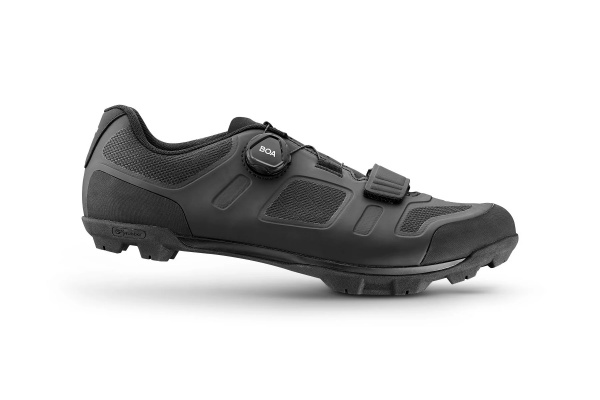
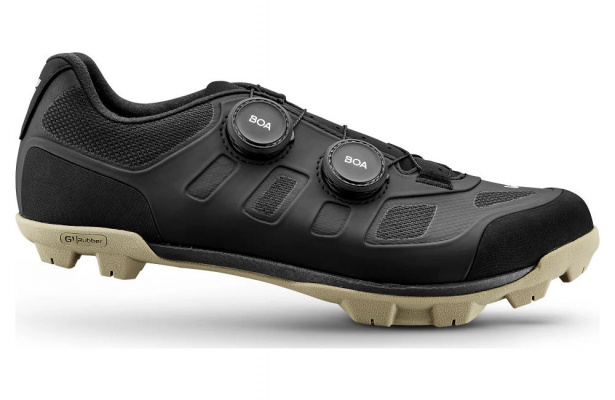
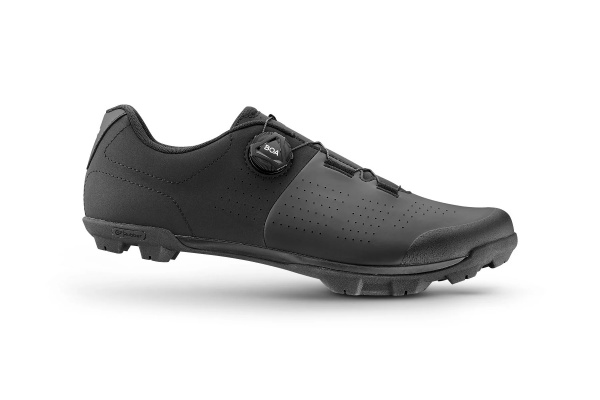
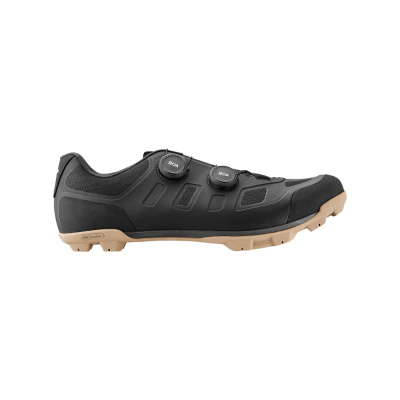
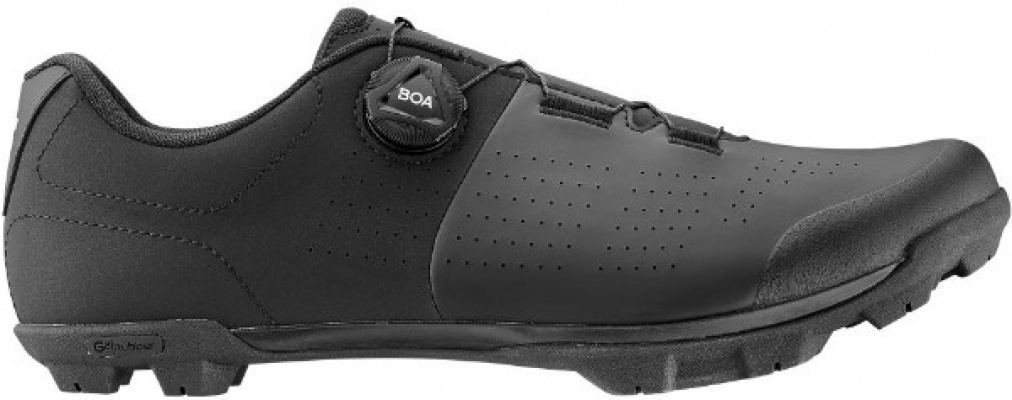
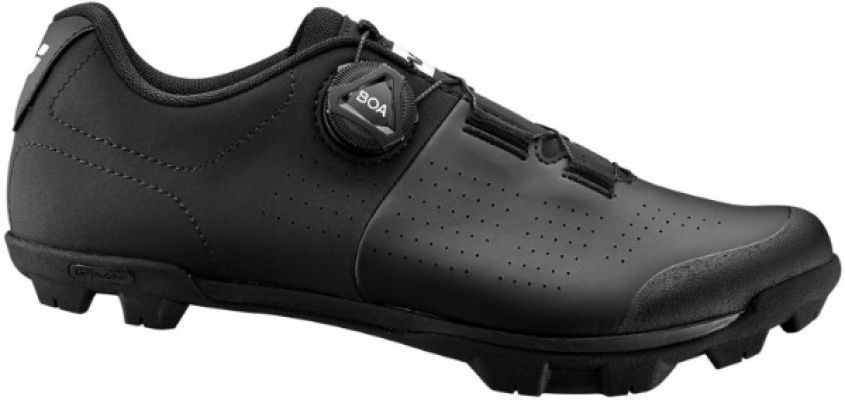
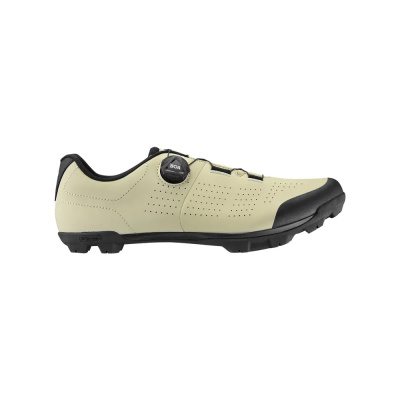
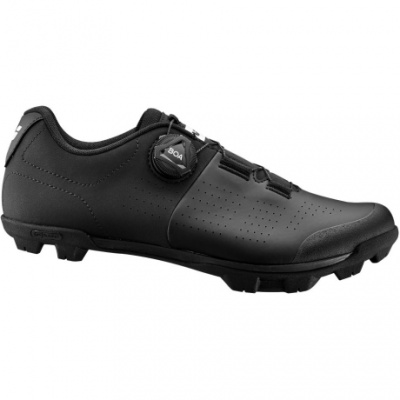
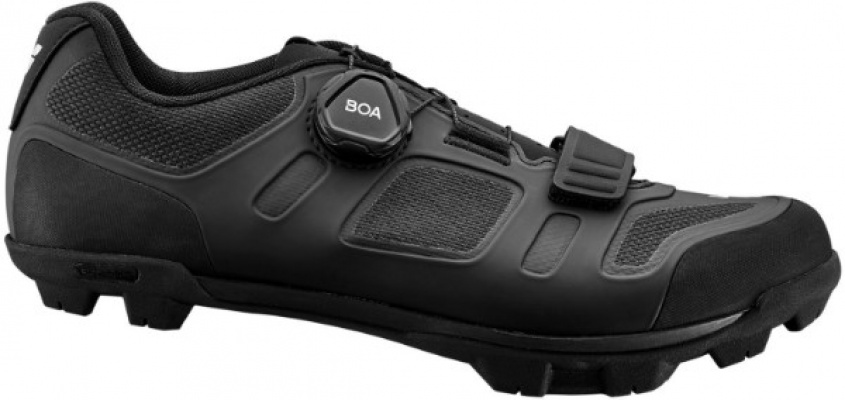
Giant MTB and gravel shoes cover a serious amount of ground - from muddy cyclocross starts and multi-day bikepacking routes to steep enduro laps where you're carrying the bike as much as riding it. At the core of the range sits Giant's Motion Efficiency System (MES), a biomechanical framework that pairs stiff forefoot power transfer with controlled torsional flex through the ExoBeam sole. The result is a shoe that drives cleanly through the pedal stroke without cooking your knees and calves on longer days out.
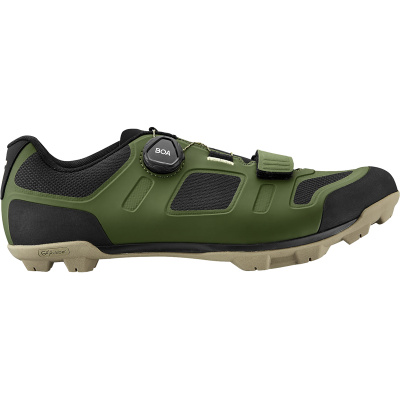
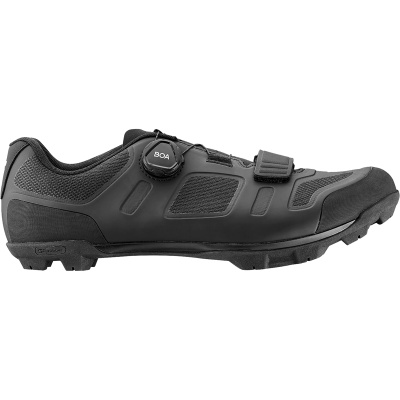
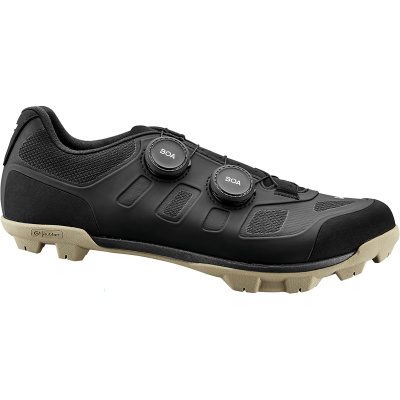
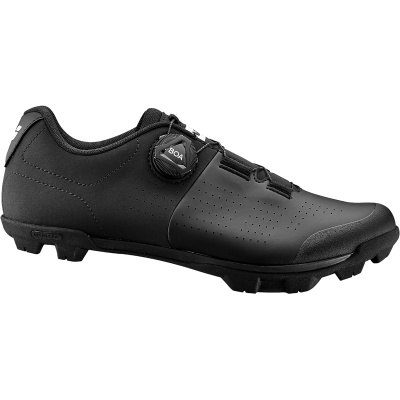
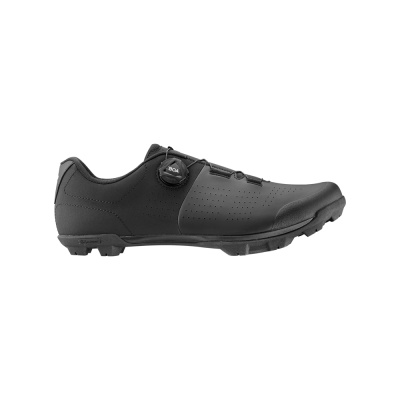
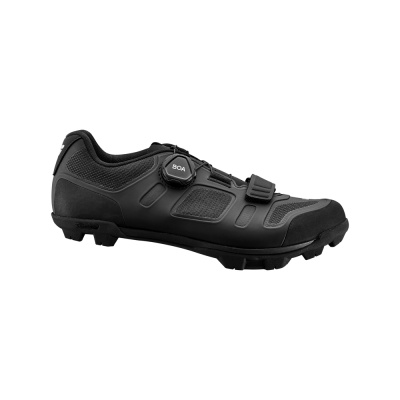
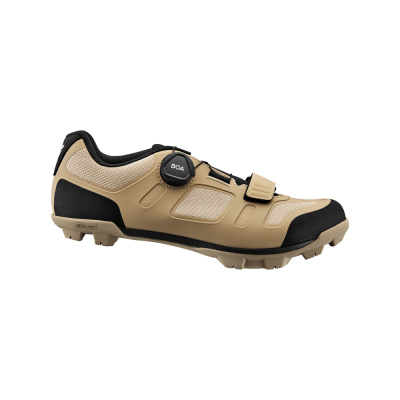
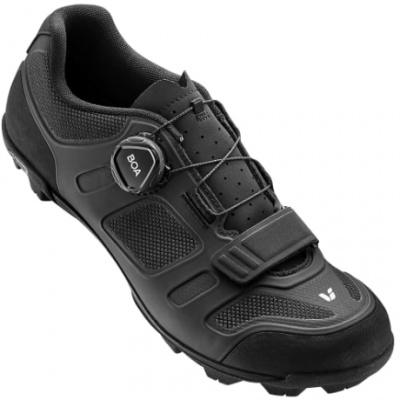
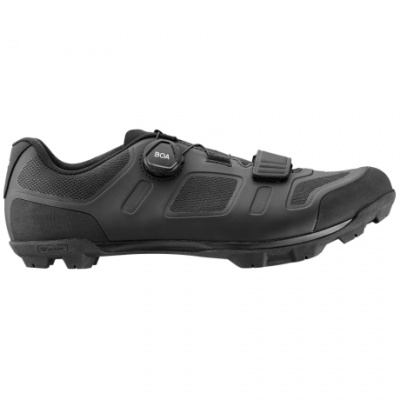
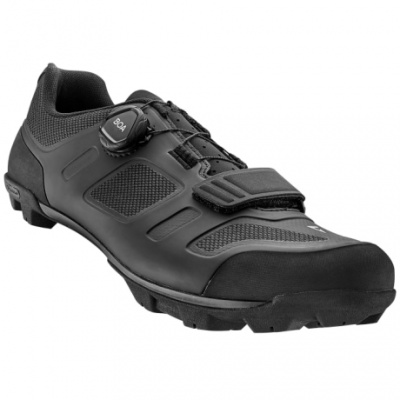
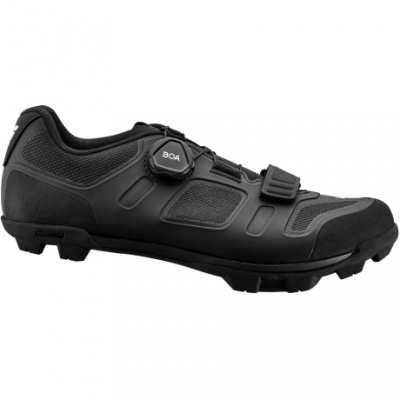
The range splits into clear disciplines. The Charge series targets XC and gravel racing with lightweight, carbon-reinforced construction. The Line covers trail and enduro clipless riding with a tougher, more protective build. And the Shuttle series handles flat-pedal gravity riding, where grip and walkability matter as much as anything else. Across all of them, you get water-resistant PU uppers that handle British puddle-dodging without turning into sponges, and Slip-Not rubber tread that actually bites on slick chalk downhills or wet roots when you're shouldering the bike. Giant off-road cycling shoes are a well-considered range - find the right model for how you ride below.
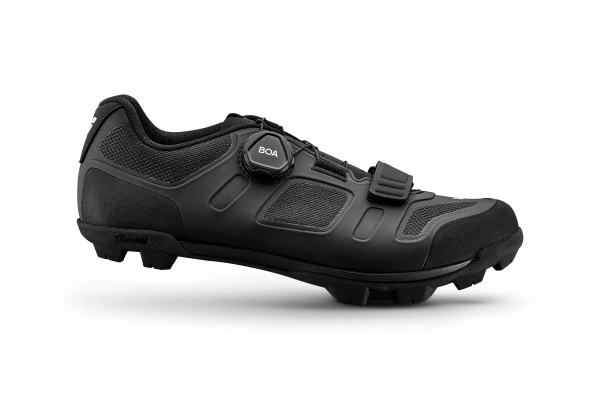
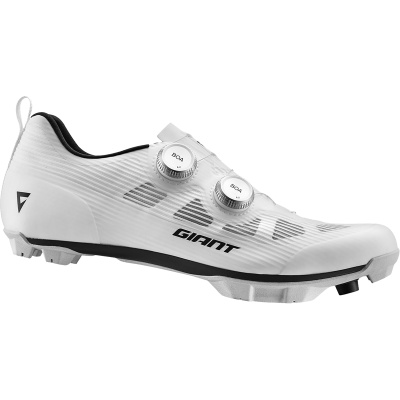
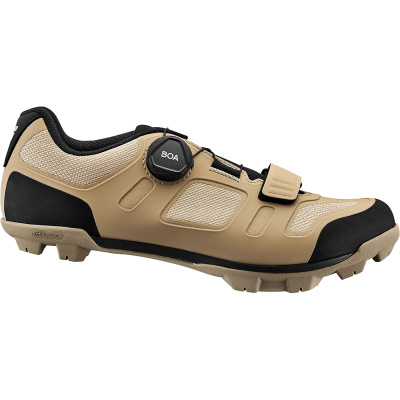
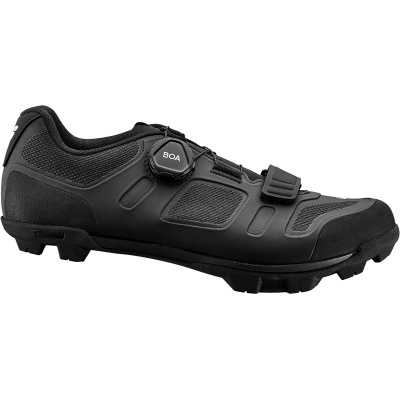

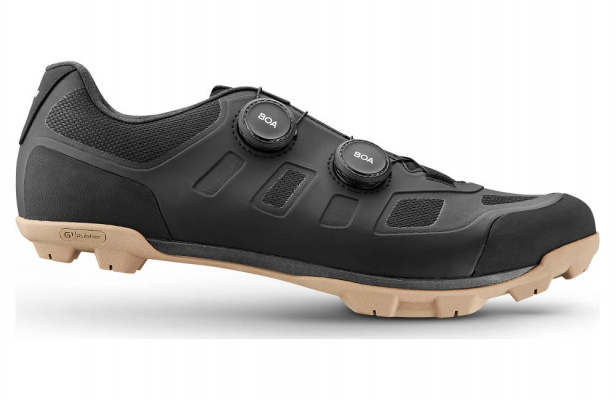
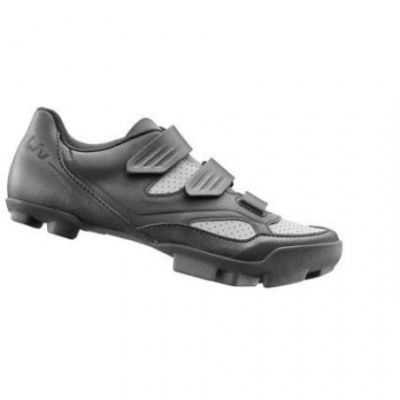
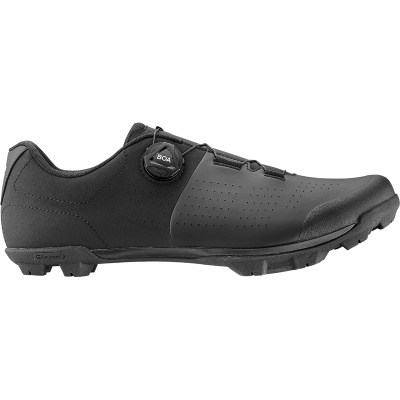
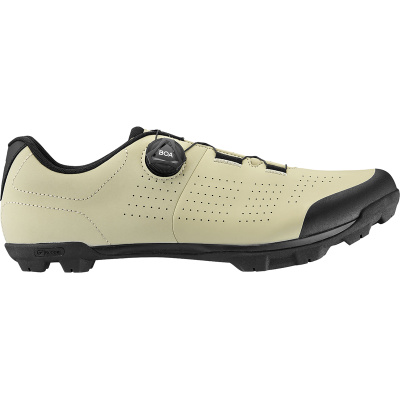
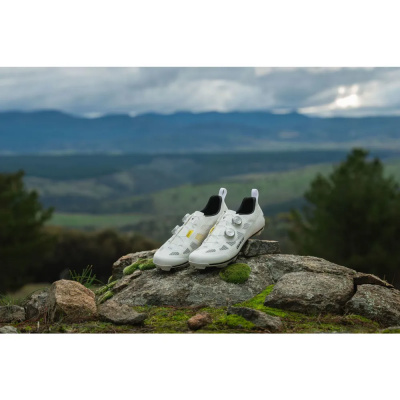

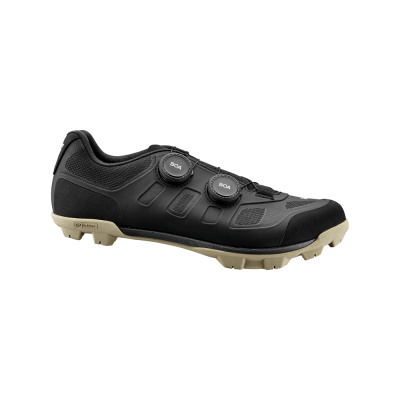
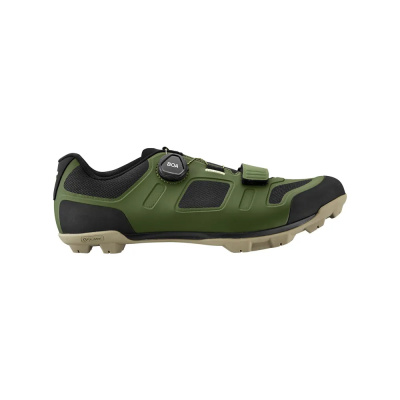
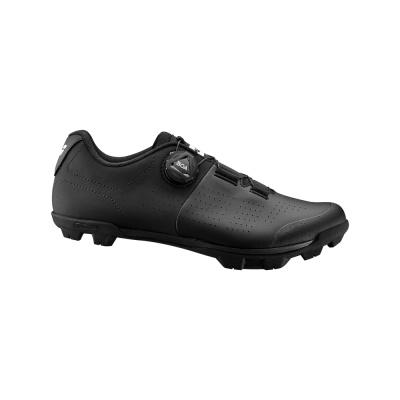
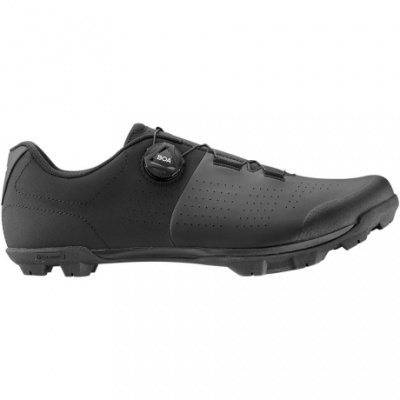
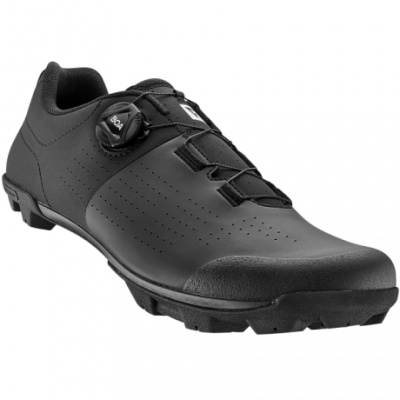
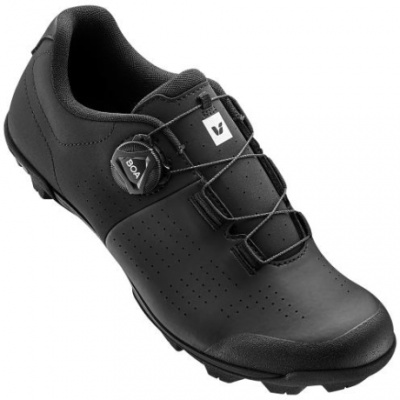
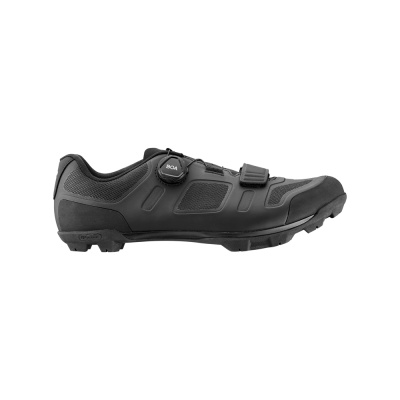
Prices and availability can change quickly. Delivery charges are not always included in listed prices.
Final price, stock status and delivery terms are set by retailer. We may receive a commission on purchases made.
Upper Materials and How They Handle the Dirt
Giant uses high-density PU across much of the range, and it earns its place. It wipes clean after a blast through the Peak District gale-force mud season, resists puddle splash without absorbing water like a sponge, and holds its shape over time better than some cheaper synthetic options. It's not a breathable mesh, so on dry summer gravel rides you'll notice more warmth inside the shoe - but Giant addresses that with laser-cut ventilation ports that draw air through without compromising the upper's structural integrity.
The Slip-Not rubber tread is one of the more practically useful features in the range. The sole lugs are spaced and angled to shed mud between pedal strokes, which keeps your cleat engagement clean rather than clogged. Off the bike, that same tread gives you real grip on wet grass verges and chalk banks - the kind of hike-a-bike sections that turn into a liability in shoes with flat, hard soles. Giant clipless MTB shoes use a 2-bolt SPD-compatible cleat recess, so the cleat sits recessed within the tread and doesn't skate on smooth café floors or rock slabs. If you're comparing sole traction at this level, Northwave MTB & Gravel Shoes and Giro MTB & Gravel Shoes are the closest rivals worth looking at, though Giant's MES integration sets a distinct biomechanical brief that those brands approach differently.
How the Range Breaks Down and What the Fit Is Like
Three families, three jobs. The Charge - including the carbon-soled Charge Pro - is built for riders who want minimal weight and maximum stiffness on XC or gravel race days. The ExoBeam sole here is at its most rigid in the forefoot, channelling every watt cleanly into the pedal. It's the shoe you clip in with at the start line. The Line sits in the middle: still clipless, still stiff enough for spirited trail riding, but with a more protective build and a slightly more walkable sole profile suited to technical enduro-style loops where you're regularly off the bike. The Shuttle is the flat-pedal option - sticky rubber, grippy lug pattern, and a sole flexible enough to feel the platform beneath your foot.
Across the range, Giant runs a standard width profile - not as wide as some Shimano options, not as narrow as dedicated race lasts. Most riders find them true to size. The ExoWrap arch support system is worth understanding because it works differently from standard footbeds. Rather than simply pushing up from beneath the arch, ExoWrap wraps the arch laterally, pulling the midfoot into the shoe for a more custom, locked-in feel. It's a meaningful difference on long gravel days when foot fatigue sets in, and it helps prevent the hot-spot pressure you sometimes get from rigid soles on rougher tracks.
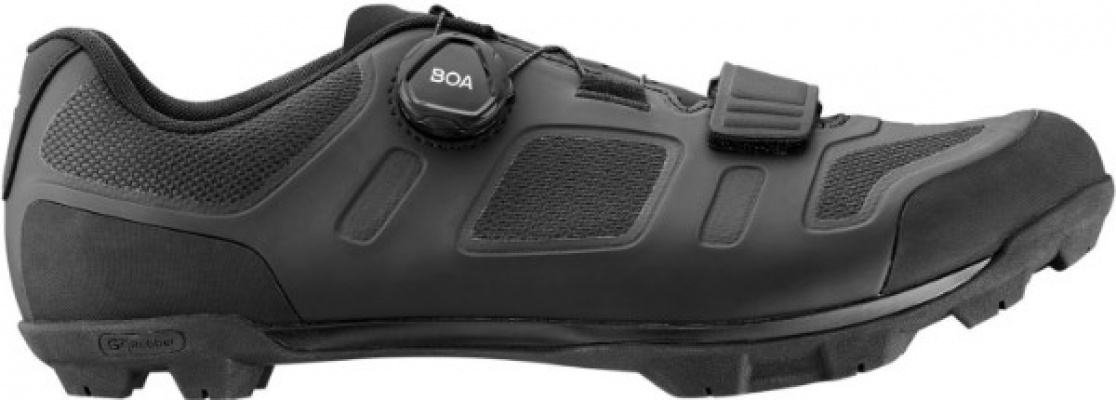
BOA dial configurations vary across the price points. Entry-level models typically run a single BOA L6 dial with a strap, which is perfectly capable. Step up and you'll find dual BOA Li2 micro-adjust dials, letting you tune forefoot and ankle tension independently - genuinely useful when your feet swell over a long ride. If you want to dial in cleat position precisely alongside your shoe fit, pairing your Giant gravel bike shoes with Giant Cleats ensures a compatible, correctly torqued setup from the start. For those running Fizik MTB & Gravel Shoes at the moment, the width and BOA feel are comparable, though Giant's ExoWrap gives a more dynamic midfoot wrap.
Keeping Them Going Through a UK Riding Year
British riding is four seasons in one month, sometimes one morning. Giant's PU uppers handle that reasonably well, but a bit of routine care goes a long way. After a muddy session on the South Downs or a boggy Scottish winter loop, let the shoes dry naturally at room temperature - don't put them near a radiator or shove them next to a boiler. Direct heat degrades the adhesive bonding the sole to the upper, and once that starts peeling, it's a losing battle.
BOA dials are robust but collect grit in the ratchet mechanism over time. A soft brush - an old toothbrush works fine - run over the dial face and around the lace port after muddy rides keeps them clicking cleanly. If a dial gets sticky, BOA's replacement system means you can order a direct swap; it's a ten-minute job. For the uppers, a damp cloth after each ride and an occasional wipe with a mild saddle soap keeps the PU supple and stops salt residue from cracking the material over a winter.
On sizing for winter: if you're planning to ride through December and January in thick waterproof Merino socks - sensible on anything north of the Midlands - go half a size up from your usual. The standard fit is snug enough that doubling up on sock weight will compress your toes in the forefoot, which kills circulation fast in cold conditions. Match your shoes with appropriate rubber and you'll extend your season considerably - Giant MTB Tyres or Giant Gravel and Cyclocross Tyres are the obvious starting points if you're building a complete winter setup.
One last practical note on the Giant Charge Pro vs Line question that comes up regularly: the Charge Pro's stiffer carbon sole makes it noticeably less comfortable to walk in, so if your rides regularly include extended hike-a-bike sections - think technical Welsh trail centre climbs or loose gully scrambles - the Line's slightly more flexible build is the better daily choice, even if you lose a marginal few watts at the pedal. Know your rides, buy accordingly.
Giant MTB & Gravel Shoes FAQs
Are Giant MTB shoes true to size?
Giant cycling shoes fit true to size for most riders, with a standard width profile that suits average foot shapes well. If you plan to wear thick waterproof or Merino socks for UK winter riding, sizing up by half a size gives you the room you need without cramping the forefoot.
What cleats are compatible with Giant gravel shoes?
Giant clipless MTB and gravel shoes use a standard 2-bolt SPD-compatible cleat pattern. That means they work with Shimano SPD, Crankbrothers, and Time ATAC cleats - a wide enough ecosystem that you're unlikely to have compatibility headaches regardless of your pedal choice.
What is Giant ExoBeam technology?
ExoBeam is Giant's proprietary sole engineering that combines a stiff forefoot zone for efficient power transfer with controlled torsional flex through the midfoot and heel. The flex is engineered rather than accidental - it reduces lower leg strain on long rides and improves grip and stability when you're walking sections off the bike.