
Giant Kids Helmets
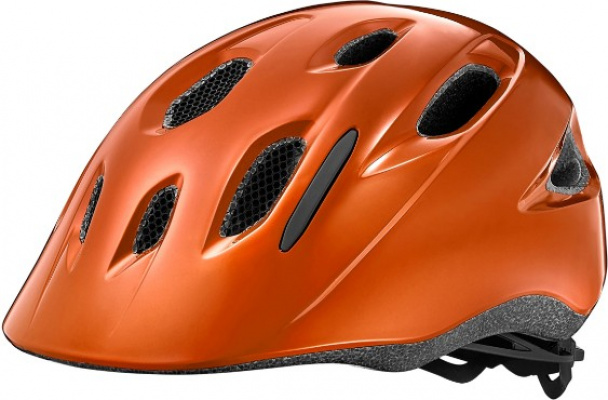
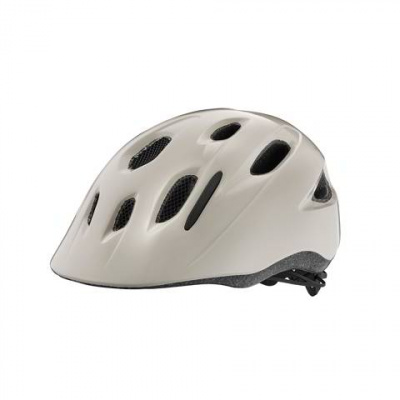
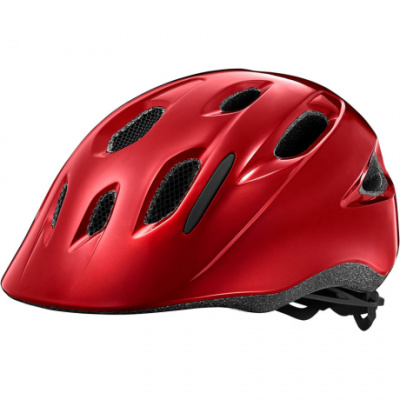
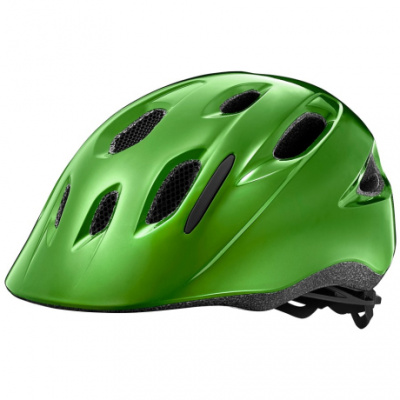
Giant kids bike helmets are built on the same protective principles as Giant's adult range - just scaled down, smartened up, and designed with parents firmly in mind. Two things matter most here: keeping small heads safe and making the pre-ride faff as painless as possible. Giant delivers on both. The Fidlock magnetic buckle snaps shut with one hand and won't pinch fingers, which is a genuinely underrated feature when you're crouching on a cold kerb trying to get going. The Cinch Jr. dial fit system lets you dial in a precise, level fit in seconds - no fiddly straps, no slipping helmet, no argument with a six-year-old who just wants to ride.
Protection runs from toddler-specific shells for balance bikes and trailer use right through to youth models with optional MIPS rotational impact protection for older, more adventurous riders. In-mold polycarbonate construction keeps the shell rigid and the weight low, while EPS foam handles the energy absorption. High-vis colour options and reflective detailing make these helmets sensible choices for the low-light realities of UK riding - short winter afternoons, school runs, evening laps of the local trail. Whether your child is wobbling down the garden path or threading through Haldon Forest singletrack, there's a Giant helmet sized and specced for them.
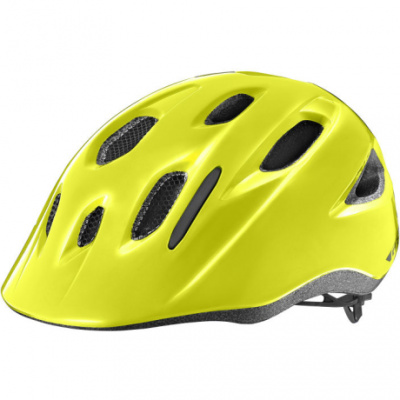
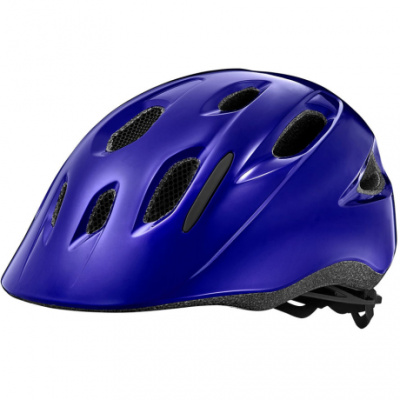
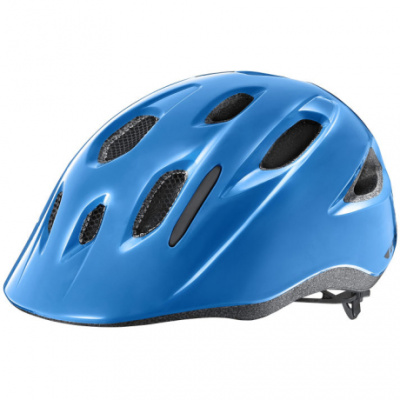
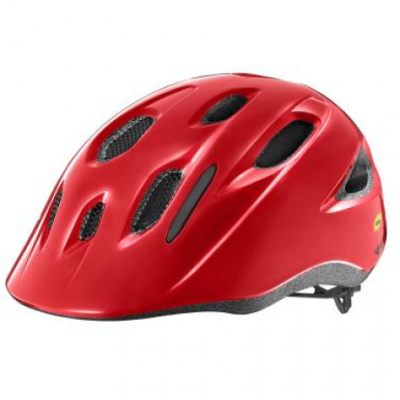
Prices and availability can change quickly. Delivery charges are not always included in listed prices.
Final price, stock status and delivery terms are set by retailer. We may receive a commission on purchases made.
Safety Tech and How These Helmets Handle UK Conditions
The foundation of every Giant kids helmet is an in-mold polycarbonate shell fused directly to the EPS foam liner during manufacture. This process bonds the two layers into a single rigid structure rather than just gluing a shell over foam - the result is a lighter, stiffer helmet that holds its shape better under impact. It's the same construction approach you'll find across quality adult helmets, and it matters for kids precisely because they're more likely to take unexpected tumbles.
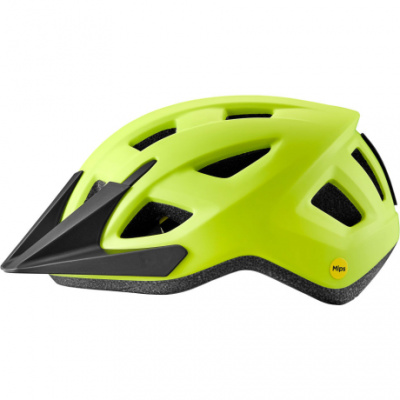
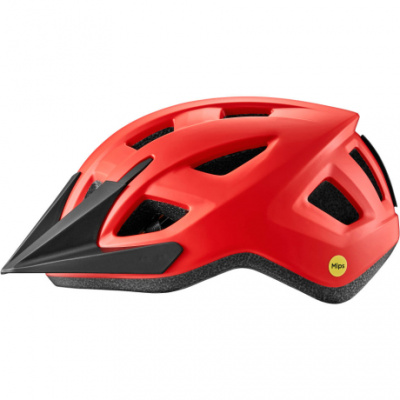
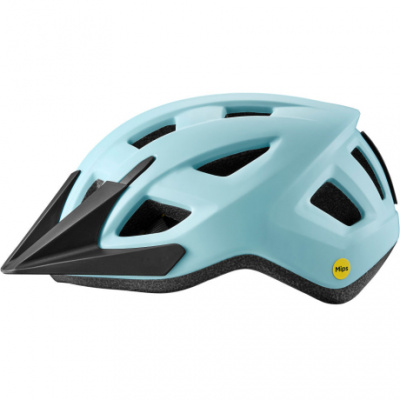
On select models, including the Giant Compel, you get MIPS protection - a thin, low-friction layer sitting between the foam and your child's head. In an angled impact (which is how most real-world crashes actually land), the MIPS layer allows a small, controlled rotation, reducing the rotational forces transmitted to the brain. It adds a modest amount to the overall weight but nothing a child will notice.
Ventilation is well-judged across the range. There's enough airflow to keep things comfortable during a warm Surrey Hills loop in August, but the vent channels aren't so aggressive that chilly headwinds become a problem on brisker days. Integrated bug nets on some models are a small but practical touch for summer evening rides when midges are doing their worst. Reflective decals on the shell add genuine visibility during the grey, drizzly conditions that make up a fair chunk of the British riding calendar. If you're looking at adult performance options, our Giant lights range pairs well for low-light family rides. For grown-up helmet choices, dedicated road or aero models sit in Giant's adult catalogue separately.
Understanding the Giant Kids Range and How It Fits
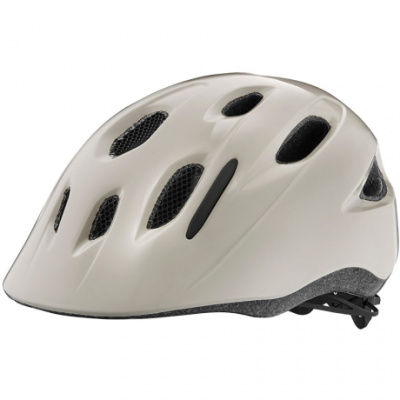
Giant structures its youth helmet range around age and riding stage, which makes it easier to pick the right lid without overthinking it. At the younger end, toddler-focused models like the Giant Hoot are shaped for smaller, rounder heads and sized from around 46cm. These are the right choice for balance bike use, trailer rides, and those early wobbling laps of the park. The priority here is a low-profile fit that doesn't tip forward or backward when a small head moves suddenly.
Older and more independent riders are better served by youth models like the Giant Compel, which offer a more coverage-focused shell, MIPS availability, and more sophisticated fit adjustment. These helmets push up toward 57cm at the top of the size range, accommodating the rapid head growth that catches parents off guard between seasons.
The Cinch Jr. dial fit system is the feature that genuinely separates Giant's kids range from cheaper alternatives. A single dial at the rear tightens or loosens the retention cradle in small increments, letting you get the helmet sitting level - two finger-widths above the eyebrows - without any faffing with straps. Critically, it means a helmet bought this spring can still fit correctly next autumn even after a growth spurt. The straps should form a V shape just below each ear; if you need to revisit that adjustment every few months as your child grows, the dial makes it a 30-second job rather than a 10-minute battle.
If Giant's range doesn't quite land on the right size or style for your child, it's worth comparing across Bell kids helmets and Giro kids helmets, both of which offer similarly structured youth ranges with comparable fit systems. Lazer kids helmets are another strong option if you're prioritising a very lightweight shell.
Keeping the Helmet Fresh and What UK Storage Does to Them
The TransTextura Plus anti-microbial padding inside Giant kids helmets is removable. After a sweaty summer ride - or the third school-run of the week - pull the pads out, rinse them with mild soap and cold water, and leave them to air dry before reinstalling. Don't put them in a tumble dryer; the adhesive backing won't thank you. Doing this every few weeks keeps the interior fresh and stops the kind of smell that makes children reluctant to put their helmet on.
Storage matters more than most parents realise. A UK shed in January - damp, cold, temperature-swinging - is genuinely bad for EPS foam over time. The foam can absorb moisture and become marginally less effective at absorbing impact energy. Keep helmets indoors when they're not in use. A hook inside the back door works fine. It also means you're less likely to miss visible damage before a ride.
Speaking of damage: replace the helmet immediately if it takes a hard drop onto tarmac or is involved in a crash, even if you can't see any cracking. EPS foam compresses on impact and doesn't spring back - the protection is used up whether or not the outer shell shows it. This applies equally to a helmet that gets knocked off a shelf onto concrete. The cost of a replacement is small relative to what it's protecting. Giant mudguards and a kickstand are practical additions if you're kitting out a child's bike properly - keeping the bike upright means the helmet on the handlebar is less likely to take an accidental fall.
Giant Kids Helmets FAQs
How do I measure my child's head for a Giant helmet?
Wrap a soft tape measure horizontally around your child's head, roughly one inch above the eyebrows and ears. Note the circumference in centimetres and match it to Giant's sizing chart - toddler sizes typically start at 46cm, with youth sizes running up to around 57cm. If your child sits between sizes, go larger and use the Cinch Jr. dial to fine-tune the fit.
Are Giant kids helmets MIPS certified?
Several models in the youth range, including the Giant Compel MIPS, include Multi-directional Impact Protection System technology. MIPS uses a thin low-friction layer to allow slight rotational movement during an angled impact, reducing the rotational forces transmitted to the brain. Not every model in the range includes it, so check the specific product listing if MIPS is a priority for you.
How long do Giant kids bike helmets last?
Plan to replace a kids helmet every three to five years as EPS foam degrades naturally over time, even with no visible damage. Replace it immediately after any crash or heavy drop onto a hard surface - EPS doesn't recover once it's compressed. You'll also need a new helmet sooner if your child outgrows the maximum adjustment range of the Cinch Jr. dial system.