
Giant Dropper Posts
Giant dropper posts sit in a part of the market that rewards common sense: straightforward cable actuation, a sealed air/oil cartridge that you swap rather than bleed, and anti-twist stanchions that keep your saddle pointing the right way when things get rowdy. The Contact Switch lineup is built for riders who'd rather be on the trail than in the workshop - and that approach suits UK conditions well.
Most Giant mountain bikes run a 30.9mm diameter seat tube, so the Contact Switch slots straight in without adapters. Internal cable routing is standard on modern frames, and Giant's posts are designed with that in mind from the outset. You get tool-free travel adjustment, a replaceable cartridge when the post eventually gives up, and enough travel options to suit everything from a steep Peak District hardtail to a full-travel enduro machine.
Where some rivals push hydraulic complexity, Giant keeps it mechanical and maintainable. The trade-off is a modest weight penalty on the standard Contact Switch compared to premium alternatives from RockShox or Fox - but for most riders, the serviceability more than compensates.
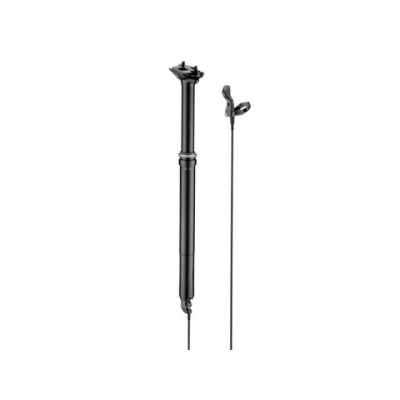
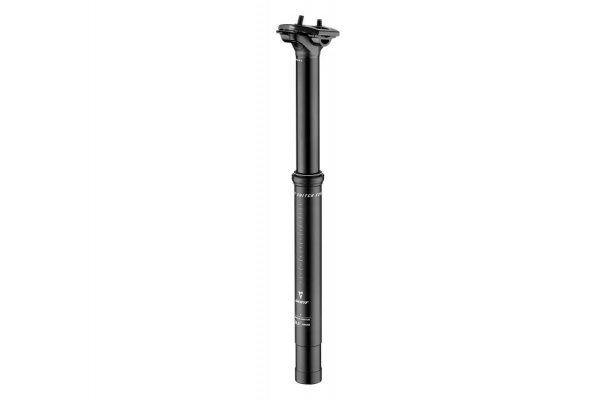
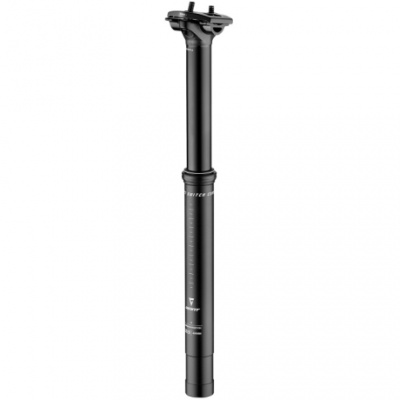
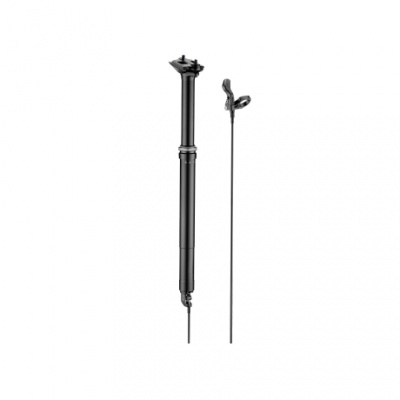
Prices and availability can change quickly. Delivery charges are not always included in listed prices.
Final price, stock status and delivery terms are set by retailer. We may receive a commission on purchases made.
Fitment Fundamentals: Getting the Right Post in the Right Frame
Before anything else, check your seat tube diameter. The vast majority of Giant MTBs use 30.9mm diameter seatposts - that covers Trance, Reign, Fathom and most Talon builds. A handful of newer e-MTB platforms have moved to 34.9mm diameter, so it's worth pulling out a tape measure or checking your frame spec sheet before you order.
Beyond diameter, insertion depth is the number riders most often overlook. Your frame has a minimum insertion mark, and the post needs to drop far enough below it to give you genuine saddle drop - not just a token 50mm of movement. Measure from your current saddle height down to the top of the seat tube collar; that figure tells you the maximum travel you can realistically run. Push it too far and the post bottoms out against internal cable guides or bottle cage bosses inside the frame.
Stack height - the distance from the frame's seat tube top to your saddle rails at full extension - matters too, particularly on shorter frames where geometry is already tight. Check Giant's published figures against your fit before committing to a longer-travel option.
Modern Contact Switch posts are designed for internal cable routing, which is standard across Giant's current MTB range. If you're fitting one to an older frame with external routing only, you'll need a compatible lever and housing run. It's not complicated, but worth confirming before your parts arrive.
Looking for remotes or replacement cartridges? Head over to our dedicated Giant Clamps page and check our Giant seatpost spares listings to complete your setup.
Contact Switch vs Contact SL Switch: Where the Money Goes
Giant runs two distinct dropper tiers, and the difference is more than a badge.
The standard Contact Switch is the workhorse. It uses a heavier alloy construction, a reliable cable-actuated actuator, and on older versions offered fixed travel rather than on-the-fly adjustment. It's honest, durable kit - the kind of post that'll handle a season of Welsh trail centre riding without drama. If you're upgrading from a basic OEM post or fitting out a mid-range hardtail, this is where to start.
The Contact SL Switch is where things get more interesting. The SL designation brings a lighter overall build, a more refined actuator with crisper lever feedback, and - crucially - Giant's Contact Switch tool-free travel adjustment system. That means you can change travel in 5mm increments using internal spacers without touching a single bolt in the traditional sense: unthread the collar, add or remove spacers, retighten. It takes minutes. For riders who share a bike between different loop lengths, or who are still dialling in their preferred drop, that flexibility is genuinely useful rather than a spec-sheet tick.
The weight saving between the two isn't dramatic - we're talking grams rather than hundreds of grams - but the refined feel at the lever and the adjustability make the SL worth the step up if your budget stretches. If not, the standard Contact Switch won't let you down. It's a credible alternative to value-focused options like Brand X or PNW Components, particularly once you factor in Giant's dealer network for warranty support.
Both posts share the same fundamental architecture: replaceable sealed air/oil cartridges that require zero bleeding. When a post sags or loses return speed, you're replacing a self-contained unit rather than wrestling with syringes and bath towels. That's a meaningful advantage.
Keeping It Running Through a UK Winter
A dropper post in Britain earns its keep. Gritty, waterlogged trails - think Scottish winter riding or a January session in the Brecon Beacons - are hard on wiper seals, and a contaminated seal is the most common reason a post becomes sluggish or sticky. Grit works its way under the collar and acts like fine sandpaper on the stanchion, creating stiction that makes the post feel vague and slow.
The fix is straightforward: clean the stanchion regularly. After a muddy ride, wipe the exposed shaft down before you put the bike away. Every few months, apply a thin film of suspension grease just under the wiper seal collar - it keeps the seal supple and stops ingress. Five minutes of attention saves a cartridge replacement.
Internal cable corrosion is the other culprit behind sluggish actuation. Water travels down housing into the frame and sits at the low point of the cable run, corroding the inner wire until lever pull becomes heavy and inconsistent. Replace the inner cable annually if you ride through winter - it's a cheap fix and the difference in lever feel is immediate. Pair that with fresh Giant grips while you're at the workshop and your cockpit feels like a new bike.
Giant's Anti-Twist technology uses keyed stanchions to stop the saddle rotating under load - useful on technical lines where you're throwing the bike around. It's a detail that matters more than it sounds when your saddle starts to creep sideways mid-descent. The sealed cartridge design means that if you do push the post beyond its service life, the replacement process is clean and contained: no bleed kit, no mess, no specialist tools. Swap the cartridge, bleed the cable tension, ride.
If you're also thinking about Giant MTB tyres for winter grip, sorting both in one go makes sense - wet roots and loose grit demand the right rubber as much as a functioning dropper.
Giant Dropper Posts FAQs
How do I adjust the travel on a Giant Contact Switch dropper post?
On Contact SL Switch posts with tool-free adjustment, unthread the main collar at the top of the post, then add or remove the internal spacers to change travel in 5mm increments. Retighten the collar and you're done - no tools, no cable disconnection required. Older standard Contact Switch models with fixed travel don't offer this adjustment.
What size dropper post do I need for my Giant mountain bike?
Most Giant MTBs use a 30.9mm seat tube diameter, so start there. Then measure the available insertion depth in your frame - the post needs to sit far enough below the minimum insertion mark to deliver your desired travel without the post protruding excessively. Check Giant's frame spec or your current saddle height to confirm maximum usable travel before ordering.
Why is my Giant dropper post sticking or slow to return?
Nine times out of ten it's either a dirty wiper seal or a corroded inner cable. Wipe the stanchion down and apply a light suspension grease under the collar to address seal stiction. If the lever feels heavy or vague, replace the inner gear cable running from your lever to the actuator - inner cables corrode quickly in wet conditions and it's a quick, cheap fix.