
Fidlock Saddle Bags
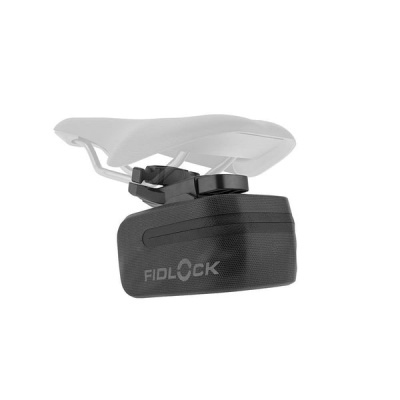
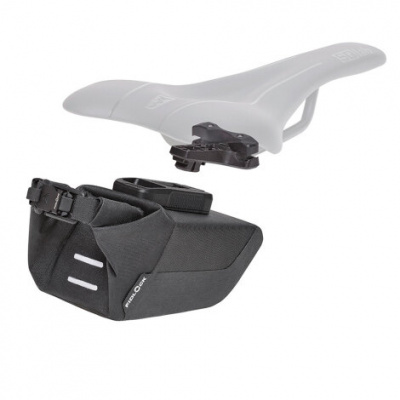
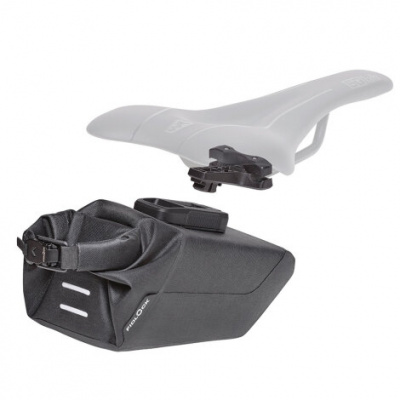
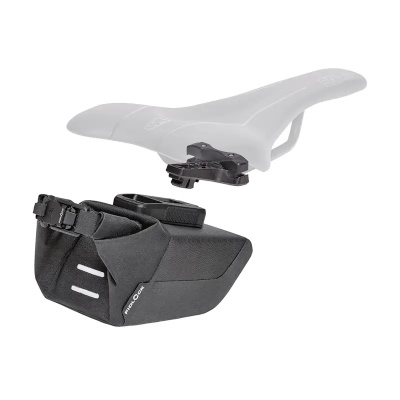
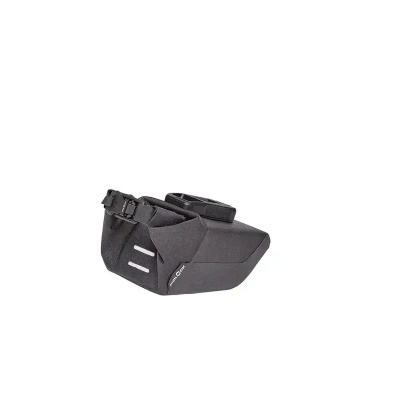
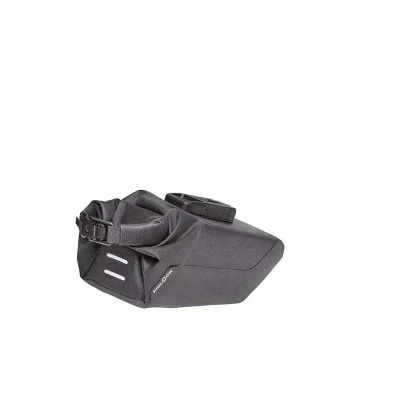
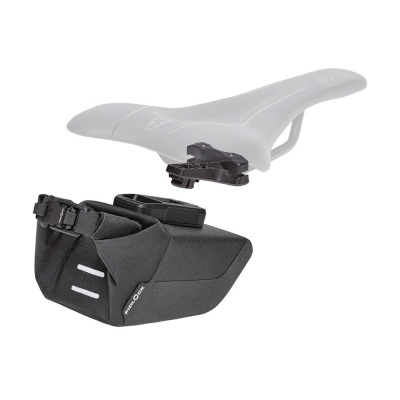
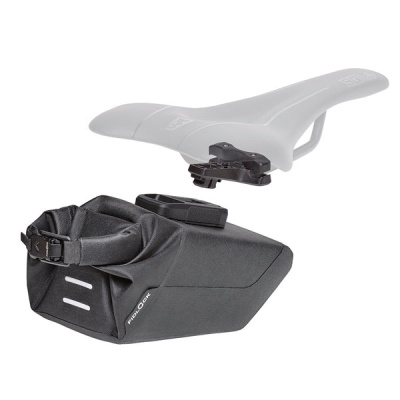
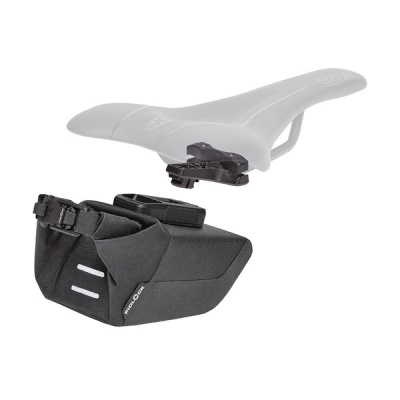
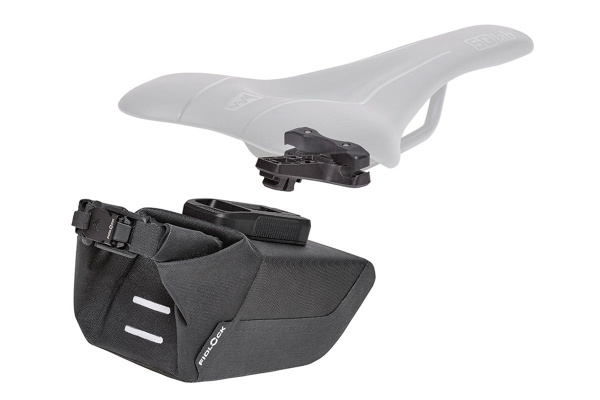
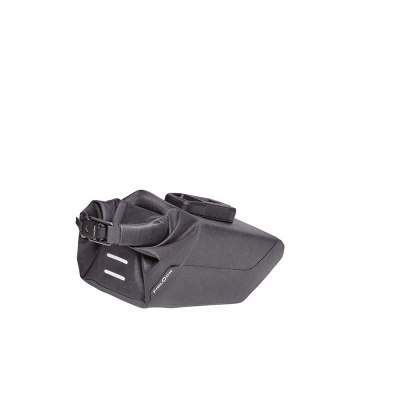
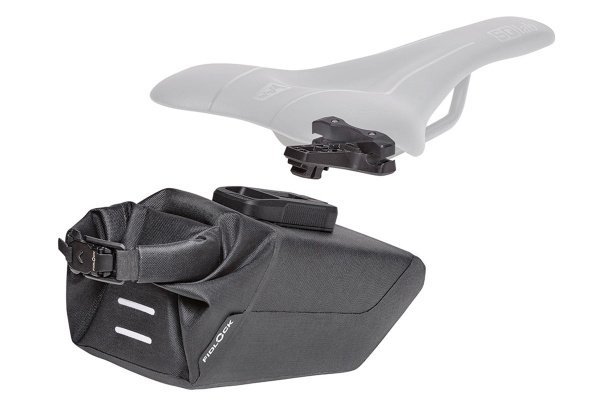
Fidlock saddle bags do something no velcro strap ever managed cleanly: they lock your spares to your saddle rails with a proprietary magnetic-mechanical PUSH base that doesn't touch your seatpost. That single design decision changes things considerably. No strap creeping down the stanchion, no scuffed seals, no fumbling with buckles mid-ride when your gloves are soaked through.
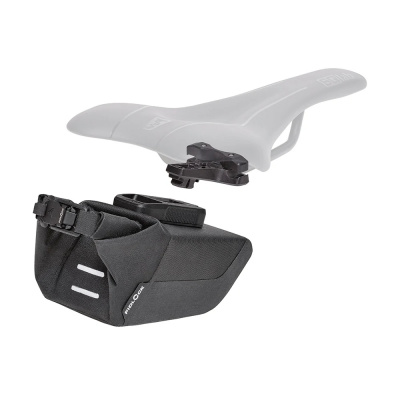
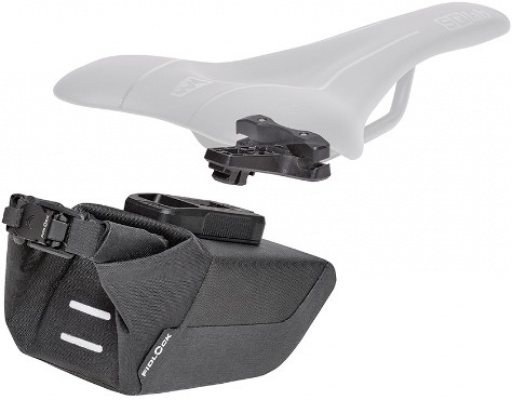
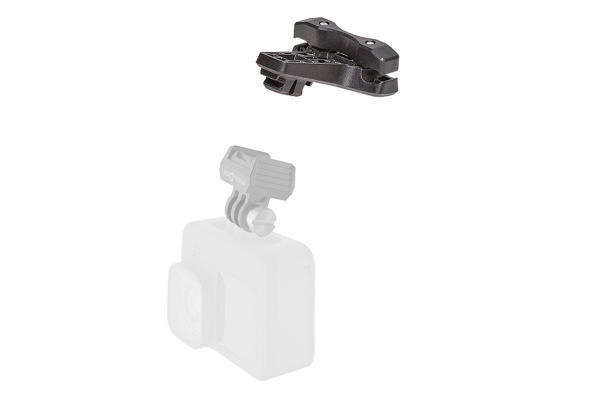
The PUSH mounting system uses magnets to guide the bag into position, then a mechanical latch clicks it home. One push of a button releases it - even with thick winter gloves on. For dropper post users, the clearance benefit alone makes the switch worth it. For everyone riding through a British winter, the waterproof zip and welded seams mean your inner tube and multi-tool aren't sitting in a cold puddle by the time you reach the car park.
Fidlock makes two main saddle bag sizes - the 400ml and the 600ml - so whether you're on a road bike hunting clean lanes or a 29er heading into the Peak District muck, there's a volume that fits your kit list. Rattle-free storage, a mount that plays nicely with full-suspension geometry, and hardware that actually survives a Welsh winter. That's the proposition.
Prices and availability can change quickly. Delivery charges are not always included in listed prices.
Final price, stock status and delivery terms are set by retailer. We may receive a commission on purchases made.
Fitting the PUSH Base: What You Need to Know
Installation is straightforward. The PUSH base clamps directly to saddle rails, and you'll need a 3mm Allen key to get it snug - nothing exotic, nothing that requires a torque wrench and a prayer. It's designed around standard 7mm round rails, which covers the vast majority of road, gravel, and trail saddles currently on the market.
The critical difference from a strap-mount bag is where it sits. Because the PUSH base grips the rails rather than wrapping around the seatpost, your dropper post clearance is completely unobstructed. No strap pressing on the stanchion during travel, no risk of scoring the surface and letting grit into the seal. If you've ever had a conventional bag leave a ring on a dropper post, you'll understand why this matters.
One thing worth checking before you fit it: the gap between your saddle rails and rear tyre at full suspension bottom-out. On shorter-travel bikes this is rarely an issue, but on a long-travel enduro rig with a slack seat angle, it's worth compressing the suspension manually and eyeballing the clearance before your first big descent. Fidlock's tool range includes what you need to torque the base correctly if you want to go by the numbers.
400 vs 600: Choosing the Right Capacity
The Fidlock Push saddle bag 600 and its smaller 400ml sibling aren't interchangeable - they suit different bikes and different kit lists, and picking the wrong one is a minor but fixable annoyance.
The 400ml version is the road and gravel choice. It fits a standard 700c inner tube, a CO2 cartridge, and a compact multi-tool with room to spare - but not much more. If your rides are measured in road miles and your worst-case puncture scenario involves a 25mm tyre, this is the one. It sits tidily under the saddle without the bulk that upsets aerodynamics or catches crosswinds on exposed riding.
The 600ml is the MTB bag. A 29er tube is chunky, and once you add tyre levers and a full multi-tool, you need the extra volume or you're fighting the zip every time. The snap fastener technology keeps the bag secure regardless of how much you've stuffed in - it doesn't loosen or rattle as the bag fills out. For gravel riders doing longer days who carry a patch kit, spare derailleur hanger, and a bit of food, the 600 also works well. It's the safer call if you're unsure.
If you're running out of saddle bag volume on longer routes, a Fidlock frame bag adds capacity without compromising handling balance, and their hip packs are worth a look for all-day epics where you need water and snacks within reach too. Alternatively, Apidura saddle bags and Carradice saddle bags offer strap-mount options if you're running a bike that doesn't suit the PUSH base system.
Keeping the Mechanism Running Through a UK Winter
This is where it gets practical. The PUSH system handles mud well in general - the magnetic-mechanical geometry doesn't give grit many places to lodge - but fine silt, the kind you pick up riding chalky bridleways or Scottish forestry tracks in November, can work its way into the release button and make it feel sticky. Not jammed, just resistant. It's worth addressing before it gets worse.
A low-pressure rinse after every muddy ride sorts the majority of cases. You're not pressure-washing the thing - a gentle hose-down aimed at the latch mechanism is enough to flush out what's accumulated. Follow that with a single drop of silicone spray on the mechanical latch, and the button action will stay crisp. Avoid oil-based lubricants here; they attract more grit than they repel.
The waterproof zip deserves equal attention. The welded waterproof seams and PU-coated zippers give the bag a solid IPX4 rating - meaning it handles rain and spray well, which is the reality of riding in the UK for nine months of the year. But zippers fail when the teeth get gritty and you force them. Run a clean, damp cloth along the zip teeth regularly, and if you notice any resistance, a wipe with a dry cloth before forcing it will save you from a separated zip. The bag's waterproofing is only as good as the zip staying intact.
For comparison, EVOC saddle bags use more traditional roll-top closures that sidestep the zip issue entirely - a different trade-off, worth knowing if waterproofing is your absolute priority over quick access. Lezyne saddle bags sit at a lower price point and use strap mounts, which makes them simpler to maintain but less useful on dropper-post-equipped bikes.
The best waterproof saddle bag for UK winter use needs both sealed construction and a mount that won't degrade - and the combination of welded seams with the PUSH base covers both without asking you to compromise on access speed or dropper compatibility. That's not a common combination at this end of the market.
Frequently Asked Questions
Are Fidlock saddle bags compatible with dropper posts?
Yes, fully. The PUSH base clamps to the saddle rails directly, so there's no seatpost strap involved. Your dropper stanchion stays completely clear throughout its travel, with no risk of scratching the surface or interfering with the seal.
How does the Fidlock PUSH saddle bag mount work?
Strong magnets guide the bag onto the rail-mounted base, then a mechanical latch locks it in place - so it's self-aligning but properly secured, not just held by magnetism alone. To release it, press the button on the latch. It's designed to work one-handed with winter gloves on, which matters more than it sounds when you're standing in a lay-by in January.
Will mud and grit jam the Fidlock magnetic mechanism?
Heavy grit can make the release button stiffen over time, but it won't jam the mechanism outright in normal use. A post-ride rinse with a low-pressure hose and an occasional drop of silicone spray on the latch keeps everything moving freely. It's a two-minute job that's worth doing regularly if you're riding through winter.
Fidlock Saddle Bags FAQs
Are Fidlock saddle bags compatible with dropper posts?
Yes. The PUSH base clamps to your saddle rails rather than wrapping around the seatpost, so your dropper stanchion stays completely unobstructed throughout its travel. No strap contact means no scratching and no risk of compromising the dropper seal.
How does the Fidlock PUSH saddle bag mount work?
Magnets guide the bag onto the rail-mounted PUSH base, and a mechanical latch clicks it secure - so you get self-aligning convenience without relying on magnetism alone to hold the bag. A single button press releases it, and it's designed to work reliably with thick winter gloves on.
Will mud and grit jam the Fidlock magnetic mechanism?
The PUSH system sheds mud well, but fine grit from chalky or silty trails can stiffen the release button over time. A low-pressure rinse after muddy rides and an occasional drop of silicone spray on the latch is all it takes to keep the action crisp.